
Merchant Sea: A Winter Odyssey Through Hokuriku’s Kitamaebune Legacy(katsuta article)


language | ไทย | 繁體中文 | 简体中文 | 日本語
This article is contributed by Takahito Katsuta, who is based in Bangkok, Thailand, and is engaged in producing and promoting regional resources across Japan. Drawing on a local perspective and firsthand experience, he explores the unique appeal of regional culture, cuisine, and landscapes.
==================
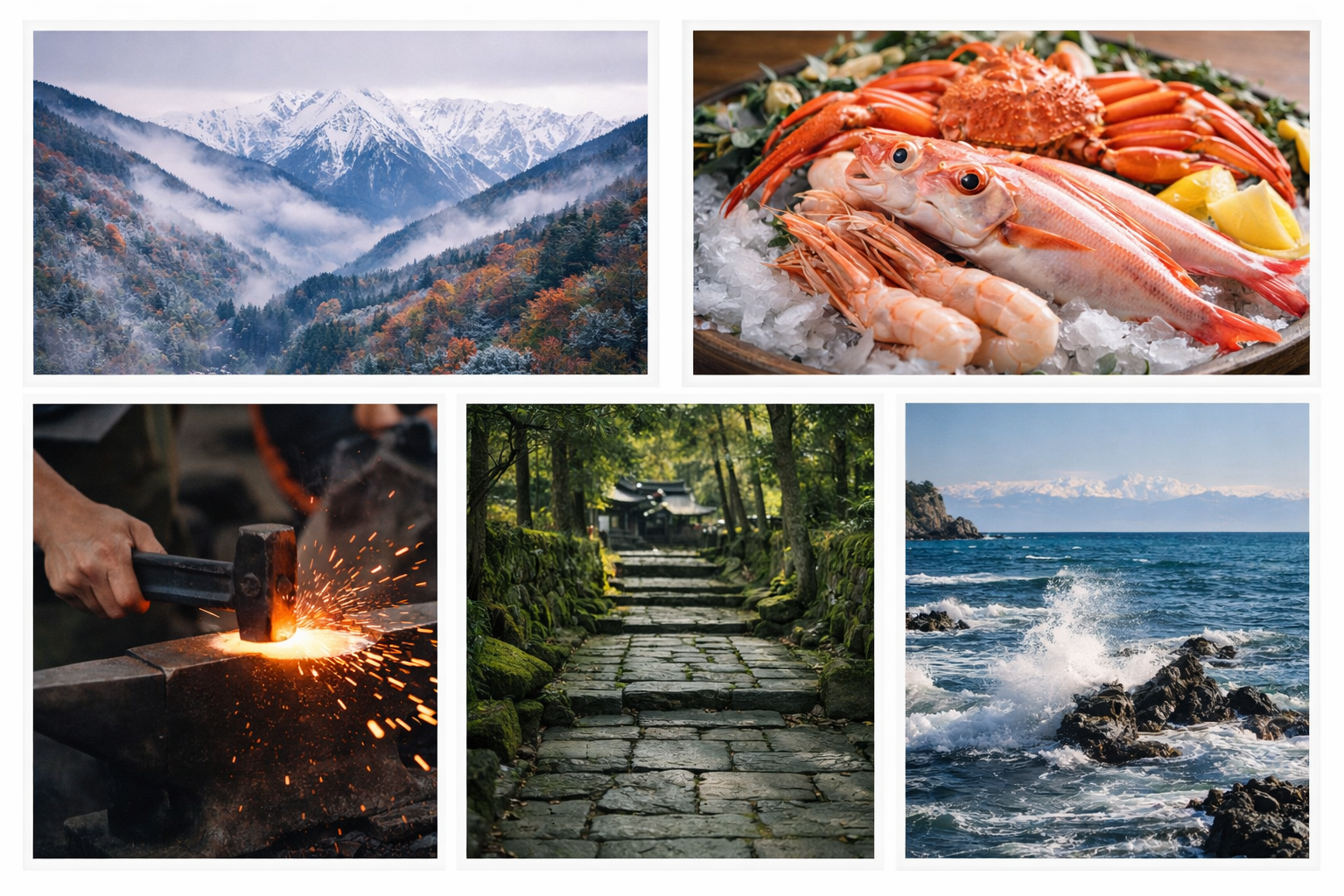
The Sea of Japan has long been a place for wealth, culture. Perhaps no era encapsulates this better than the age of the Kitamaebune—the "northern-bound ships" that served as the lifeblood of Japanese trade from the mid-18th century to the 19th century. These were not mere transport vessels; they were "buying-and-selling" ships, where captains acted as savvy entrepreneurs, amassing fortunes that built entire towns. This winter, our journey through the Hokuriku region—spanning Ishikawa, Toyama, and Fukui—traces the wake of these historic vessels. It is a route that balances the rugged history of maritime trade with the sophisticated seasonal beauty of Japan’s snowy coast.
Part I: Ishikawa - Samurai Spirit and Merchant Wealth
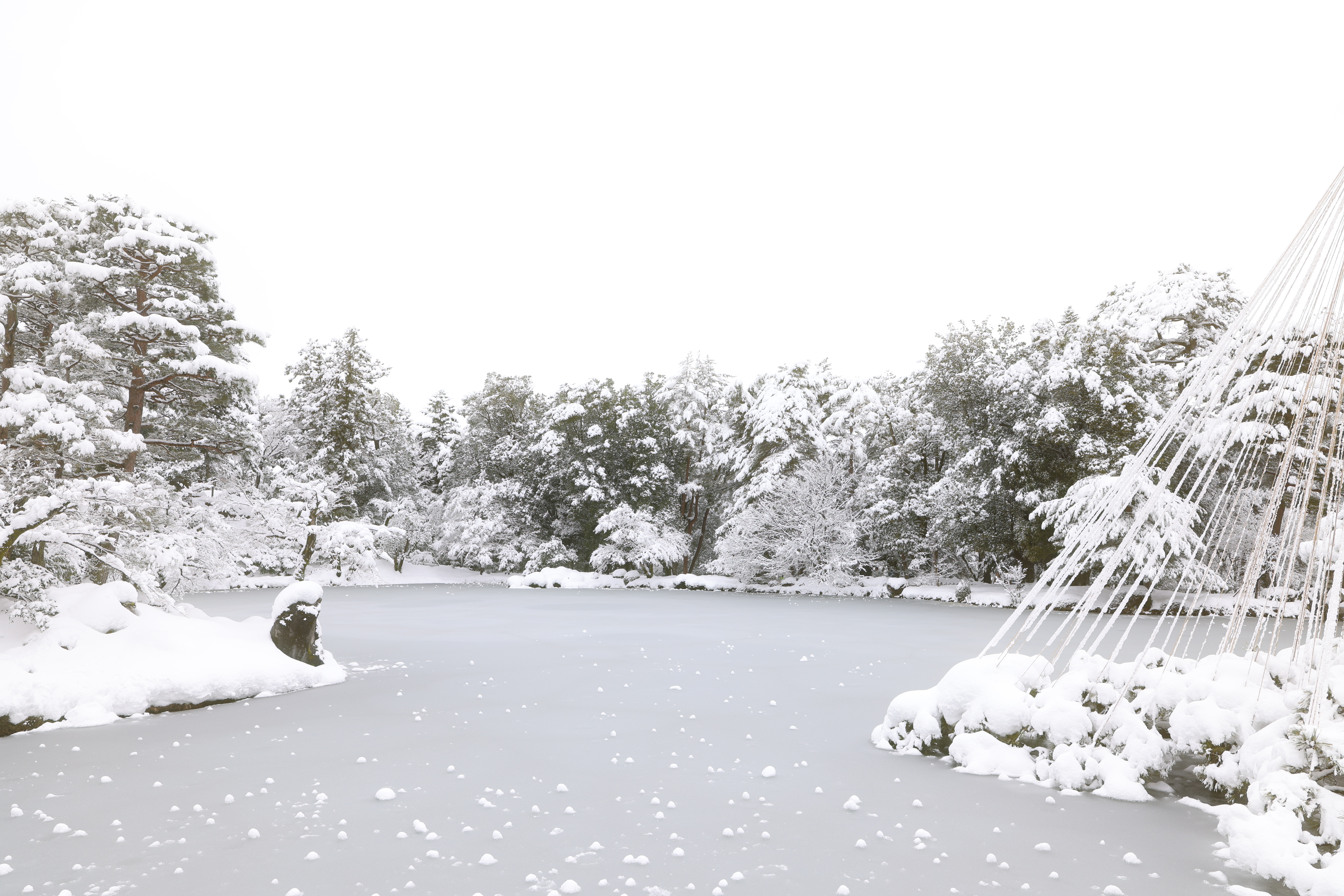
Our exploration begins in Kanazawa, the cultural heart of Ishikawa. During the Edo period, the Maeda Clan’s immense wealth was bolstered by the trade routes serviced by the Kitamaebune. To understand the region’s aesthetic, one must start at Kenroku-en Garden. In winter, the garden is famous for yukitsuri—conical arrays of ropes designed to protect the branches of ancient pine trees from heavy snow. It is a masterclass in functional beauty, reflecting the same meticulous care the Kitamaebune sailors took in rigging their vessels to withstand the brutal Sea of Japan.
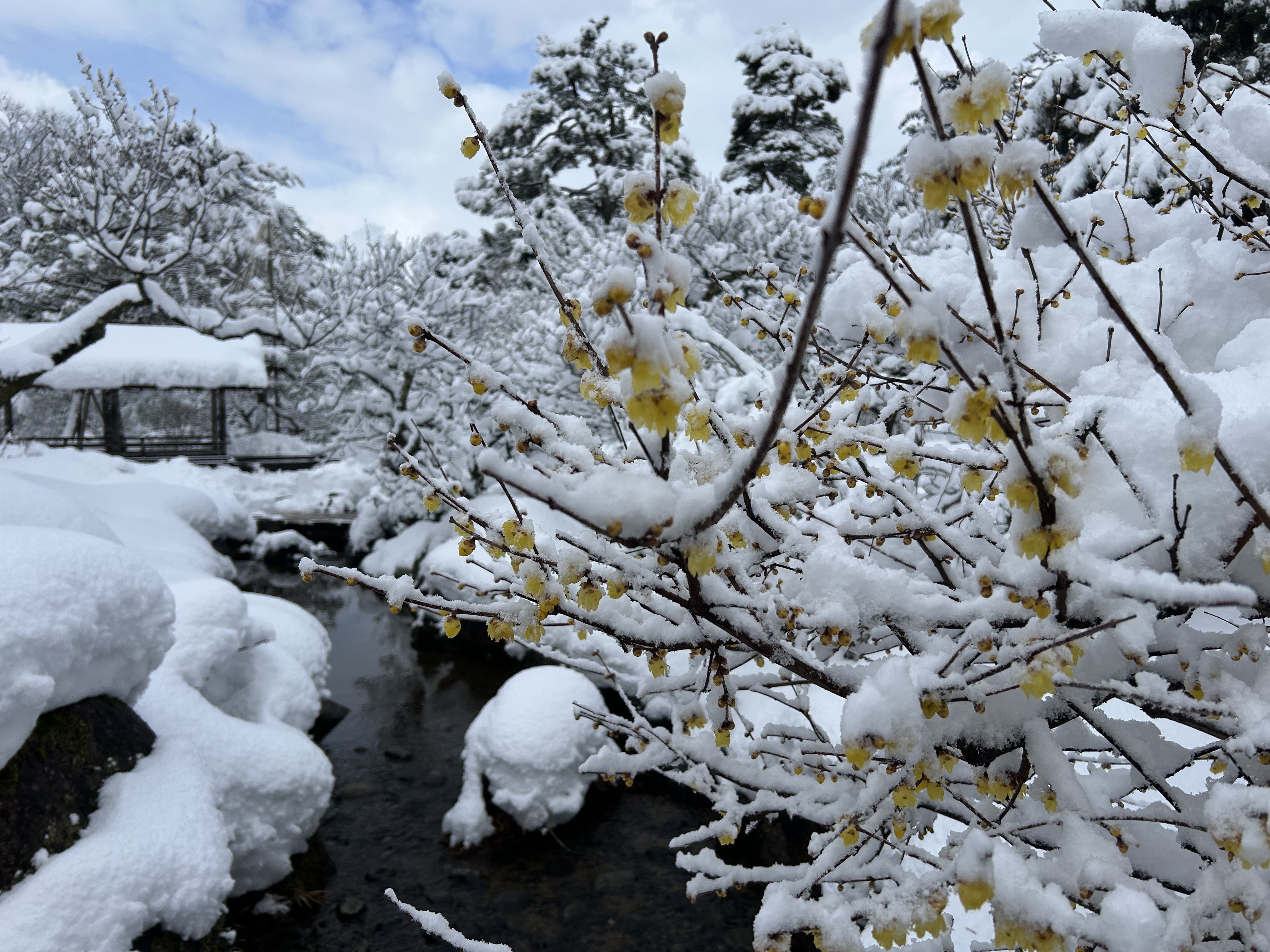
Adjacent to the garden lies the Nagamachi Samurai District. Walking through these narrow lanes, flanked by earthen walls and private residences, you feel the weight of the feudal hierarchy. While the samurai held social status, the Kitamaebune merchants held the capital. This economic tension fueled the city’s development.
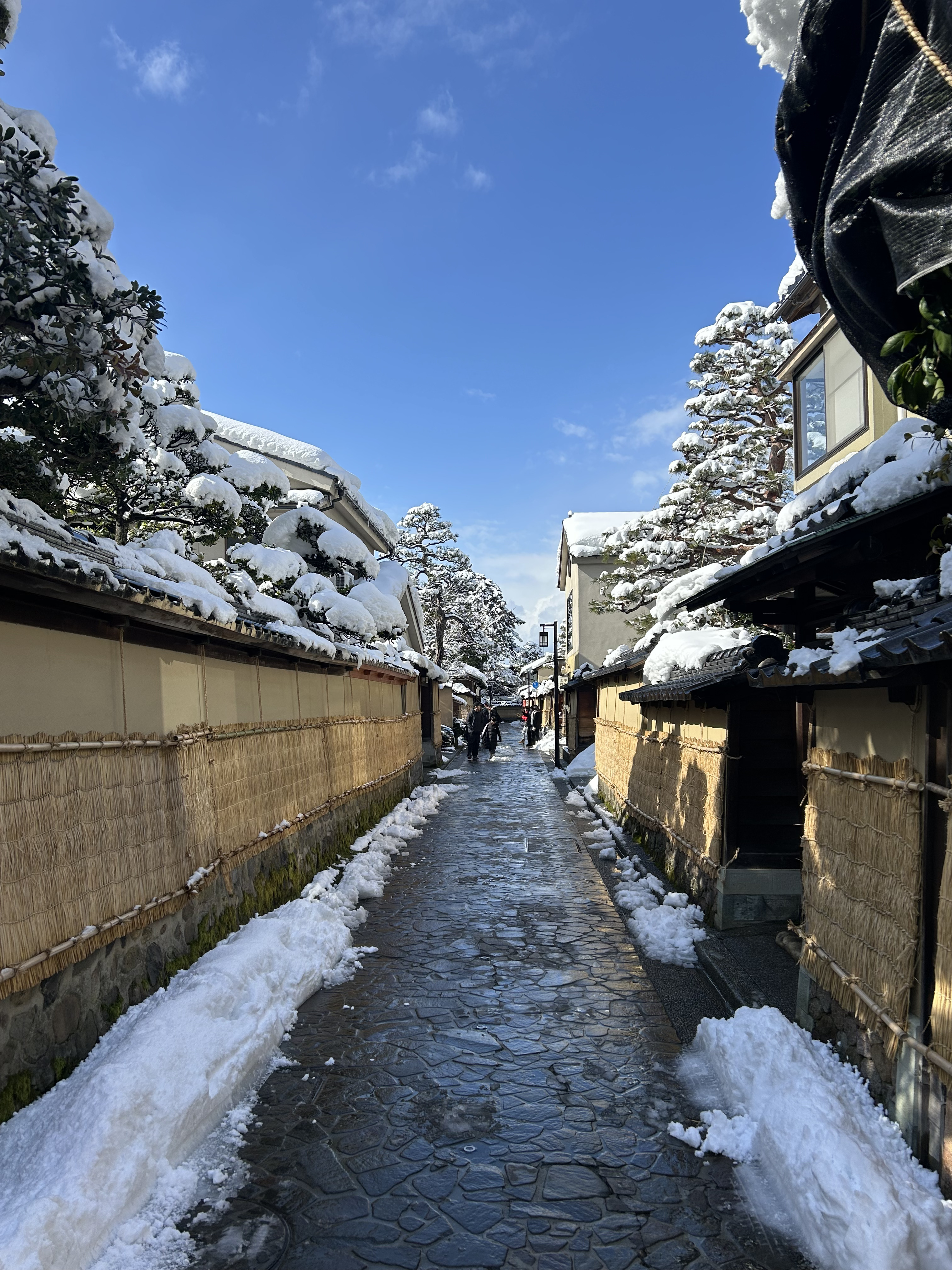
For a taste of the "commoner’s warmth" that sustained the city through freezing winters, we stopped for Kanazawa Oden. Unlike the version found in Tokyo, this local specialty features unique ingredients like kuruma-fu (large wheat gluten rings) and kani-men (stuffed crab shells), simmered in a light, refined dashi—a direct culinary descendant of the kelp trade.
The Wealth of the Ship Masters: Hashidate
Further south in Hashidate, we found a town that once held the title of "the wealthiest village in Japan." Guided by local expert Ms. Kumi Hiratsuka of Cafe Hikobe, we explored the unique architecture of the ship danna (ship owners). The houses are built with heavy timber and shaded by shakudani stone, topped with iconic red shio-yaki roof tiles glazed to resist salt air.
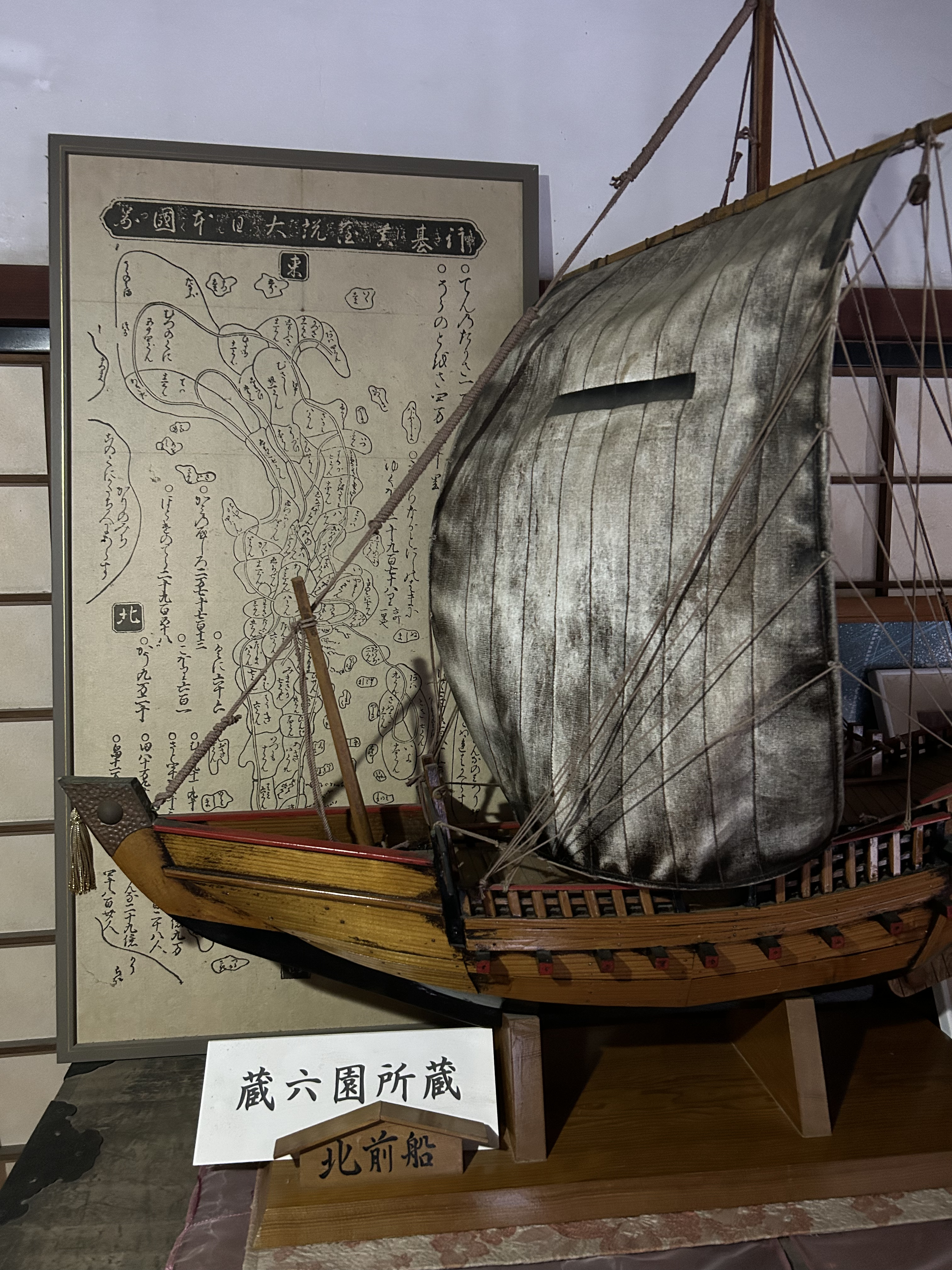
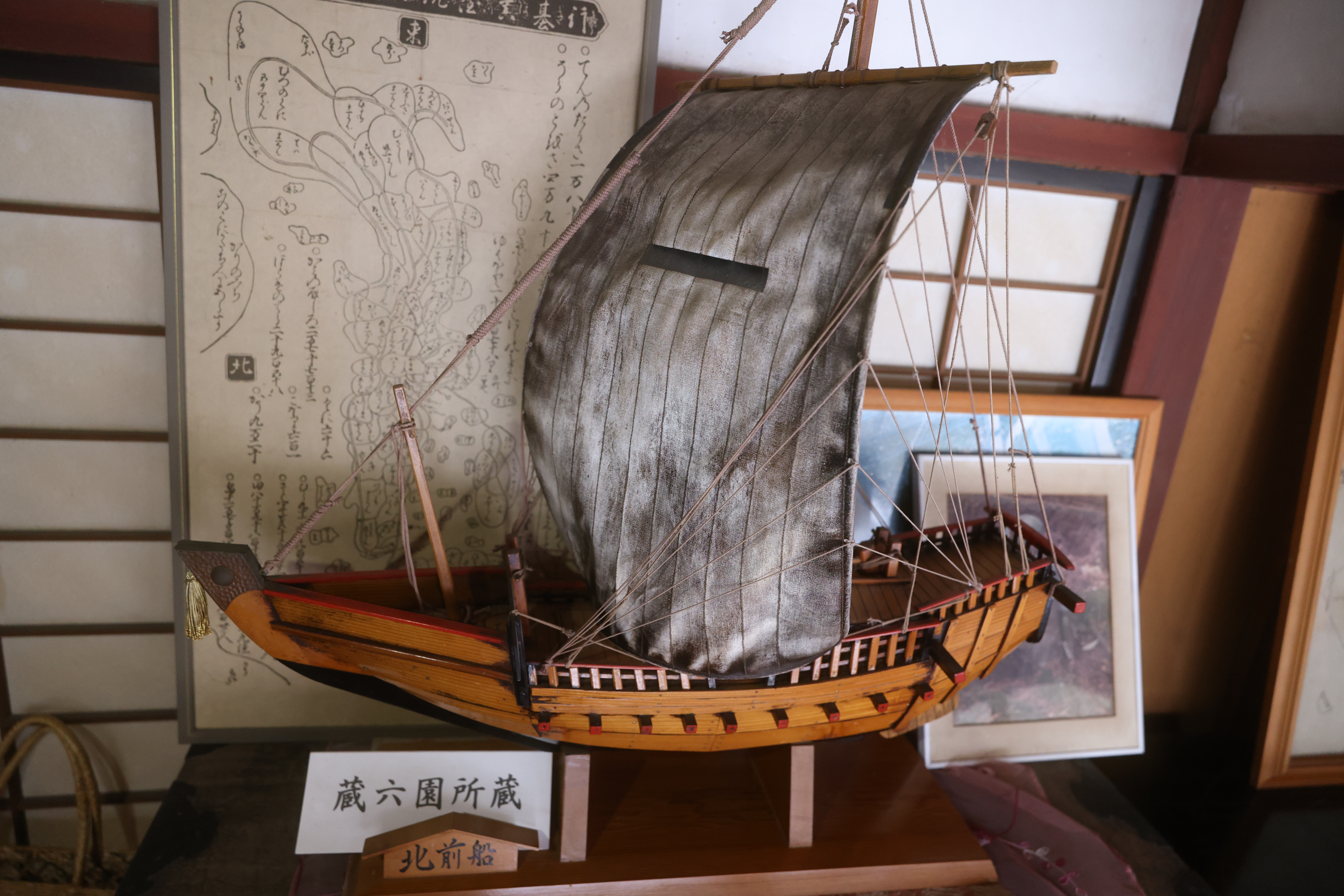
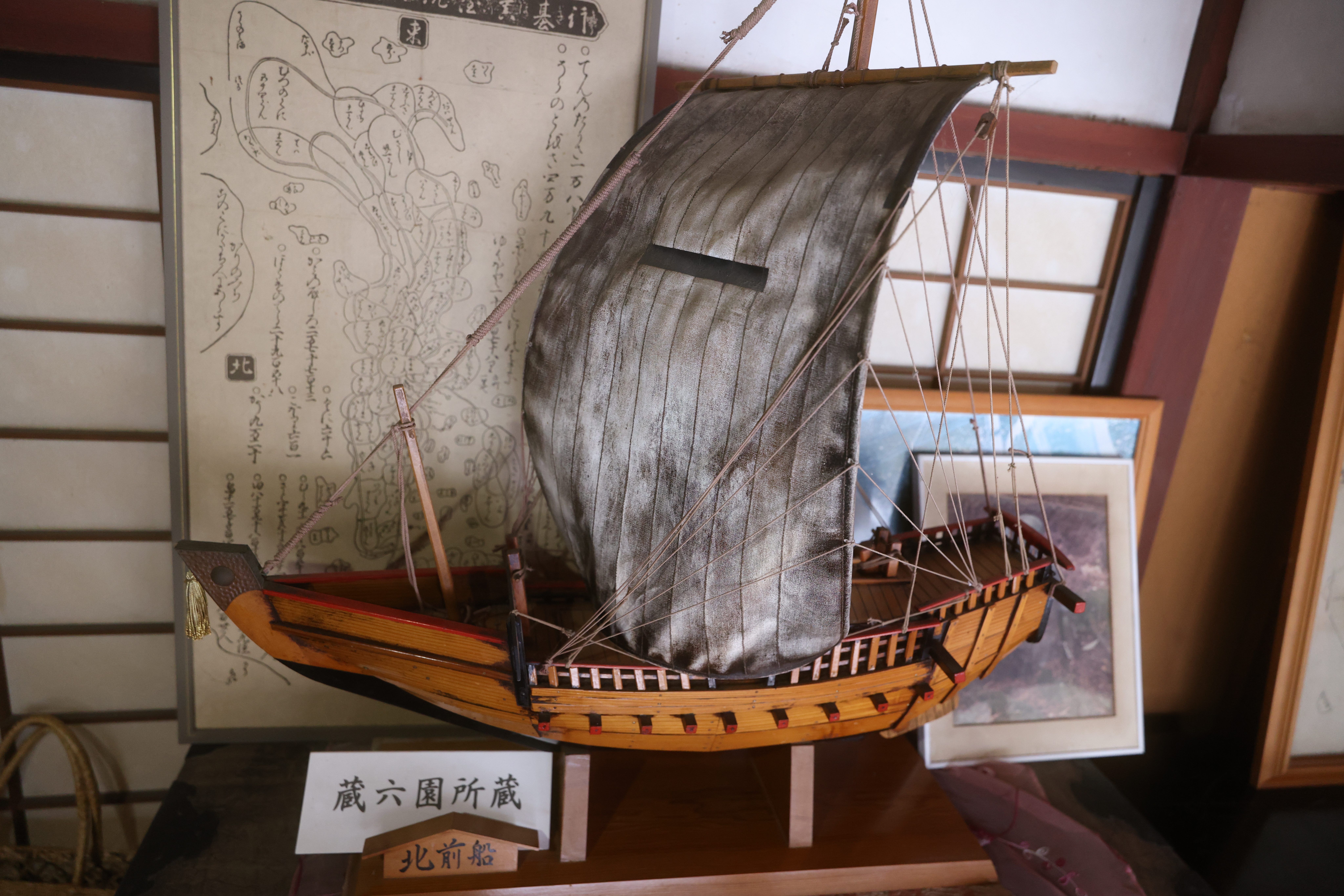

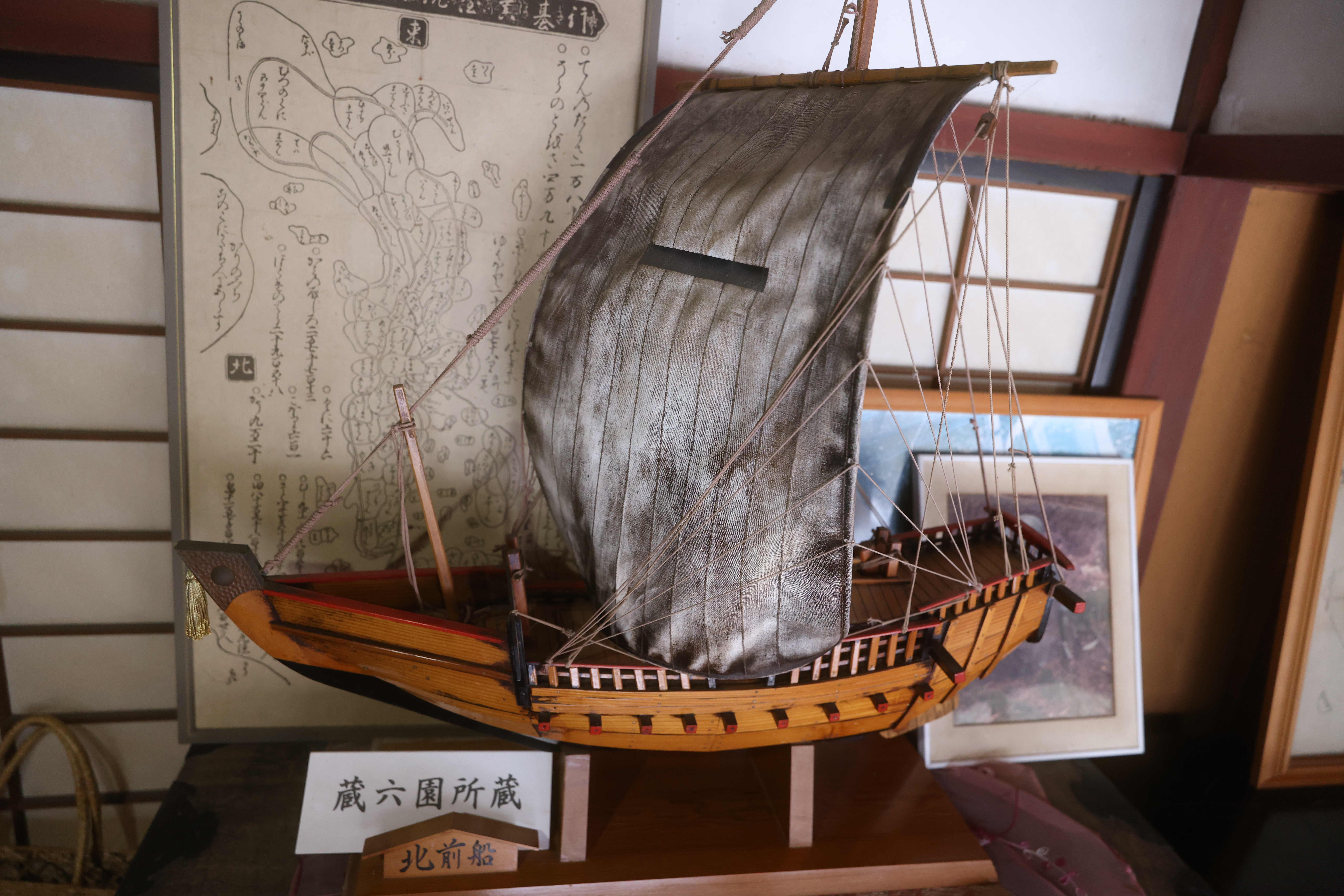
The Kitamaebune Museum, housed in the former Sakaya family residence, serves as the definitive testament to this era. Standing before the ship models, one can almost hear the creak of the hulls as they carried kombu from Hokkaido and sake from Nada.
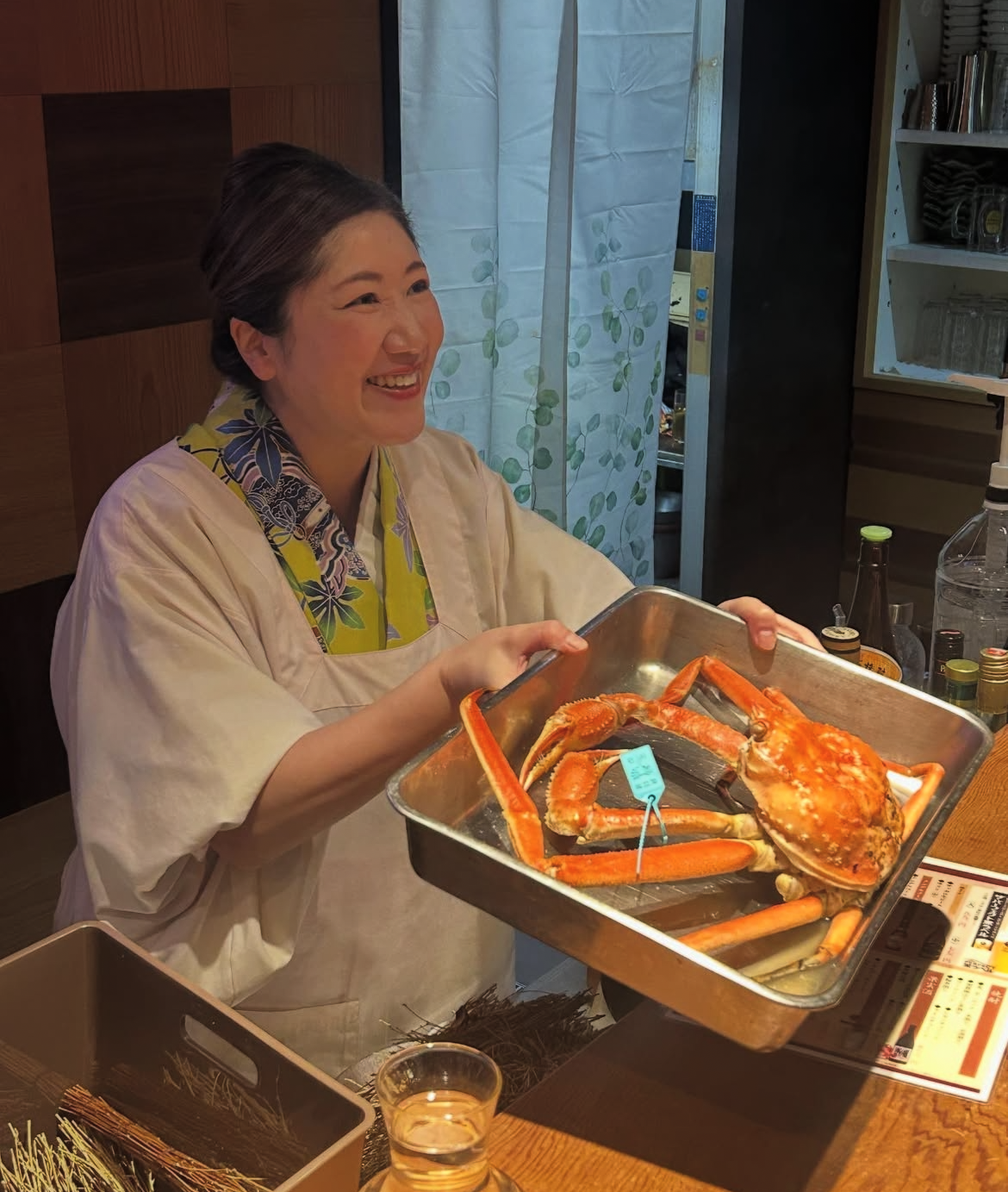
We concluded our Ishikawa leg in Yamashiro Onsen, staying at Yoshidaya Sannoukaku, before heading to Kappo Morimoto for a dinner of all Ishikawa winter sea ingredients, highlighted by the crabs.
Part II: Toyama - Innovation and Artistic Reflections
Moving eastward to Toyama, the legacy of the Kitamaebune takes on a more industrial yet equally aesthetic form. Toyama was a vital hub for the "Medicine Merchants," whose distribution networks across Japan were made possible by the maritime routes established by these ships.
Iwase: A Port Town Along the Kitamaebune Route
After entering Toyama, the first place we stopped was the port town of Iwase. Along the main street, large merchant houses and storehouses from the days of the Kitamaebune trade still remain, quietly reflecting the town’s history as an important port. The area does not feel overly shaped for tourism; instead, its history is preserved naturally within everyday life. The layout of the buildings and the width of the streets suggest a town that developed through the constant movement of people and goods.
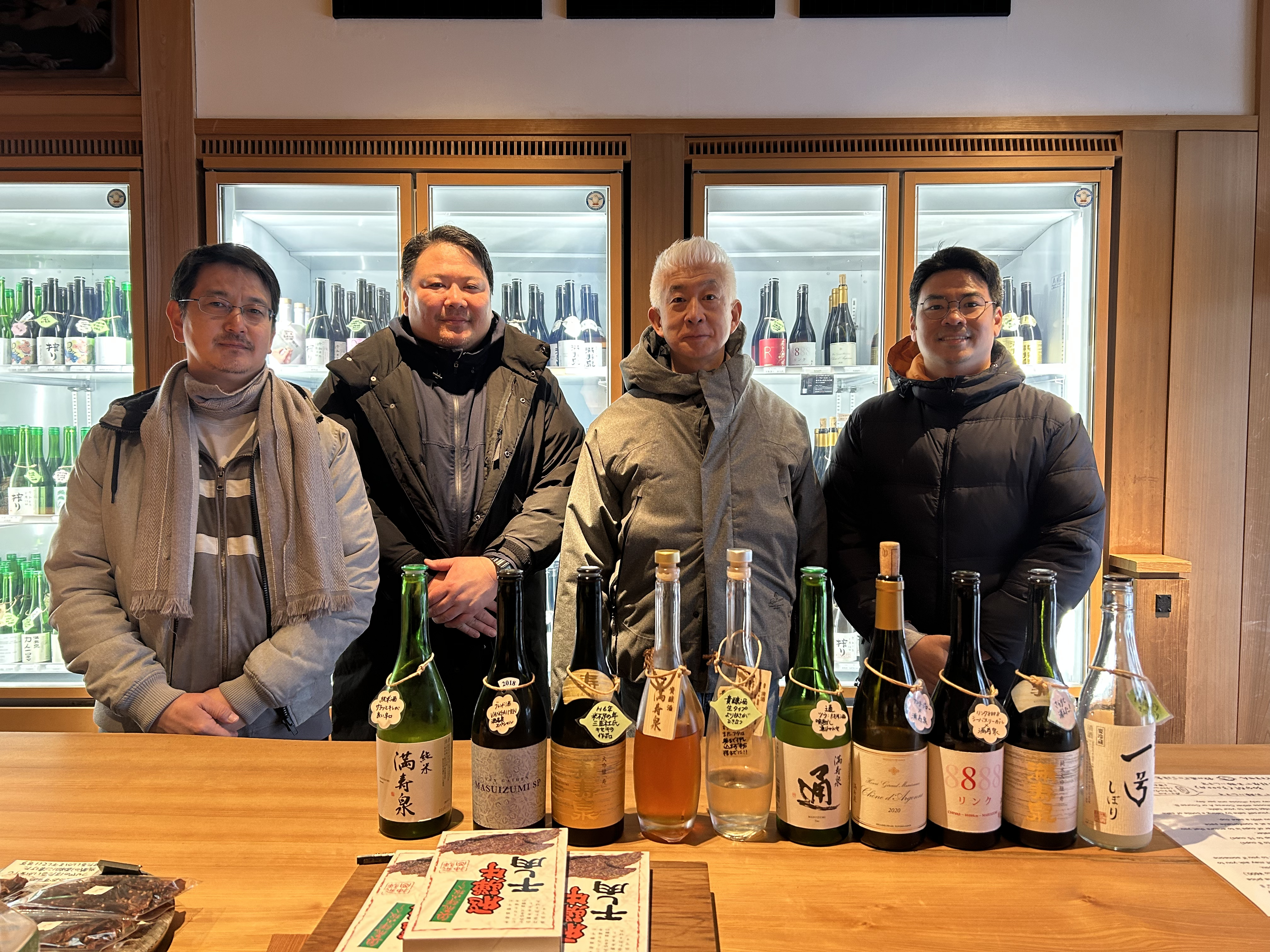
One experience that stood out in Iwase was a sake tasting at Saseki, by Masuda Sake Brewery.By sampling several varieties in small amounts, it became easy to notice differences in aroma and flavor, offering a clear sense of the range of sake produced here. It was also a reminder that sake brewing is one of the long-standing practices that has been passed down in Iwase over generations.
Glass Art and the Bounty of the Bay
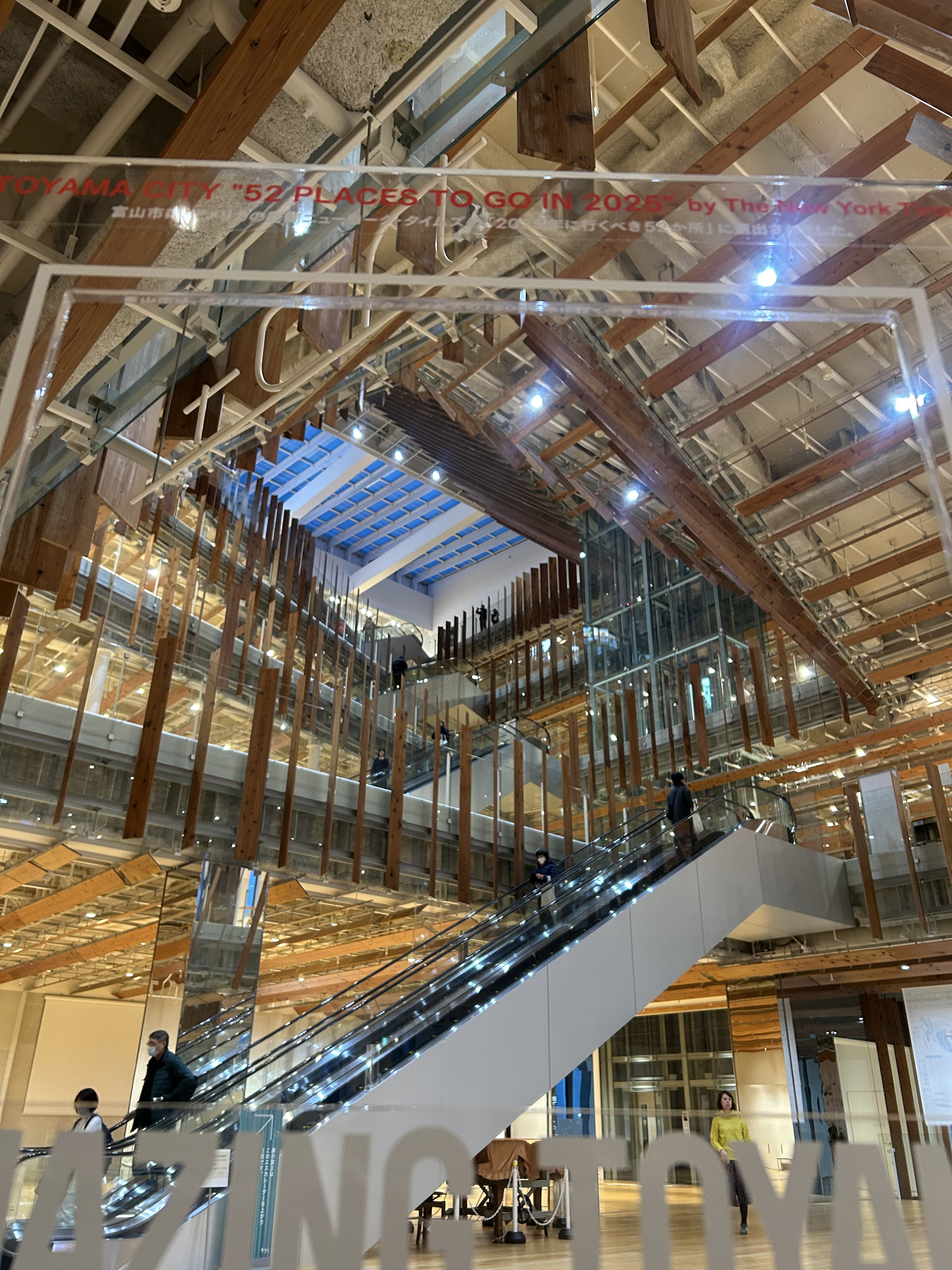
Our time in Toyama City centered on the Toyama Glass Art Museum. Designed by world-renowned architect Kengo Kuma, the building’s shimmering facade of glass and aluminum reflects Toyama’s history as a center for glass medicine bottle production. Today, it hosts world-class contemporary glass art, proving that the region’s merchant roots have evolved into a sophisticated global aesthetic.
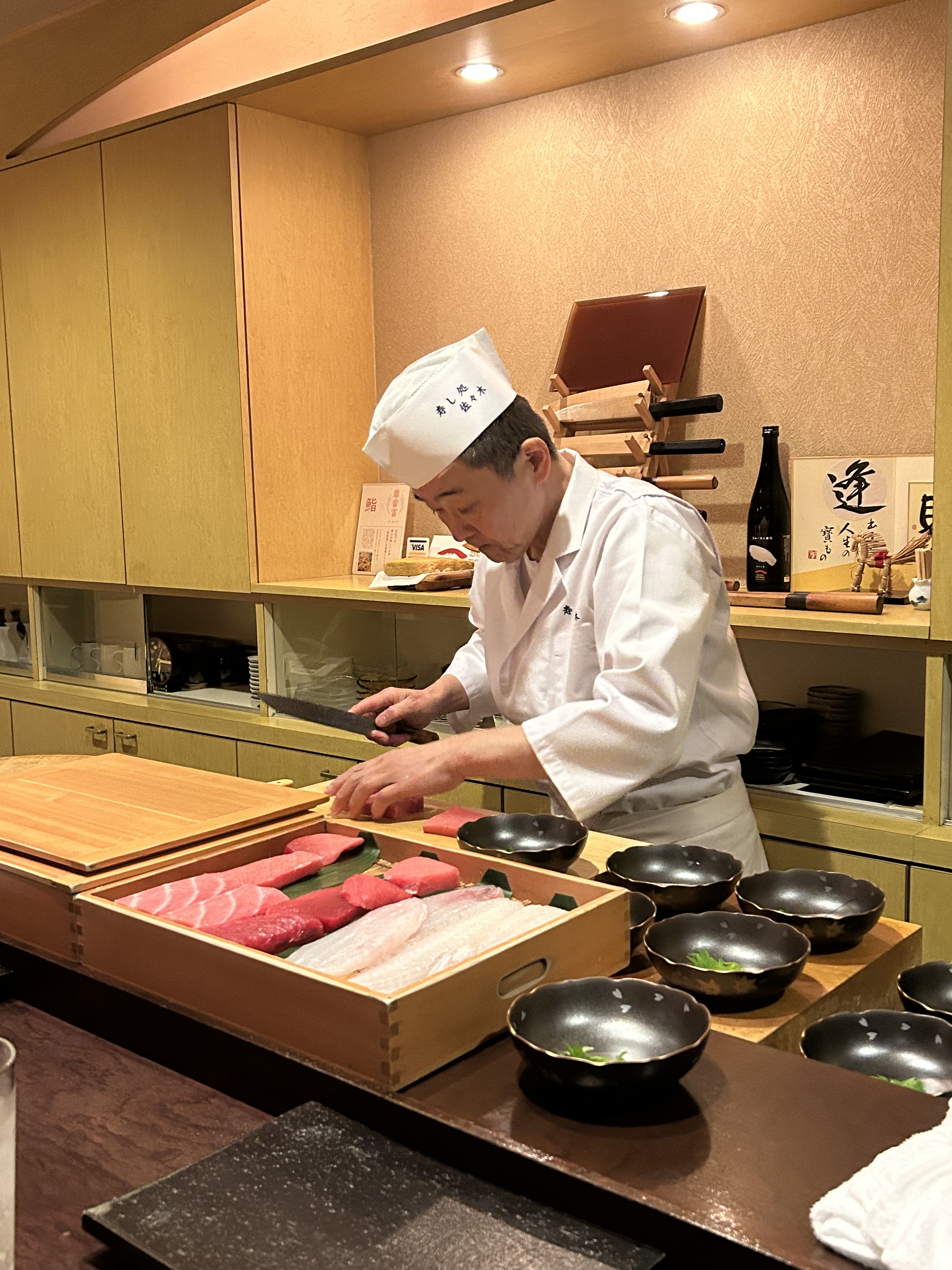
For dinner, we visited Sushidokoro Sasaki, for a Sushi omakase made from sea ingredients of Toyama. Usually not found in Toyama, the course included rare maguro from Toyama, and it was the freshest Sushi omakase that I had.
Nature’s Grandeur: Amaharashi and Shogawa
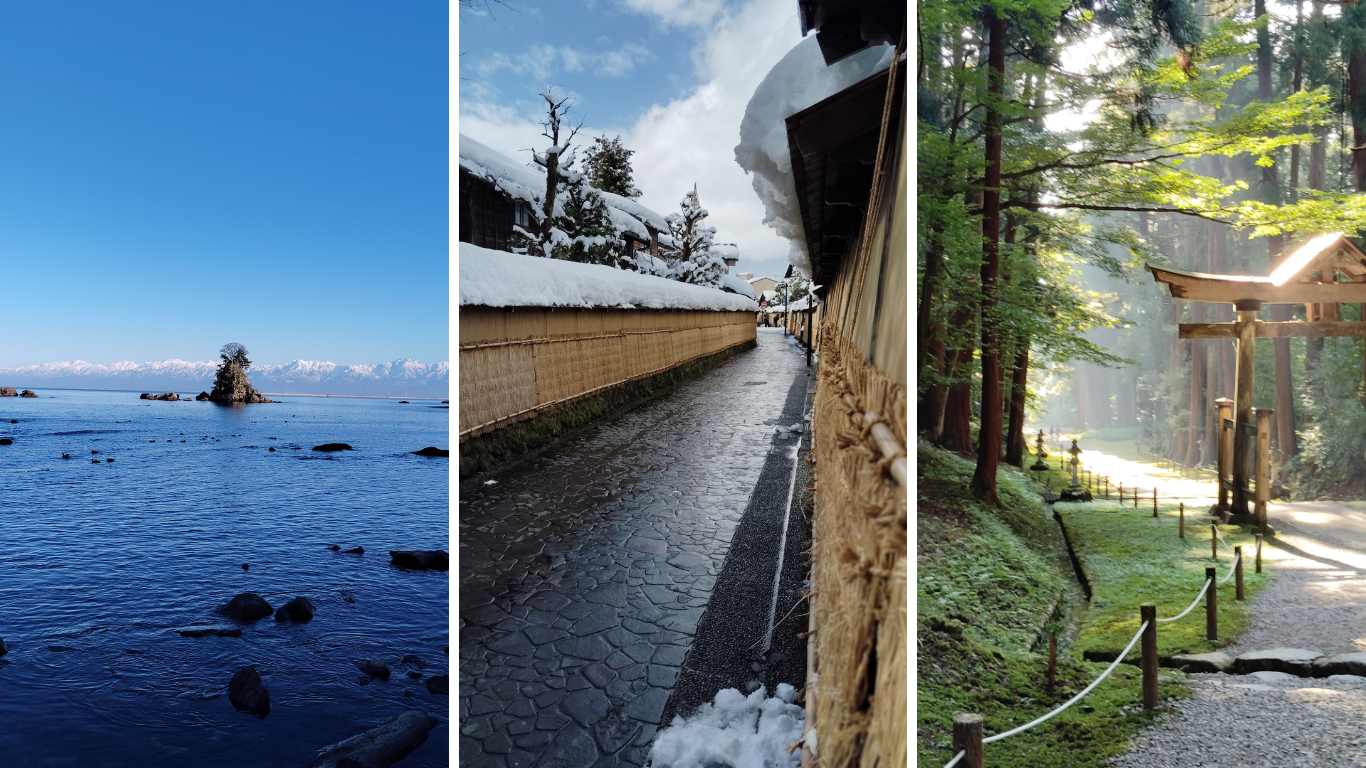
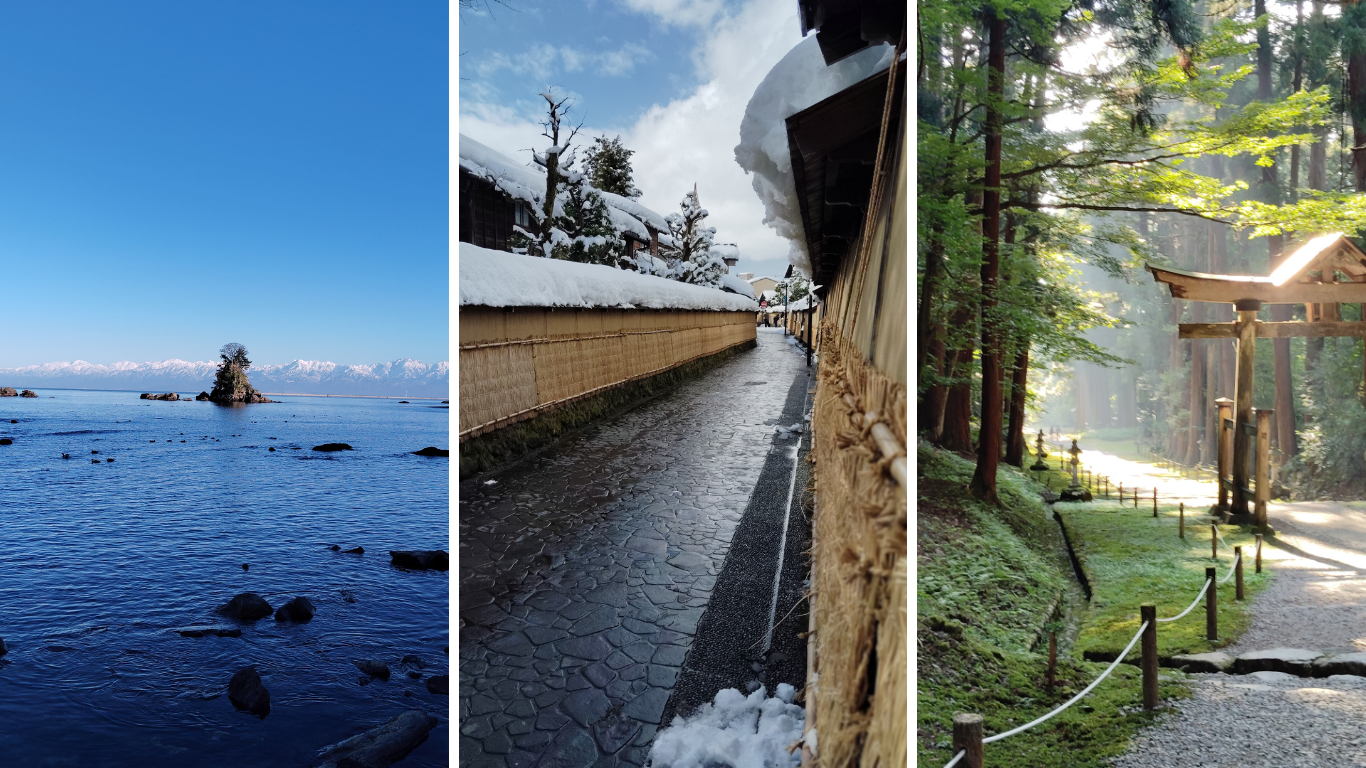
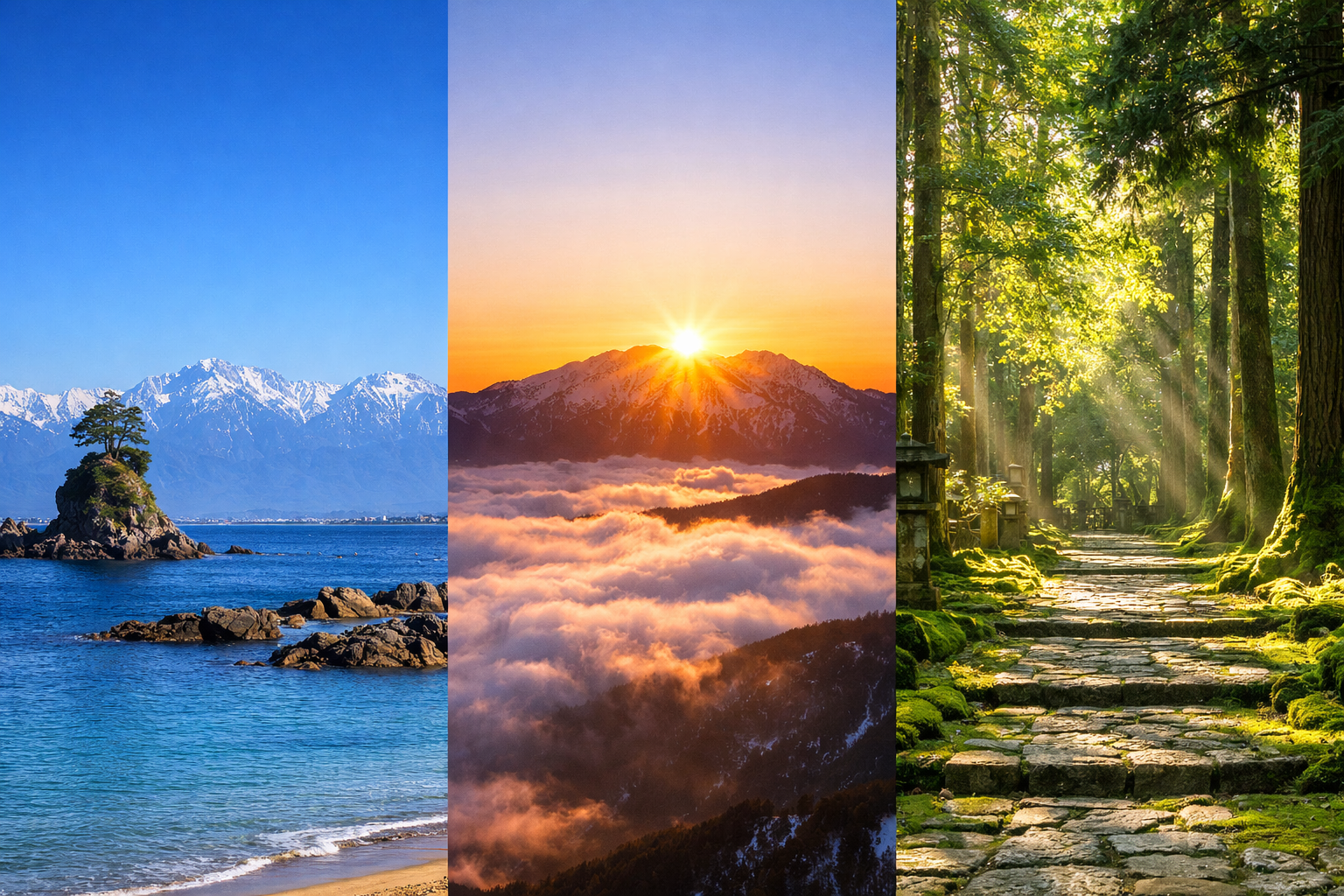
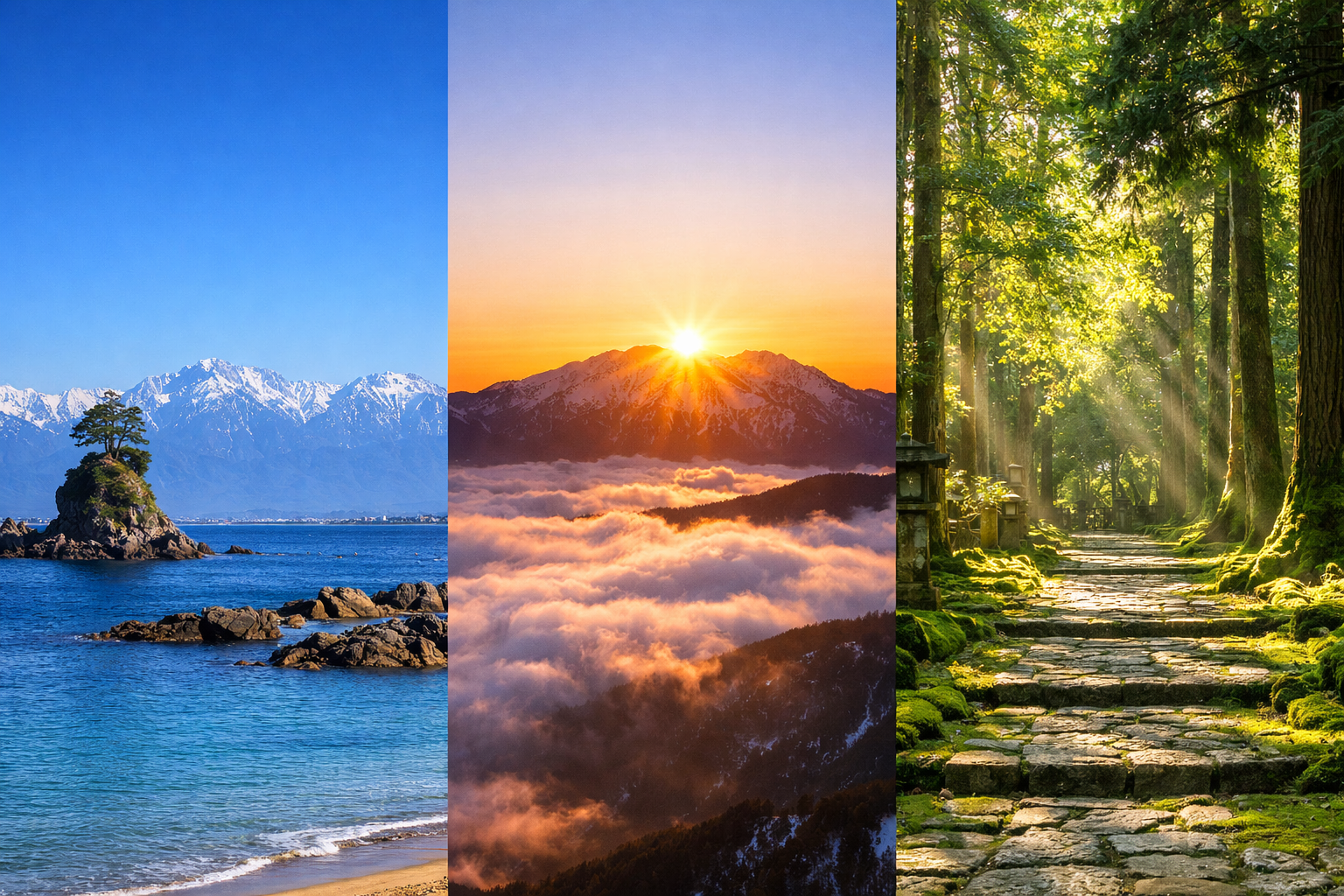
To witness the raw power of the landscape that the Kitamaebune sailors navigated, we headed to Amaharashi Onsen. From the outdoor baths, one can see the snow-capped Tateyama Mountain Range rising 3,000 meters directly from the sea—a sight that has inspired poets and sailors alike for a millennium.
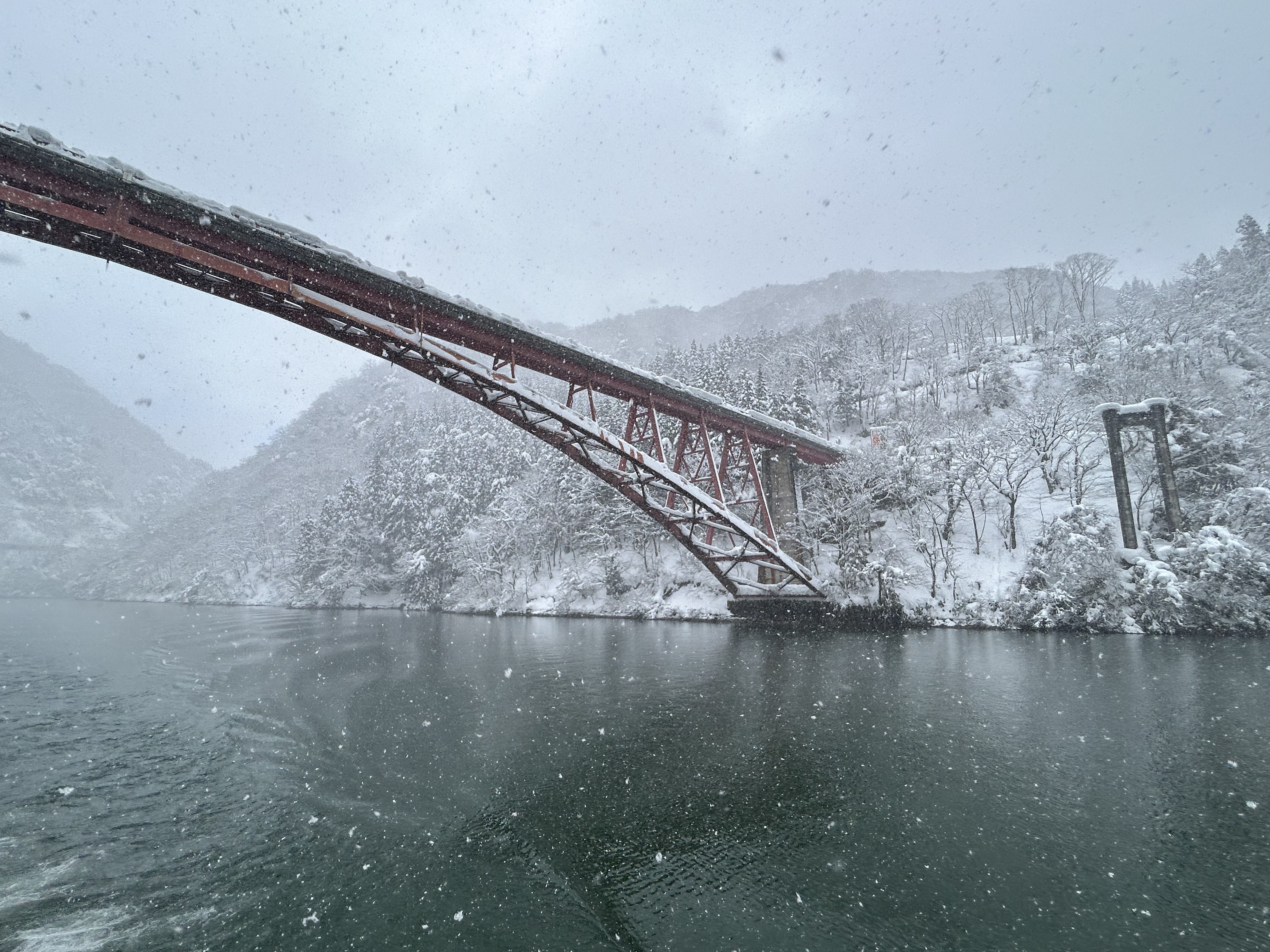
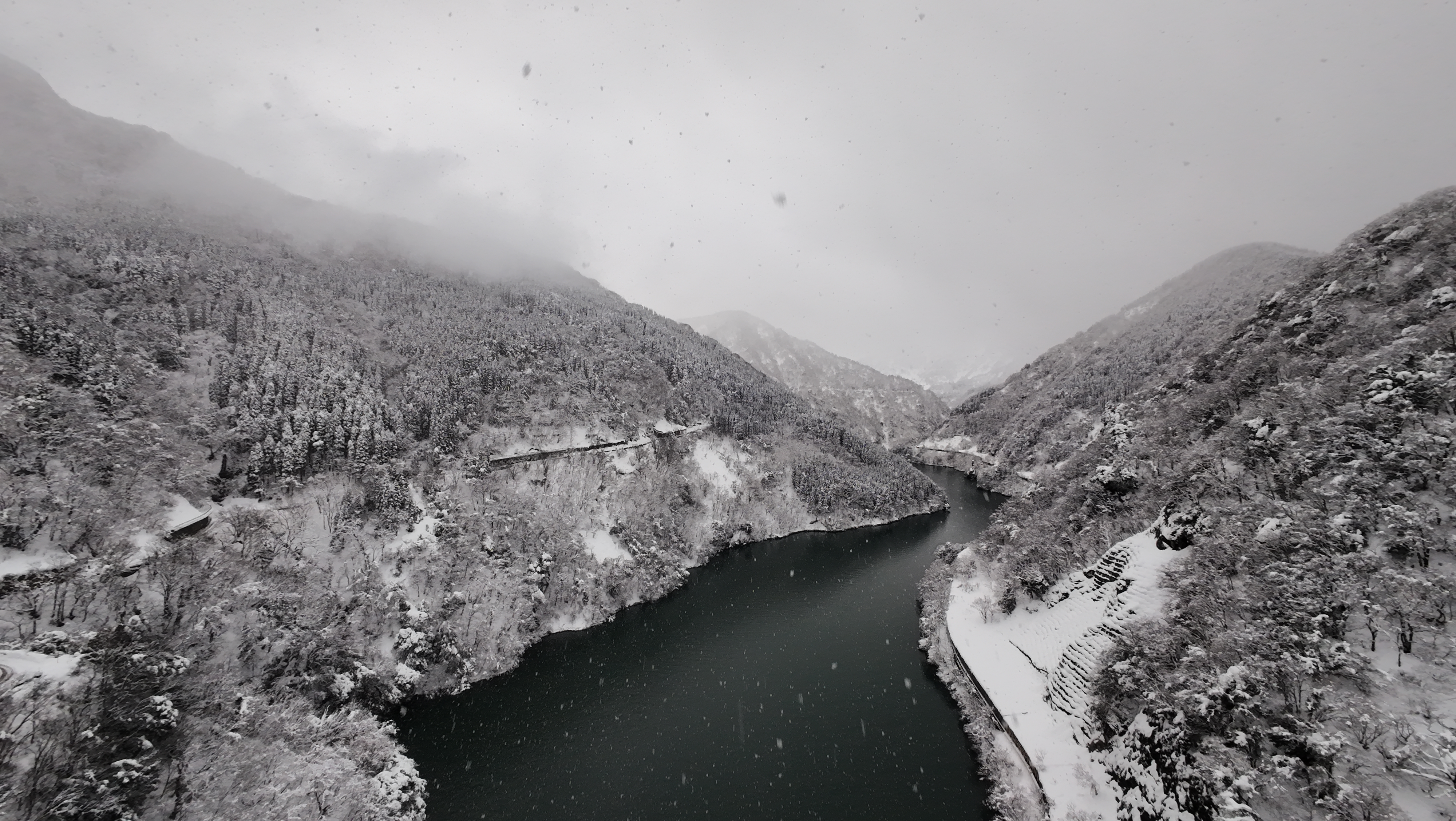
We then ventured inland for a Shogawa Gorge Cruise. Drifting through the emerald waters of the gorge, surrounded by snow-covered cliffs, is a meditative experience. The silence of the winter landscape is broken only by the sound of the boat cutting through thin sheets of ice, a reminder of the isolation and beauty of the Hokuriku interior that the merchants once sought to connect to the wider world.
Part III: Fukui - Zen and the Castle Town
Our final leg brought us to Fukui, where the Kitamaebune influence takes on a spiritual and deeply cultural tone. Fukui’s ports, like Mikuni, were the primary gateways through which northern goods reached the imperial capital of Kyoto.
The Craft of the Blade: Takefu Knife Village
A short journey inland leads to the Takefu Knife Village, a collective of artisans keeping the 700-year tradition of Echizen Uchihamono (forged cutlery) alive, and one of the famous knife making area of Japan.
The precision and long dedication to master the forging of these blades mirror the resilience of the Hokuriku people. Watching the masters work red-hot steel into razor-sharp kitchen knives with many delicate steps, is a powerful display of the craftsmanship that once fueled the region’s trade economy.
The Castle in the Sky: Ono
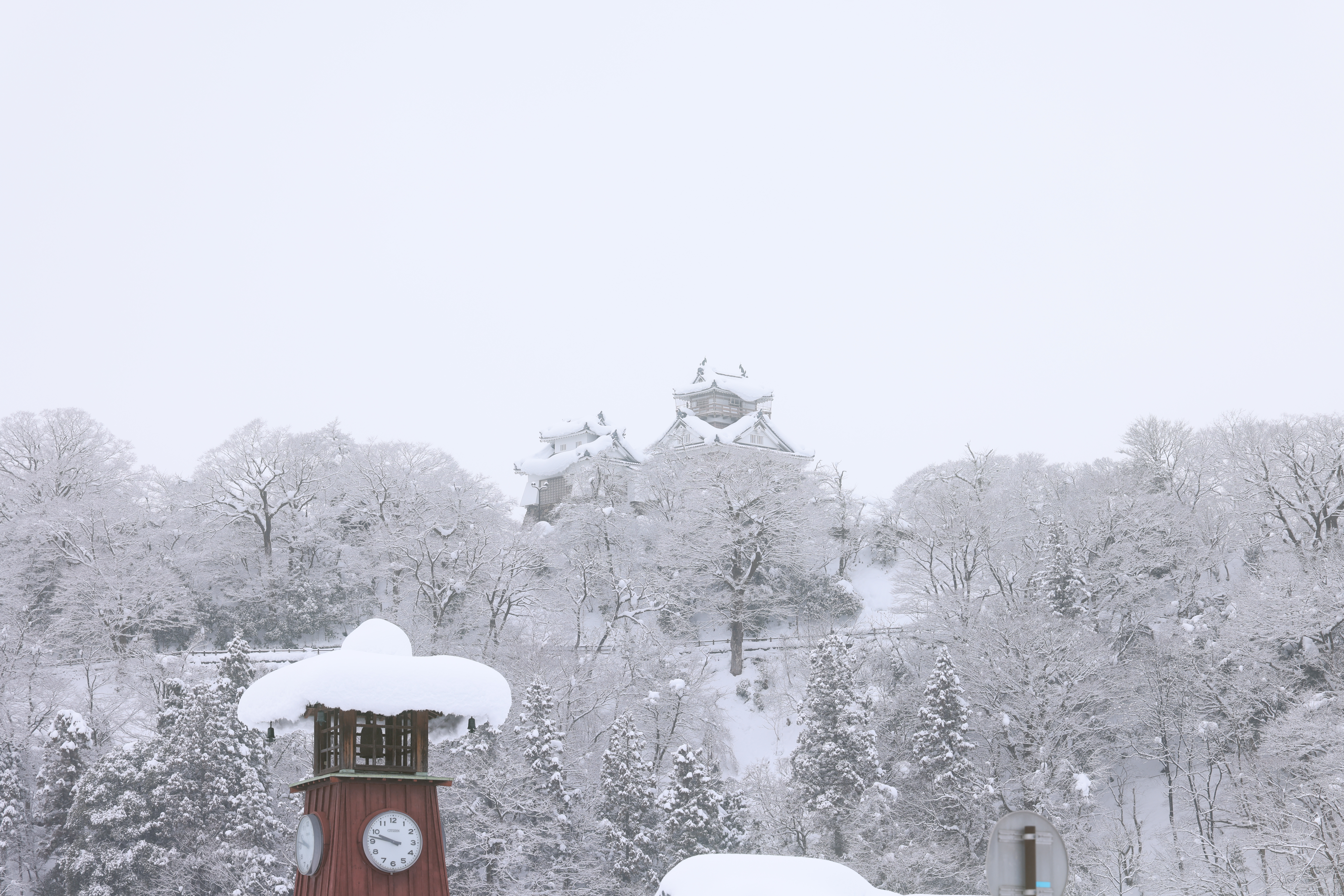
We began in Ono, a castle town often referred to as the "Little Kyoto of Hokuriku." Echizen Ono Castle sits atop a hill, and on misty winter mornings,
Ono is also known as a town of pure spring water. Clear water flows throughout the town, and local residents still draw it from public wells for daily life.
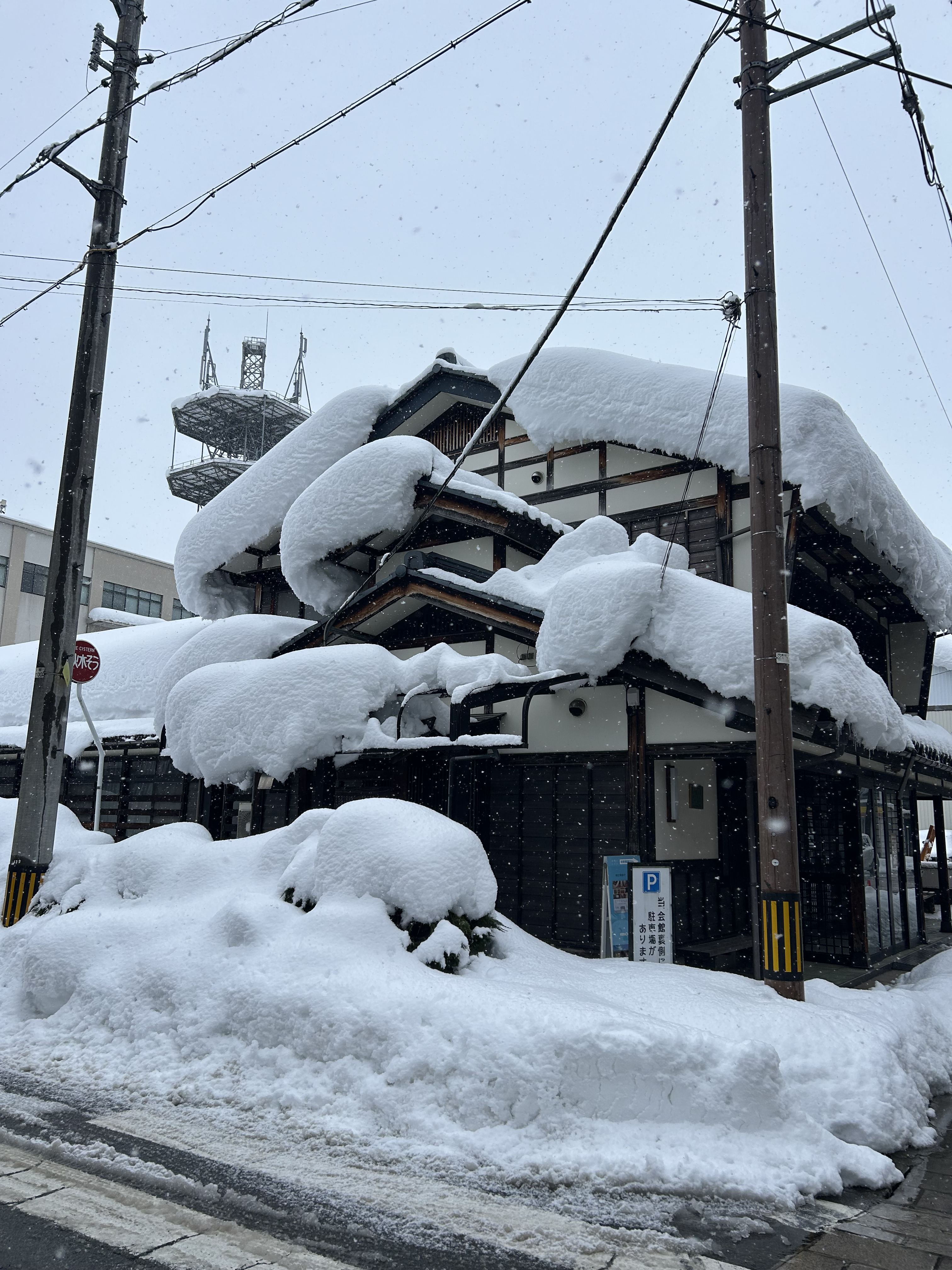
Ono is also known as a town of pure spring water. Clear water flows throughout the town, and local residents still draw it from public wells for daily life.
As we continued our walk, we reached Teramachi, the temple district where several temples stand close together, creating a calm and contemplative atmosphere. In winter, with snow softly covering the streets, the town reveals a quiet beauty that feels far removed from modern life.
Spiritual Immersion at Eiheiji
The most profound stop of our journey was Eiheiji Temple, one of the two main temples of the Soto school of Zen Buddhism. Nestled in a deep cedar forest, the temple complex is a labyrinth of 70 buildings connected by covered walkways.
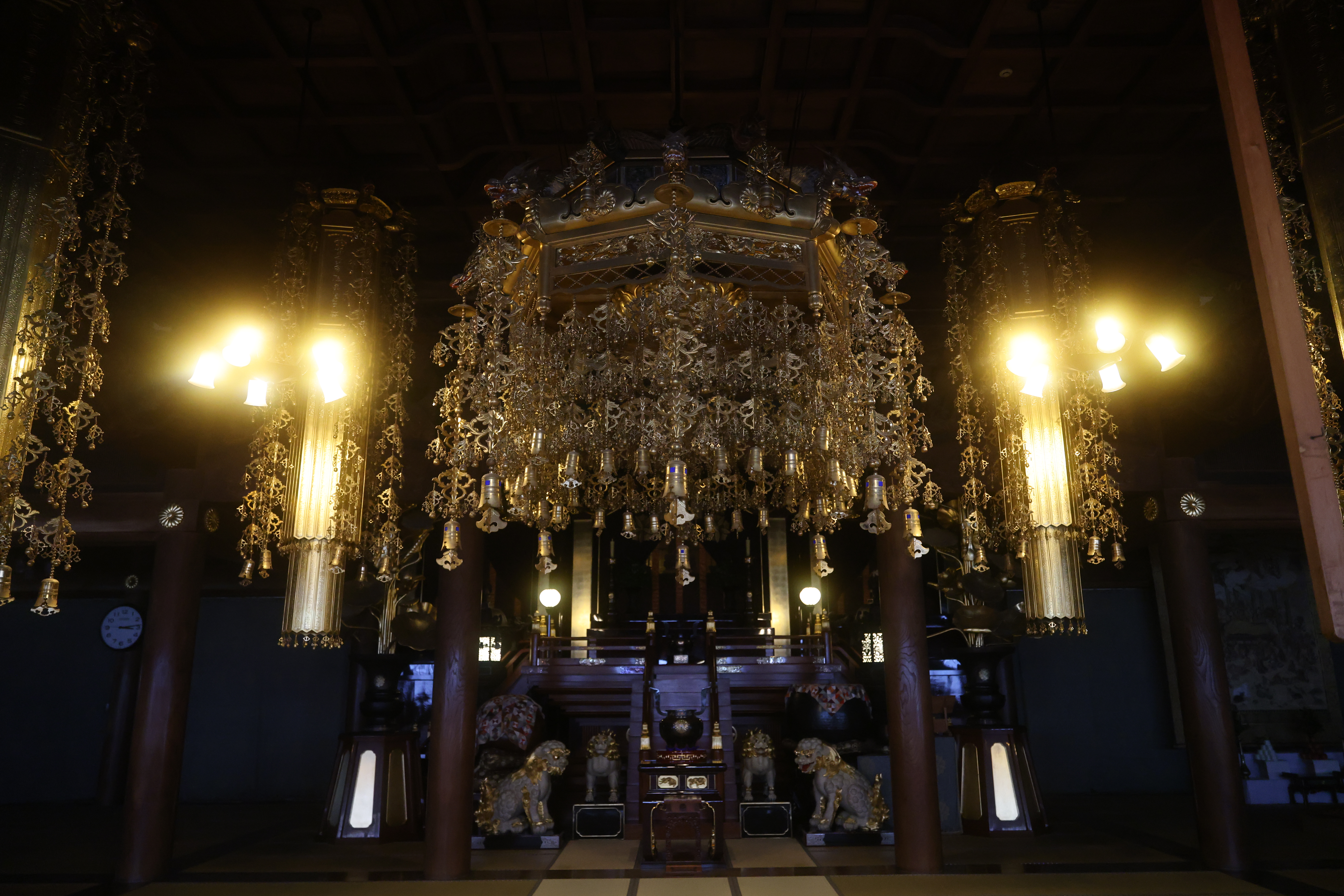
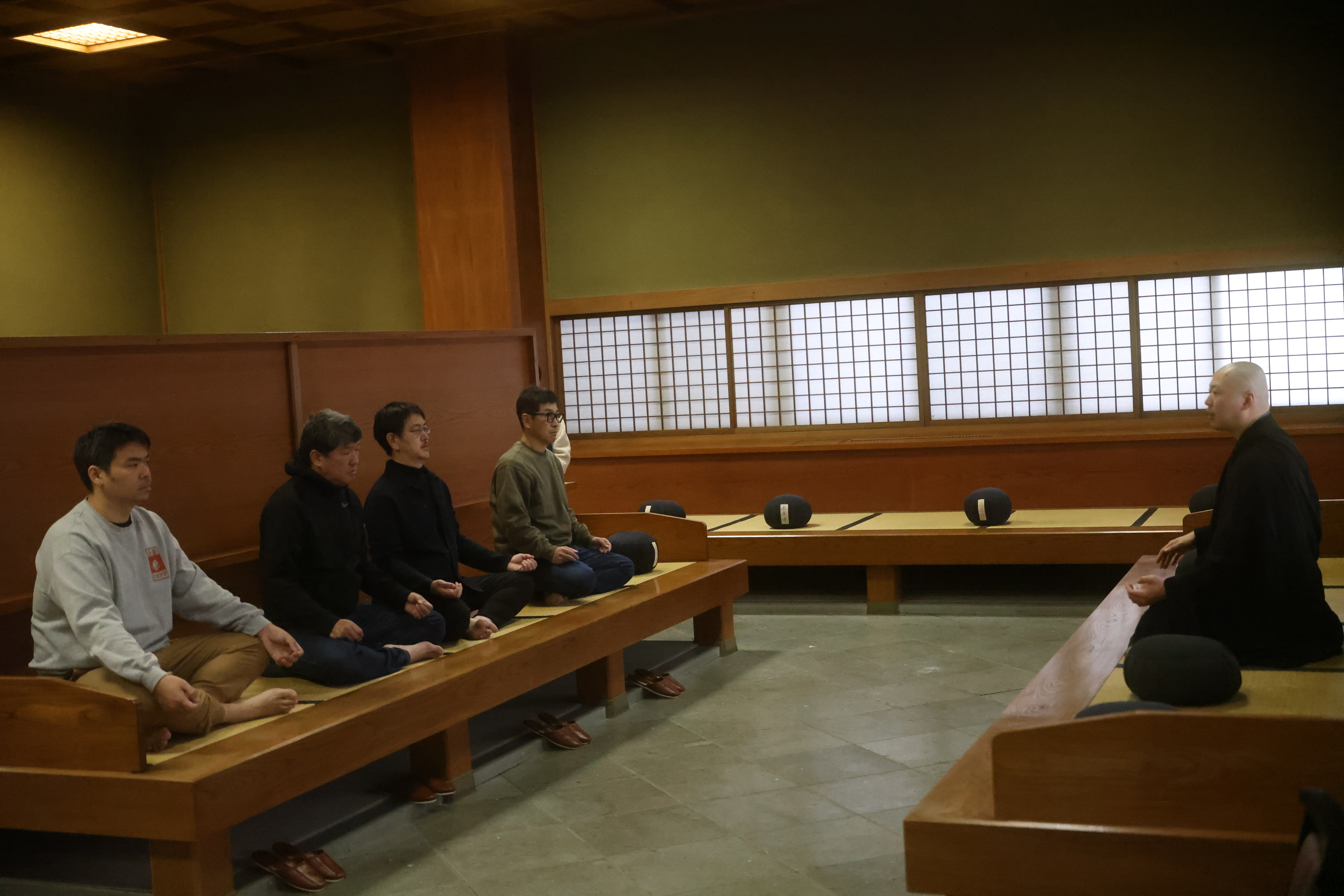
We participated in a Zazen experience, sitting in the silent meditation hall as the winter wind whistled through the ancient trees. The discipline of Zen—focusing on posture and breath while letting thoughts pass like clouds—offered a stark contrast to the busy commercial history of the coast. By stepping away from everyday life and the outside world, my thoughts gradually became clearer.
The King of Winter: Echizen Gani
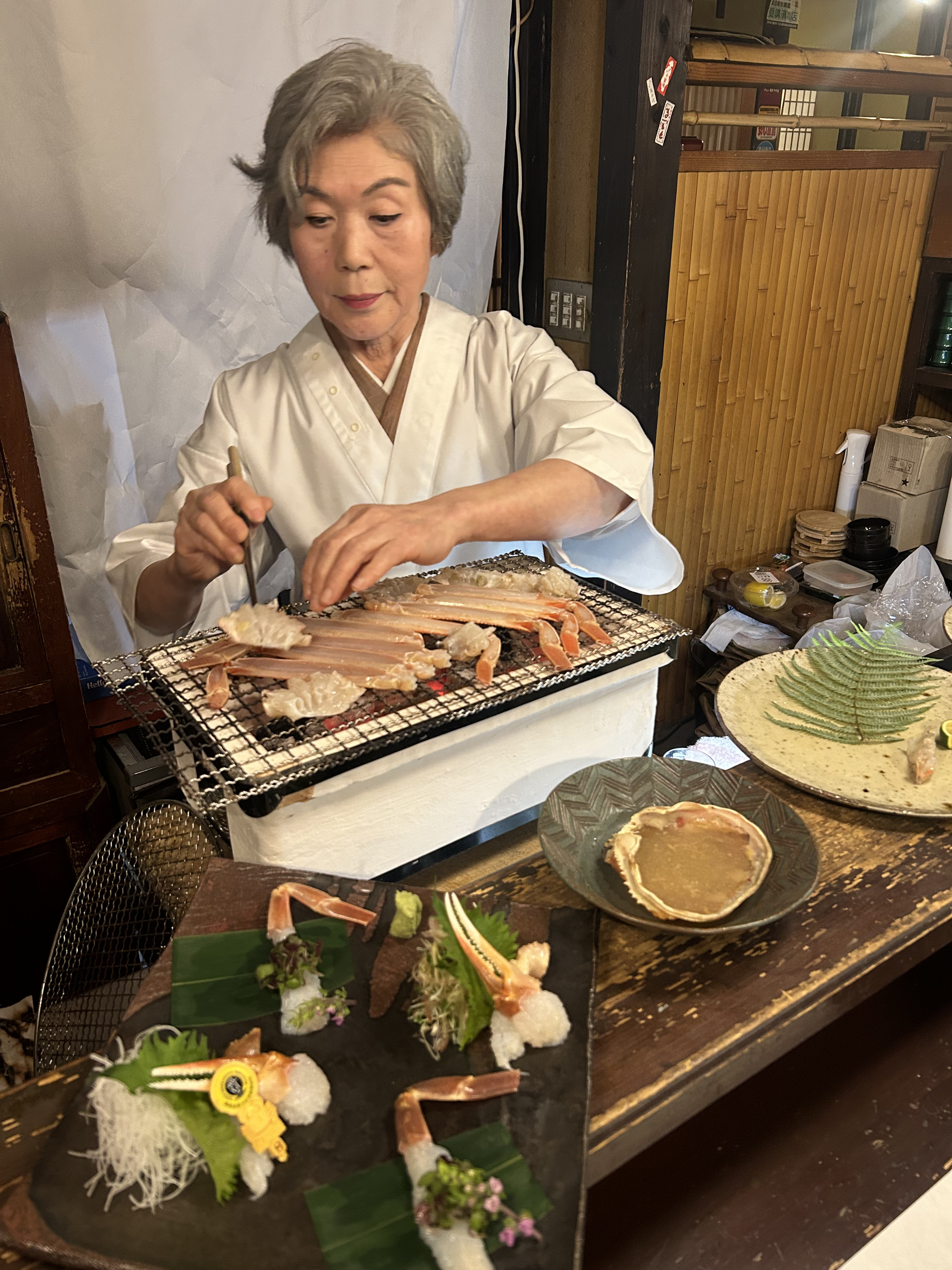
No professional travel blog about Fukui would be complete without mentioning the Echizen Gani (Echizen Crab). This is the only crab in Japan presented to the Imperial Family, and its harvest is the defining event of the winter calendar. At Uoshiro in Mikuni Minato, we enjoyed the final dinner of our trip. The crab, marked with its signature yellow tag to prove its origin, was served steamed to preserve its natural sweetness. The meat is firm, but the kani-miso (crab paste) provides a rich, creamy finish that tastes of the cold, deep Sea of Japan.
Part IV: Reflections on the Northern Route
As we look back on the journey from the samurai walls of Kanazawa to the Zen halls of Eiheiji, a pattern emerges. The Kitamaebune were more than just ships; they were the architects of the Hokuriku identity. They brought the wealth that allowed these towns to flourish, but they also brought a spirit of exploration and cultural fusion. They created a region that is fiercely proud of its history but equally committed to excellence in the modern day.
Traveling this route in winter requires a certain appreciation for the "gray beauty" of the Sea of Japan. The skies may be heavy with snow clouds, but the warmth found inside a Yamashiro onsen or at a kappo counter in Kaga is incomparable.
Conclusion: The Sea That Connects Us
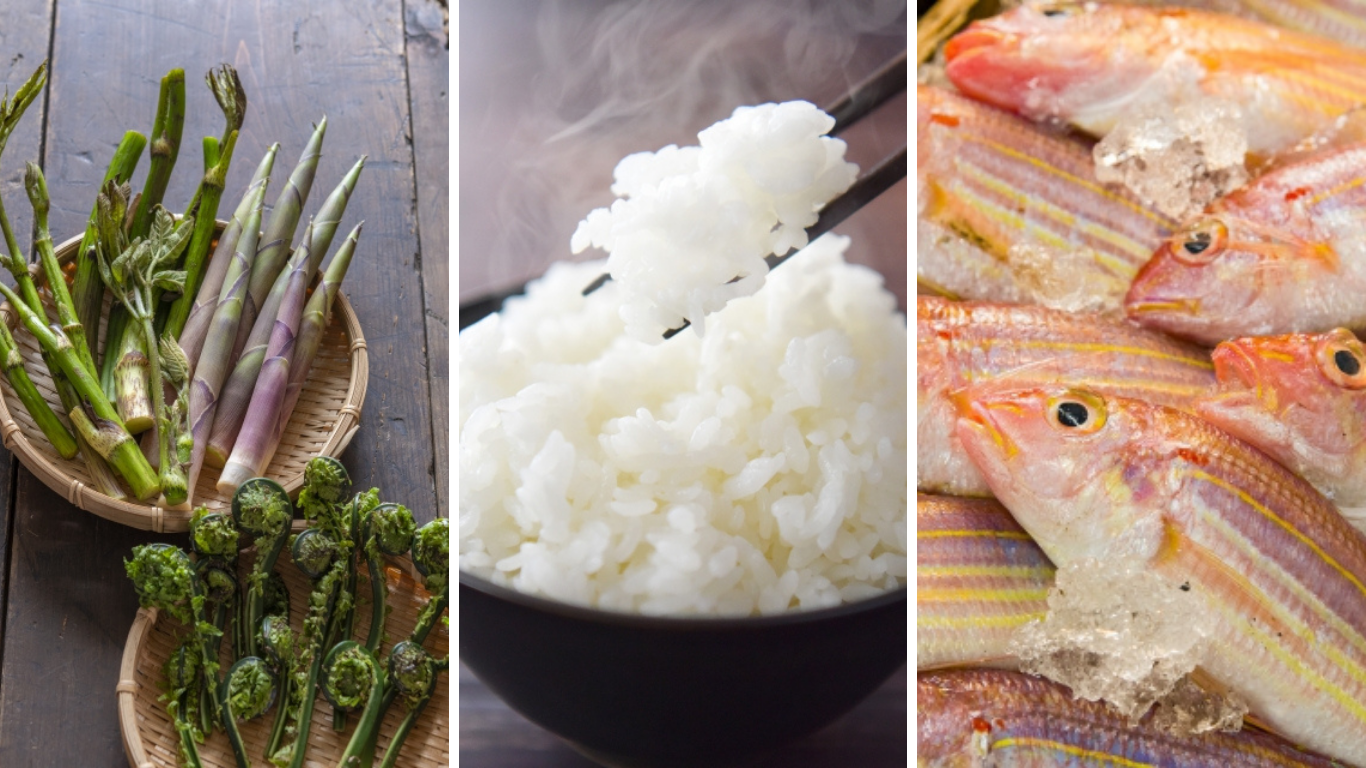
The legacy of the Kitamaebune reminds us that commerce, art, and spirituality are inseparable. Every bite of nodoguro in Ishikawa, every glass-blown sculpture in Toyama, and every moment of silence in Fukui is a tribute to a history defined by the waves.
This winter, as you stand on the shores of the Sea of Japan or walk through the quiet halls of a mountain temple, look out toward the horizon.
The white sails of the merchant ships may be gone, but their spirit is very much alive in the hospitality, the history, and the unmatched flavors of the Hokuriku region.
-About the Author-
Takahito Katsuta
CEO of GOEN Thailand. Based in Bangkok, he is a travel writer who explores Japan’s regional food culture, traditional crafts, and local ways of life.
Through his work, he highlights how natural environments, local ingredients, producers, and artisans shape the cultural identity of each region. His writing introduces the richness of Japan’s regional cultures to audiences both in Japan and overseas.


.png)
.png)
.png)
.png)
.png)
.png)
.png)
.png)
.png)
.png)
.png)
.png)
.png)
.png)
.png)
.png)
.png)
.png)
.png)
.png)
