
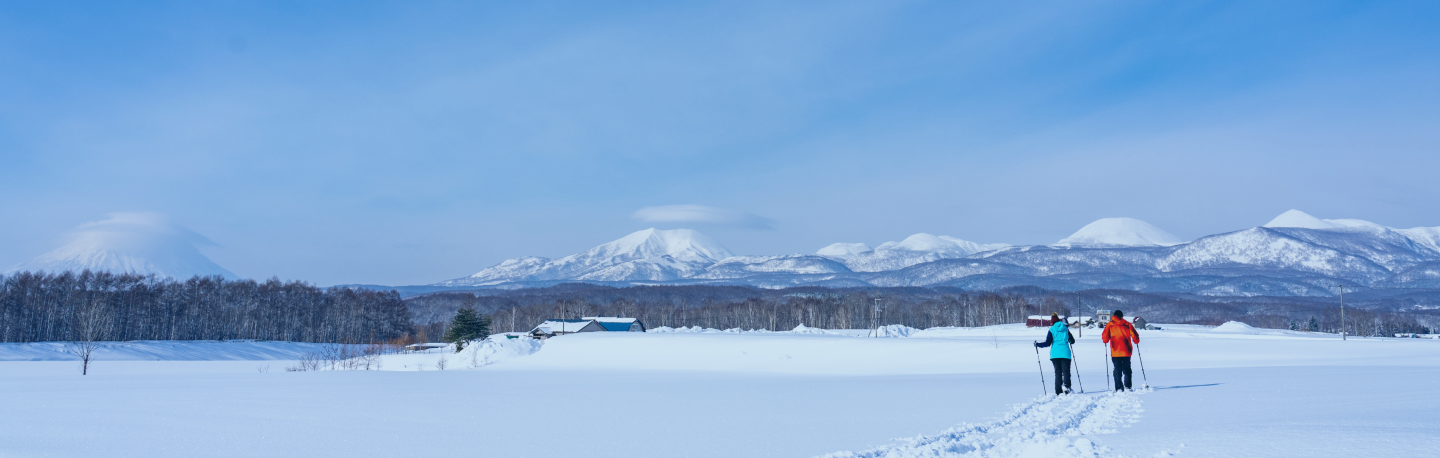
Where Quiet Becomes Luxury — Hokuriku


True luxury is not found in crowds or spectacle.
It lies in quiet, deeply fulfilling moments—moments in which the mind slowly begins to unwind.
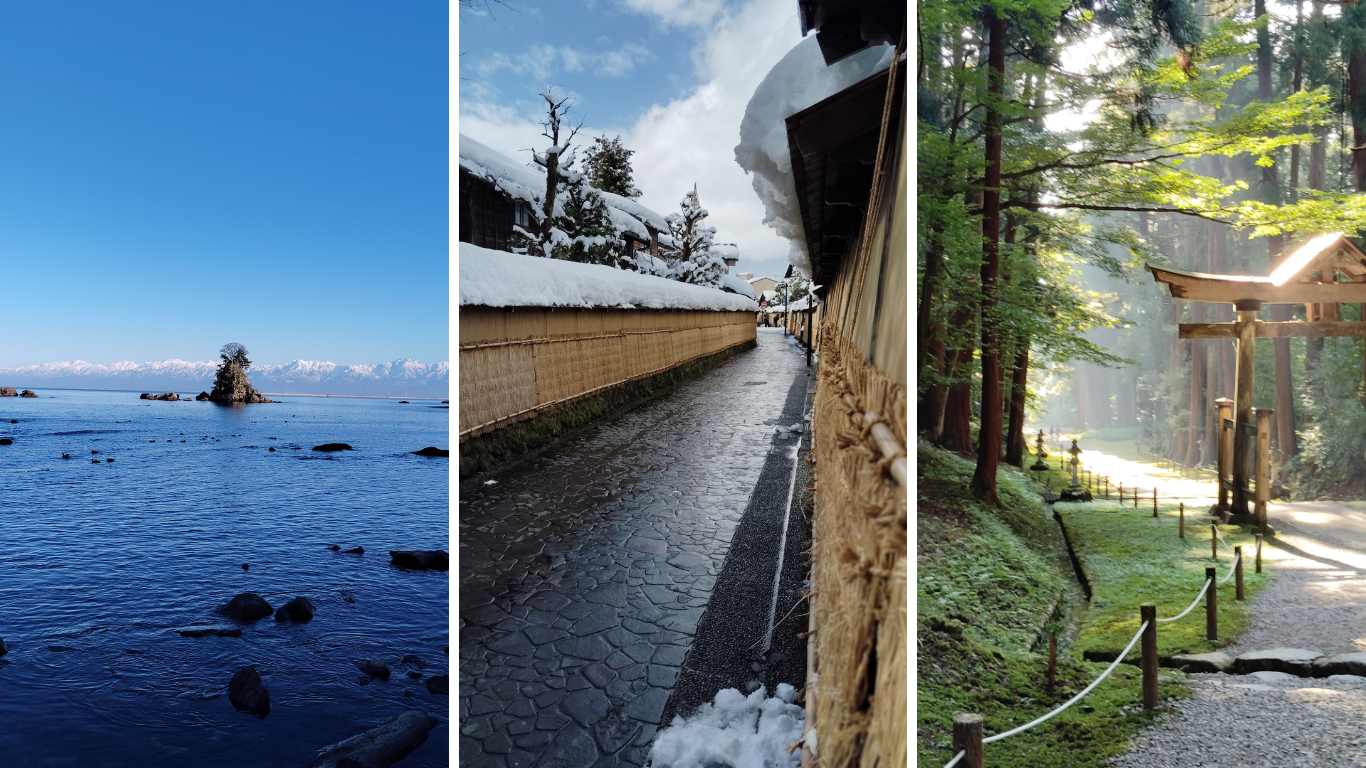
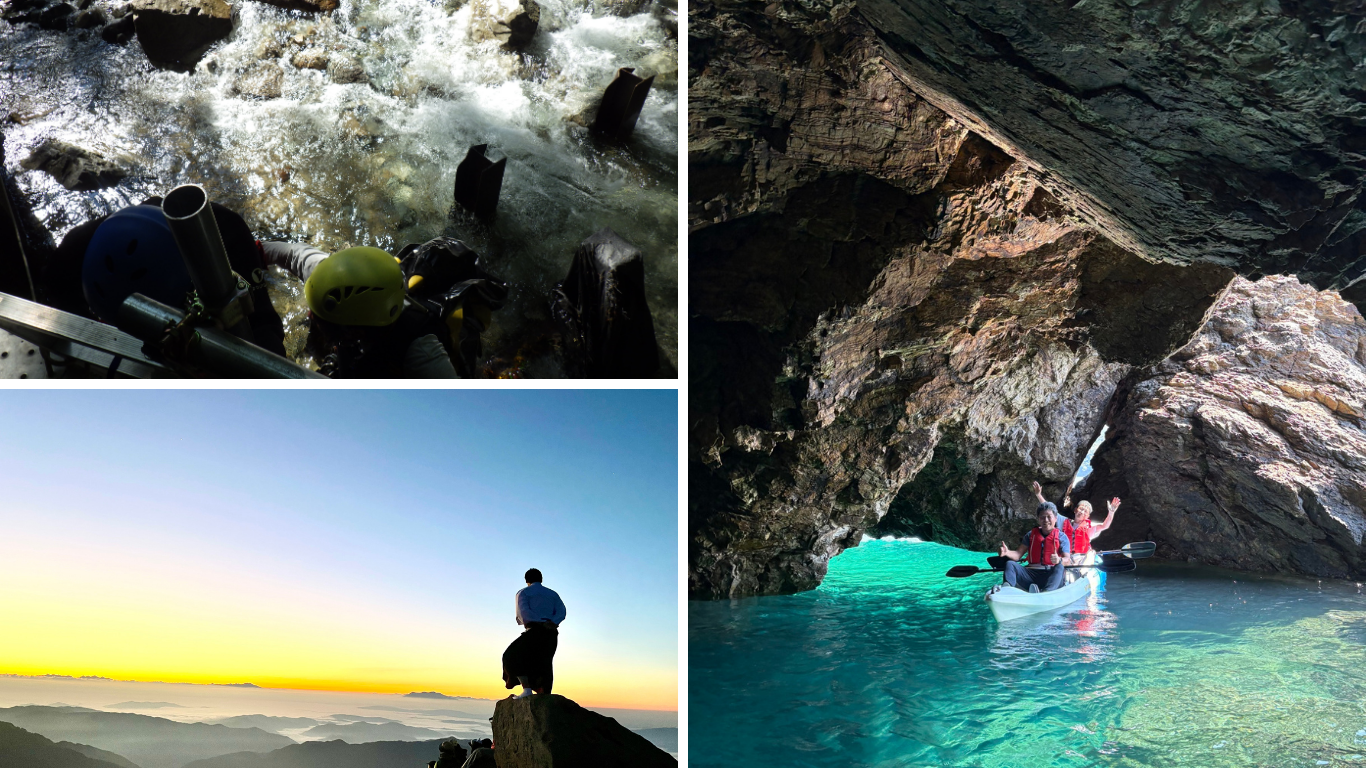
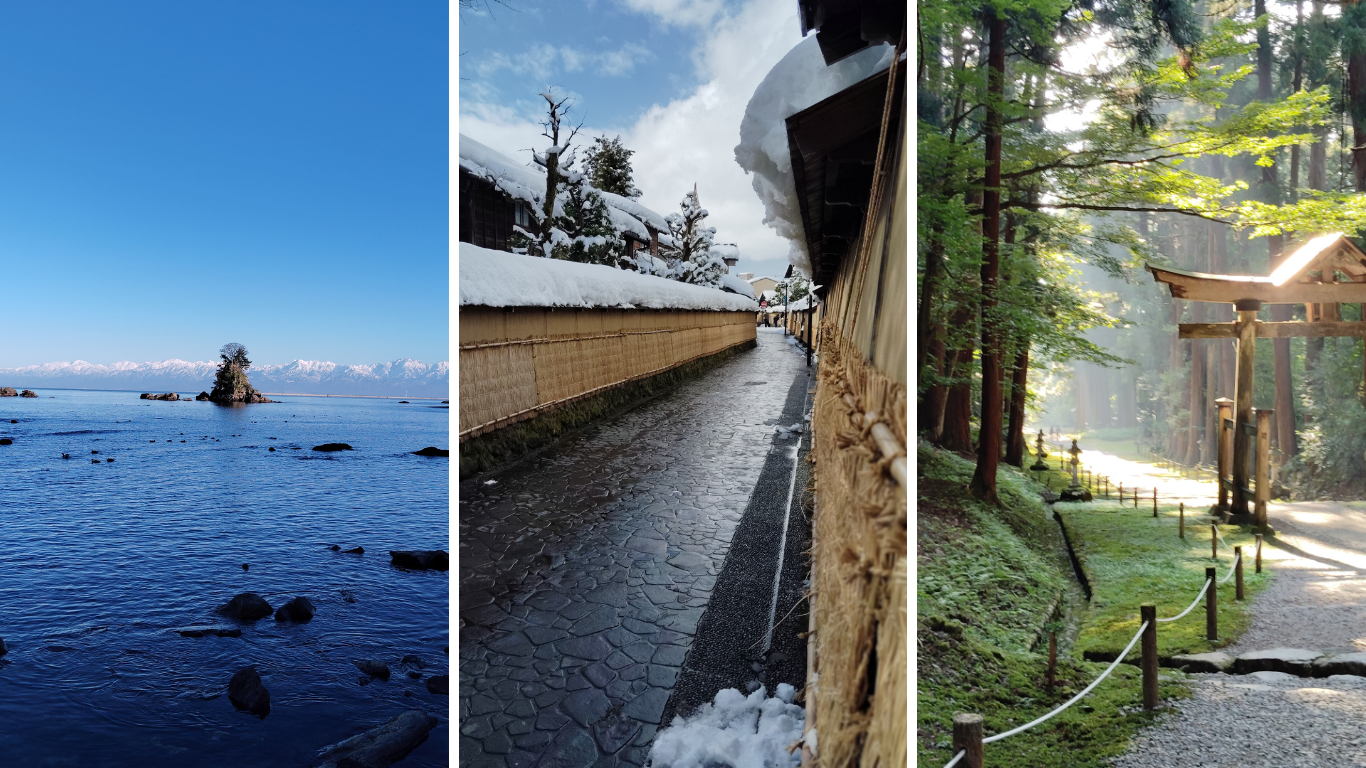
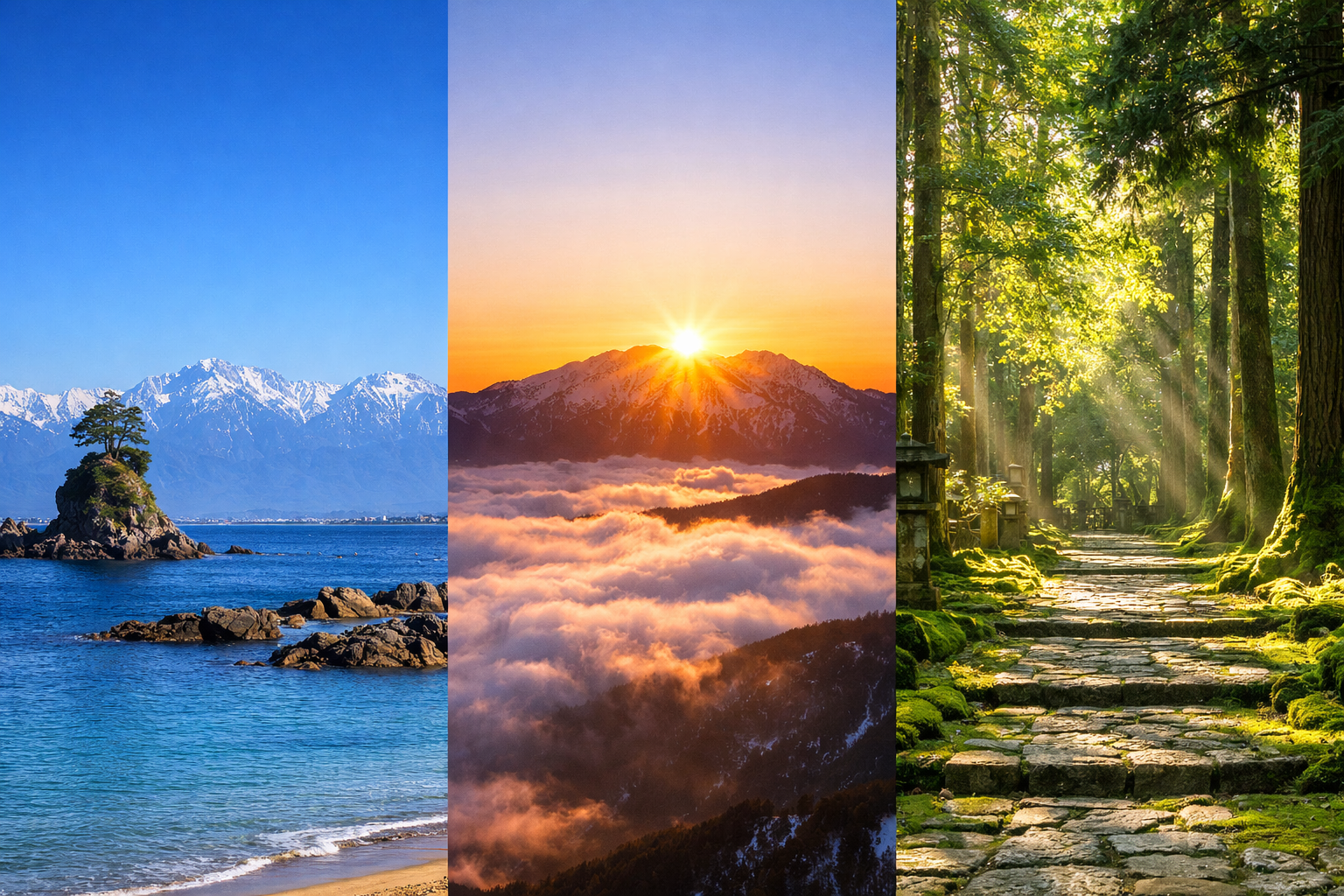
Cradled by the Sea of Japan and mountain ranges, Hokuriku is a place where nature speaks in a quiet voice. Its clear air, gently flowing valleys, and forests and gardens that change with the seasons all shape the experience of staying here. In Hokuriku, the landscape is never just a backdrop; it becomes part of the journey itself.
In summer, cool breezes sweep through the highlands, where deep greenery and crystal-clear water glow in the sunlight. In autumn, the mountains turn red and gold, creating a landscape of refined color. In winter, snow absorbs every sound and wraps the region in a silvery stillness. Time itself seems to slow.
Nature in Hokuriku is not something to simply look at. It is something to step into, breathe in, and experience with all five senses. In this region, where nature and culture have come into harmony over centuries, the landscape itself can feel like a work of art.
In the following pages, we introduce seasonal scenes from Toyama, Ishikawa, and Fukui. We hope Hokuriku’s essential beauty will stay with you as inspiration for your next journey.
Toyama — Gokayama
A Quiet Way of Life in a Living World Heritage Village
Deep in the mountain valleys of southwestern Toyama lies Gokayama, a village designated as a UNESCO World Cultural Heritage site in 1995.
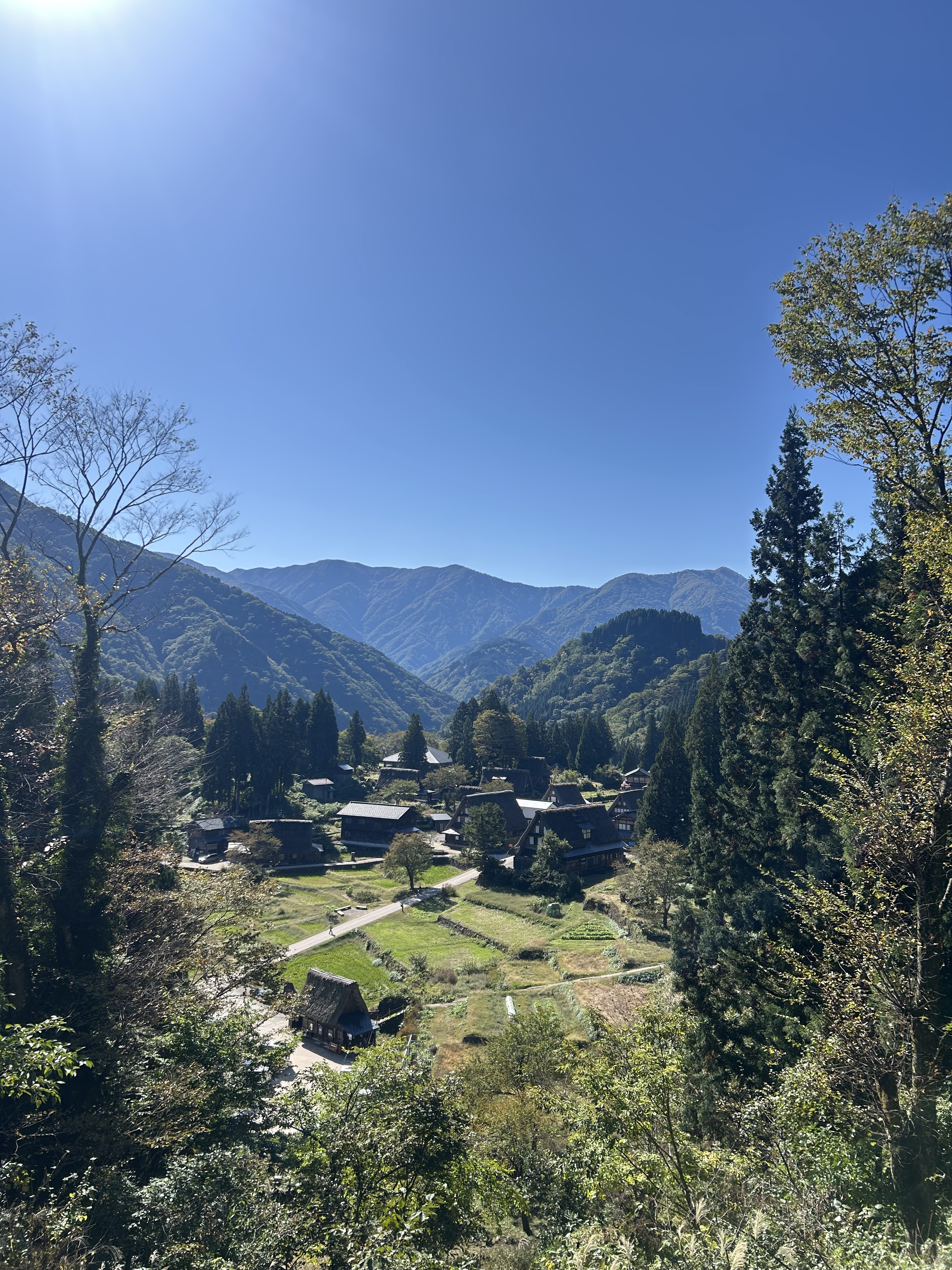
Its landscape—where traditional gassho-zukuri farmhouses stand in harmony with a peaceful mountain setting—has been highly valued as a nostalgic and deeply authentic image of rural Japan. Shaped by life in a region known for heavy snowfall, Gokayama offers not only architectural beauty but also a way of life rooted in resilience and adaptation.
The steeply pitched thatched roofs were designed to withstand deep winter snow. The spacious interiors supported sericulture and papermaking, reflecting generations of ingenuity shaped by the natural environment. Gokayama is not a place where the past is simply preserved. It is a living heritage site, where daily life still continues.
Compared with nearby Shirakawa-go, which is also a World Heritage site, Gokayama feels more secluded and far less crowded. While Shirakawa-go is widely known, Gokayama offers a quieter experience and a closer connection to nature.
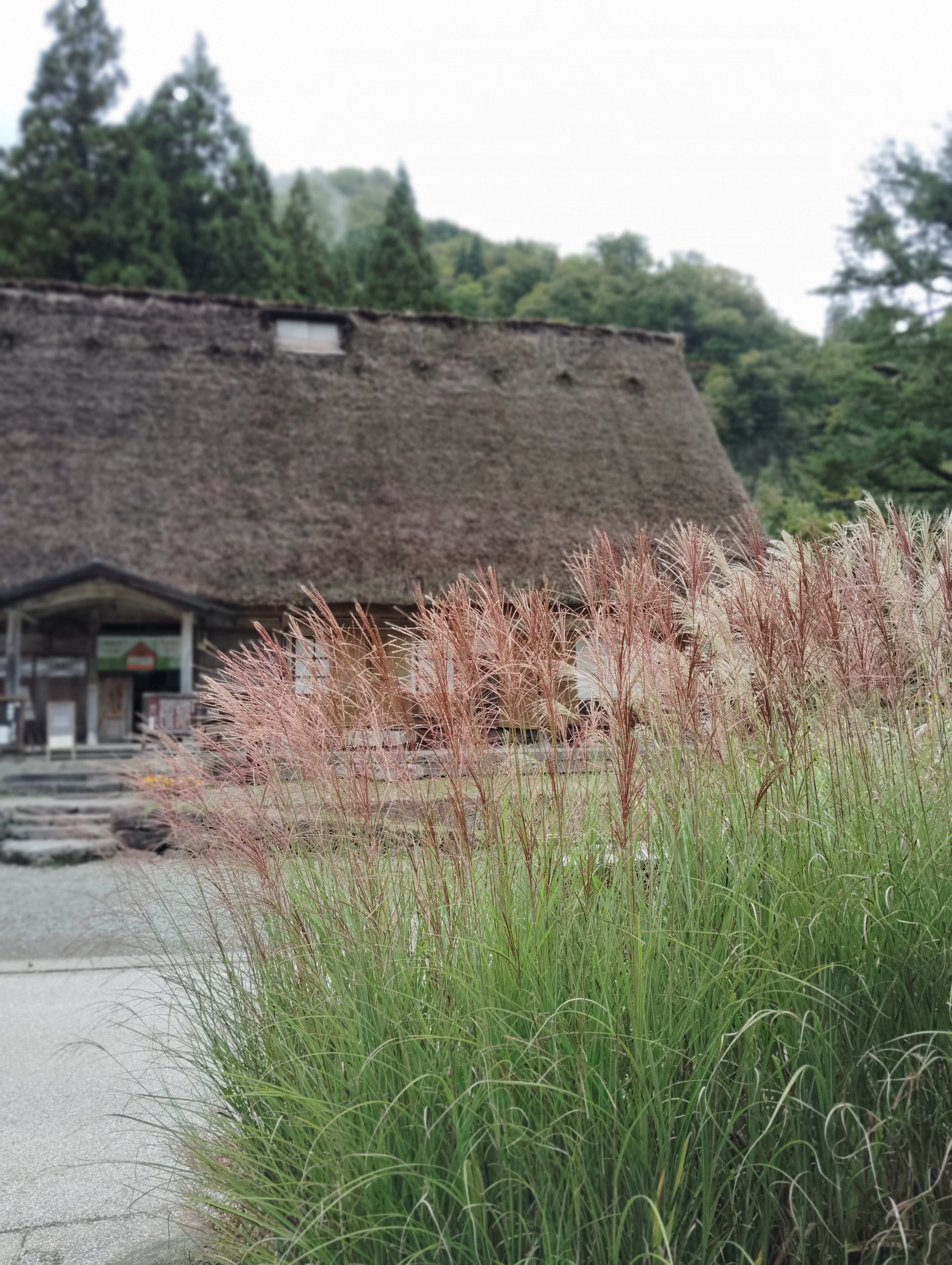
In summer, the surrounding mountains deepen into lush green, and the thatched houses seem to melt into the vivid landscape. Clear air and the sound of running water create a sense of calm, while evening light softens the entire village. It is a place where time moves more slowly.
In autumn, the mountains turn red and gold, creating a striking contrast with the dark thatched roofs. On misty mornings, the village takes on an almost dreamlike atmosphere, as though you had stepped into a painting. It is the season when nature’s colors feel most layered and complete.
Gokayama also offers the chance to experience traditional washi papermaking. Made from pure water and mulberry fibers, washi here is a direct expression of the region’s natural blessings. Making a single sheet by hand becomes a quiet way to connect with life in the mountain village.
A visit to Gokayama offers more than sightseeing. It offers a way of seeing—an understanding of how to live with nature, how not to rush time, and how quiet places can leave the deepest impression. Even after you return home, the time spent here may continue to gently reshape your idea of what richness truly means.
https://gokayama-info.jp/en/
Toyama — Shogawa Gorge in Winter
A Refined Silence Woven from Snow and Water
In the upper reaches of the Shogawa River lies Shogawa Gorge, a dramatic ravine that becomes especially beautiful in winter.
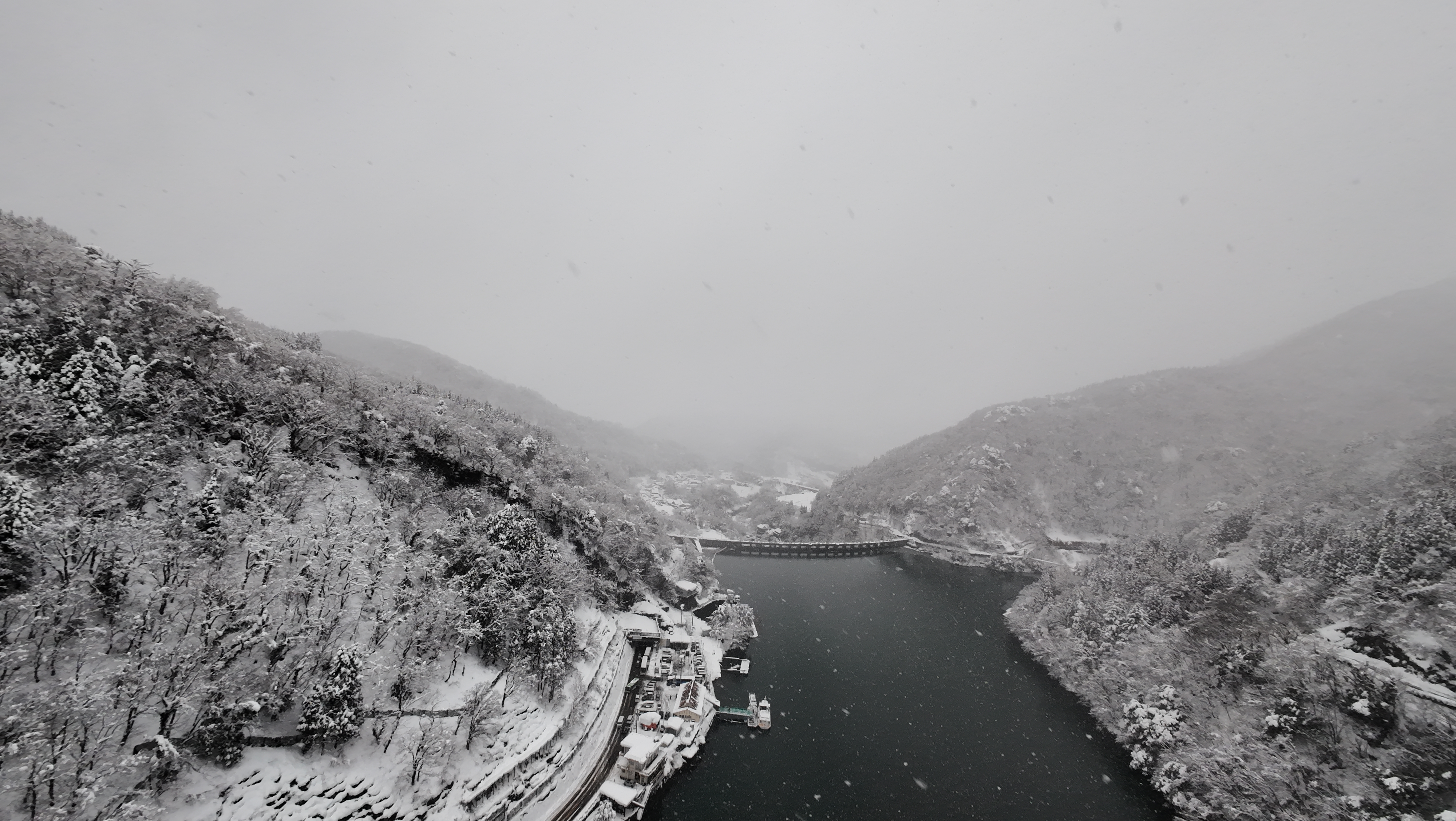
At this time of year, snow blankets the landscape, and the mountains and lake surface come together in a single, quiet composition. White-edged cliffs rise above deep emerald water, creating a delicate contrast that gives the scenery extraordinary depth.
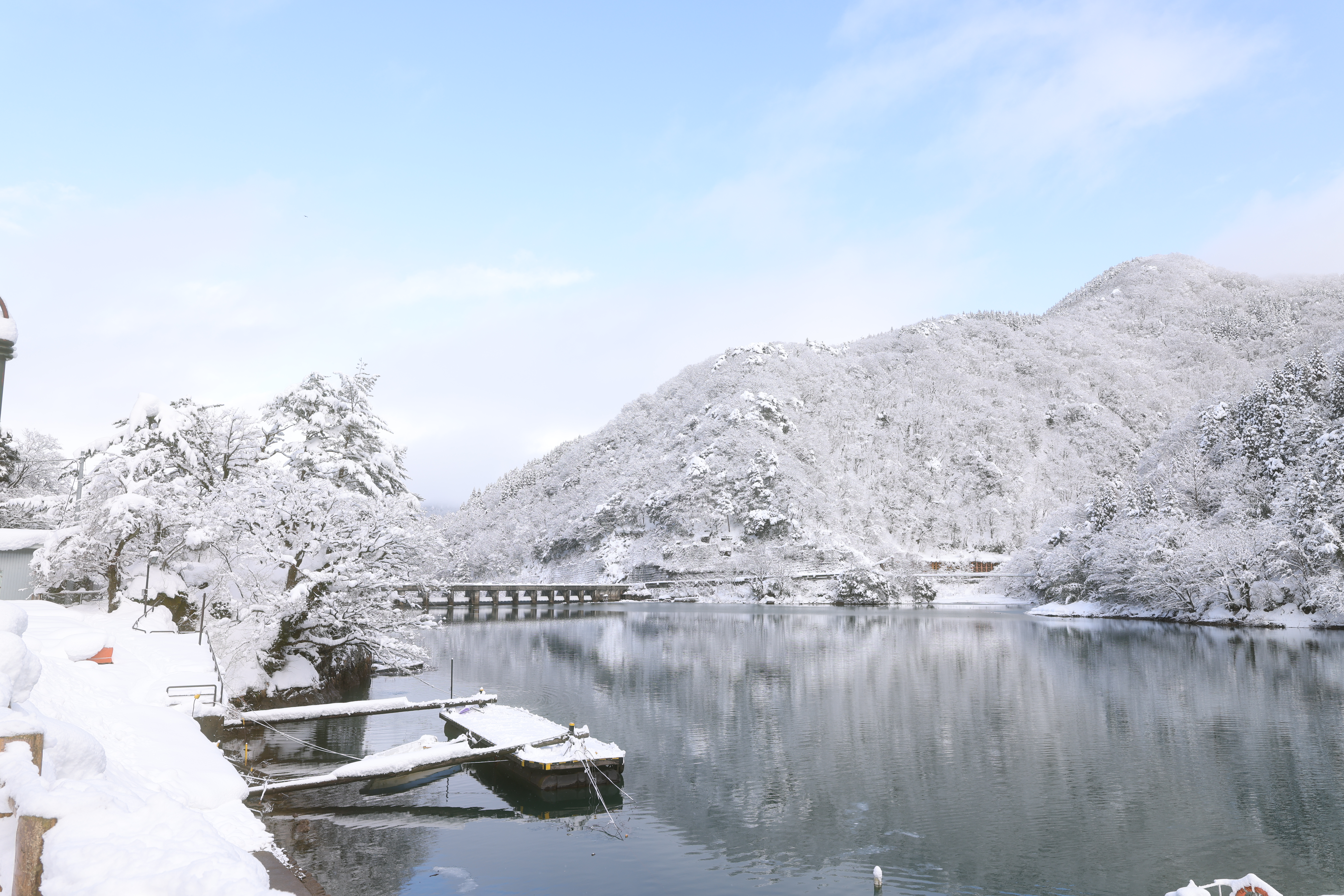
One of the best ways to experience this landscape is from a slow-moving sightseeing boat. From the warmth of the cabin, you can watch the scenery unfold in silence: snow-covered peaks reflected on the water, white resting on steep rock walls, and soft winter light filtering across the gorge. It is an uninterrupted view of nature at its most composed.

What is especially striking is the scale of the cliffs, which can only truly be appreciated from the boat. Seen from just above the water, the rock walls appear far higher than expected, their snow-covered surfaces rising in stillness. The angle and closeness reveal a grandeur impossible to feel from the road.
The Shogawa River once served as an important route for transporting people and goods to Gokayama. Along this waterway lies Omaki Onsen, a secluded hot spring inn accessible only by boat. Even today, the cruise remains the only way to reach it, making the journey across the lake part of the experience itself.
In winter, when snow absorbs sound and the air turns perfectly clear, the scale of nature feels even more pronounced. There is no dramatic staging here—only a complete landscape shaped by nature itself. As the boat moves slowly forward, time begins to feel different, and the rhythm of everyday life quietly falls away.
https://www.shogawa-yuran.co.jp/e/index.html
Ishikawa — Yamanaka Onsen in Autumn
Kaga’s Colors Along Kakusenkei Gorge
Tucked into the mountains of Kaga, Yamanaka Onsen is a hot spring town where autumn arrives in rich, layered color.
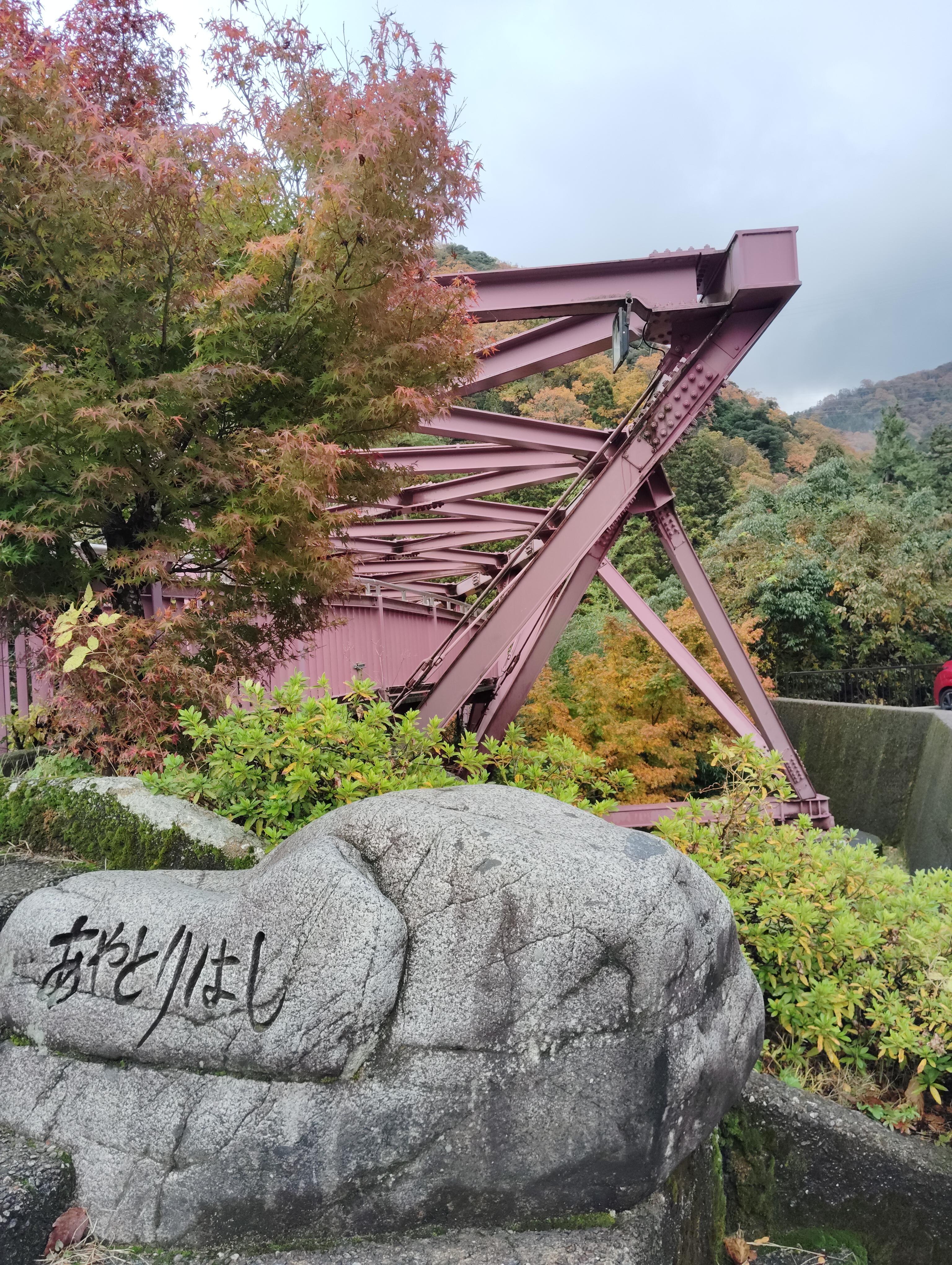
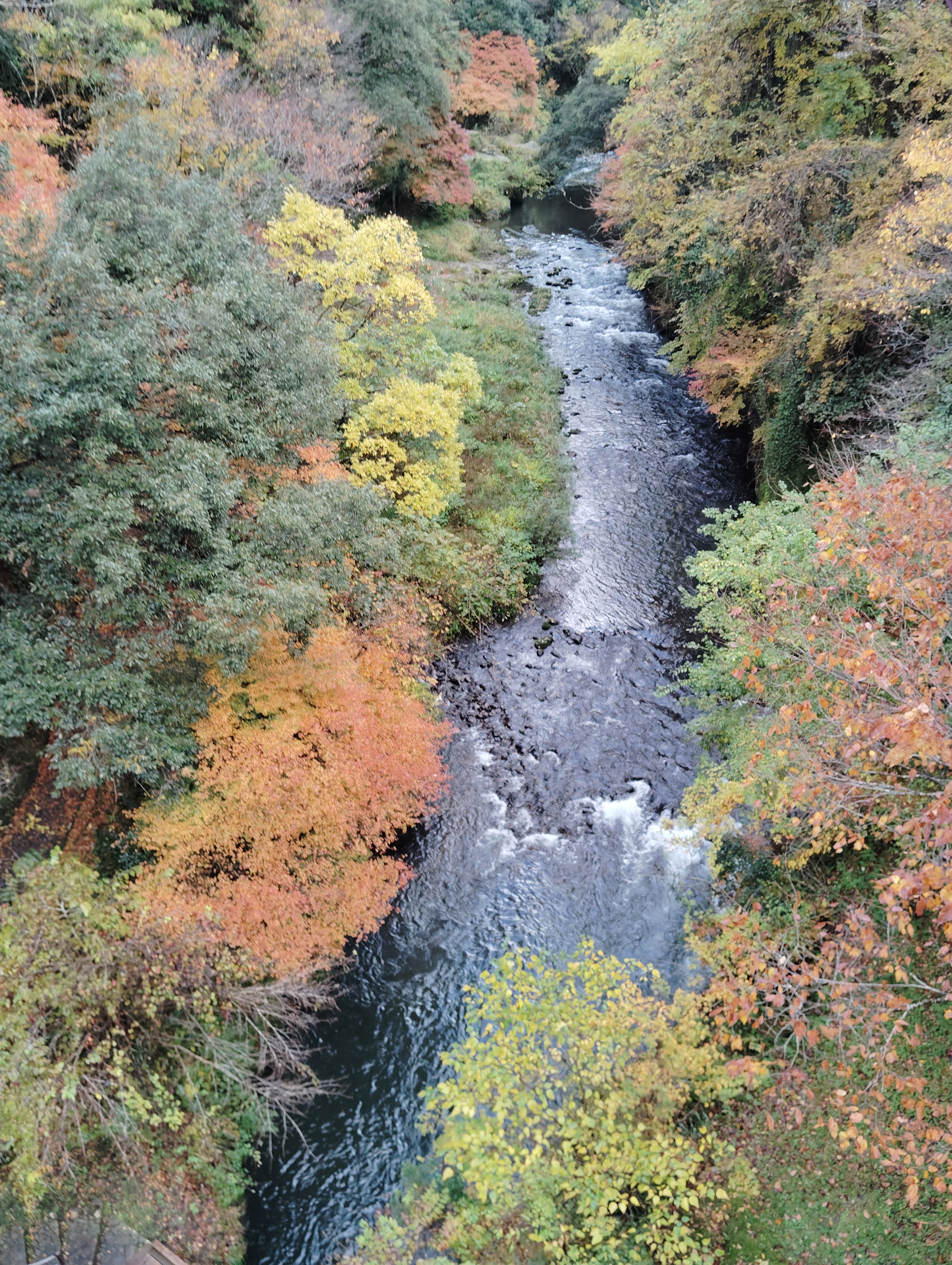
At the heart of its seasonal beauty is Kakusenkei Gorge, where crimson and gold leaves reflect in the clear river below. As water and foliage merge, the landscape takes on a quiet depth. Each shift of light changes the colors on the surface, and no moment feels quite the same as the one before.
Walking along the riverside path, you are accompanied by the steady sound of flowing water. Views from Ayatori Bridge and Korogi Bridge change throughout the day—clear and luminous in the morning, deeper and more shadowed toward evening—revealing the mature beauty of autumn in Kaga.
There is also the pleasure of simply sitting by the river with Japanese sweets and matcha. With the colored gorge before you and the sound of the stream in the background, the moment feels complete without needing any special performance. Time spent slowly in nature becomes part of what makes a stay here so memorable.
The hot spring town itself grows more charming the more you walk through it. Stone-paved lanes, small workshops and galleries, and storefronts displaying Yamanaka lacquerware create an atmosphere of quiet refinement. The town is not large, but that intimacy allows its local aesthetic to be felt more deeply. Pausing, picking up a piece of lacquerware, and exchanging a few words with a shop owner—these small moments enrich the journey.
Yamanaka lacquerware is known for its finely turned wooden forms and smooth curves that sit naturally in the hand. Light yet dignified, these pieces choose refinement over extravagance. When local cuisine is served on them at an inn, the meal becomes more than something to taste—it becomes something to feel and see.
To soak in the hot spring, look out over Kakusenkei Gorge after your bath, and walk quietly through the town—this is the understated luxury of autumn in Yamanaka Onsen. It is a place where nature and culture blend seamlessly, leaving behind a soft and lasting impression.
https://allkaga.com/spot/kakusenkei-2/?lang=en
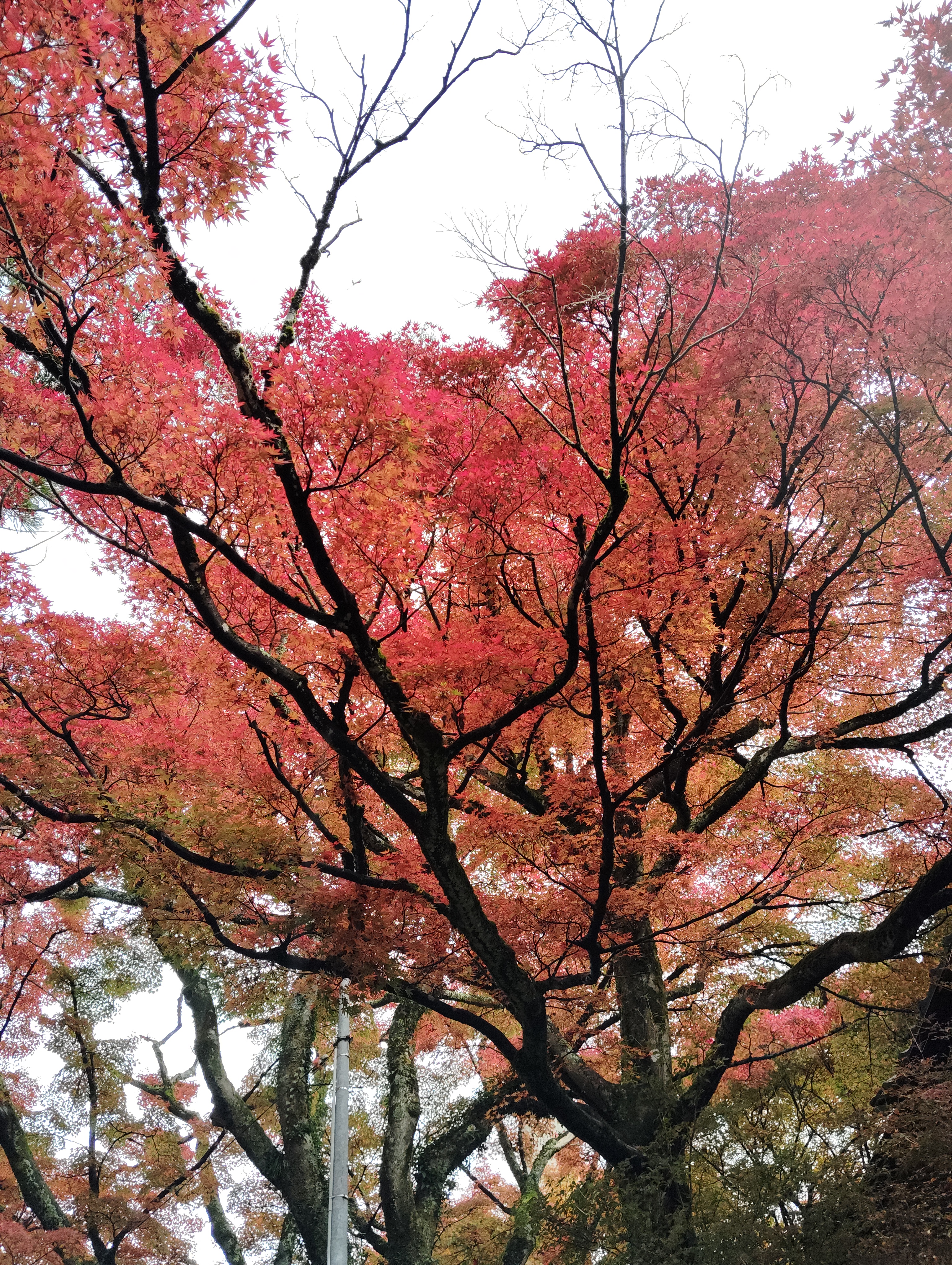
Ishikawa — Kenrokuen in Winter
The Beauty of a Japanese Garden Revealed by Snow
In the center of Kanazawa lies Kenrokuen, one of Japan’s three most celebrated gardens.
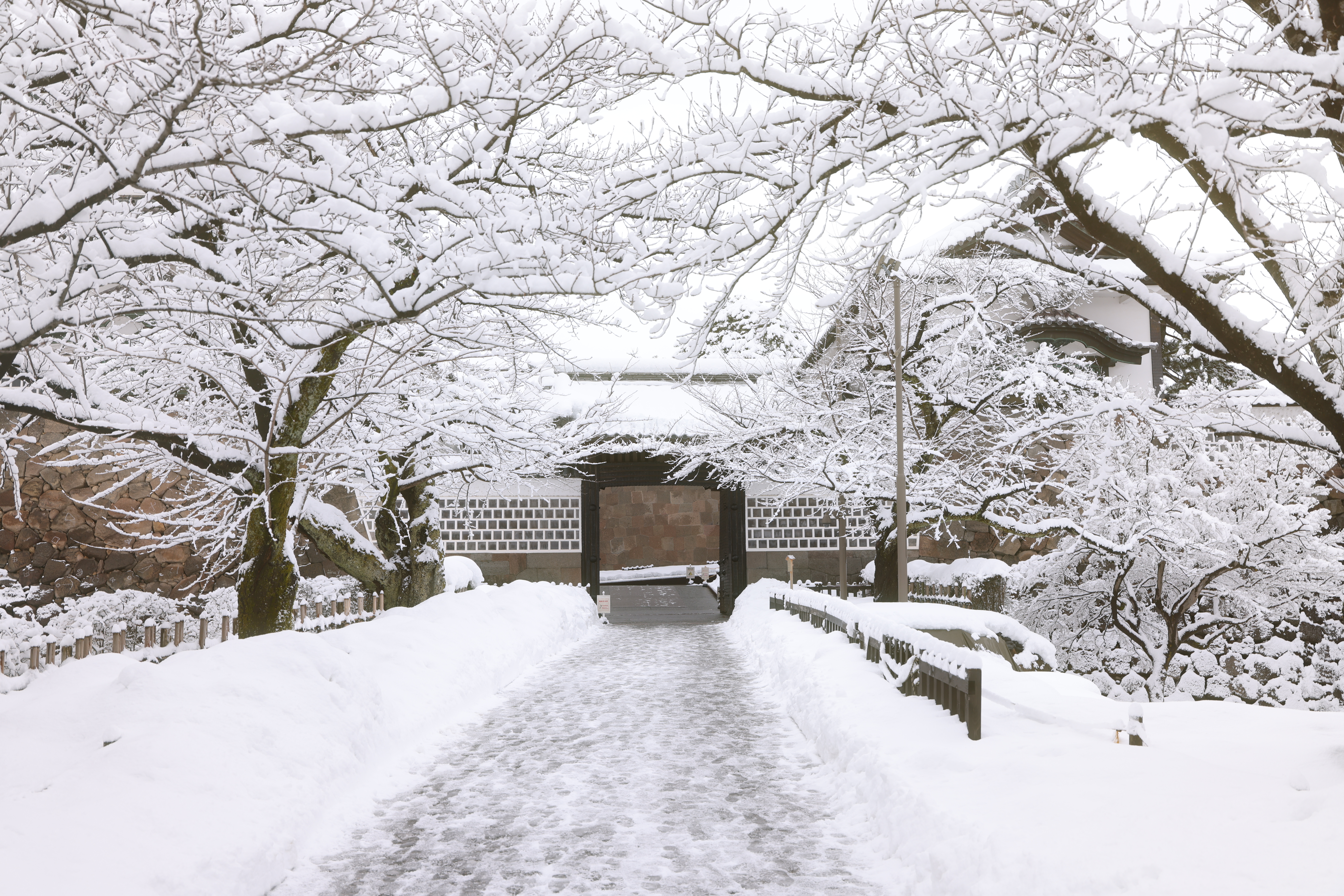
Its spacious grounds are carefully composed with ponds, artificial hills, teahouses, and winding streams, and the garden was designed as an ideal landscape embodying six classic qualities: spaciousness, seclusion, artifice, antiquity, water, and broad views. Winter is the season when this design philosophy becomes especially clear.
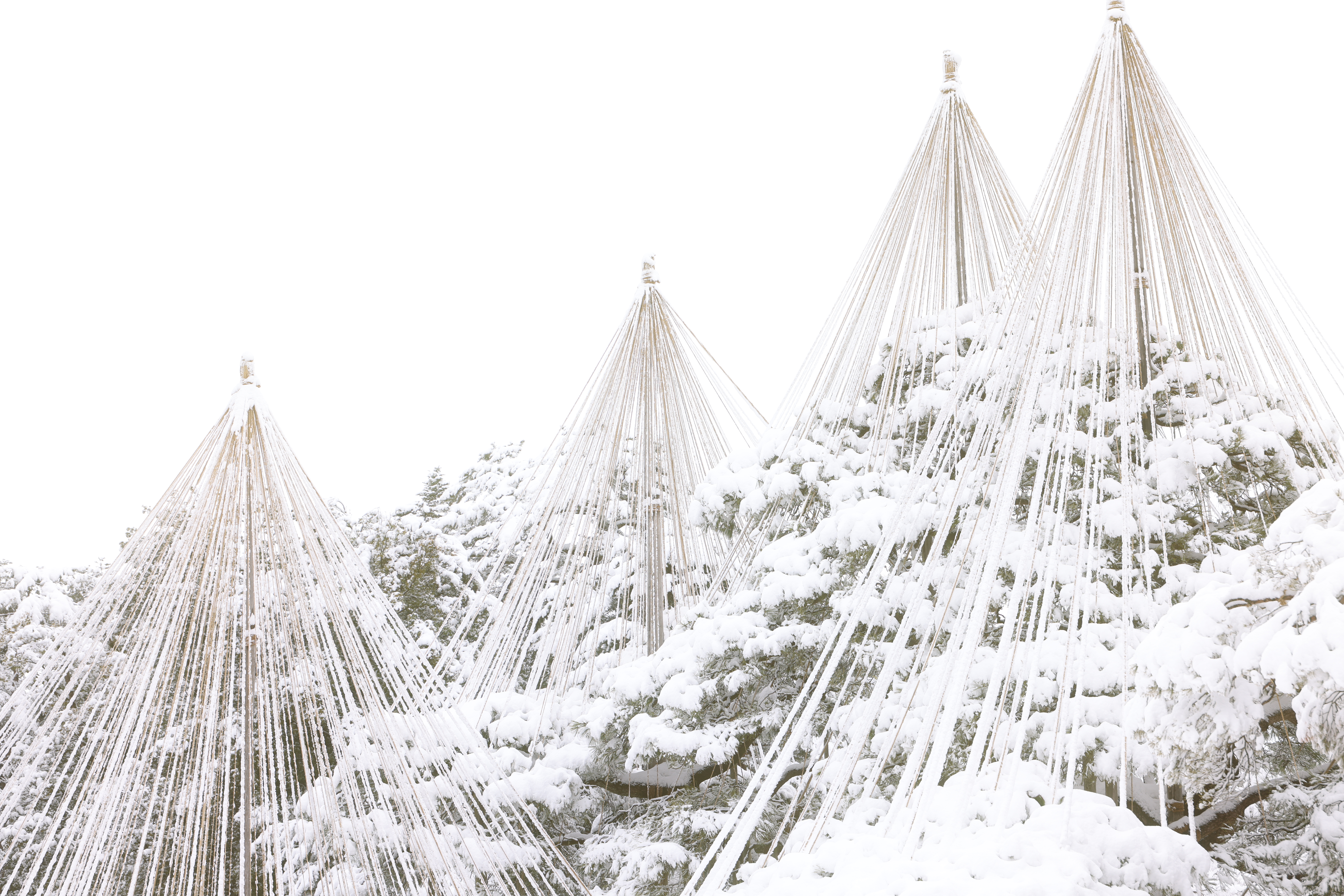
When the snow falls, the garden’s iconic yukitsuri—ropes stretched in a radial pattern to protect pine branches from breaking—appear across the grounds. Practical in purpose yet sculptural in form, they are one of Kenrokuen’s most recognizable winter features. Around the broad Kasumigaike Pond, the snow-covered Karasaki Pine and the famous Kotoji Lantern create a composition unique to this garden. In a landscape wrapped in white, line and negative space become even more striking.
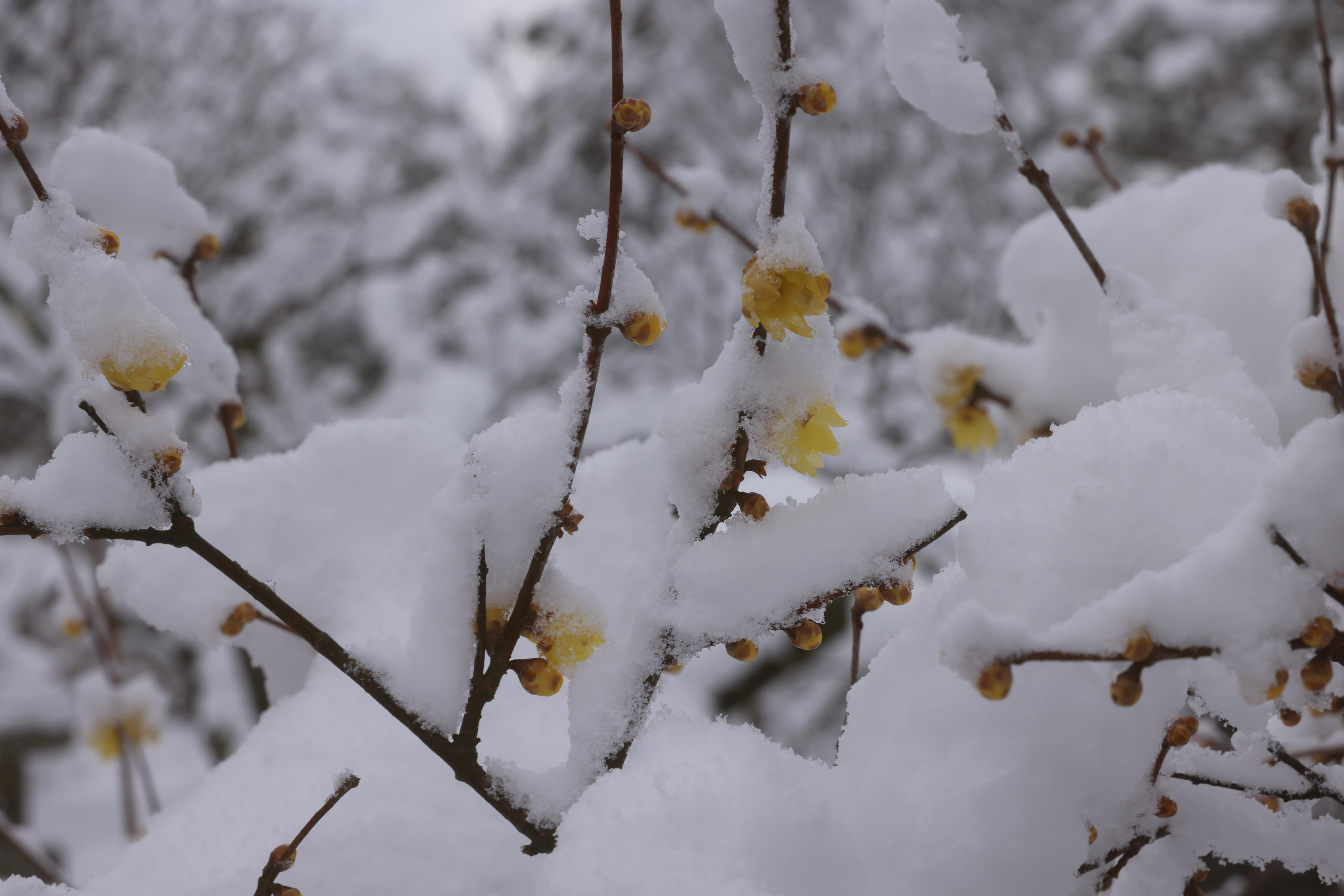
Because winter softens the garden’s colors, the early-blooming plum blossoms stand out all the more. Their pale pink and white flowers add a subtle contrast to the snowy scenery and bring a quiet warmth to the crisp air. It is a restrained kind of beauty found only in this season.
As you walk through the garden, the scenery continually changes—opening into wide views, then narrowing into wooded spaces. Carefully planned changes in elevation and the placement of water create new compositions with every step. Kenrokuen is not simply a place to view; it is a garden designed to be completed through walking.
Beside it stands Kanazawa Castle, whose snow-covered stone walls and turrets extend the beauty of the scene. The contrast between the delicacy of the garden and the strength of the castle creates a unified historic landscape found only in Kanazawa.
Another pleasure of visiting in winter is stopping at a teahouse for something warm while looking out over the snow-covered garden. In such a finely balanced setting, the aesthetic principles of the Japanese garden begin to feel not only visible, but physical—something quietly absorbed by the body.
https://www.pref.ishikawa.jp/siro-niwa/kenrokuen/e/index.html
Fukui — Heisenji and the Mountains of Okuetsu in Summer
A Japanese Landscape of Deep Stillness
Located in Katsuyama, Fukui Prefecture, Heisenji Hakusan Shrine was once a major center of the Hakusan faith and flourished as a vast religious complex in the medieval period. Though its grand history is now hidden deep within the forest, the spirit of that past still lingers quietly in the landscape.
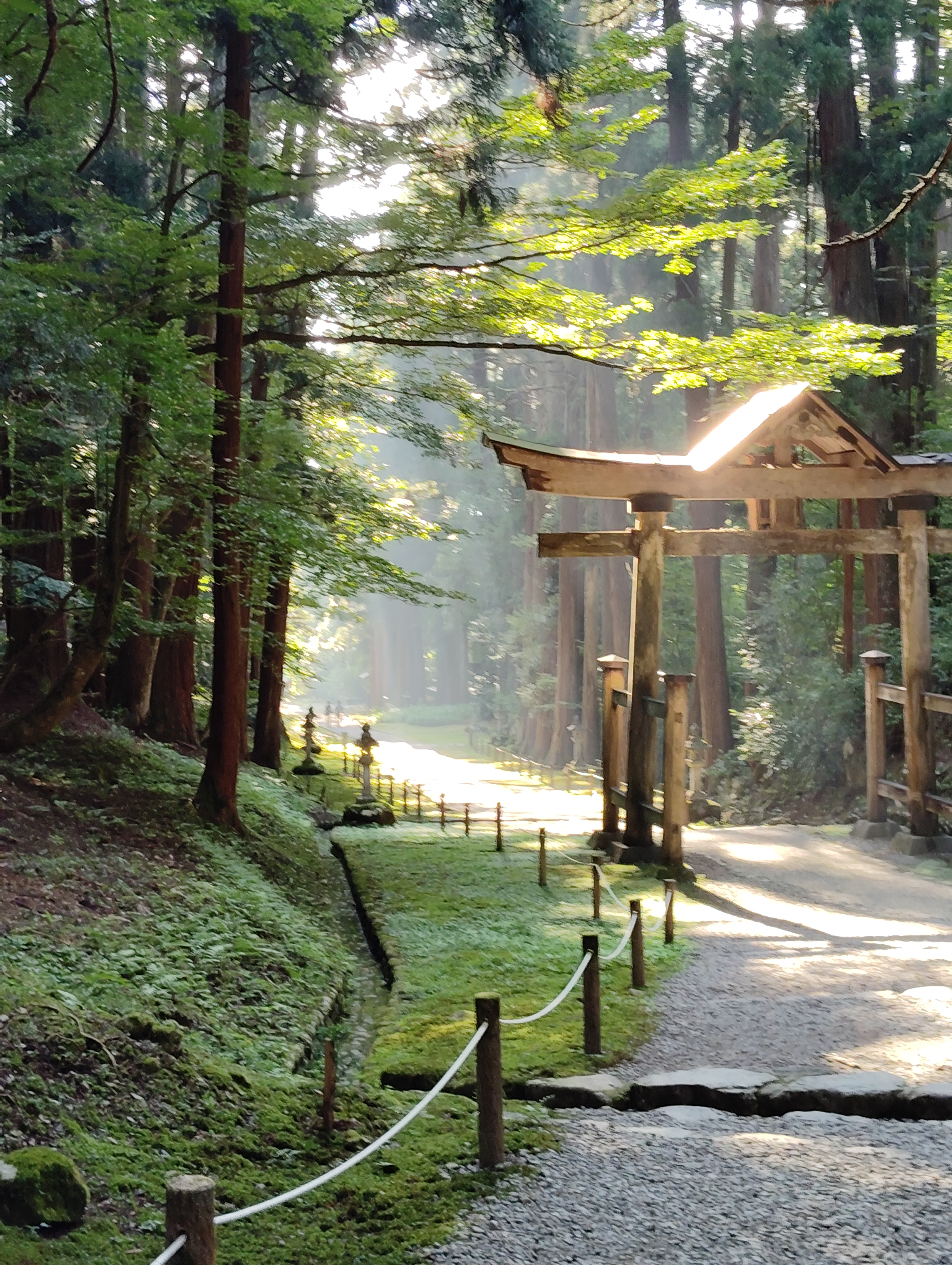
What defines Heisenji in summer is its extraordinary moss-covered grounds. Thick, soft moss spreads across the approach and forest floor, catching the light and filling the space with deep green. From June into July, when the rainy season brings abundant moisture, the moss becomes especially vivid and the shrine is at its most beautiful.
Sunlight filtering through the cedar trees creates delicate variations of light and shadow across the moss. Footsteps are naturally absorbed, the air feels cool and clear, and with each step the mind seems to settle. In this space wrapped in green, even the passage of time feels gentler.
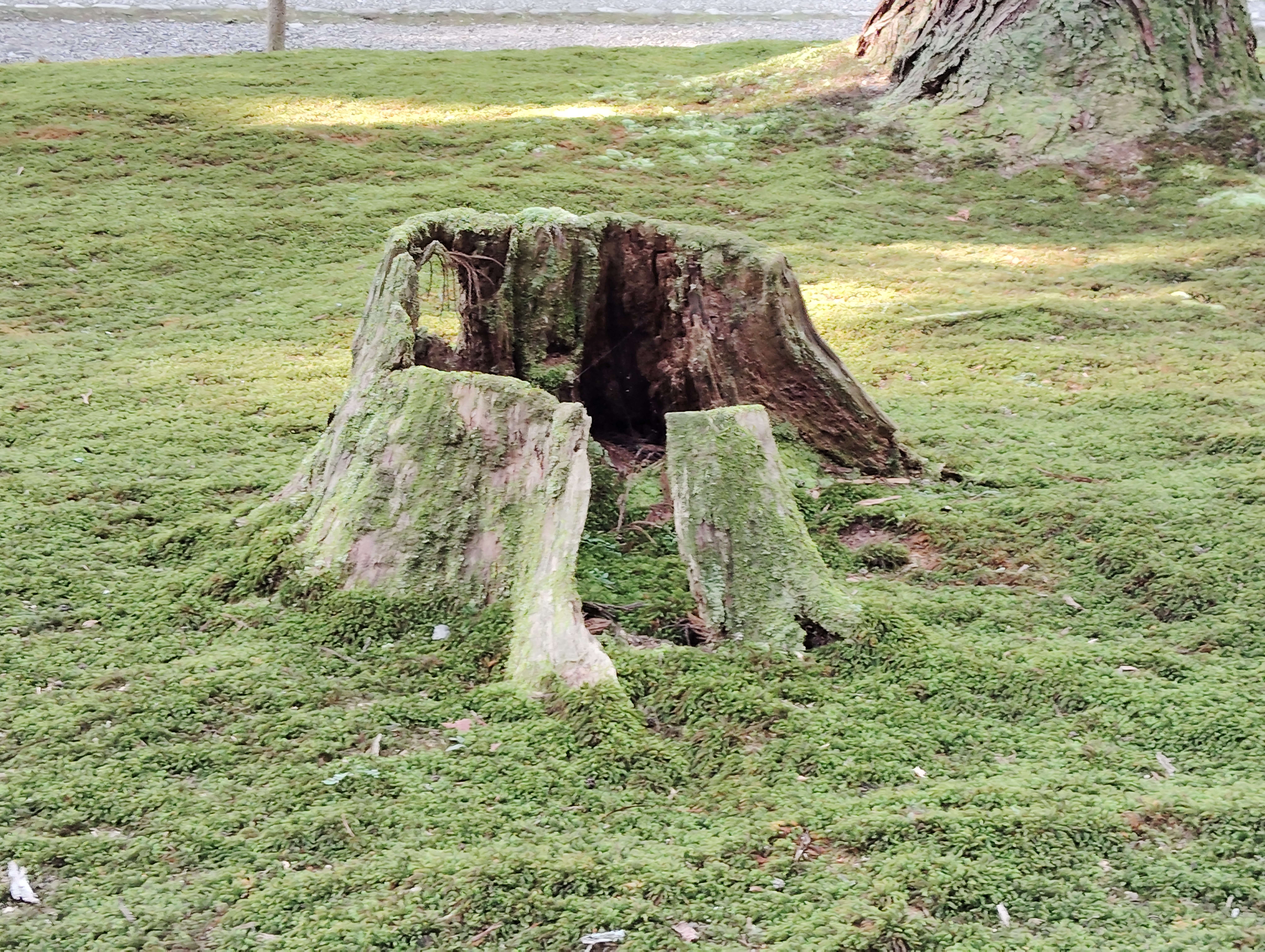
Moss-covered stone steps, shrine buildings blending into the forest, and traces of old stone walls remain throughout the grounds. There is no excessive ornament here—only a quiet completeness shaped over centuries by nature and faith. Unlike a carefully maintained garden, this is beauty refined by time itself.
A short distance from Heisenji, the hills of Okuetsu open out into wide views of forest and sky. One such place is the campsite SORA to DAICHI. During the day, layers of mountains stretch into the distance, filling the horizon with green. Toward evening, the sky shifts from gold to crimson and then deep blue, while the outlines of the ridges grow sharper.
The Ono area is also known for its efforts to preserve its dark-sky environment. In these mountain surroundings, where artificial light is scarce, the vastness of the night sky becomes especially striking. Even without staying overnight, simply spending time here from dusk into evening offers a rare sense of depth and stillness that city life cannot provide.
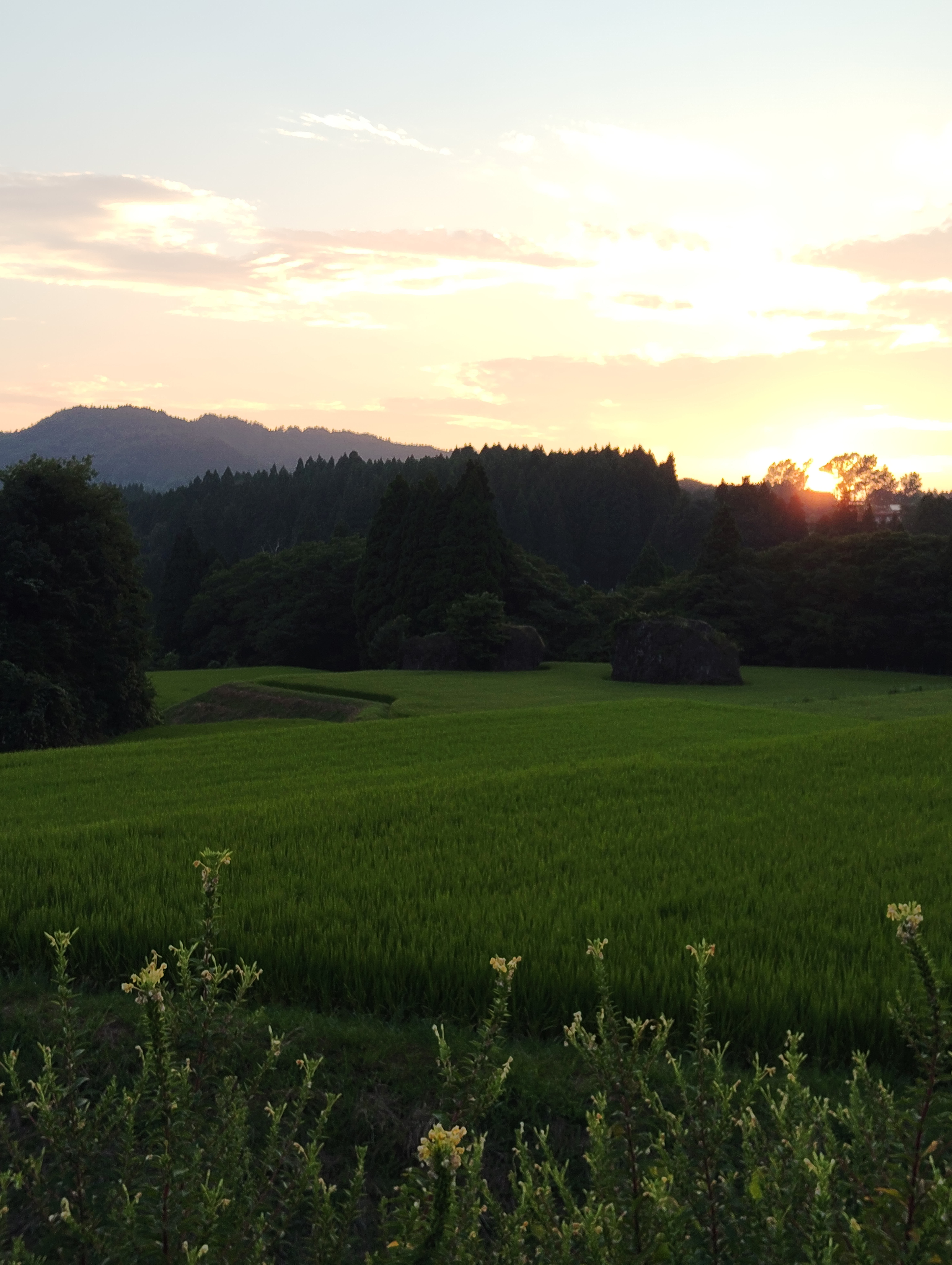
The forested history of Heisenji, the evening light over Ono’s mountains, and the clarity of the night sky together create a summer experience in Okuetsu that feels deeply composed rather than showy. It is a quiet encounter with nature that gently recalls an older, more essential image of Japan.
https://heisenji.jp/
Fukui — Echizen Daibutsu in Autumn
A Monumental Landscape of Prayer in the Mountains
Standing in Katsuyama, Fukui Prefecture, Echizen Daibutsu is one of Japan’s tallest seated Buddha statues. Though larger than the Great Buddha of Nara, it stands in remarkable silence, surrounded by mountains. It does not assert its scale; instead, it seems to settle naturally into the landscape.
The Buddha was commissioned by local businessman Kiyoshi Tada, who wished to leave behind a symbol of prayer for his hometown. Conceived in the 1980s and completed through years of effort, it remains a powerful expression of human aspiration set against the timelessness of nature.
In autumn, the stone-paved approach to the temple is lined with red and gold foliage, while the roof of the Great Buddha Hall overlaps beautifully with the mountain ridges beyond. In the clear autumn air, the composition feels both grand and serene. The spacious temple complex is said to have been inspired by the Longmen Grottoes in Luoyang, China, giving the site a distinctive architectural scale.
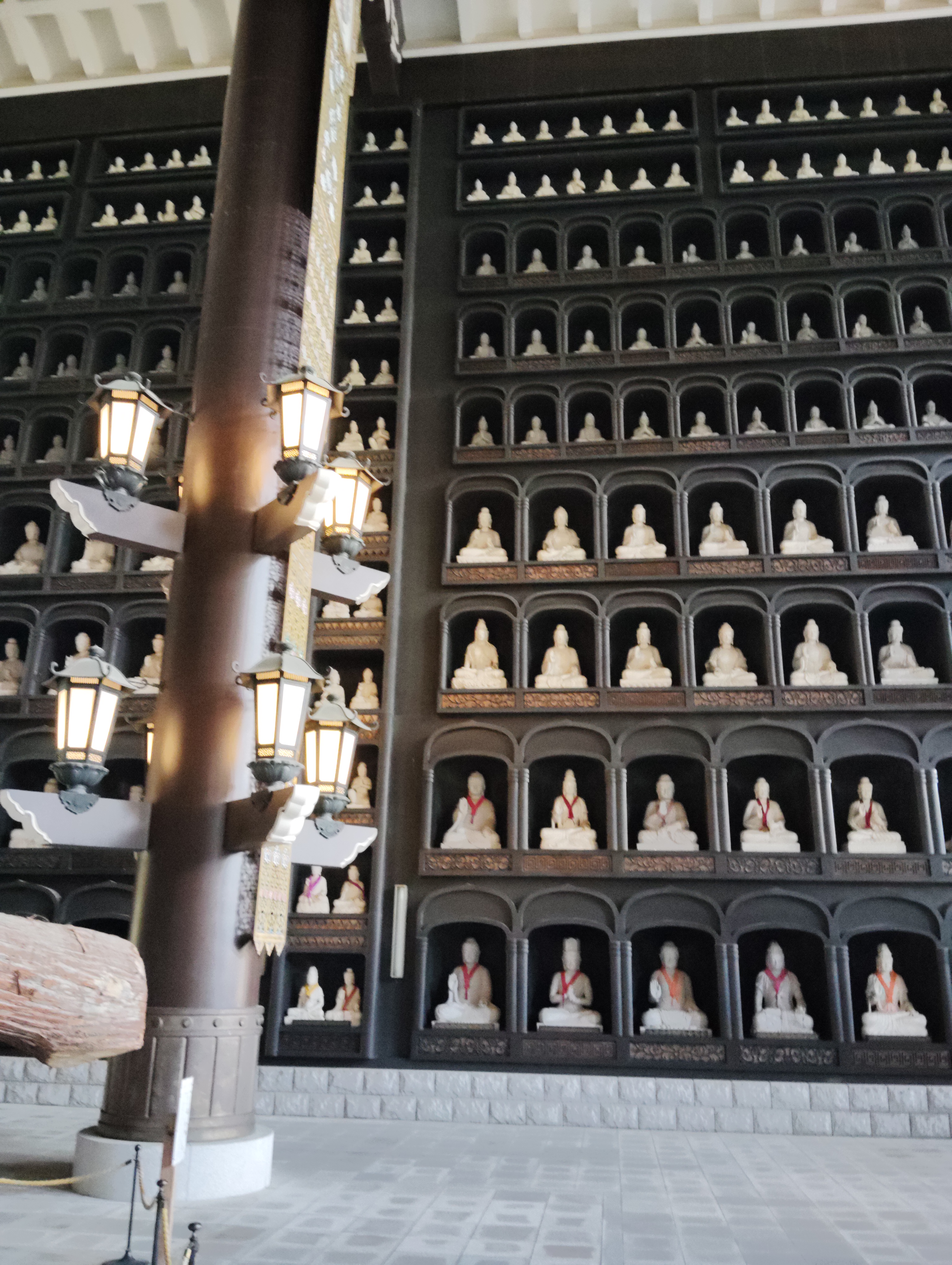
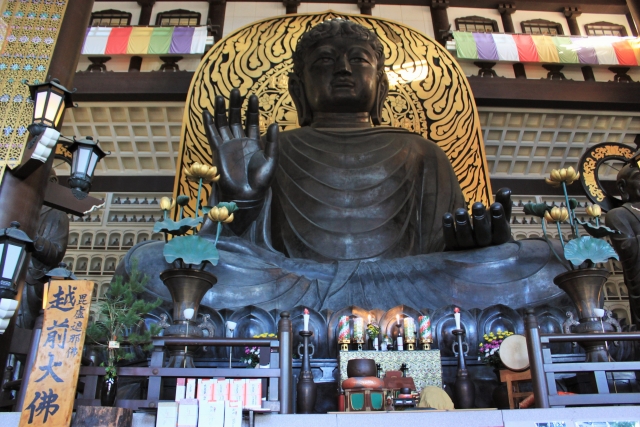
Inside the hall, the Buddha—over 17 meters tall—welcomes visitors with a calm expression. Despite its overwhelming size, the space turns the gaze inward. Countless smaller Buddha figures line the walls, surrounding the interior with order and stillness. The contrast between this immense human-made structure and the natural world outside evokes a quiet awareness of time’s vastness.
This is also a place of exceptional photographic beauty. The temple roof framed by autumn leaves, the giant seated Buddha revealed at the end of a stone path, the soft light entering the vast interior—every angle captures both scale and silence. As the natural light changes, the atmosphere shifts with it, and even the same composition takes on a different feeling.
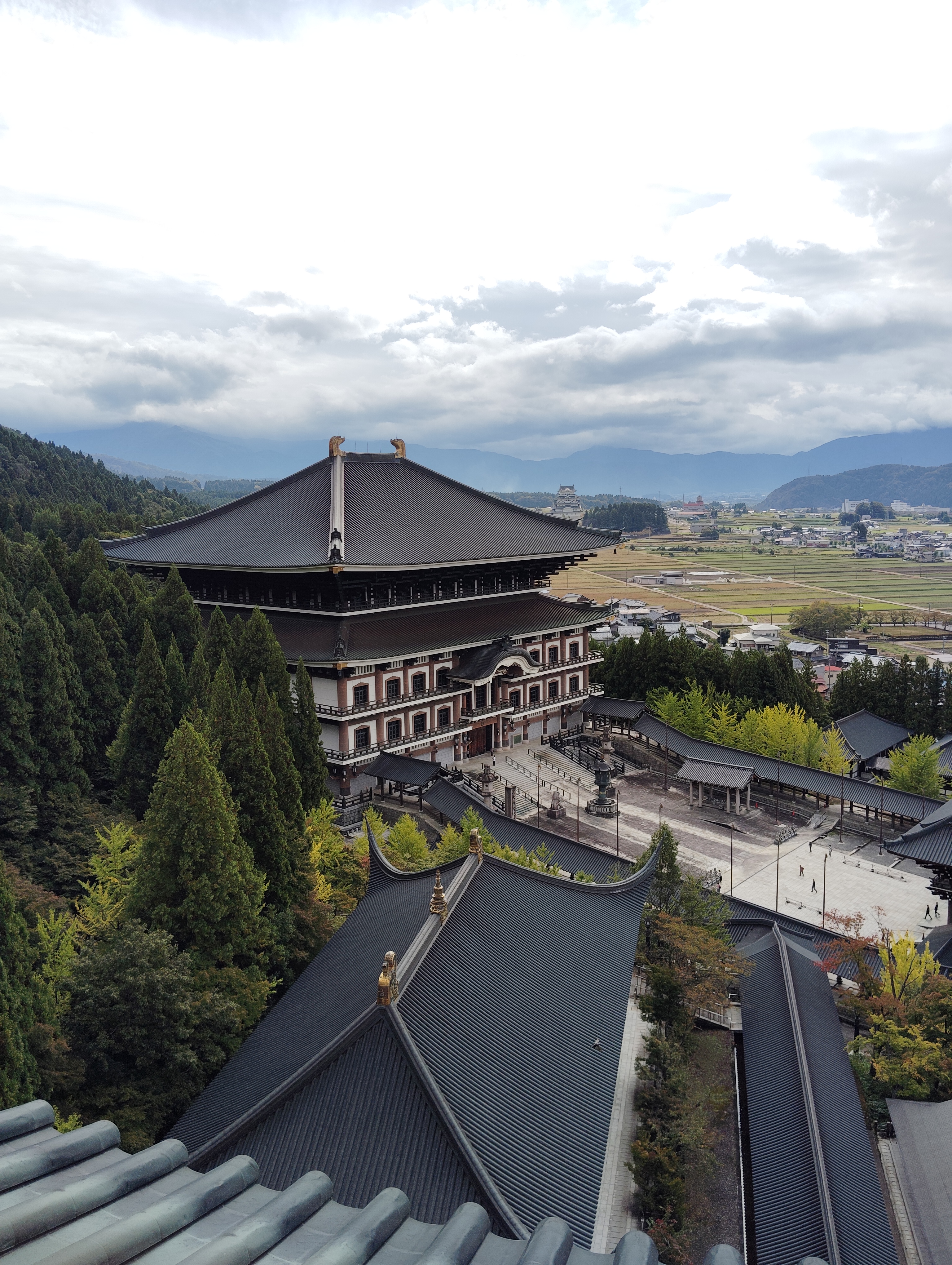
Echizen Daibutsu is the visible form of a grand human wish. Yet when seen against the mountains, even such ambition seems to dissolve gently into the larger rhythm of nature. It is a place where one can feel both the strength of human devotion and its fragility—an experience that leaves a deep and lasting impression in autumn.
http://etizendaibutsu.com/index.htm
Landscapes Shaped by Season and Place
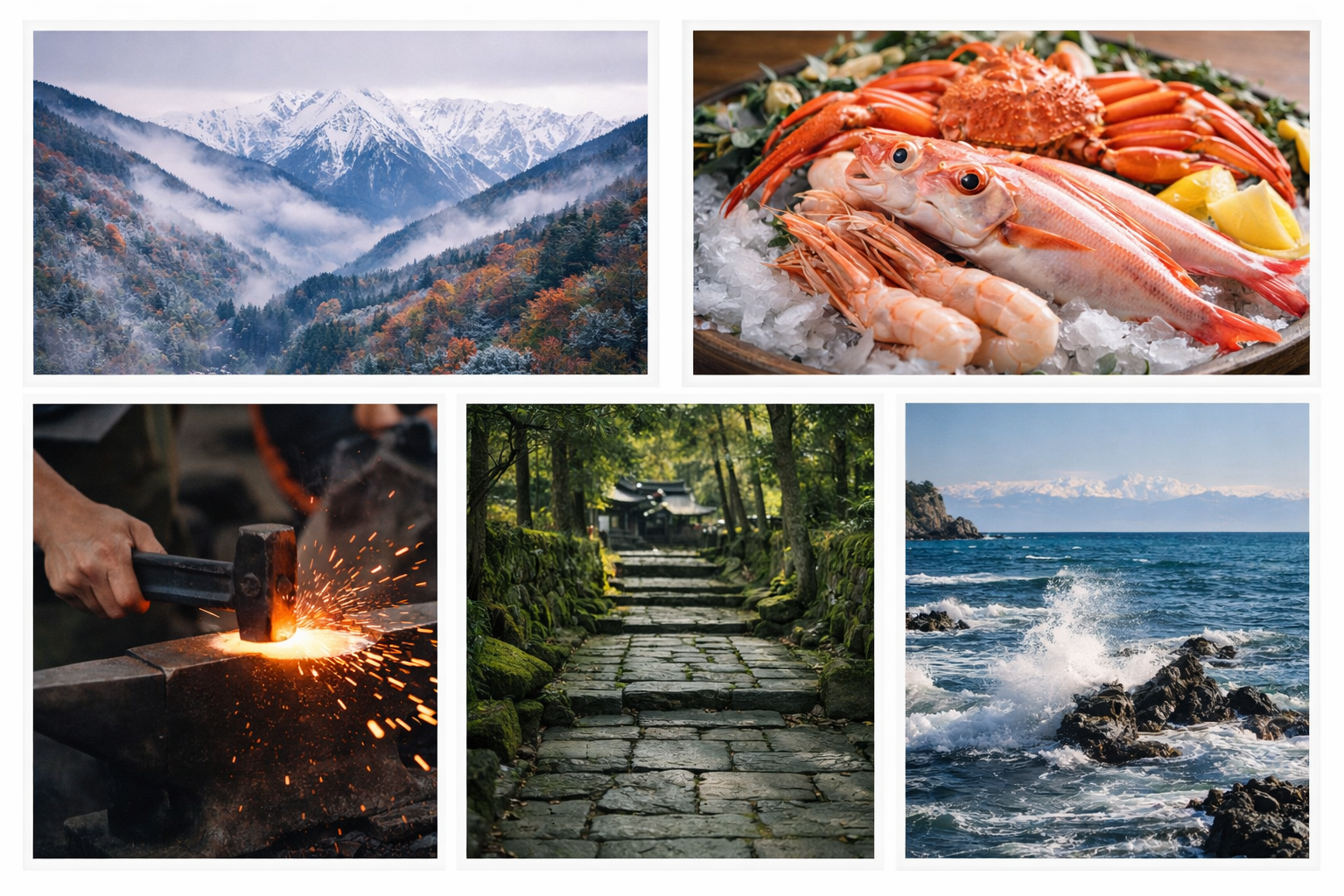
Nature in Hokuriku never settles into a single expression.
A sacred site wrapped in moss, a garden whose beauty is sharpened by snow, a gorge where time moves with the water, a monumental Buddha standing quietly in the mountains—each place reveals a different face of Japan as the seasons change.
What defines this region is not spectacle, but landscape shaped slowly over time by nature and culture together.
Even for travelers who already know Japan well, Hokuriku offers a depth they may not yet have encountered. With each visit, the region reveals another side of itself, making it an ideal destination for those seeking a journey that stays in the memory.


.png)

.png)
.png)
.png)
.png)
.png)
.png)
.png)
.png)
.png)
.png)
.png)
.png)
.png)
.png)
.png)



.png)
.png)
.png)
.png)
