
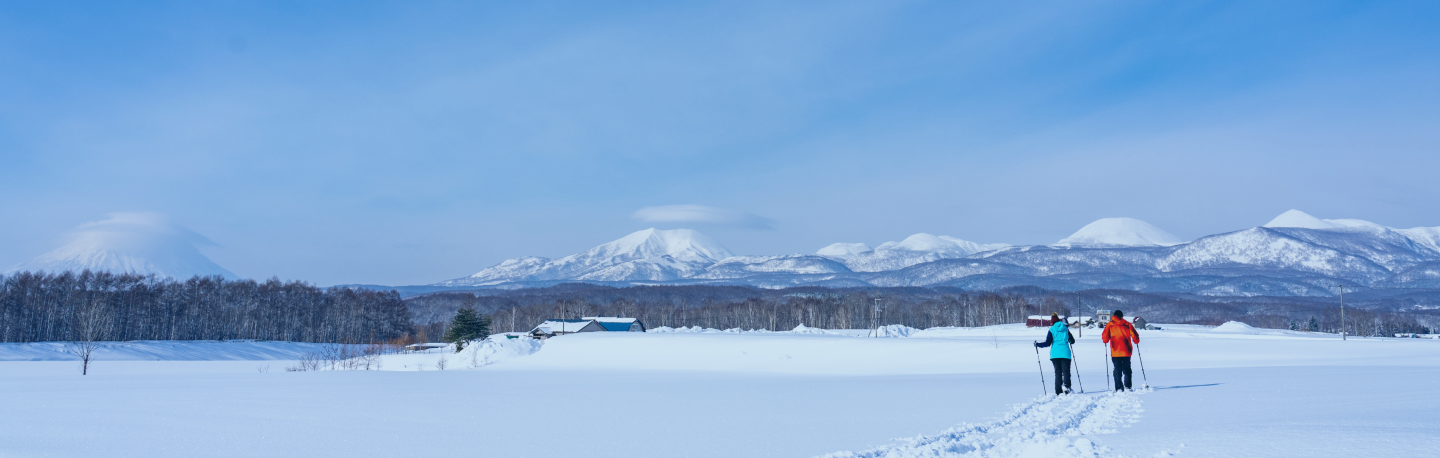
The Unseen Side of Hokuriku in Summer


language | ไทย | 繁體中文 | 简体中文 | 日本語
The Hokuriku in Summer
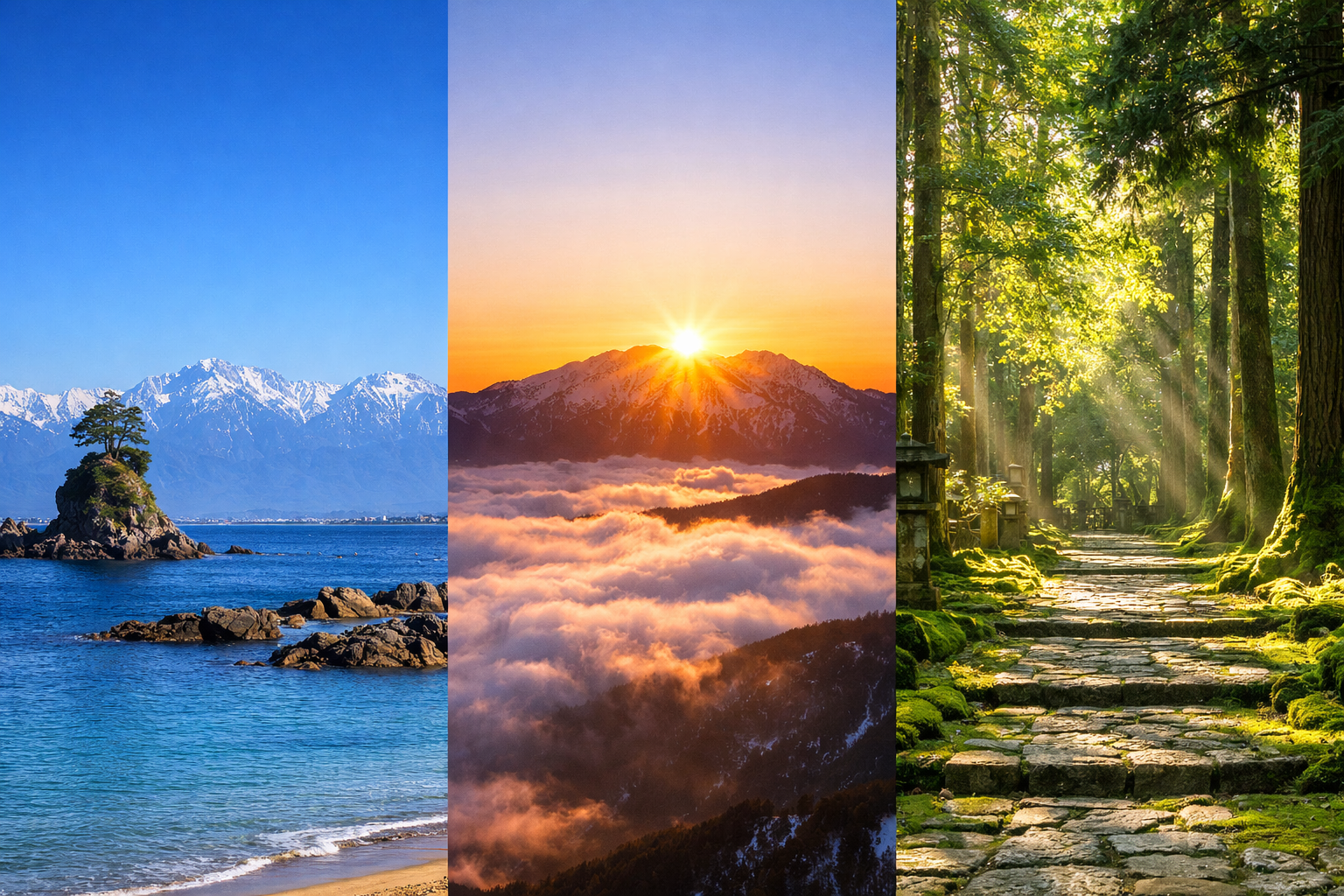
When people hear the phrase “summer in Japan,” many imagine tropical beaches, lively cities, or resort scenery filled with bright sunlight and crowds. Hokuriku offers something quite different. Here, surrounded by mountains and rivers, you can move your body through nature and, in the process, feel both mind and body gradually loosen and unwind.
For many years, Hokuriku has been more strongly associated with deep winter snow and the rough waves of the Sea of Japan than with summer travel. Yet in reality, the region holds an abundance of landscapes and experiences that can only be encountered during the warmer months.
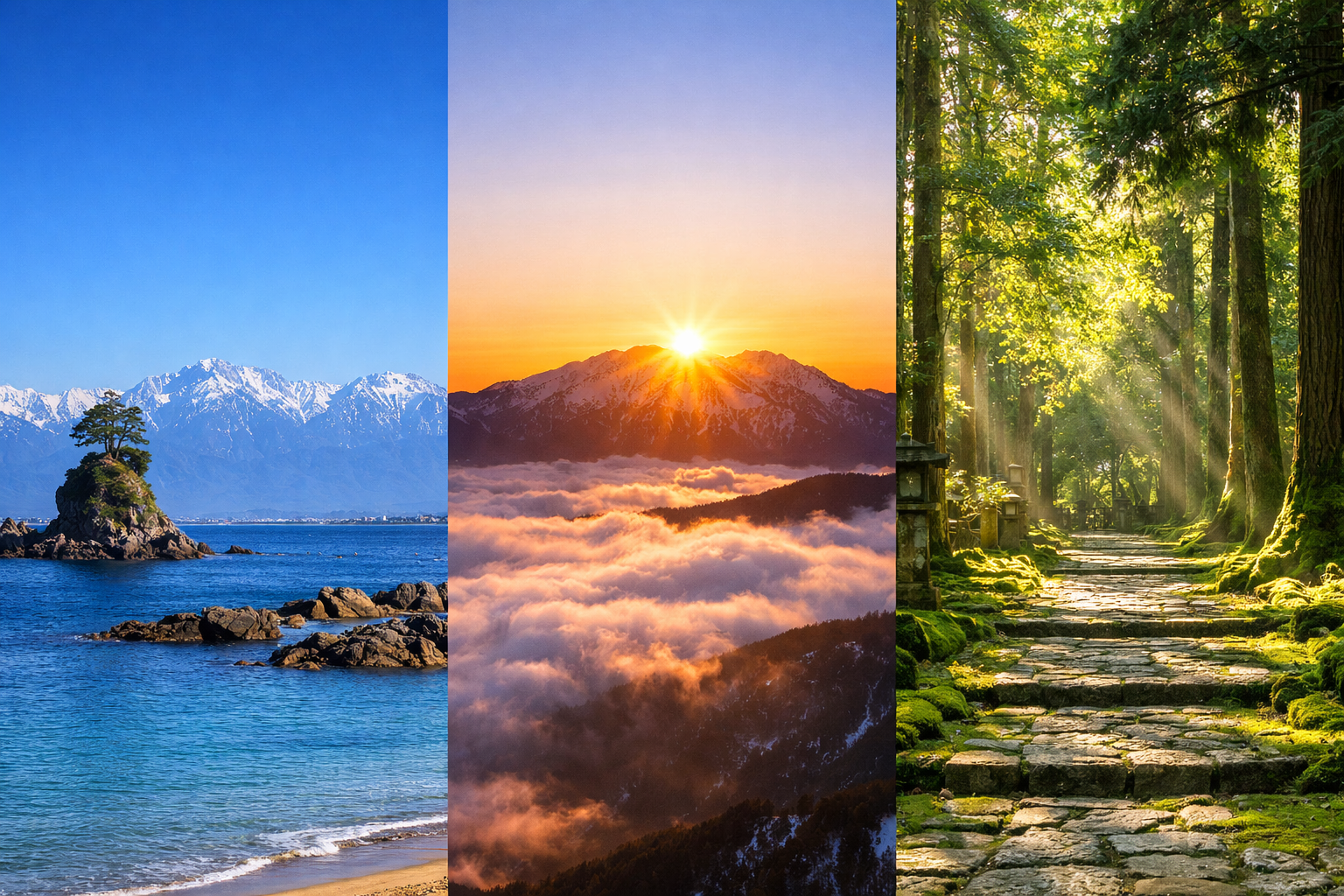
Clear water flowing from the mountains, deep forested valleys, and air so fresh it feels newly washed—these natural elements come together to create a summer in which coolness and adventure exist side by side in a way unique to Hokuriku.
What follows is a journey into the lesser-known adventures of Hokuriku’s summer. It is a season spent not merely looking at nature, but entering into it. We begin in Toyama to Ishikawa and Fukui .
=====
Toyama | A Summer of Movement and Stillness in Kurobe
Canyoning in the Kurobe Gorge: An Adventure That Awakens the Senses
In summer, the valleys along the Kurobe River become a natural field shaped by nothing but rock and water. Deep green forest wraps around the gorge, and there is almost nothing artificial in sight. Fallen trees remain where they collapsed, and boulders lie scattered exactly as nature left them.
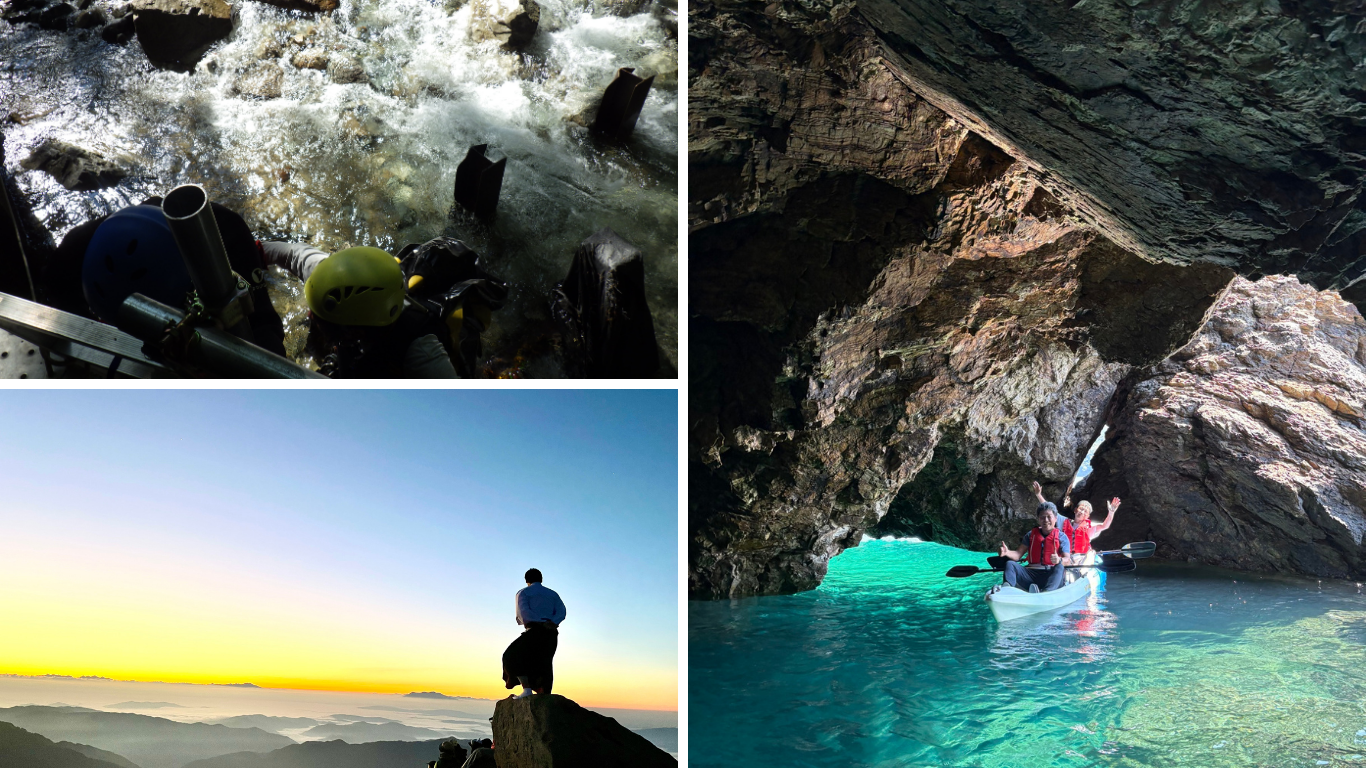
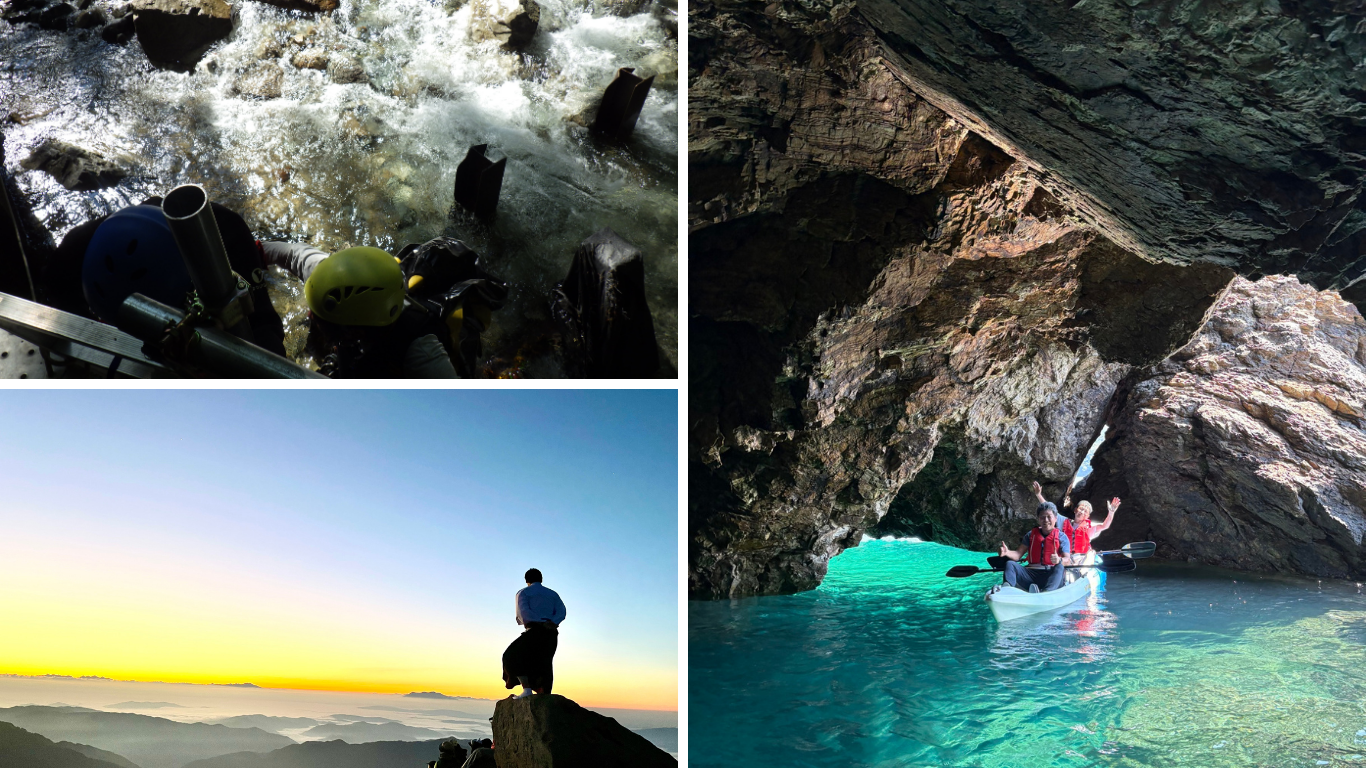
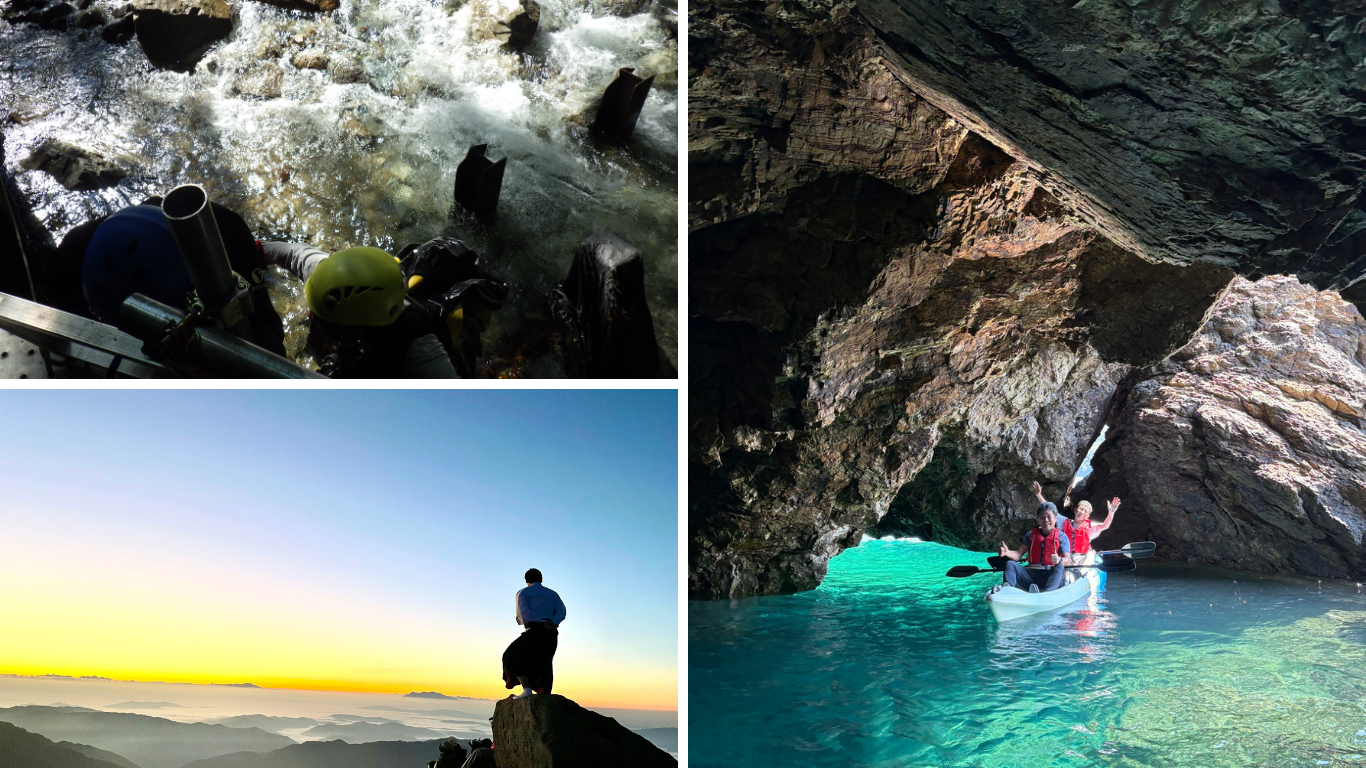
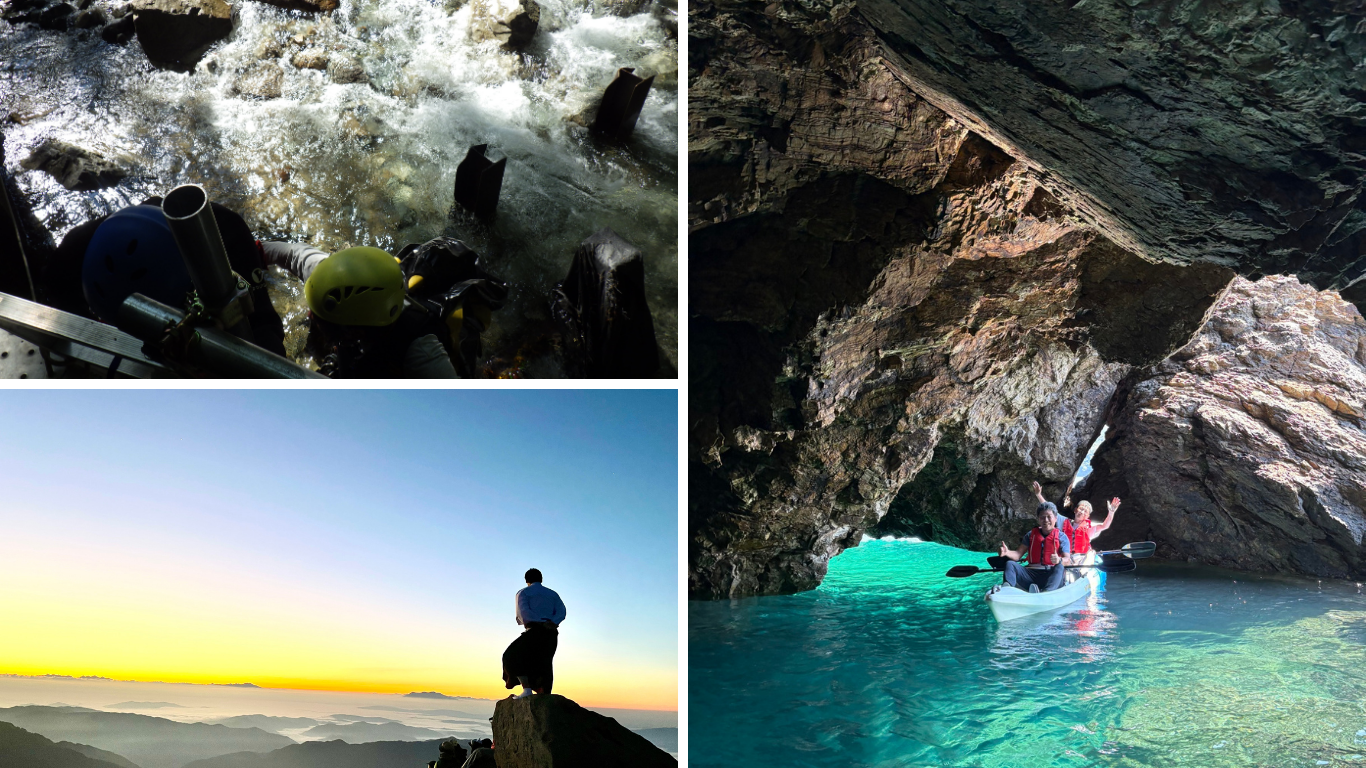
Once you put on your helmet and wetsuit and complete the safety briefing, you enter the gorge. Walking through the stream, feeling the cold water, your senses begin to sharpen. Then suddenly, a steep rock face appears.
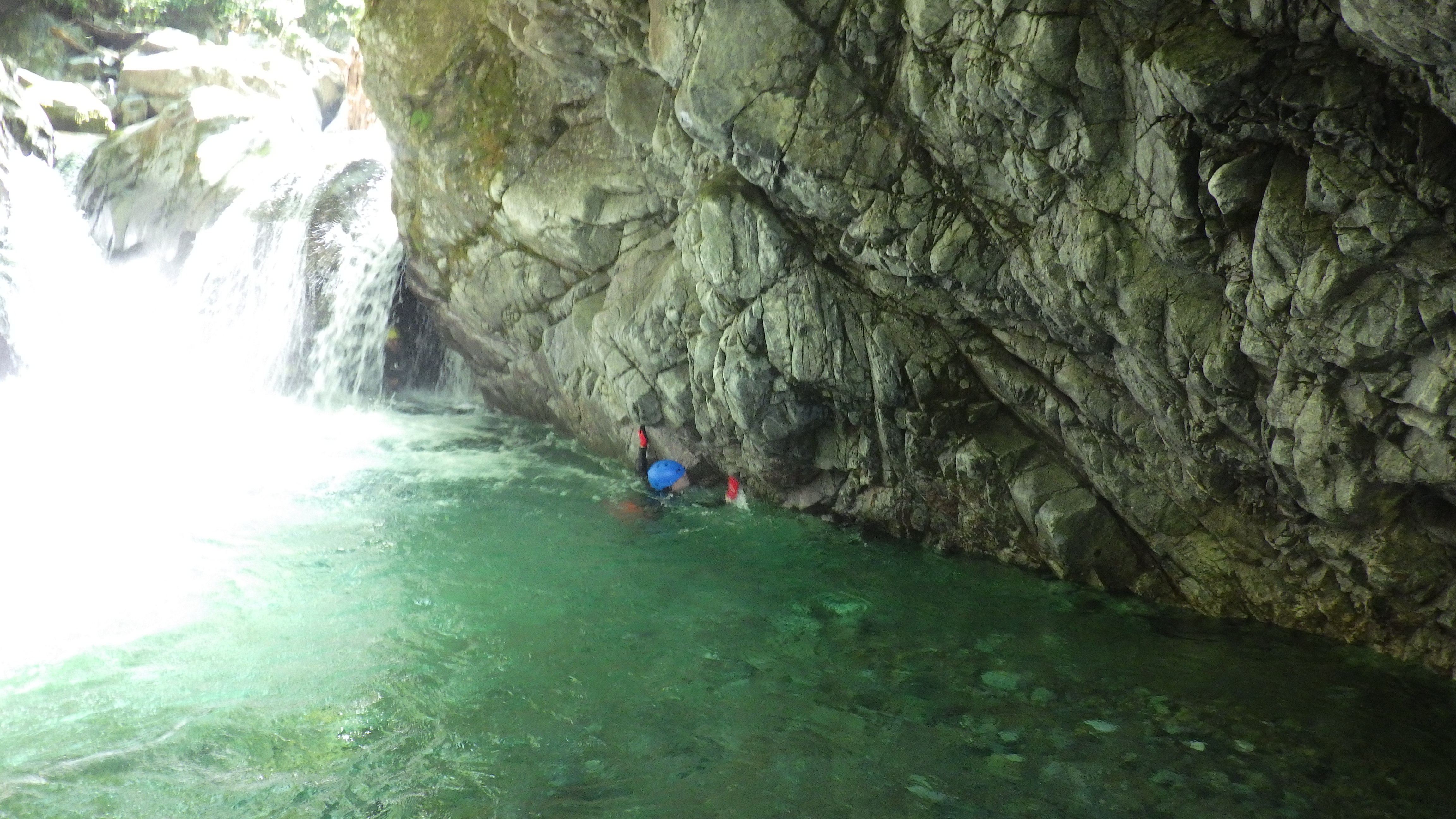 With the rope secured to your harness, you begin your descent. Each step requires focus. At first, hesitation lingers—but gradually, trust replaces it.
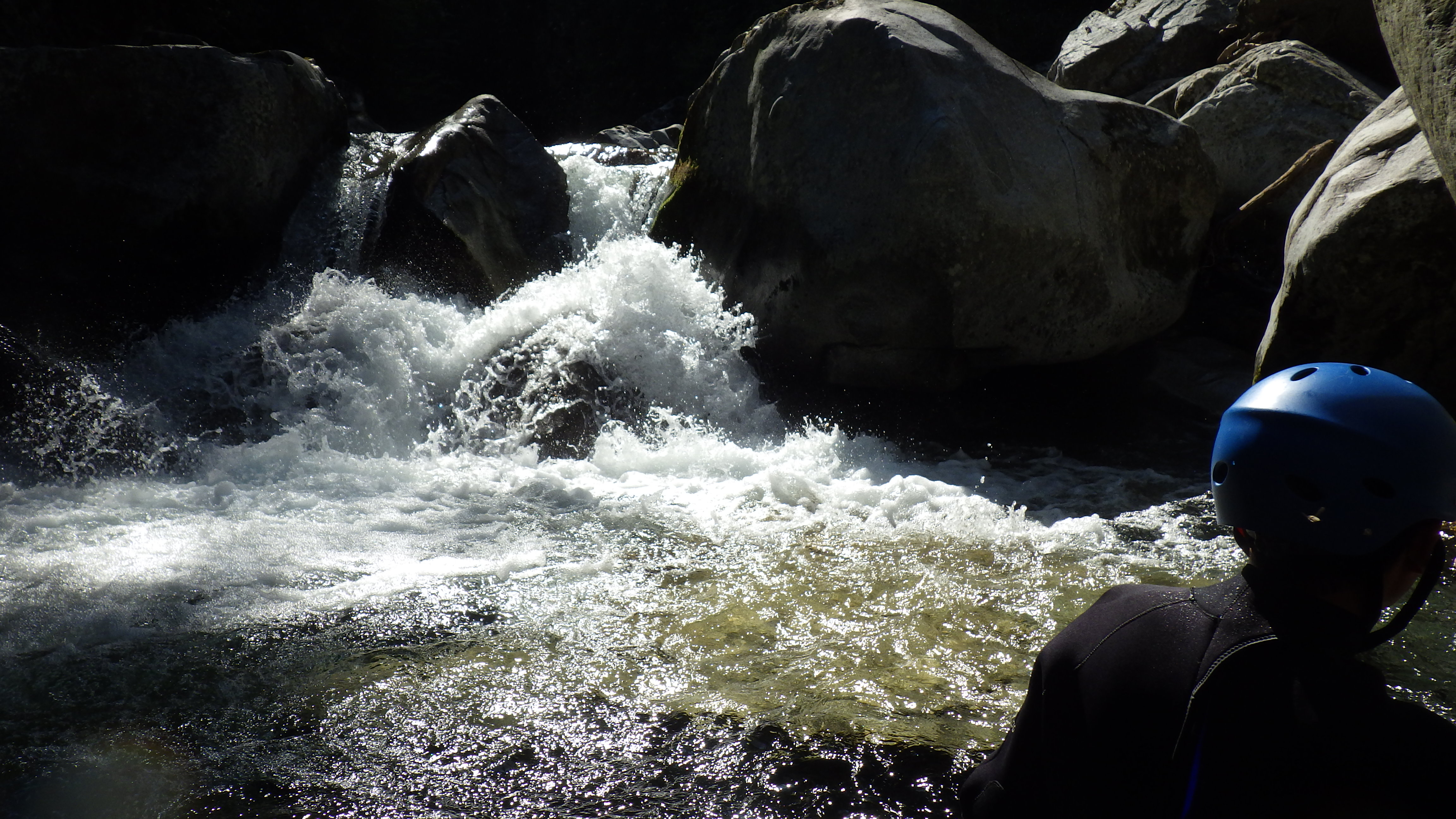 Soon after comes a jump into the river. The moment you step forward, your body drops into clear water. When you surface, fear has already turned into laughter.
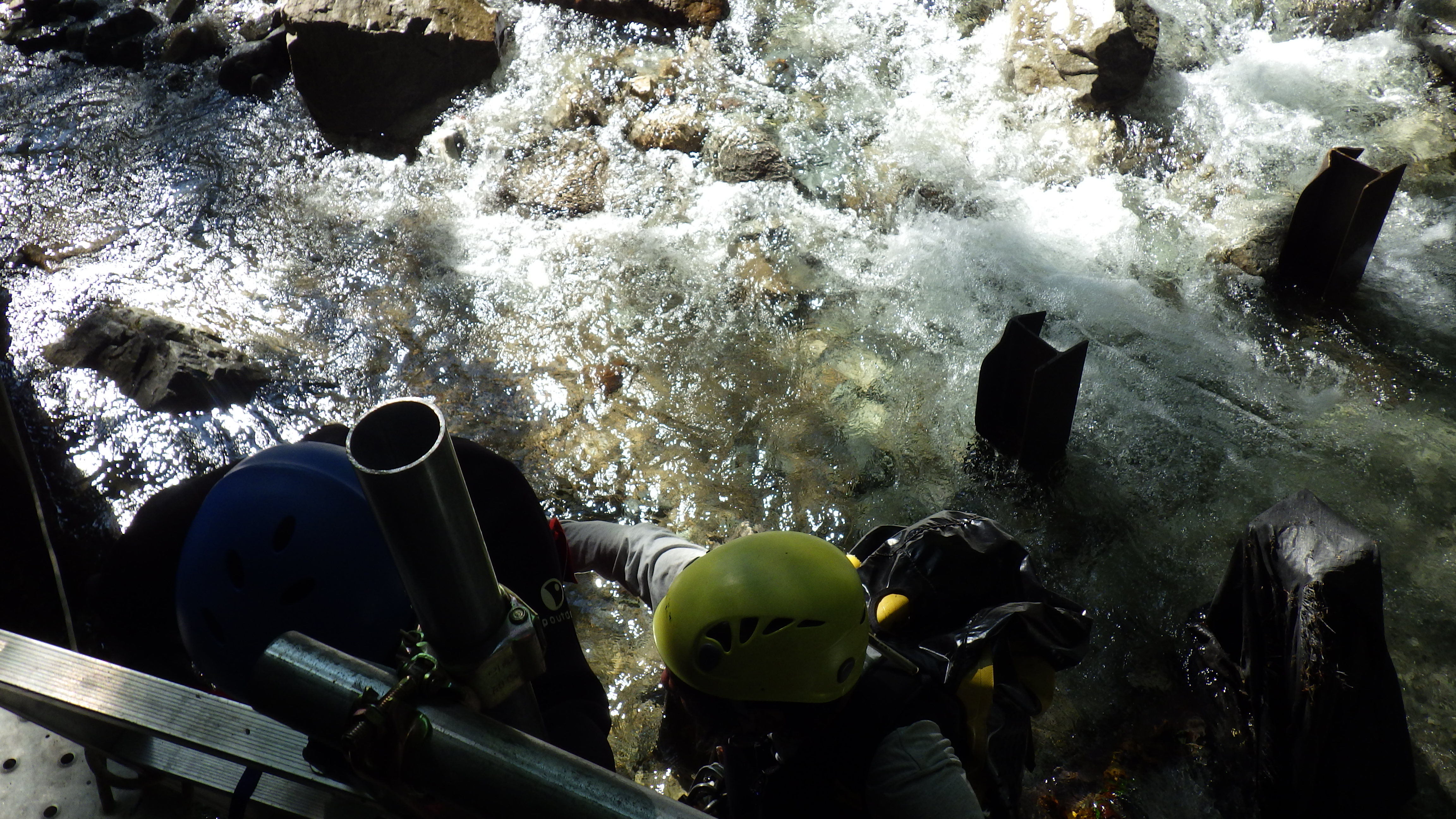
Farther upstream, the current carries you naturally. Rock formations become waterslides, sending water into the air as you glide. Surrounded by nature, guided safely, you find yourself going beyond what you thought possible.
Canyoning in Kurobe is not just an activity—it is a direct encounter with nature that stays with you.
=====
A Special Train Journey Through the Gorge: The Kurobe Gorge Railway
From the intensity of canyoning, you shift to stillness. Boarding the train at Unazuki Onsen, the journey begins slowly.
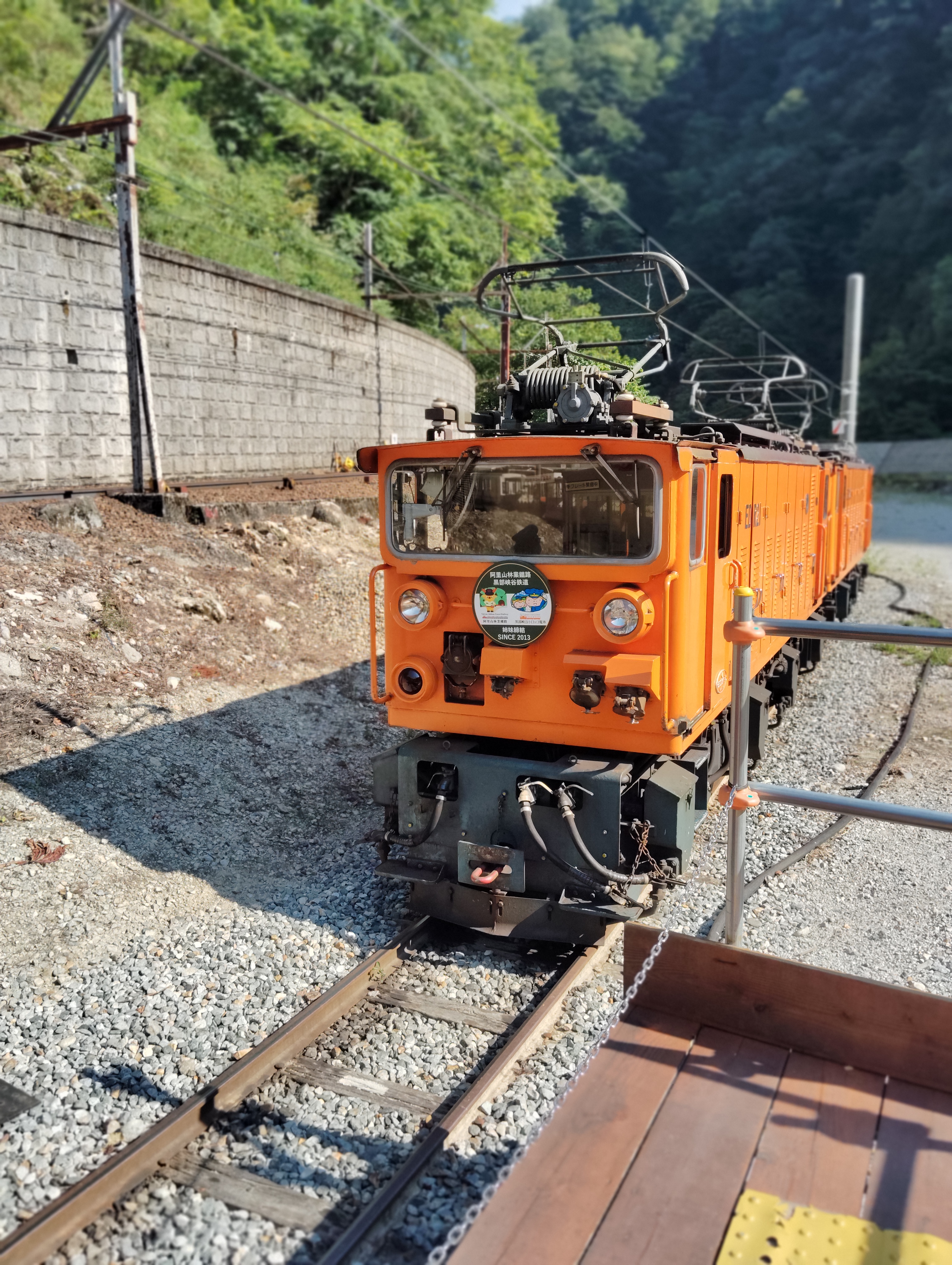
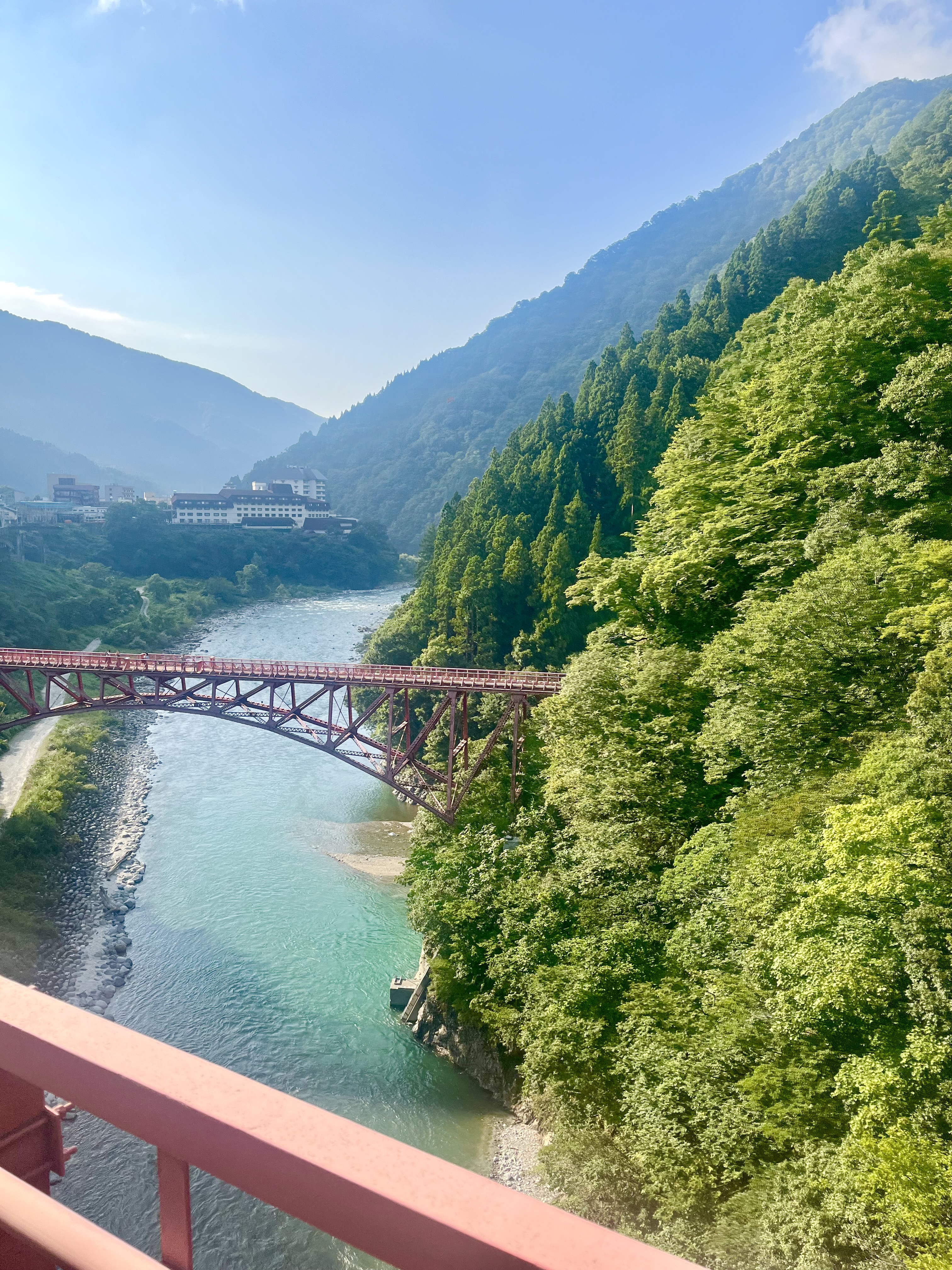
Cool air flows through the open carriage. Below, the emerald river appears again—this time from above. The same river now feels entirely different.
The train winds through tunnels and across bridges. Occasionally, small facilities appear, reminders of the region’s industrial past.
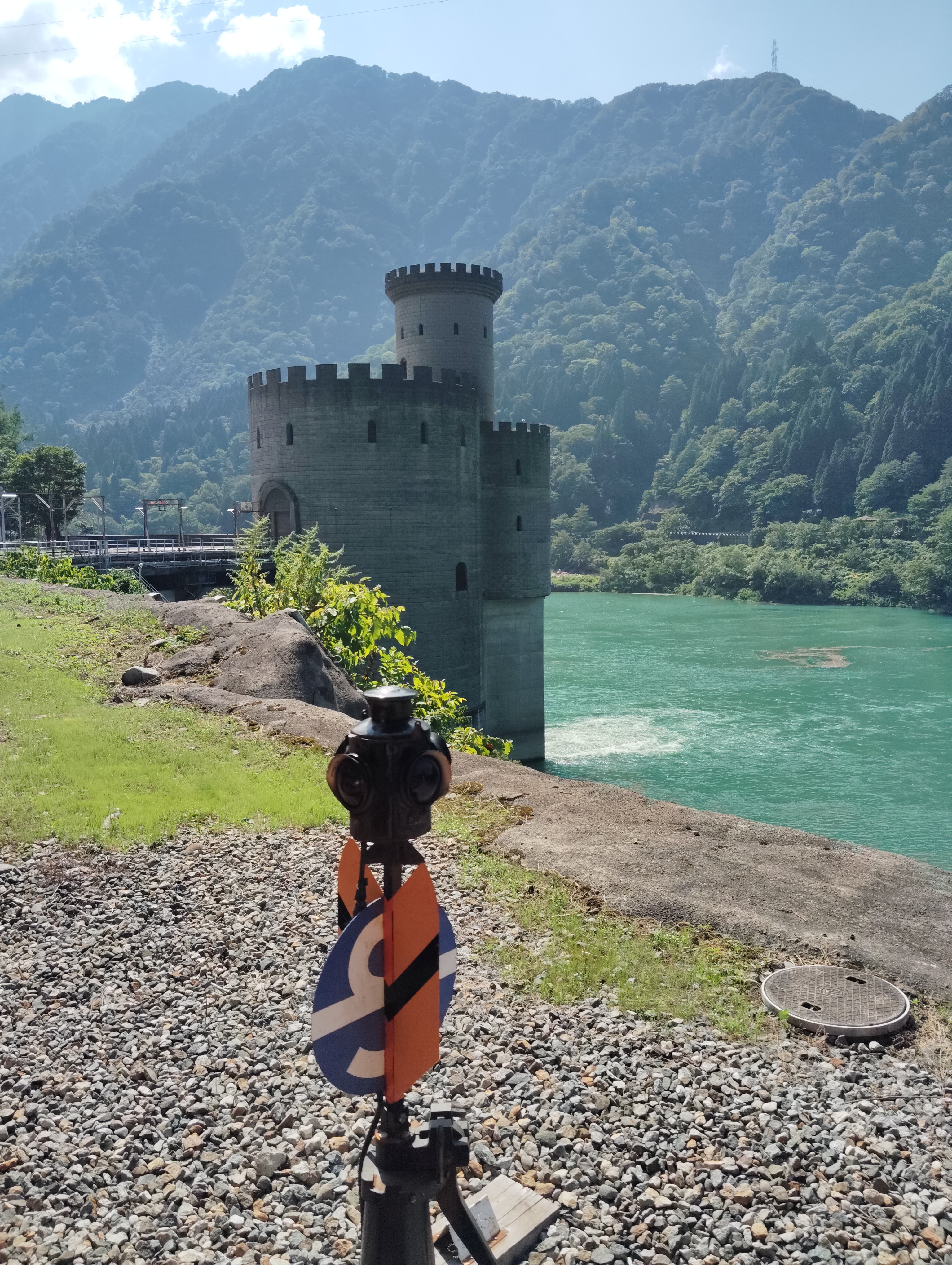
As you move deeper, the scenery grows quieter. The outward journey feels filled with anticipation; the return, with reflection.
Afterward, soaking in an open-air onsen completes the experience—body warmed, mind at ease.
=====
Ishikawa | Summer Adventures Shaped by Sky and Water
A Flight into the Sky: Shishiku Plateau
At Shishiku Plateau, near Mt. Hakusan, the landscape opens wide.
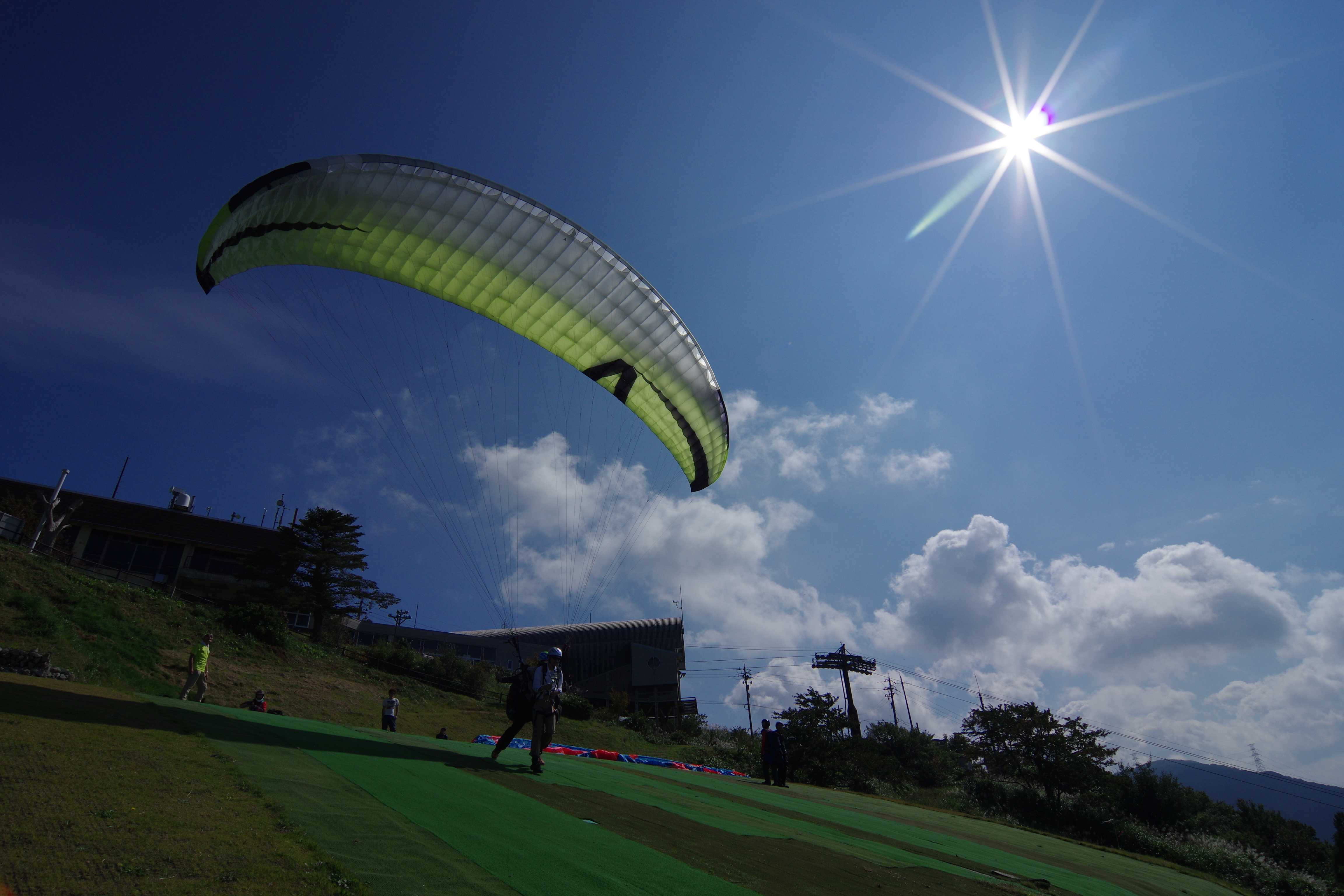
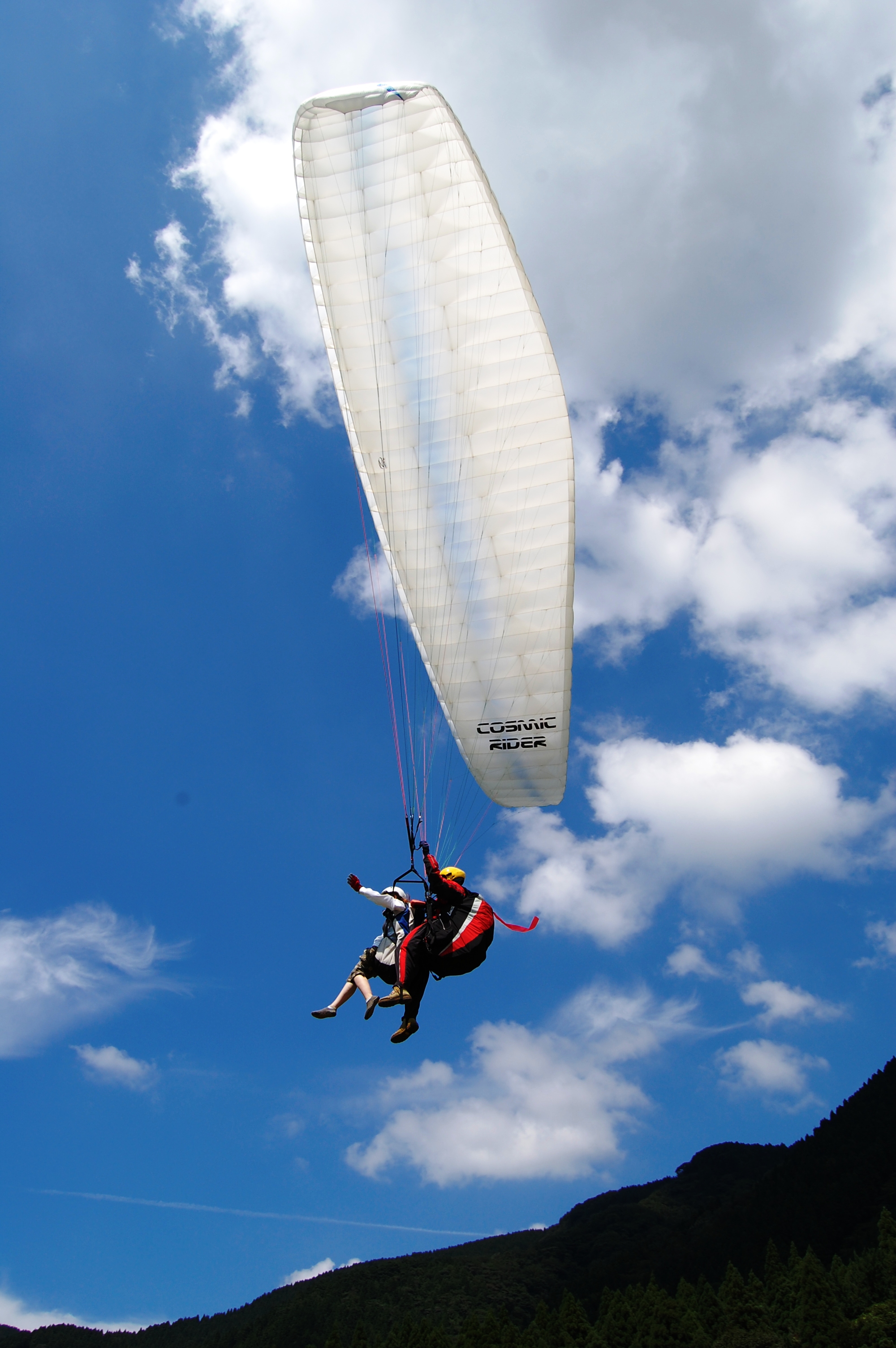
After preparation, you run forward—and suddenly, you are airborne. The ground disappears, replaced by open sky.
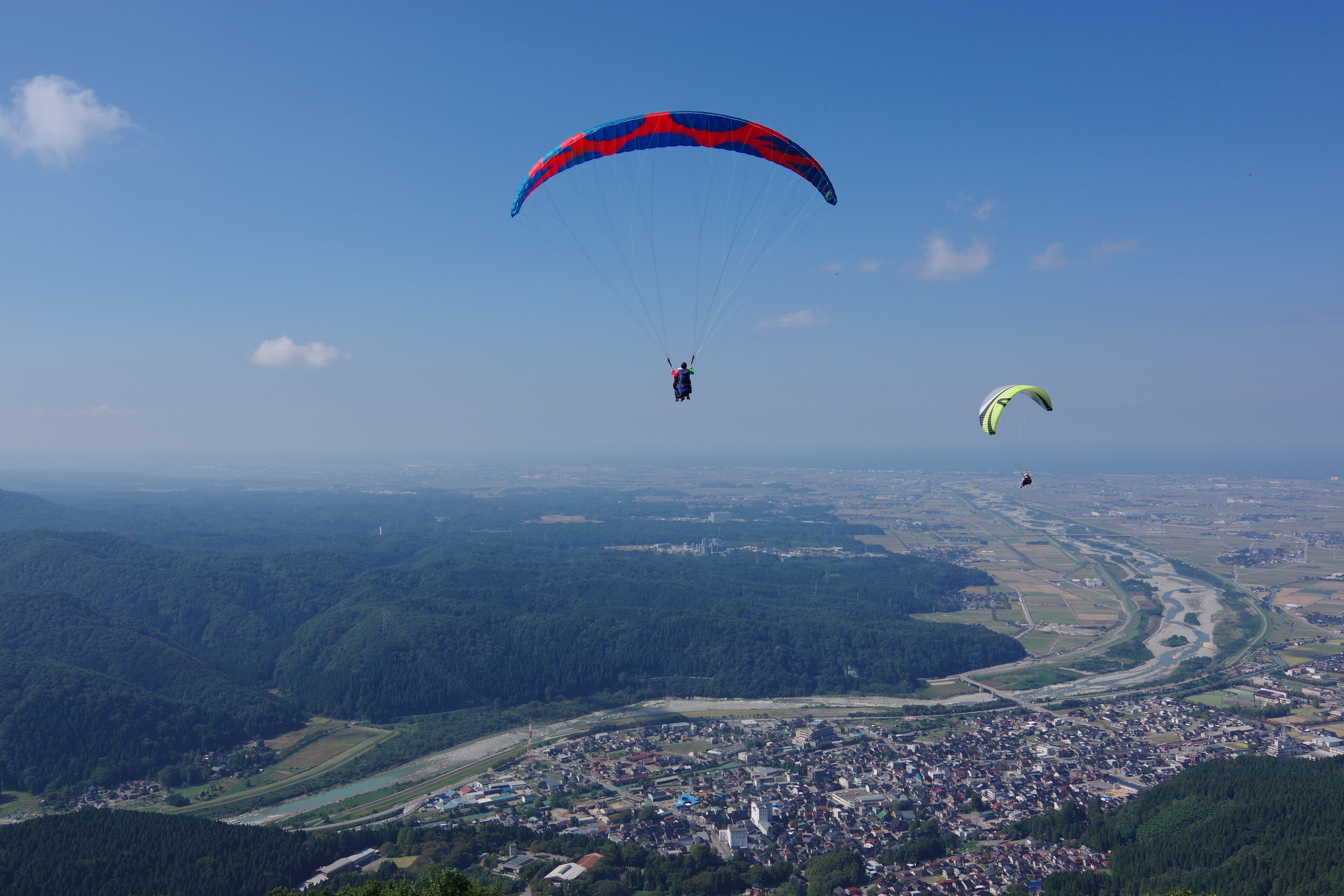
Below, forests and towns form a quiet landscape. Drifting in silence, you feel suspended between earth and sky.
It is not just a flight, but a moment of becoming part of the scenery itself.
=====
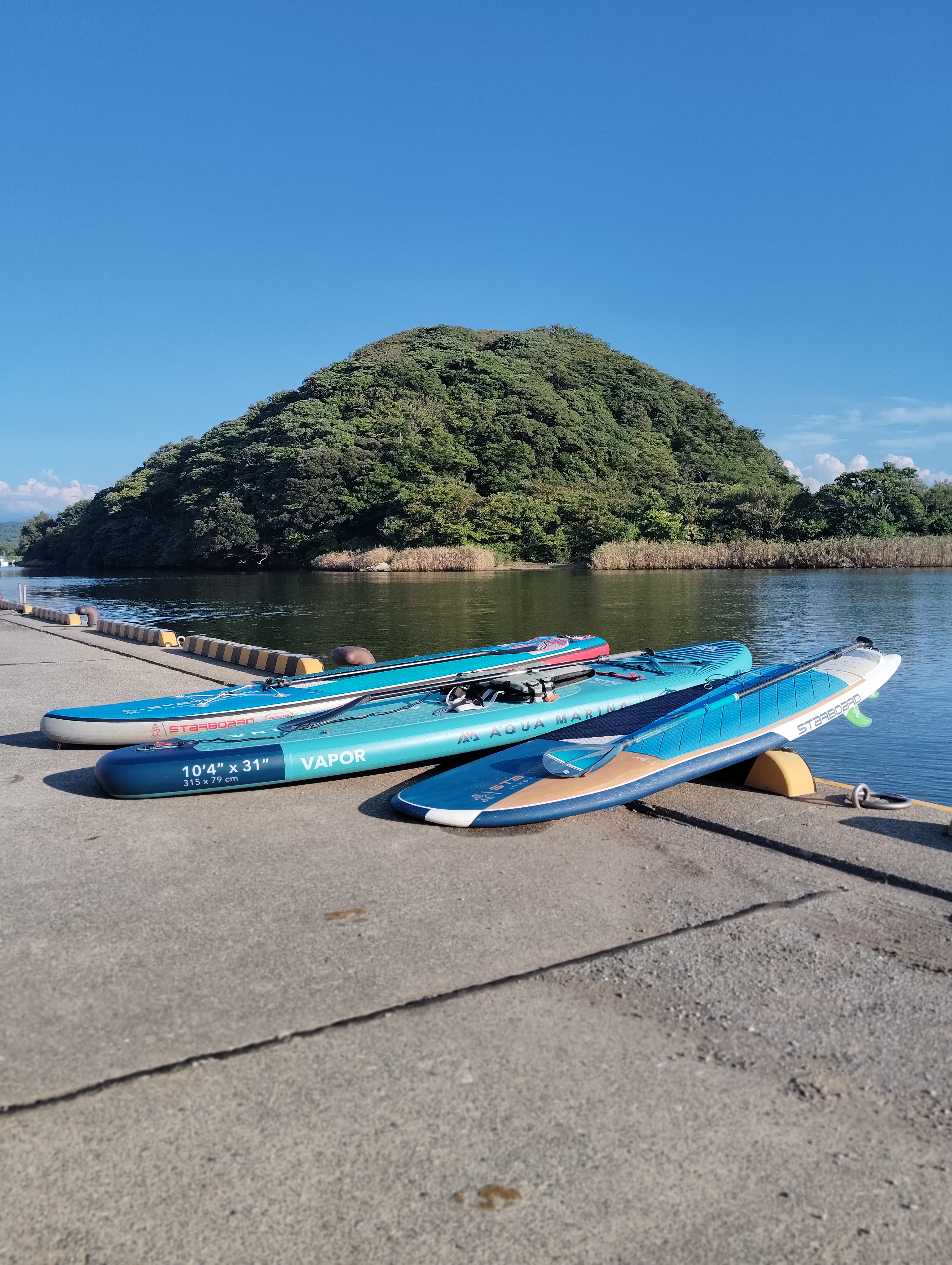
Wrapped in Water and Forest: SUP in Kaga Shioya
In Shioya, lake and sea merge into calm waters. Beyond them lies deep forest.
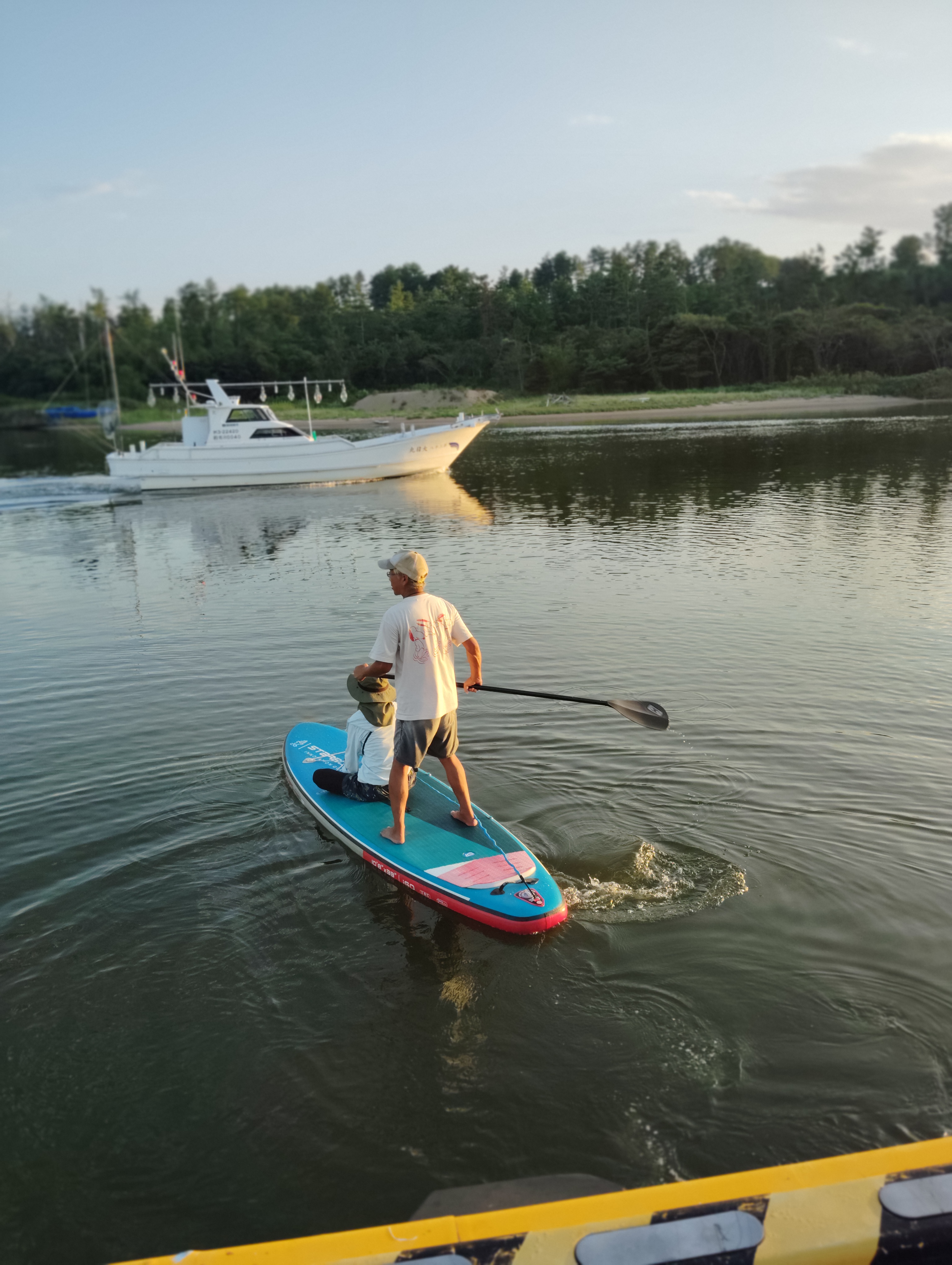
Standing on the board, you begin slowly. The sound of the paddle cuts through the silence.
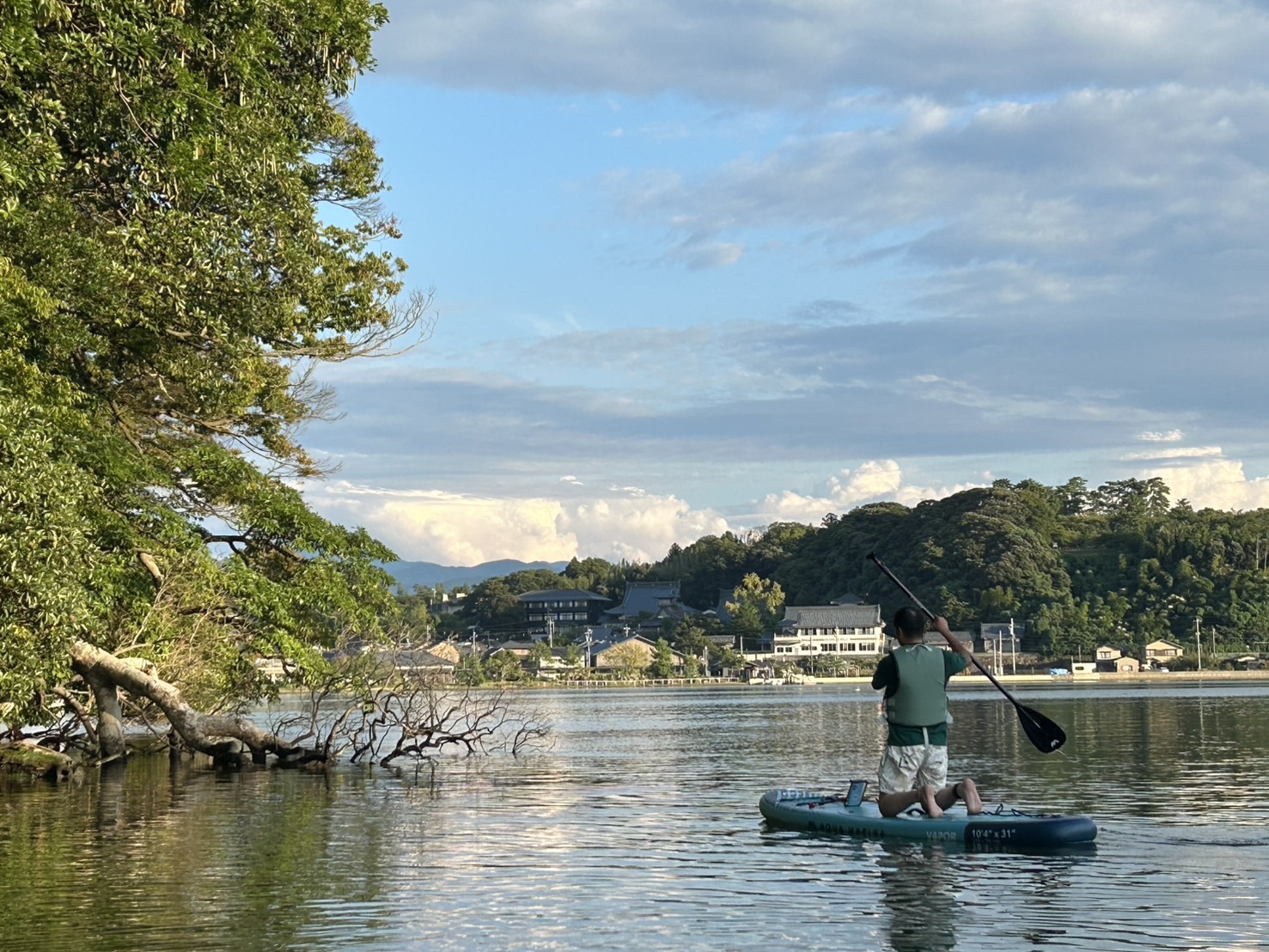
As you move forward, the world quiets. Trees, water, and light create a rhythm that gently steadies the mind.
By sunset, the scene softens into warm tones. Drifting on the water, time itself feels slower.
This is a quiet, immersive experience of Ishikawa’s summer.
=====
Fukui | Between Sea, Land, and Silence
Sea Kayaking on the Tsunegami Peninsula
The sea here is remarkably clear.
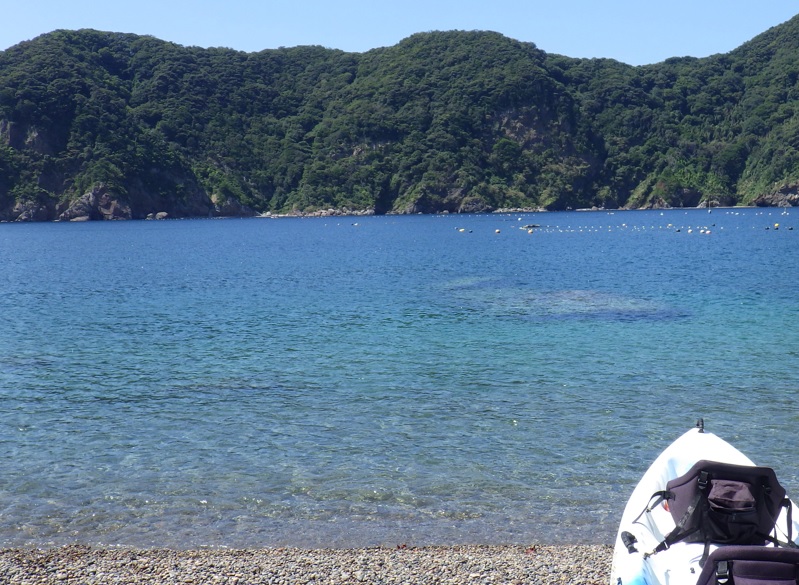
Paddling along the coast, you move toward a narrow cave. Inside, light reflects across the water, filling the space with soft color.
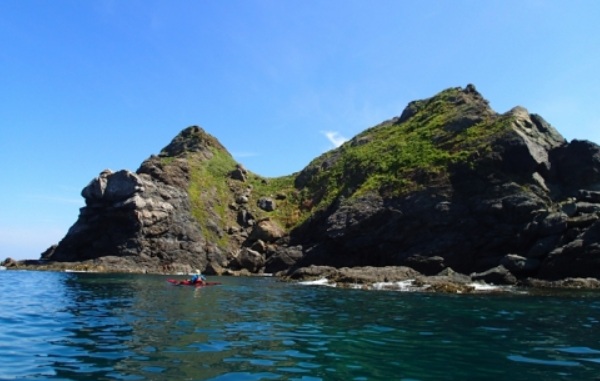
Looking down, you see the seabed clearly. No artificial elements—only rock, water, and sky.
Drifting quietly, even time begins to fade.
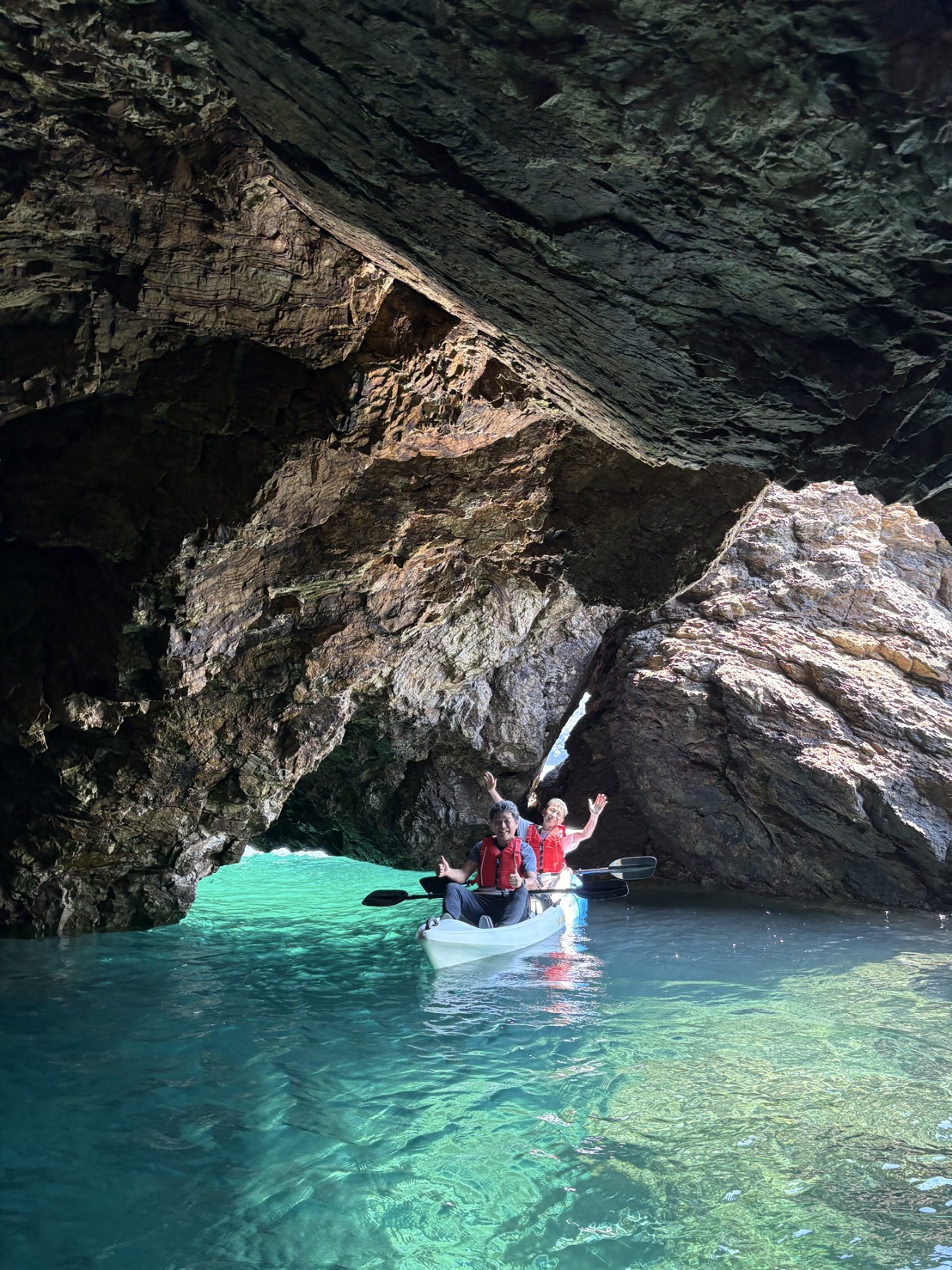
Then suddenly, the open sea returns, vast and bright.
This contrast becomes unforgettable.
=====
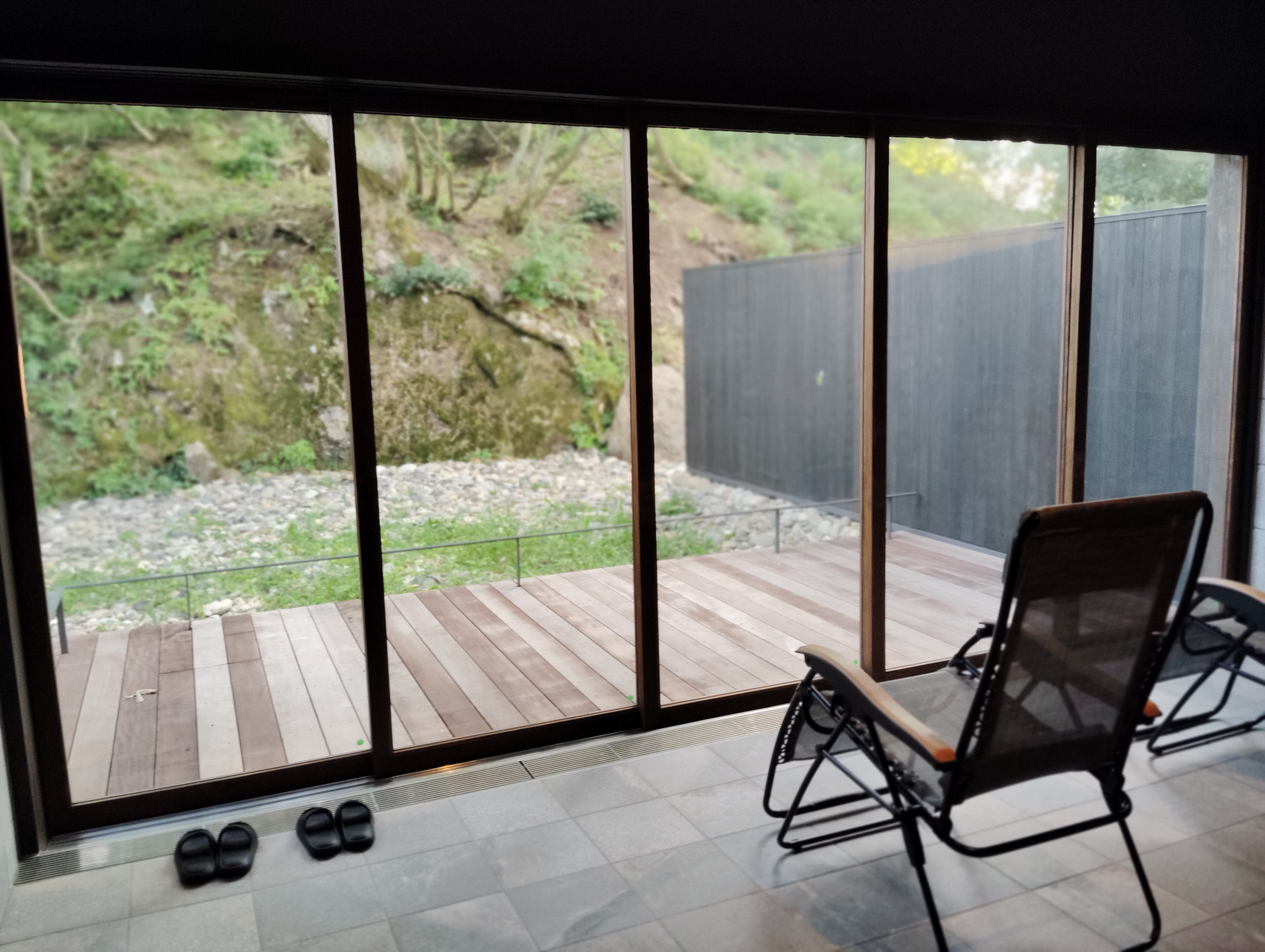
SORA to DAICHI: A Landscape of Sky and Earth
In the highlands of Ono, wide land meets open sky.
Grass moves with the wind. Horses walk slowly. Sound fades into stillness.
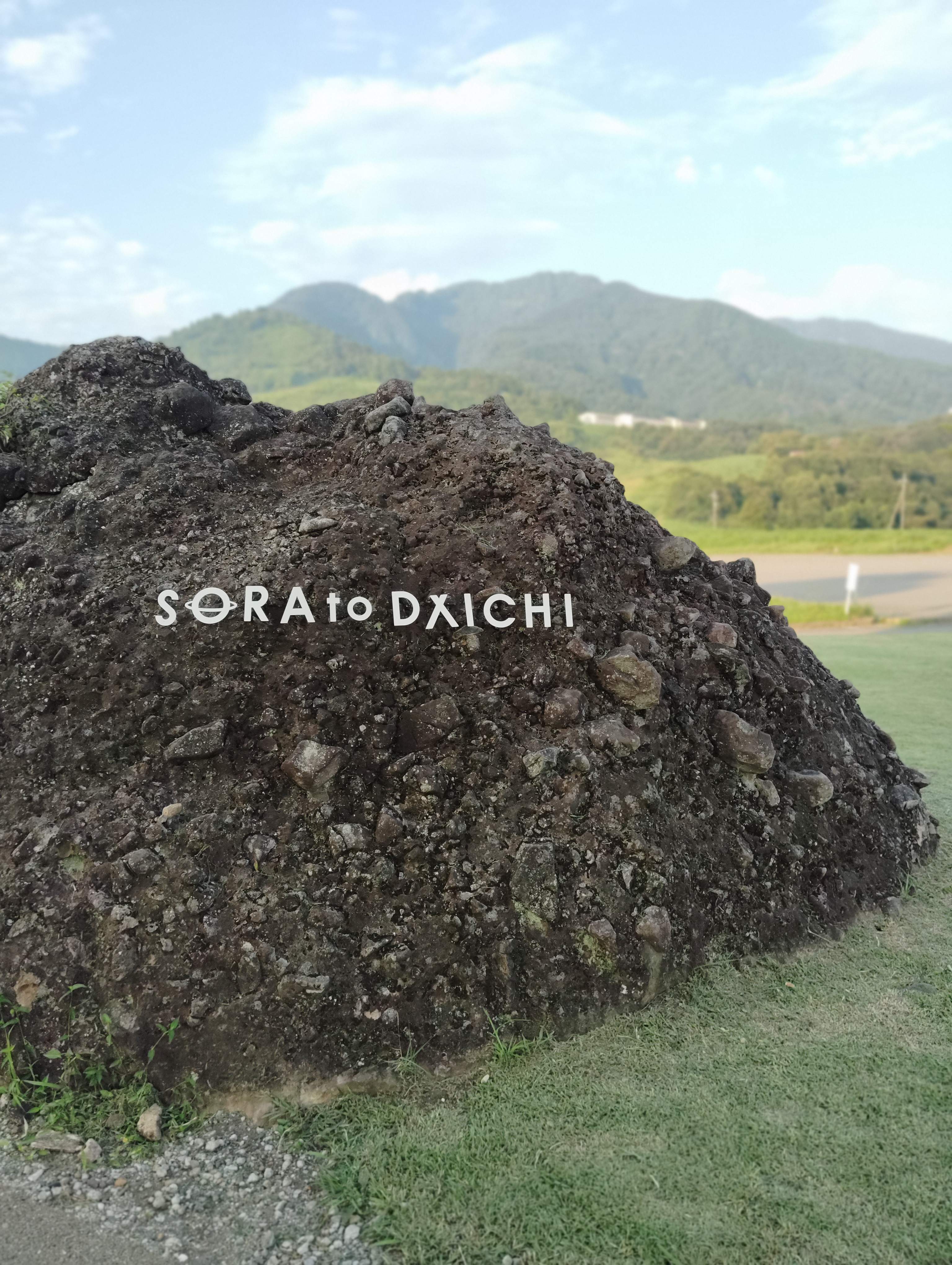
By evening, light softens. At night, stars fill the sky with remarkable clarity.
Morning arrives gently, carried by birdsong.
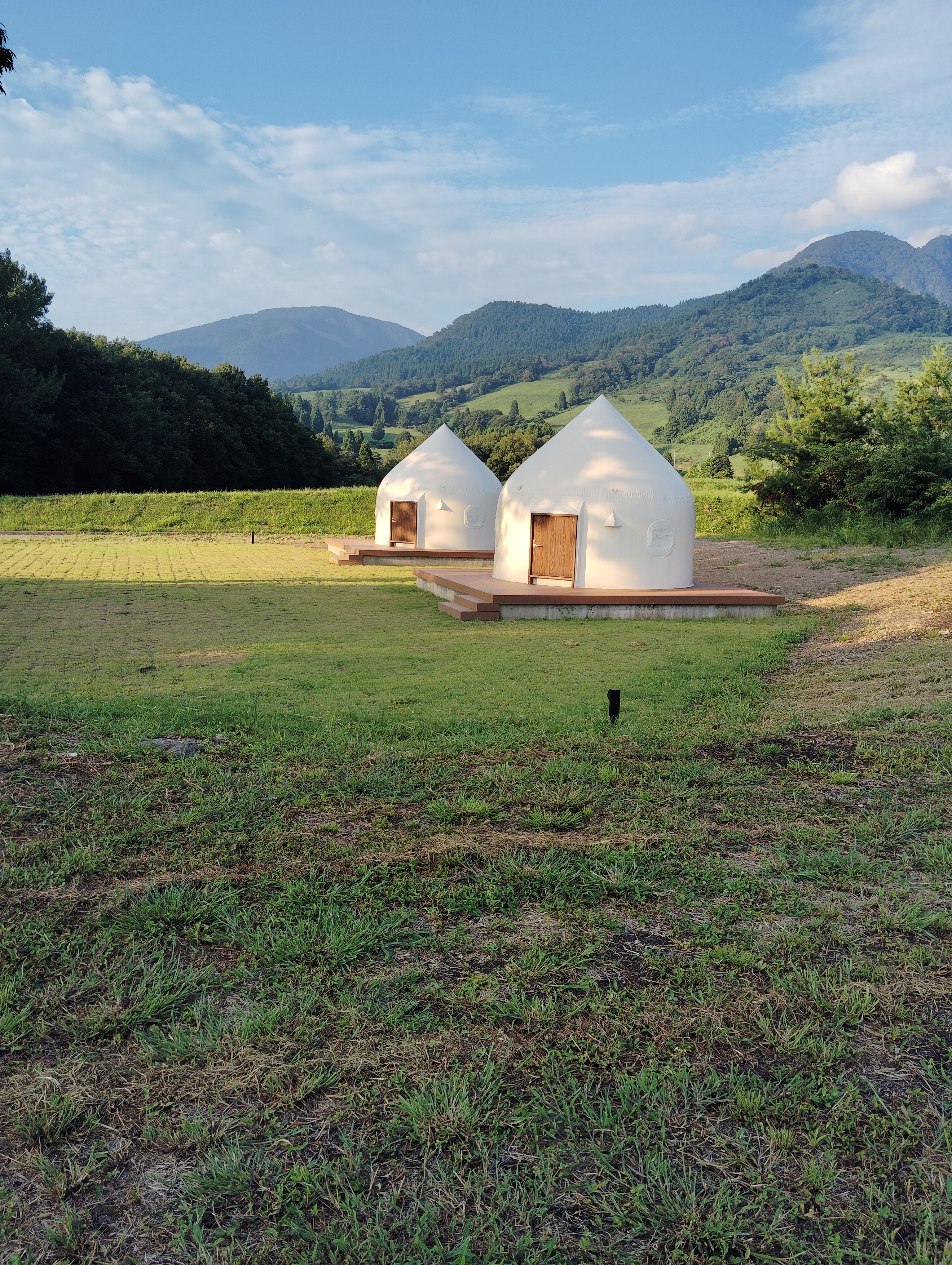
Time spent here is not simply outdoor leisure—it is a return to balance.
=====
Places That Reward Preparation and Presence
Some experiences require more than curiosity—they require readiness.
These places offer something deeper for those willing to engage fully.
=====
Waterfall Meditation at Oiwayama Nissekiji Temple
Deep in a forest valley, silence surrounds you.
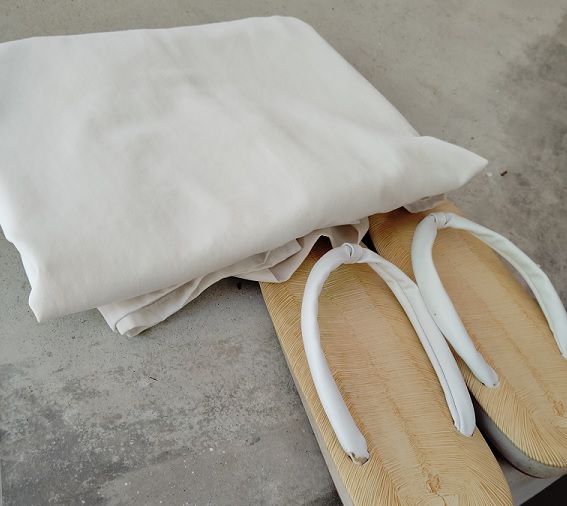
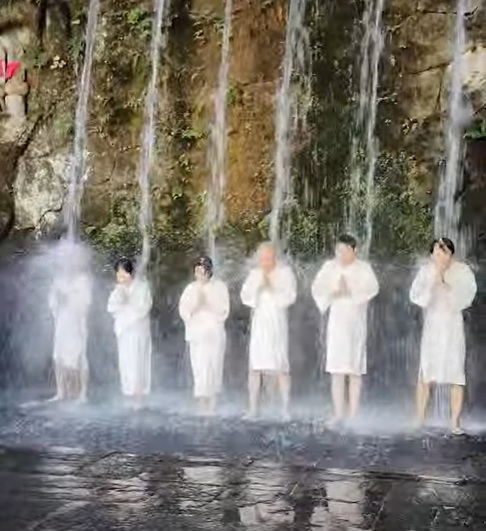
Standing beneath the waterfall, cold water strikes your body. At first overwhelming, it gradually becomes steady.
Breath slows. Thoughts fade.
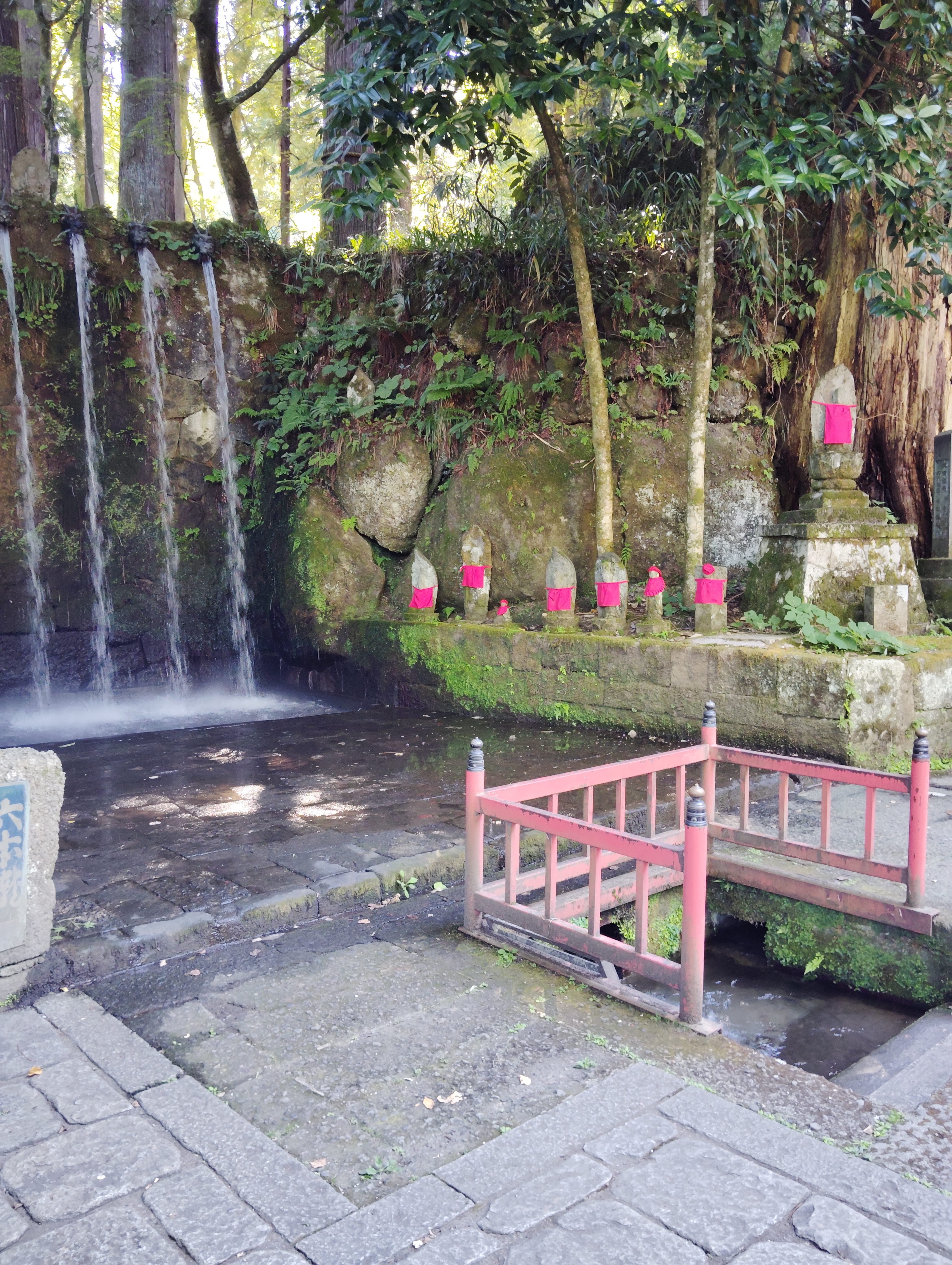
What remains is only the present moment.
This is not just an activity—it is an inward journey.
=====
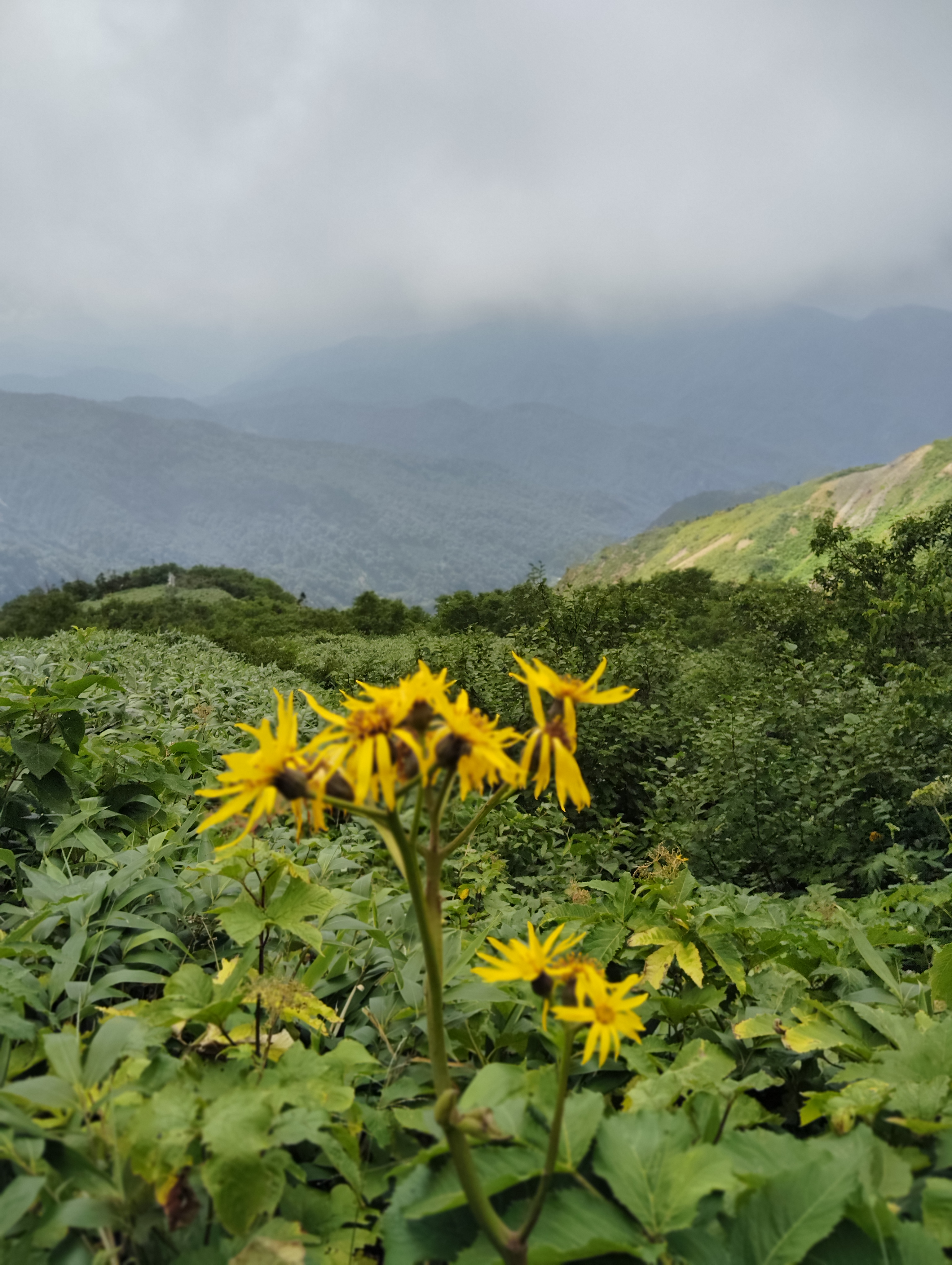
Mt. Hakusan: A Sacred Journey Before Sunrise
Climbing Mt. Hakusan requires effort, but the reward lies in the early morning.
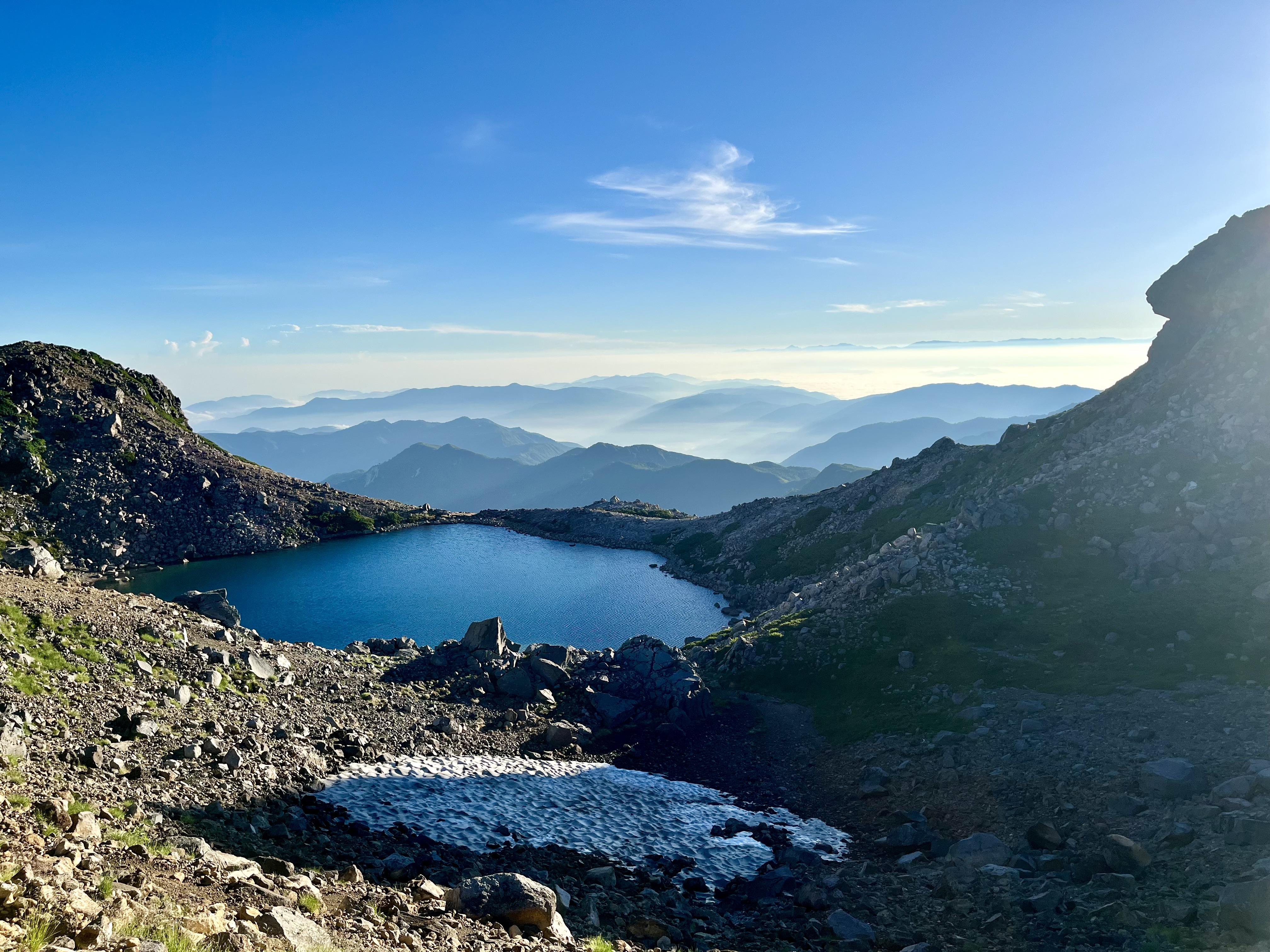
Before dawn, the world is silent. Then slowly, light appears.
As the sun rises, the mountains glow.
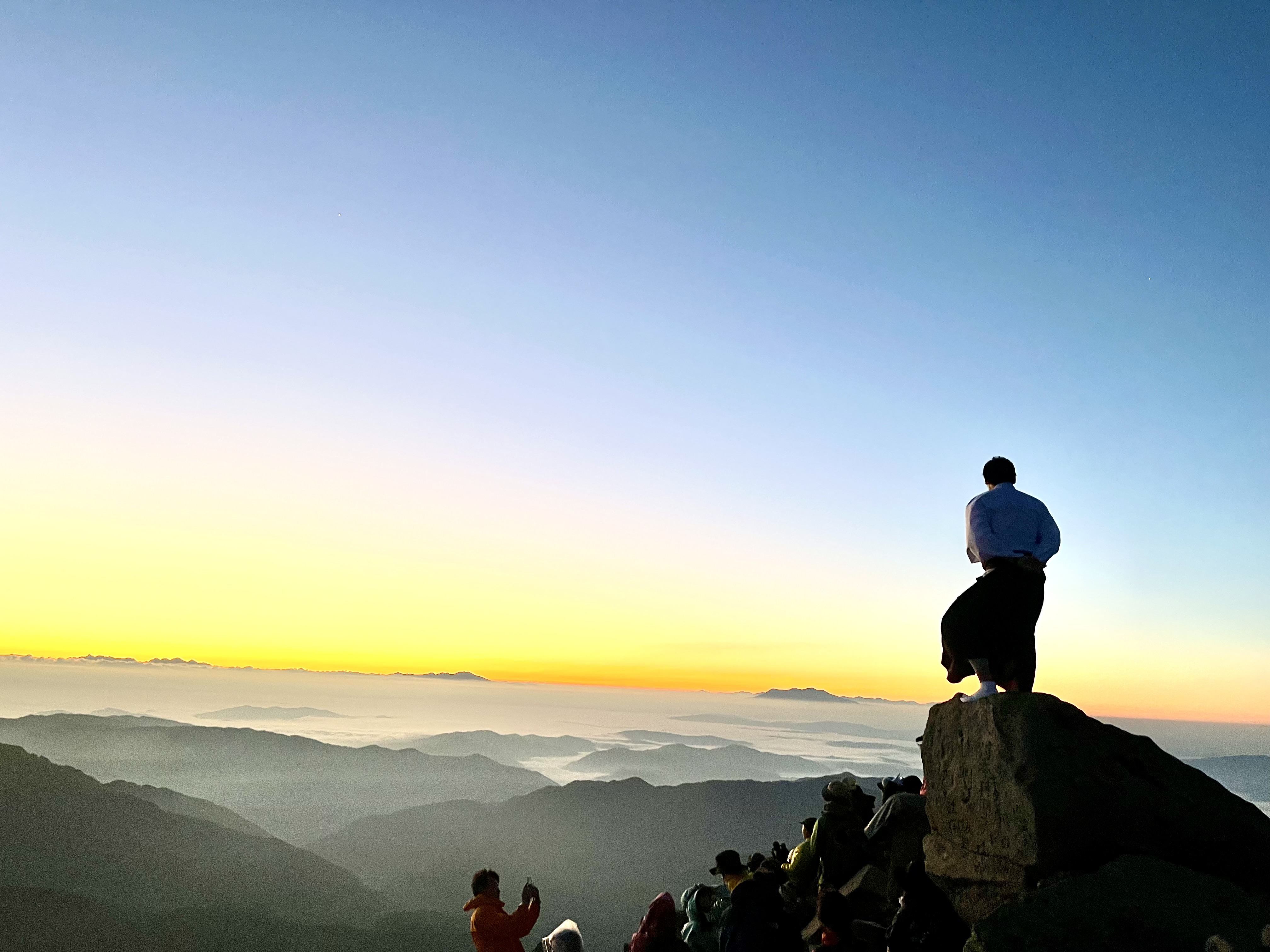
Fatigue disappears, replaced by quiet awe.
This is where nature, effort, and spirituality meet.
=====
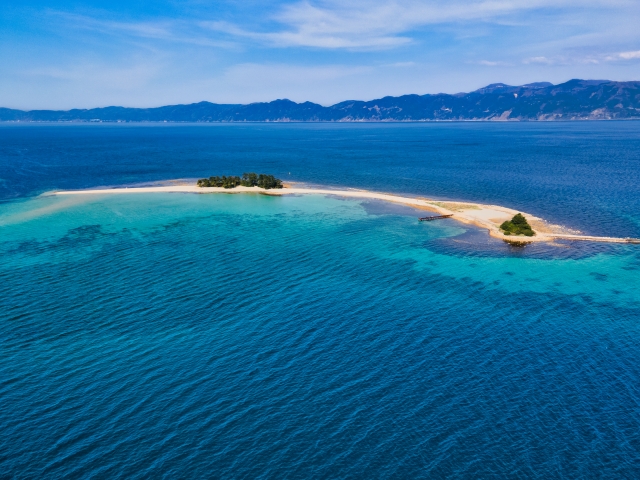
*Mizushima Island: A Pure Landscape of Sea and Sky*
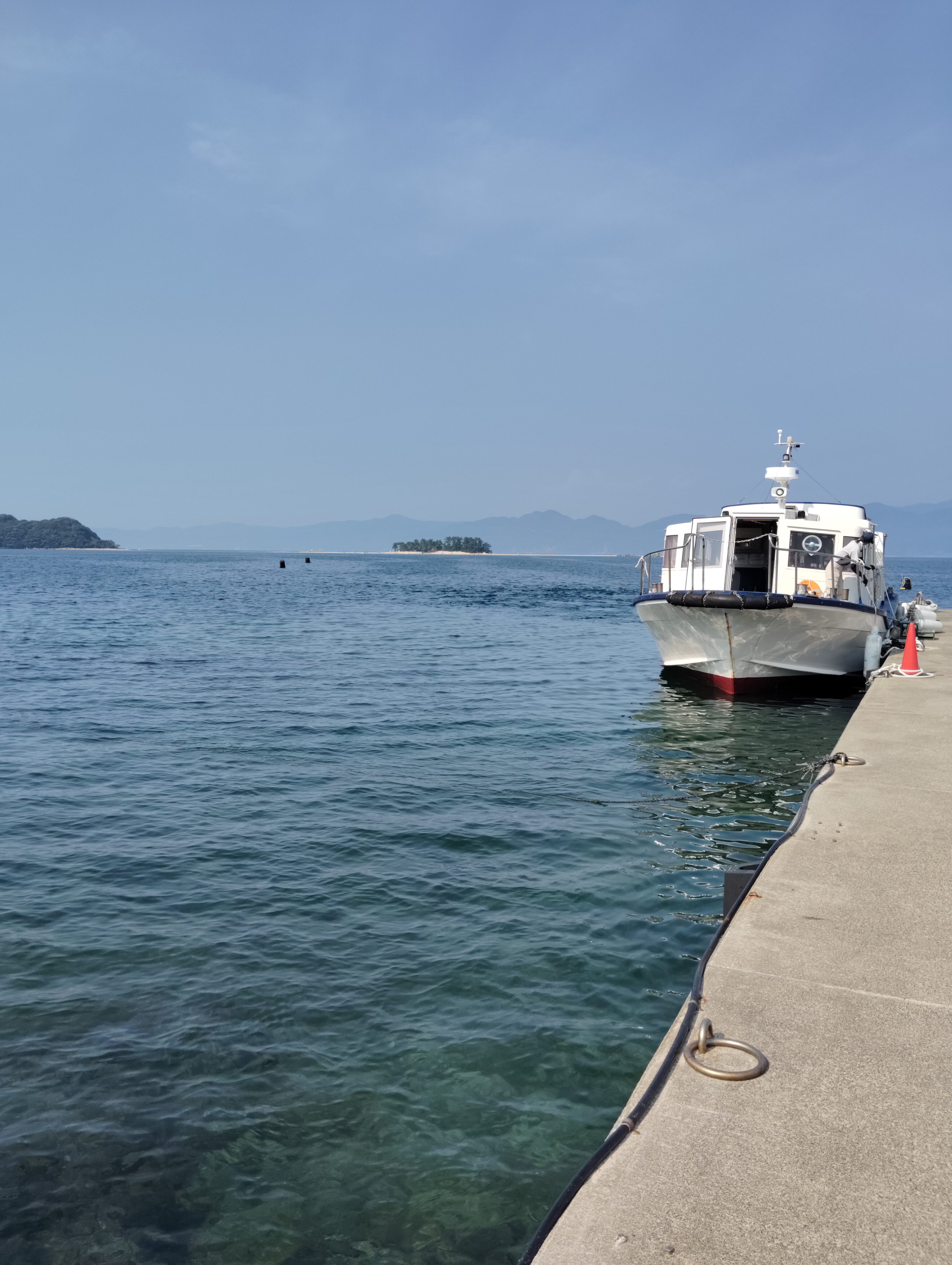
Accessible only in summer, Mizushima is untouched.
White sand, clear water, and endless sky.
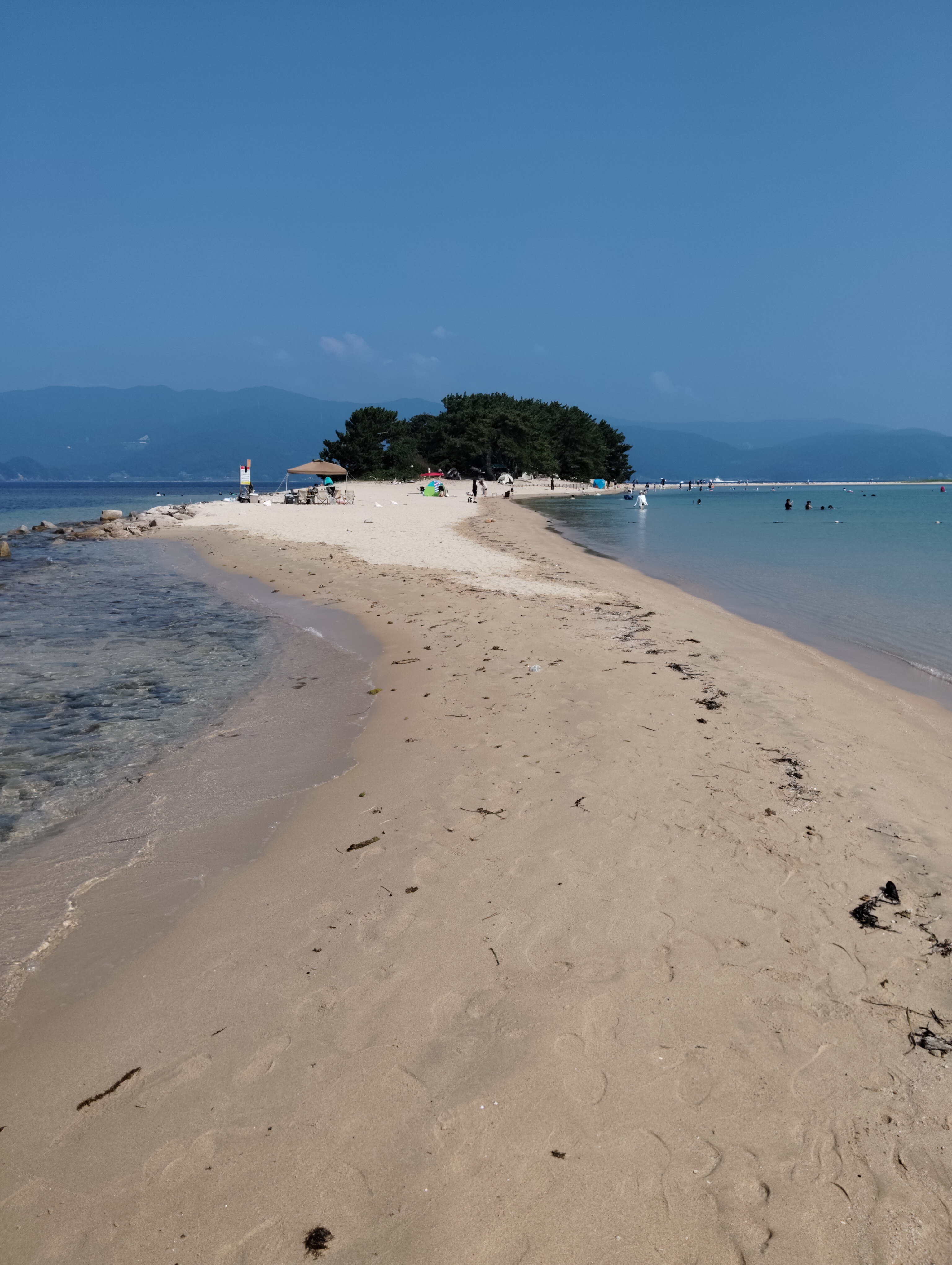
There is nothing extra—only nature itself.
Sitting by the sea, time slows. Entering the water, you feel its clarity directly.
It is a place not for doing, but for simply being.
— Author —
Yoshihito Taya (Hokuriku Area Manager, Japan Regional Consortium (JRC)
/ Japan Tourism Agency Co., Ltd. (JTA)
He is engaged in discovering regional resources centered in the Hokuriku area and promoting them to international audiences.
Working across a wide range of fields—including tourism, food, and traditional crafts—he leads projects that convey the unique appeal of local regions overseas.
He also shares Hokuriku’s charm through his personal Instagram
.


.png)
.png)
.png)
.png)
.png)
.png)
.png)
.png)
.png)
.png)
.png)
.png)
.png)
.png)
.png)
.png)
.png)
.png)
.png)
.png)
