
Hokuriku Under the Snow: A Winter Drive Through the Golden Age of Maritime Trade(MII)


language |ไทย | 繁體中文 | 简体中文 |日本語
Hokuriku Under the Snow: A Winter Drive Through the Golden Age of Maritime Trade
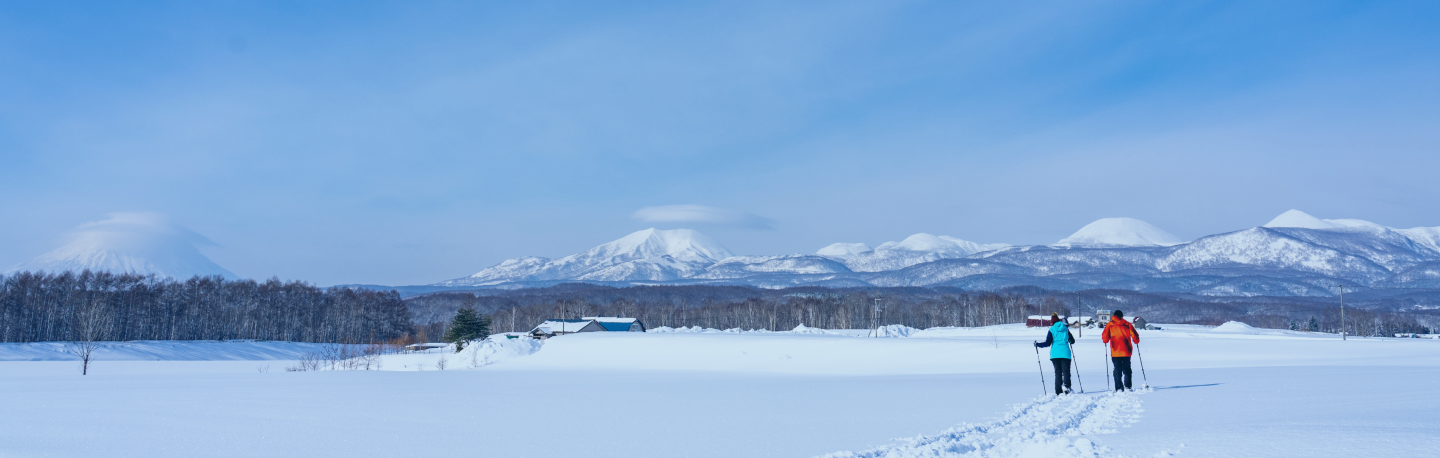
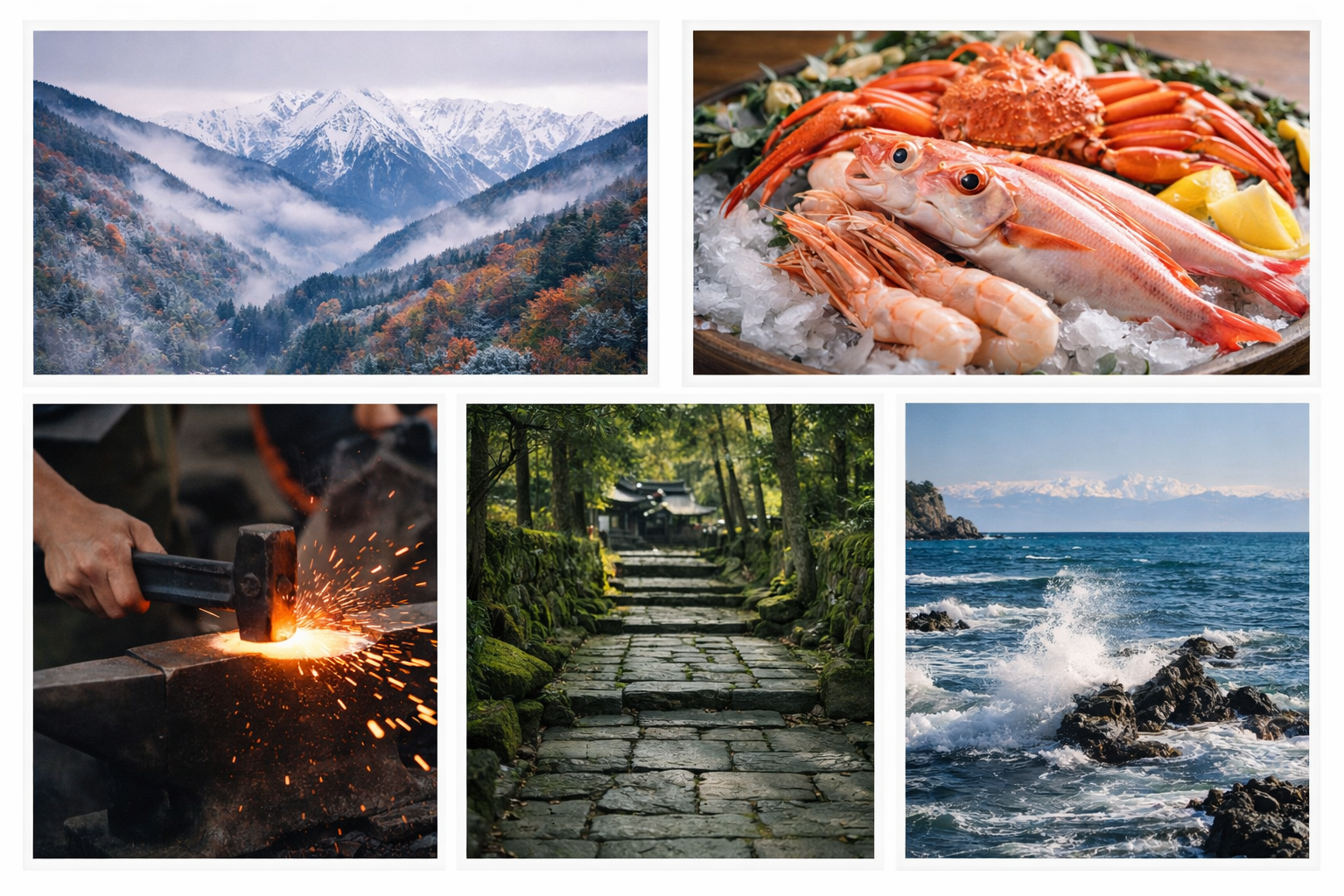
Toyama, Ishikawa, and Fukui, the three prefectures on the west coast known as Hokuriku, are among the snowiest places in the world.
But beneath all that thick, white snow, you can still find traces of how wealthy this area used to be. Back in the Edo period, Hokuriku was a goldmine for merchants who got rich from the Kitamaebune ships. They traded goods between Osaka and Hokkaido, which was a big deal in winter because traveling by land was just too hard.
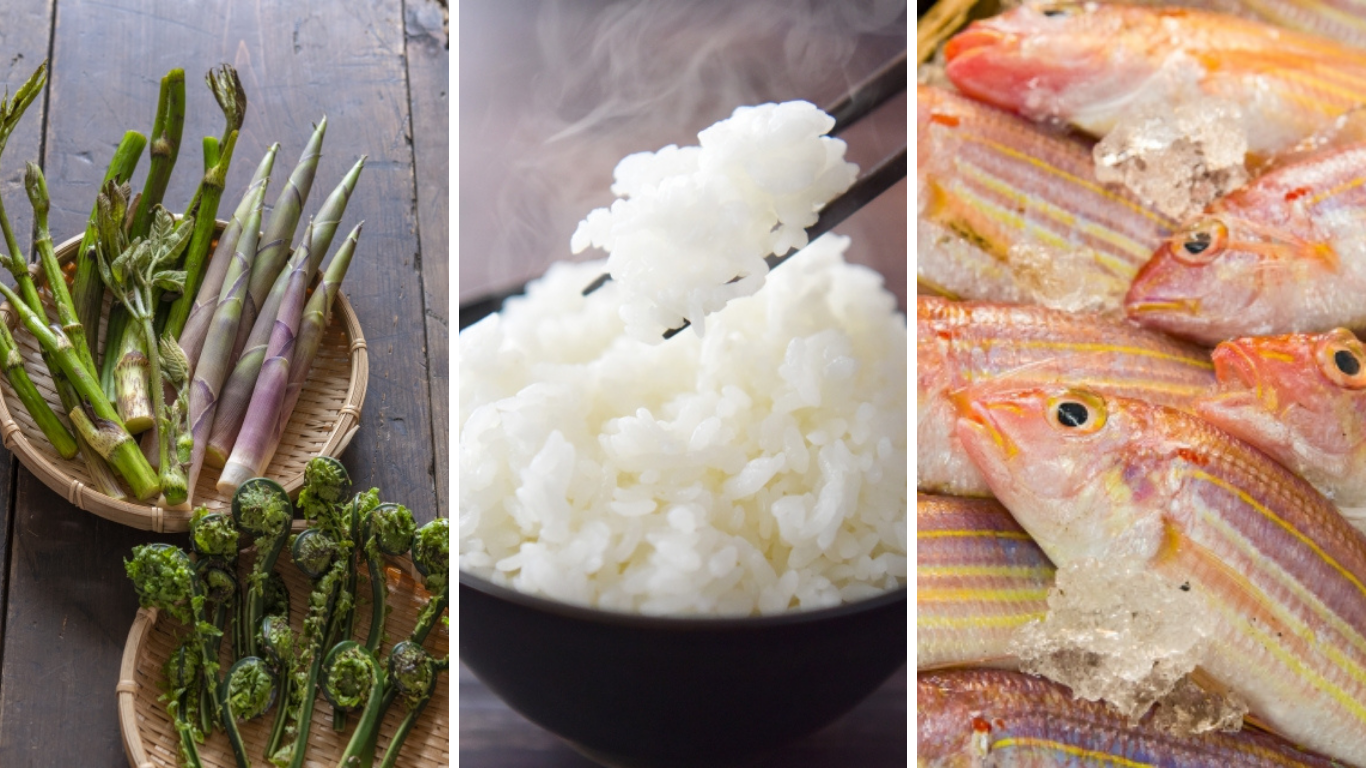
This sea route changed everything for Japan, especially the food. Kelp harvested mainly in northern regions started traveling on these ships, spreading that "Umami" flavor all over the country and changing Japanese food forever.
I should tell you first this isn't just a history lesson. It’s a trip about exploring towns, soaking in hot springs, and eating (I arrived right at the best time for crab!) with the story of the old sea trade as our backdrop.
Before I left, the forecast showed nothing but snow icons for the whole week. I knew it would be freezing, so I packed plenty of warm clothes and just prayed the snow wouldn't be so bad that it blocked the roads. Usually, people take the Shinkansen to Kanazawa, but this time I flew into Komatsu Airport in Ishikawa instead.
A quick tip: if you can drive, getting around this region is much easier by car, even in the snowy winter (just be extra careful!).
The Richest Village in the Edo Era
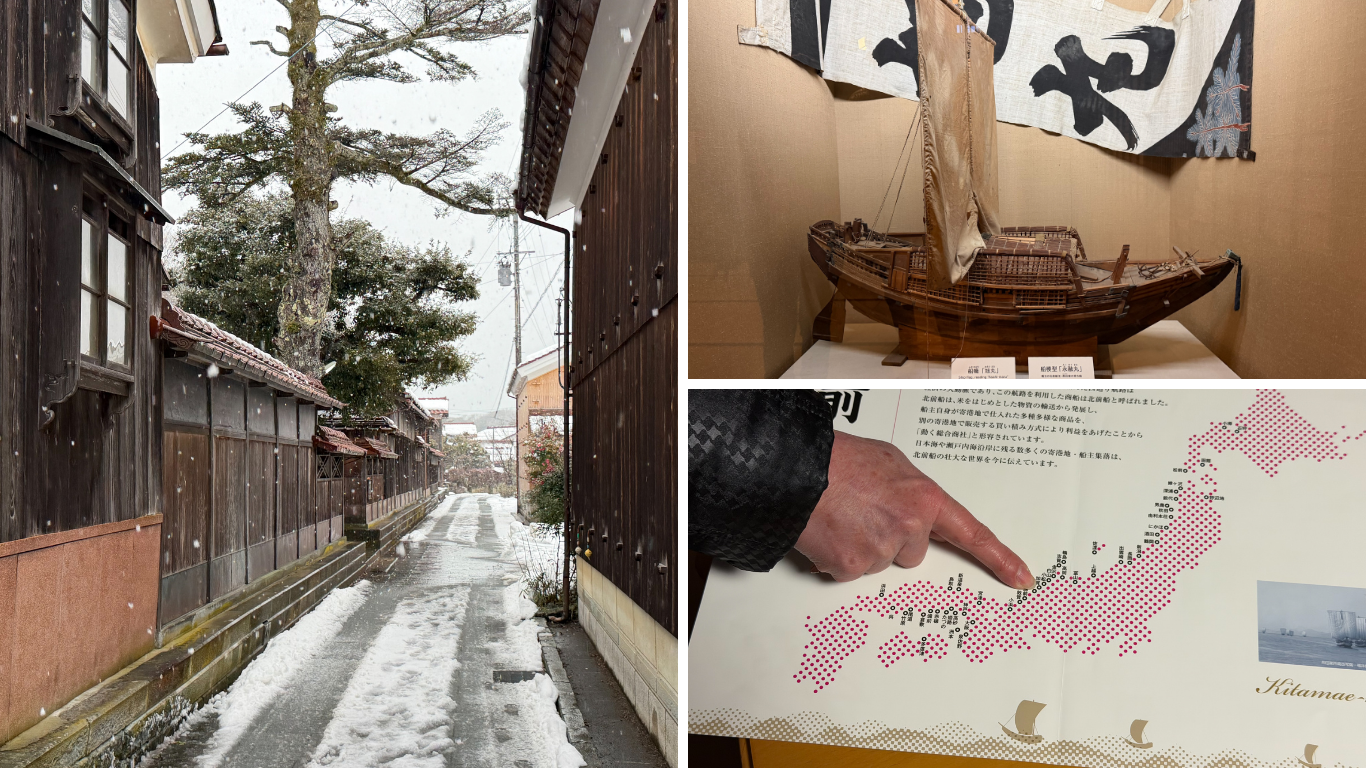
Not far from the airport is Kaga Hashitate, a small village that was once the richest in Japan. The story goes that the people here started as farmers but got jobs as sailors. Eventually, they bought their own ships and started trading between Osaka and Hokkaido.
They went from farmers to rich merchants. If you look at the map, Kaga Hashitate is right in the middle of that long sea route.
You can still see that old wealth today. Even though it’s a small village, it’s kept all its old-fashioned charm with cafes and museums made from the old mansions of those rich merchants.
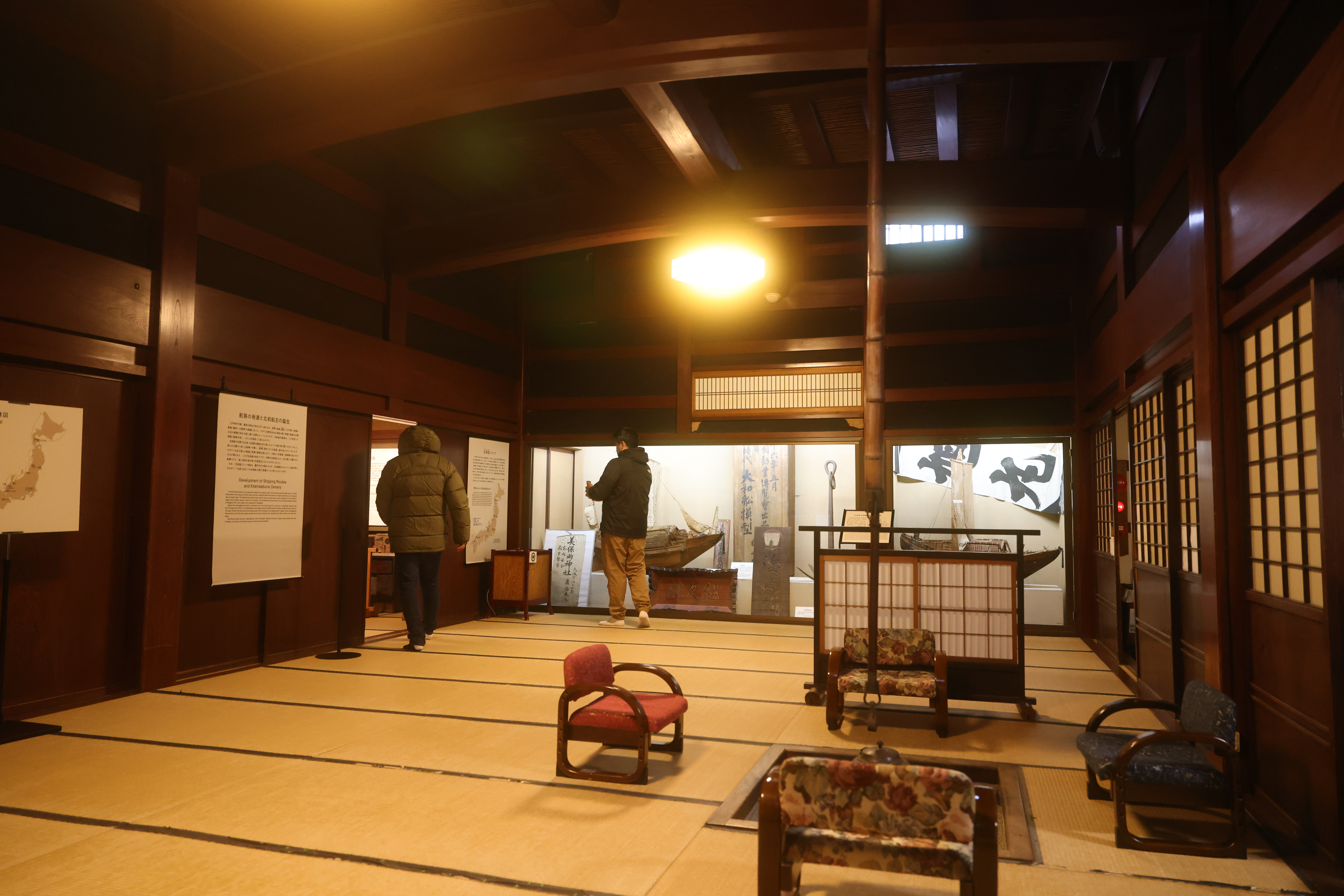
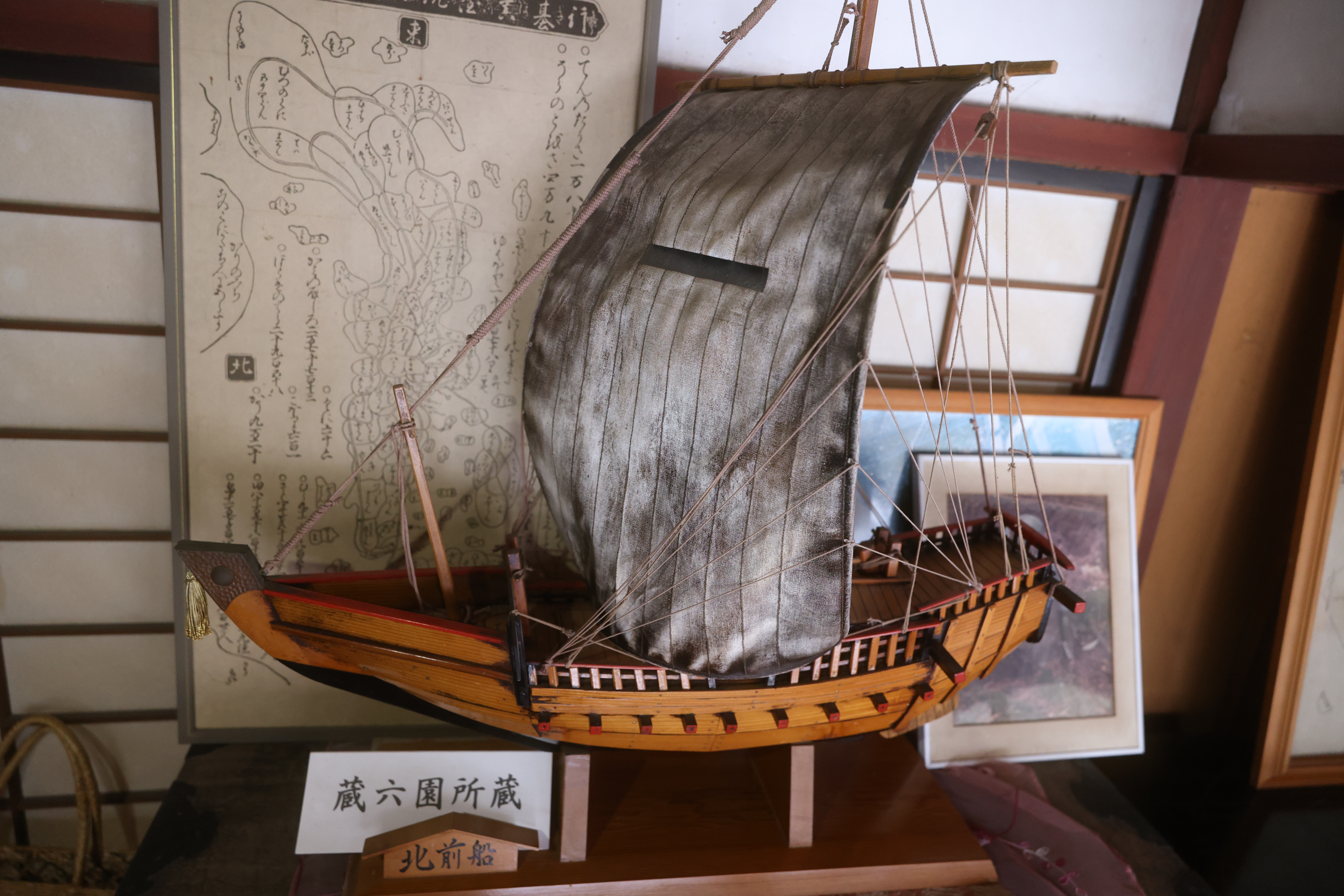
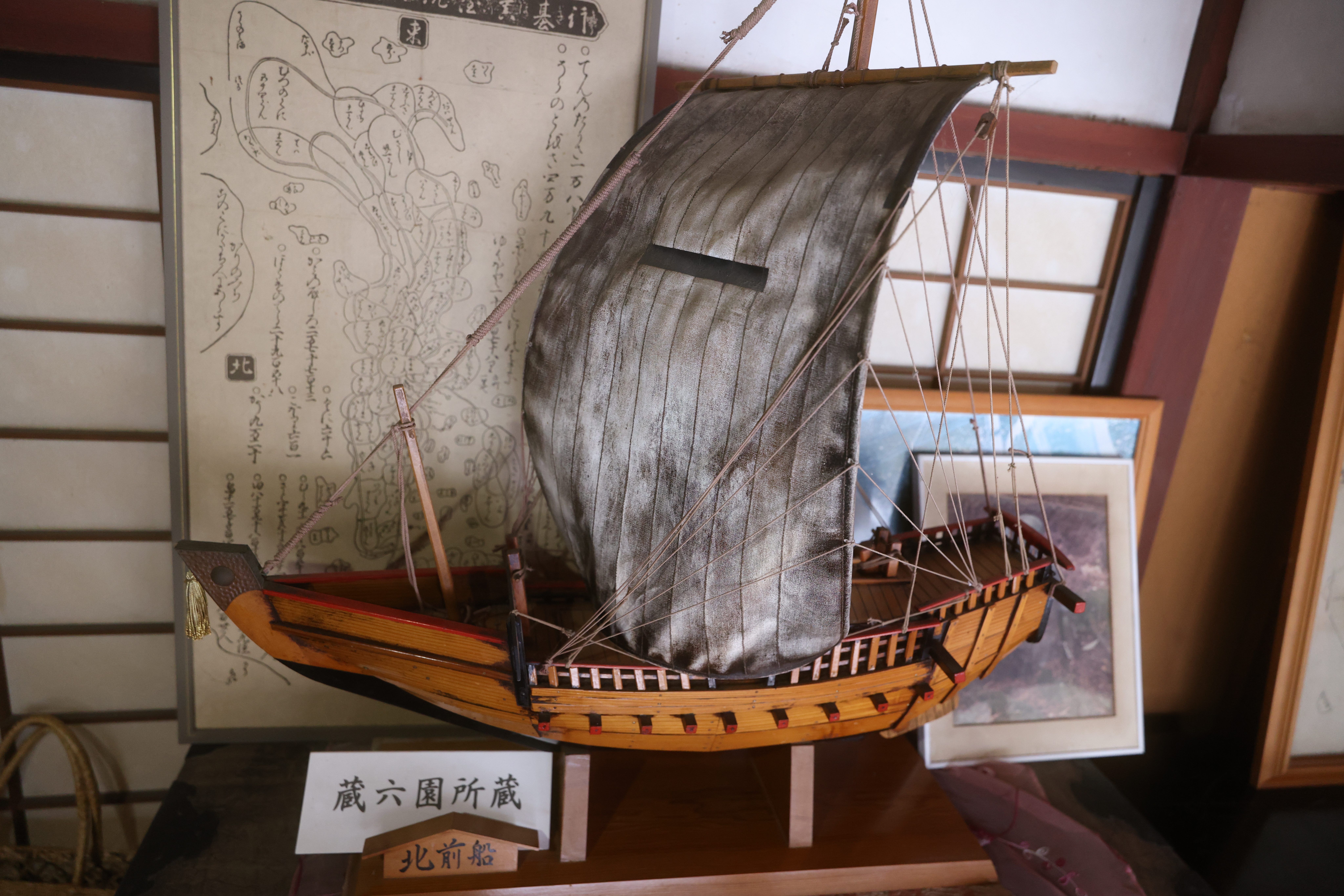

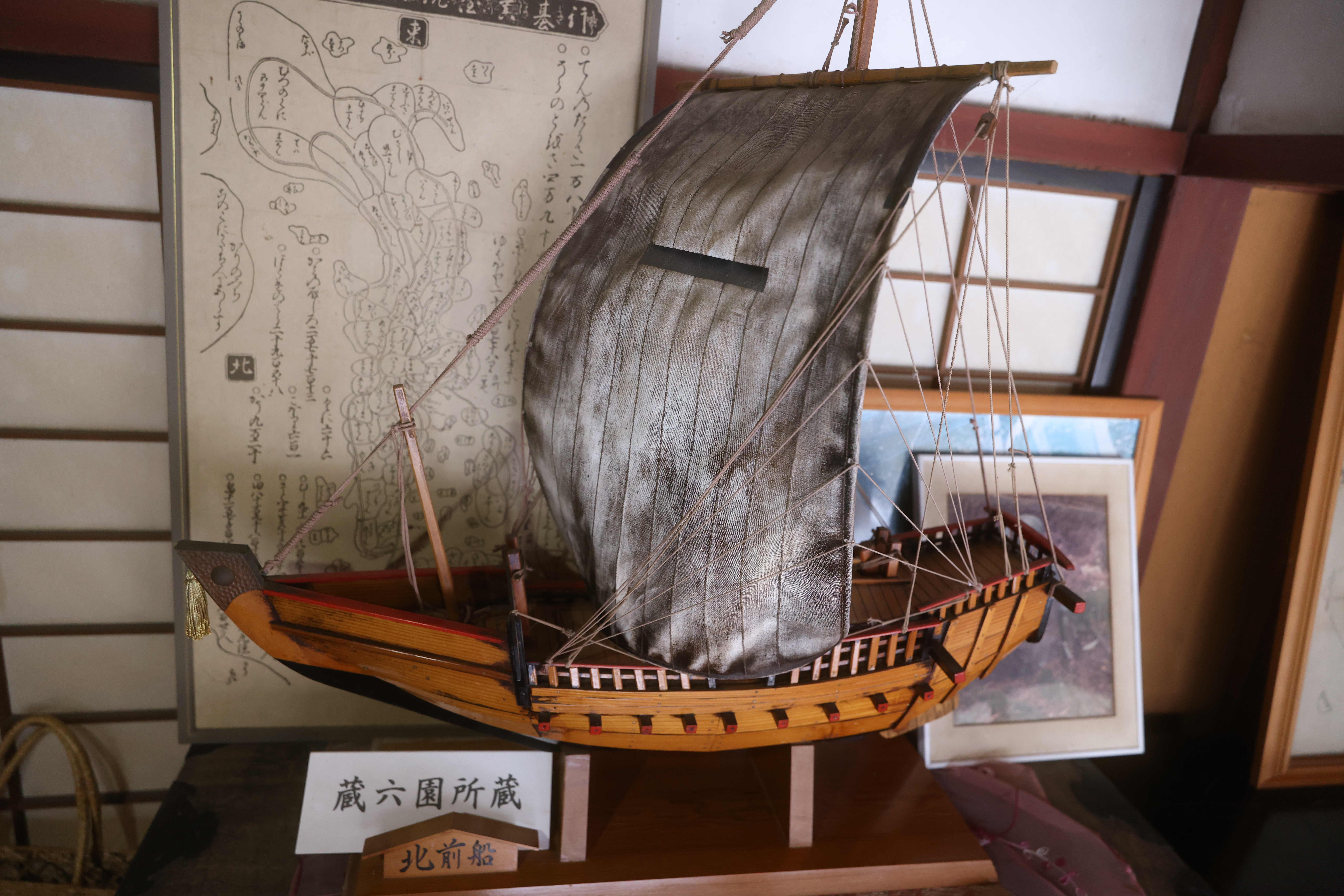
You should definitely stop by the Kitamaebune Ship Museum. It gives you a really clear picture of how rich this area was.
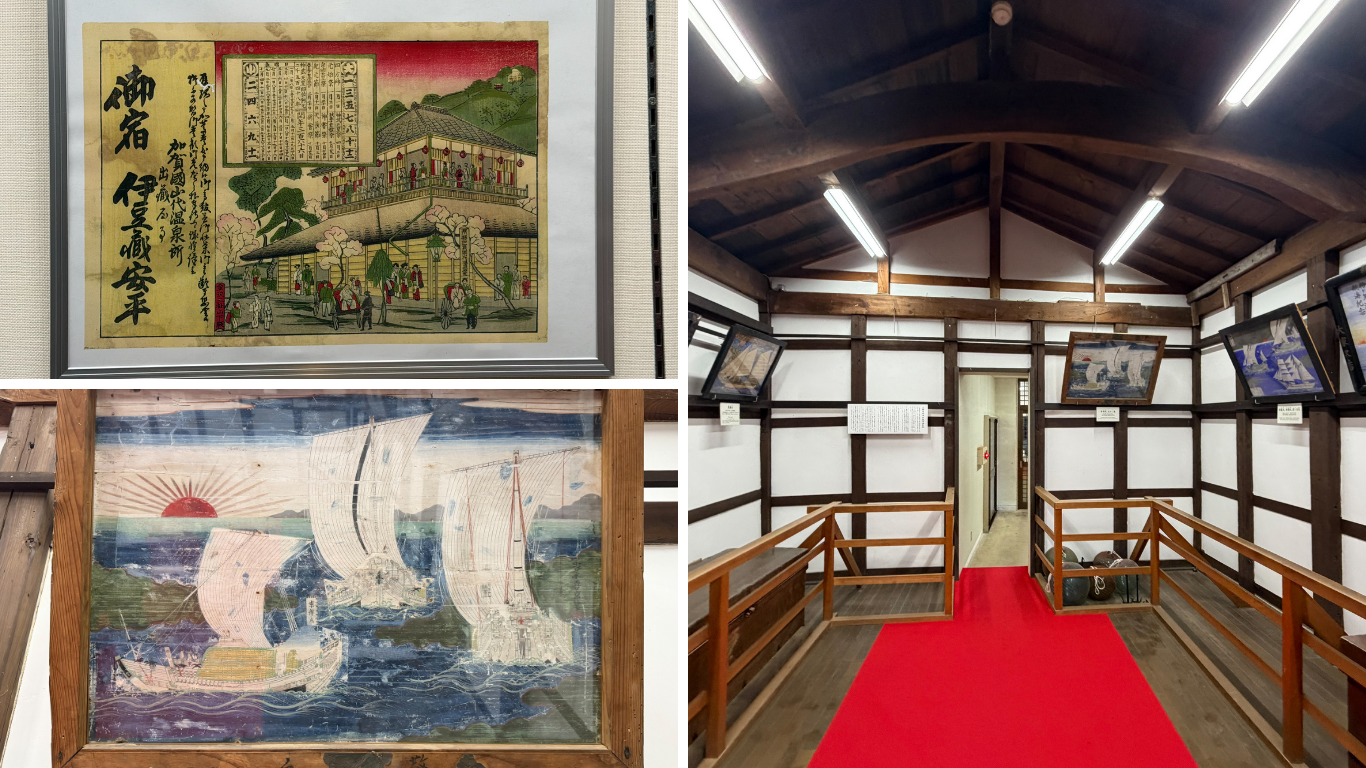
They have real things from the old days: model ships, old ship chests, and even the clothes the merchants wore. My favorite part was the old colorful print ads they used to give to customers; the designs were so cool I wanted one for myself.
The snow didn't stop, and it got even colder after sunset. Because it's winter in Hokuriku, we only booked hotels with onsen (hot springs). Kaga City has four famous hot spring spots, and we stayed at Yamashiro Onsen.
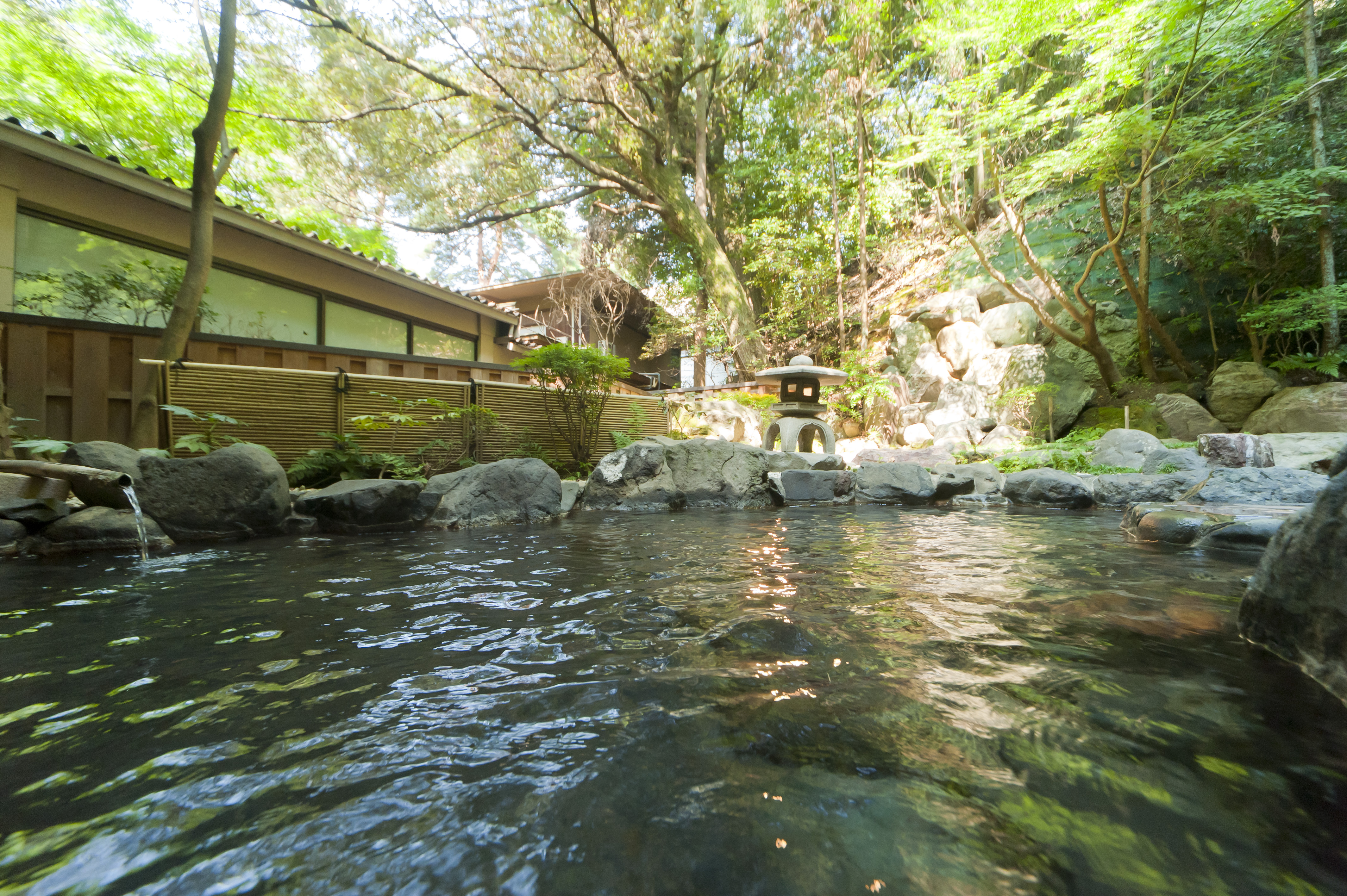
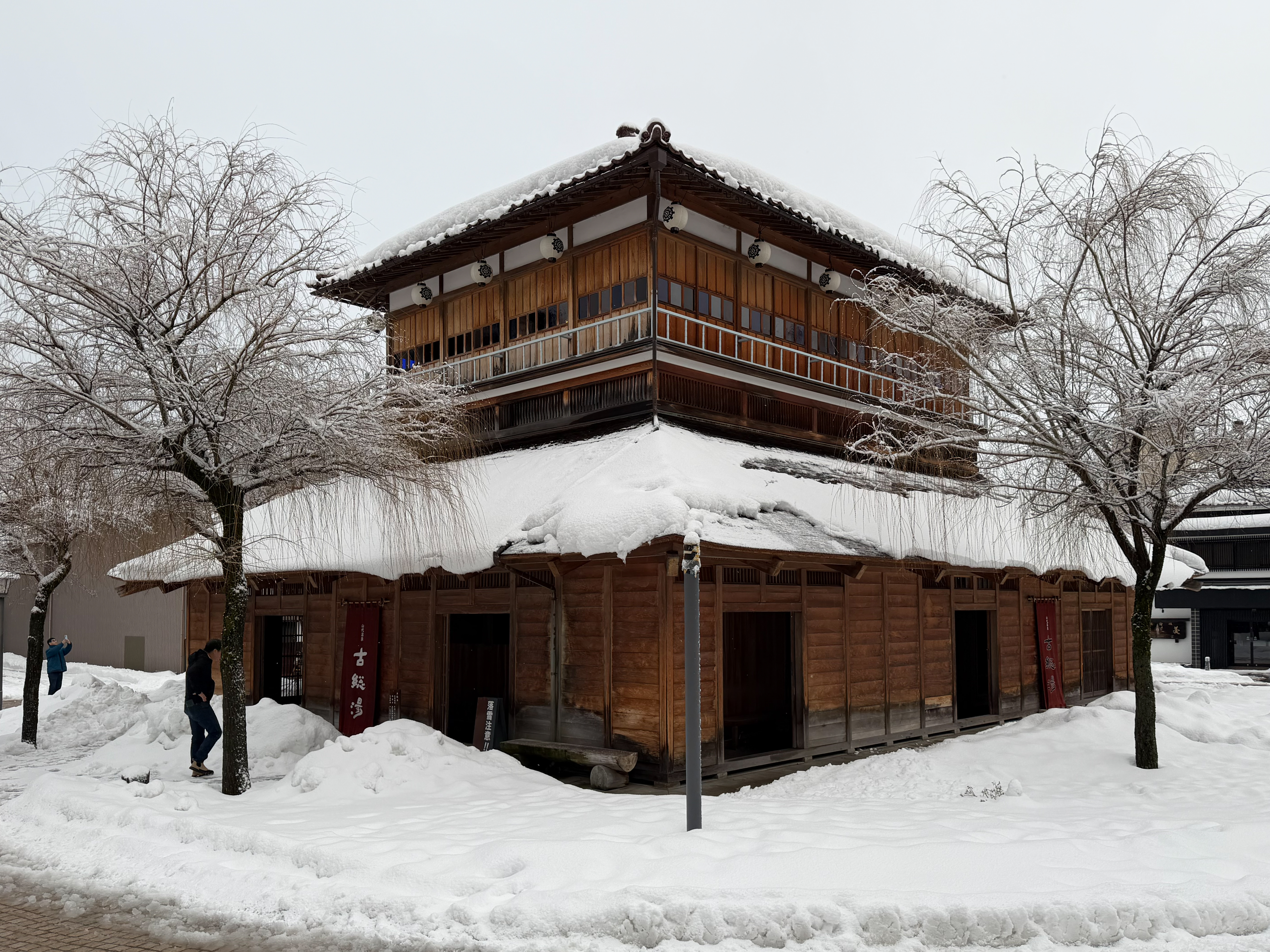
We stayed at Yoshida Sannoukaku, a very old Japanese inn. If you want a real old-school vibe, the town has a public bathhouse styled after the Meiji era. It’s just a pool for soaking—no modern showers or soap. In the old days, these baths were in the center of town, with inns built all around so everyone could come and soak together.
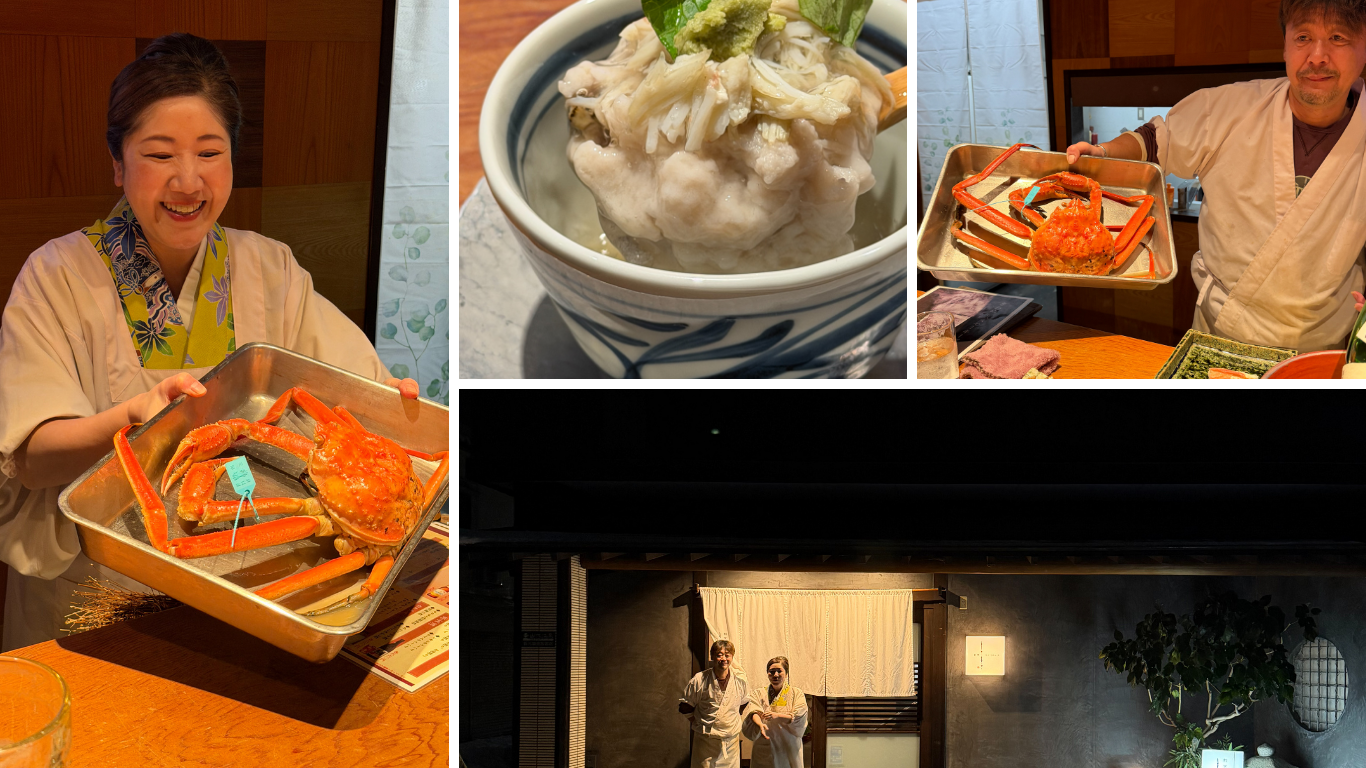
For dinner, we had a traditional meal at a place called Morimoto. Instead of ordering ourselves, I let the chef choose the best local food for us. It’s the safest way to make sure you get the best of the season. And yes, we definitely got our fill of winter crab and fresh seafood!
The Samurai Town
It snowed all night. In the morning, I soaked in the outdoor bath while the snow was still falling. After a big local breakfast, we headed to Kenrokuen Garden next to Kanazawa Castle.
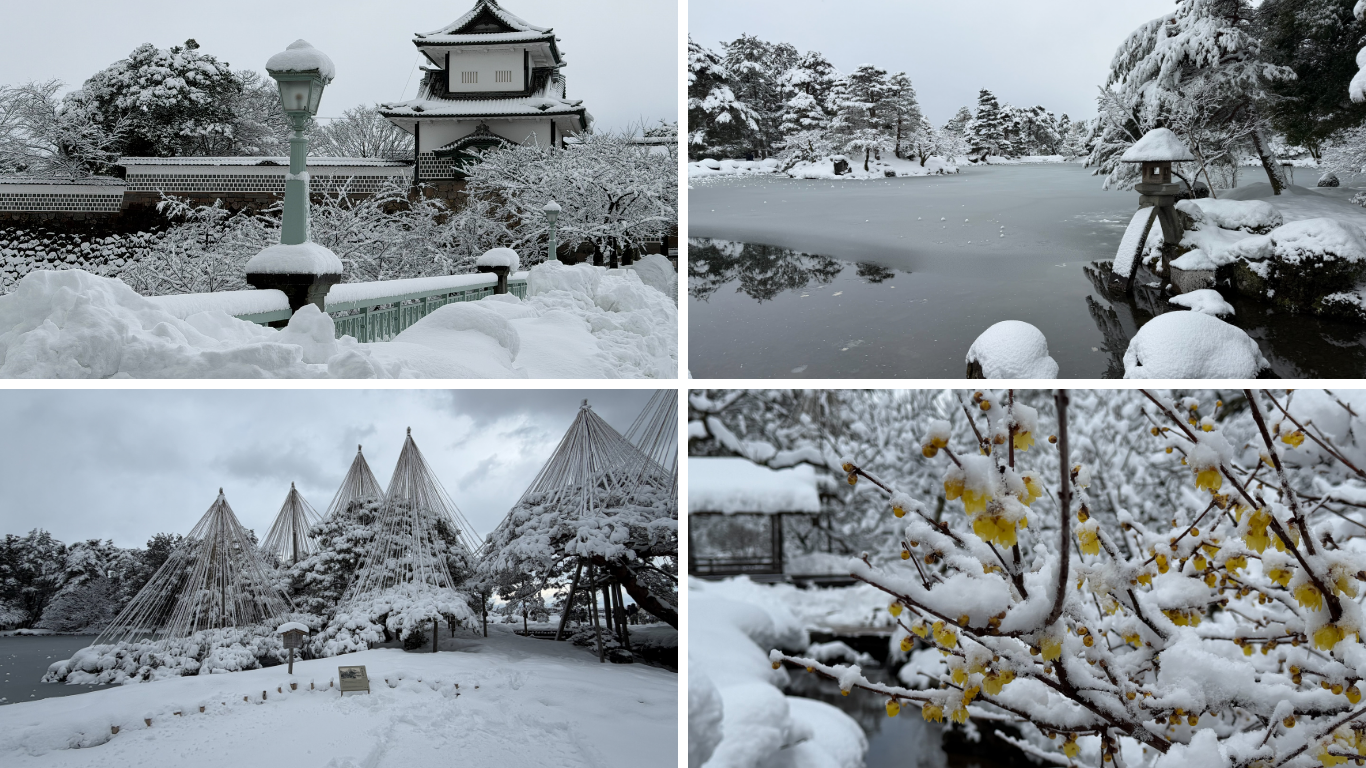
This garden was built by the old lords. Even when it’s covered in white snow, it’s beautiful. But more than just being pretty, the garden was a way for the lords to show off their wealth and good taste without having to show off their weapons.
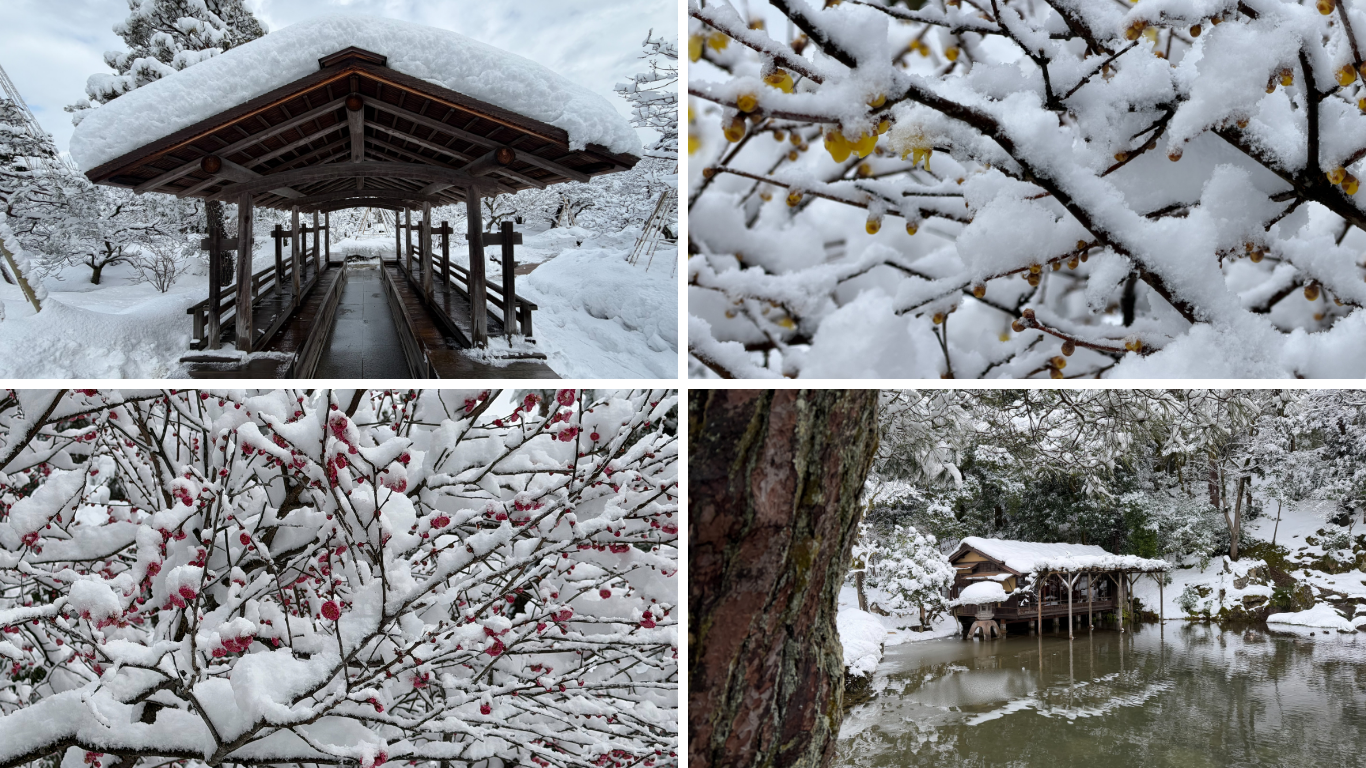
Everything in the garden is done with so much care. There’s a fountain that works naturally without electricity, and the huge trees are shaped like giant bonsai. It’s the kind of care that takes generations to maintain.
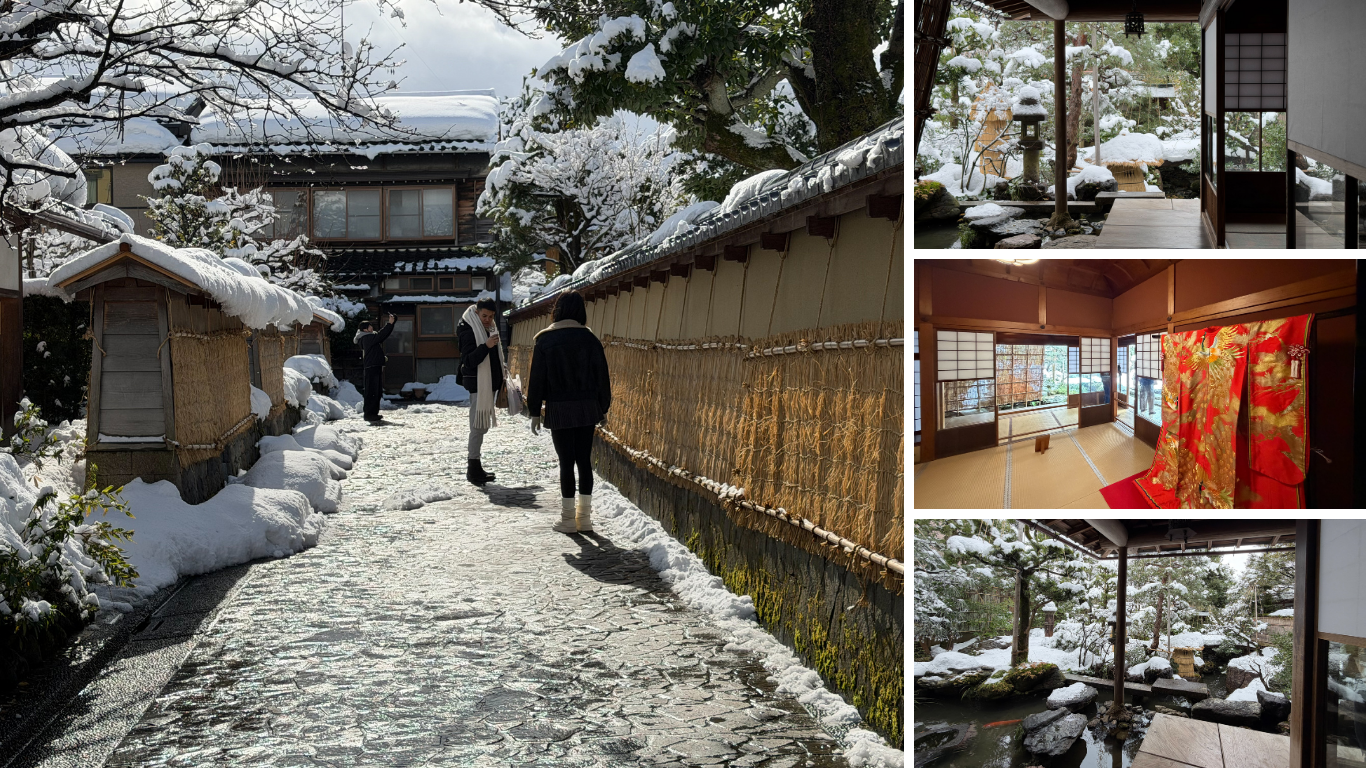
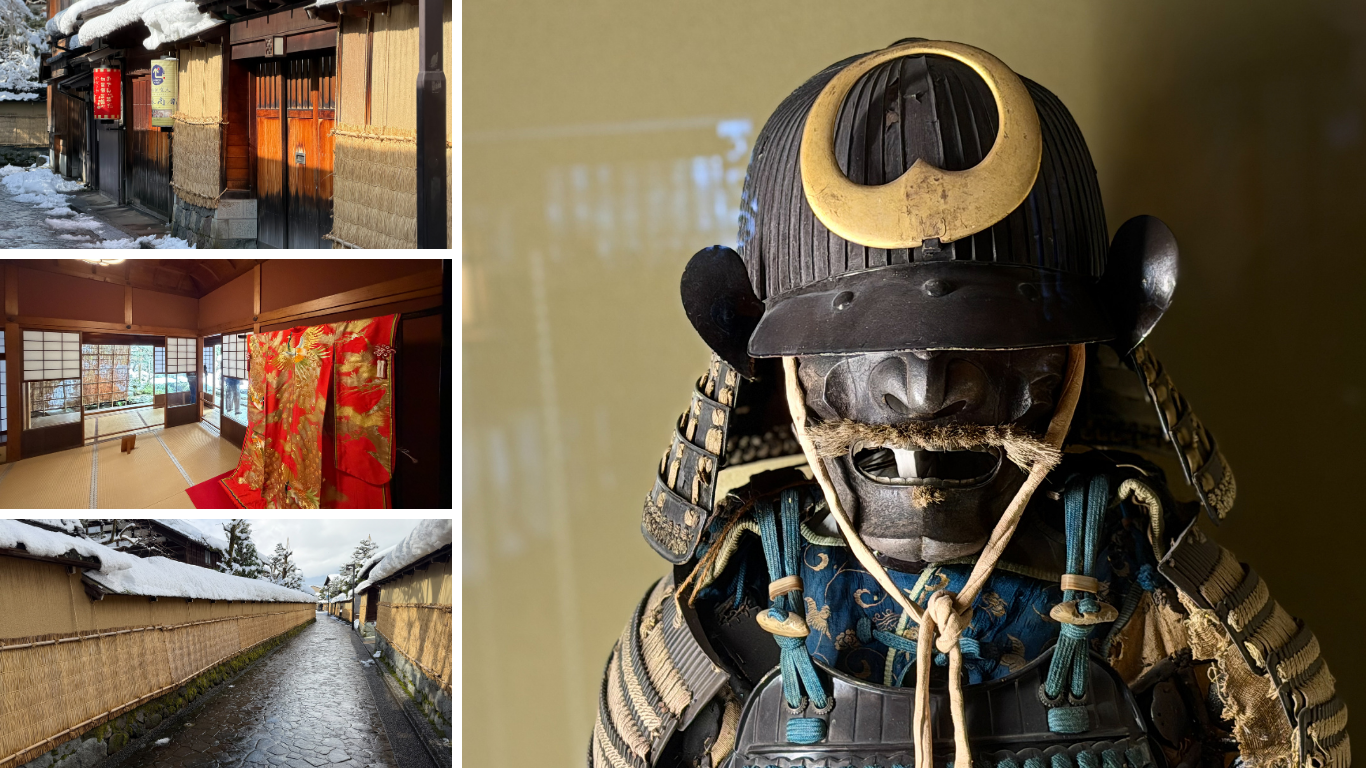
On the other side of the castle is Nagamachi, the old Samurai neighborhood. Many of the old houses are still there, and some are now museums. The area still feels like the Samurai days because there are strict rules to keep the front of the houses looking exactly like they did in the past.
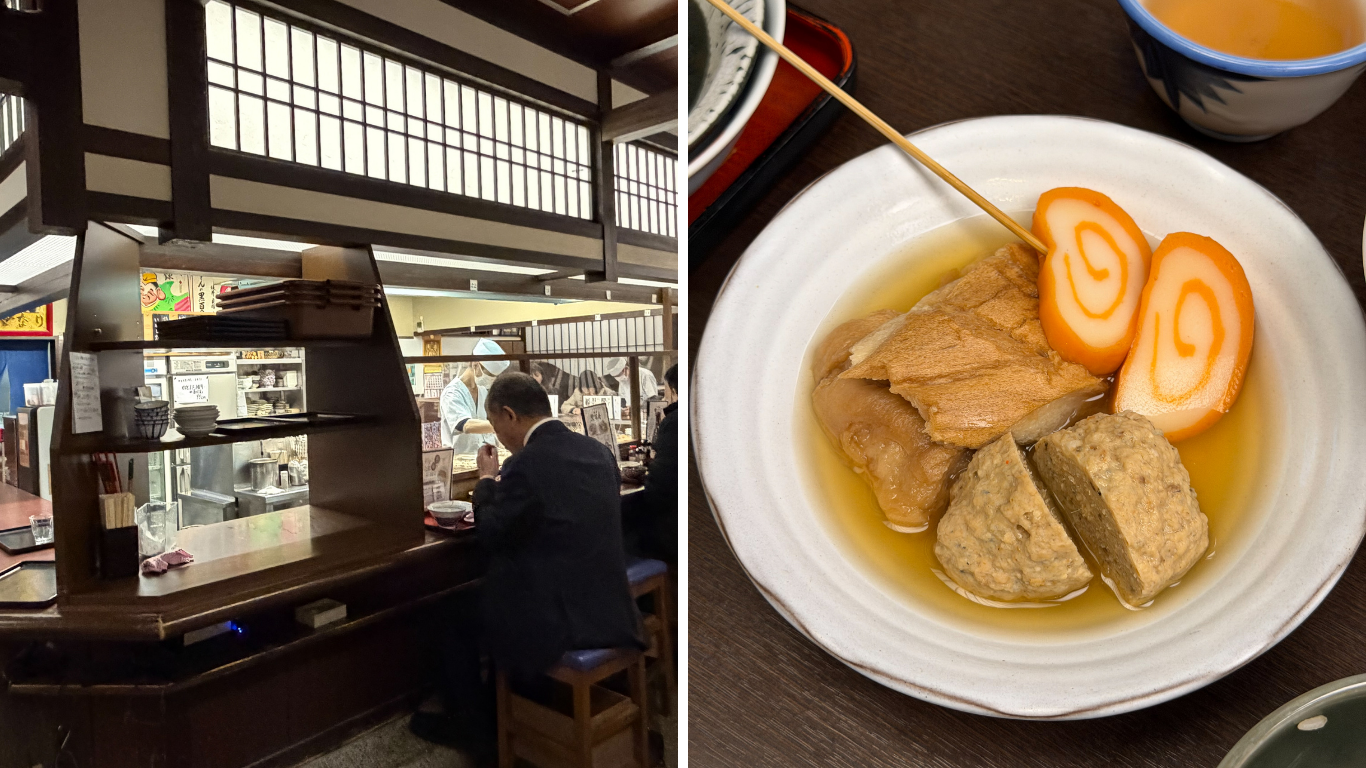
Before leaving Kanazawa, we grabbed some Oden at the station. It’s a classic shop that makes you feel like you've stepped back in time. Someone told me Kanazawa became famous for Oden because of the Kombu seaweed that came from Hokkaido on those old trade ships.
That seaweed added the "Umami" to the soup, and honestly, a bowl of hot Oden is the best thing ever in this freezing weather.
The Endless Prosperity of Iwase
From Kanazawa, we drove east to Toyama and visited a small town called Iwase. I really loved this place.
Iwase was a major port back in the day. You can still see the big merchant houses and warehouses along the main road. The old mansare now museums, and one even has a cool craft brewery in the back!
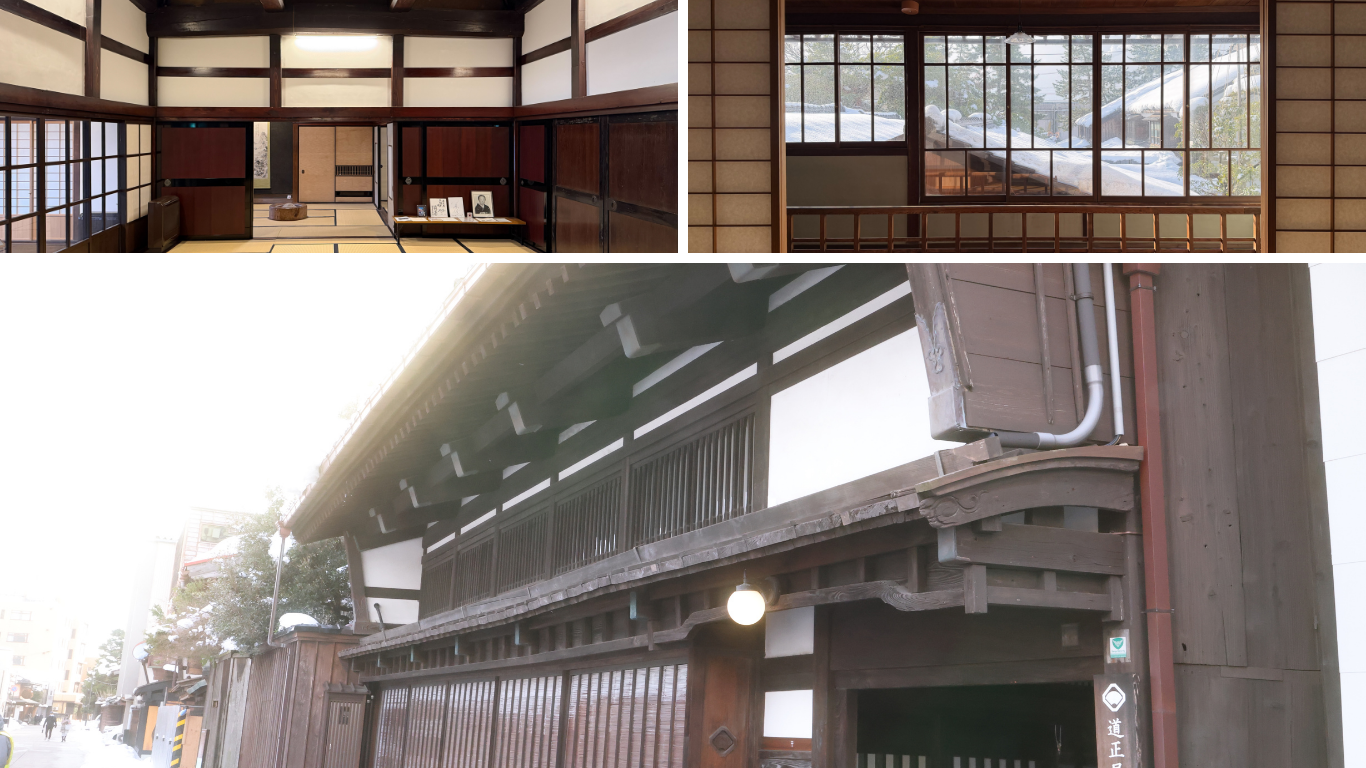
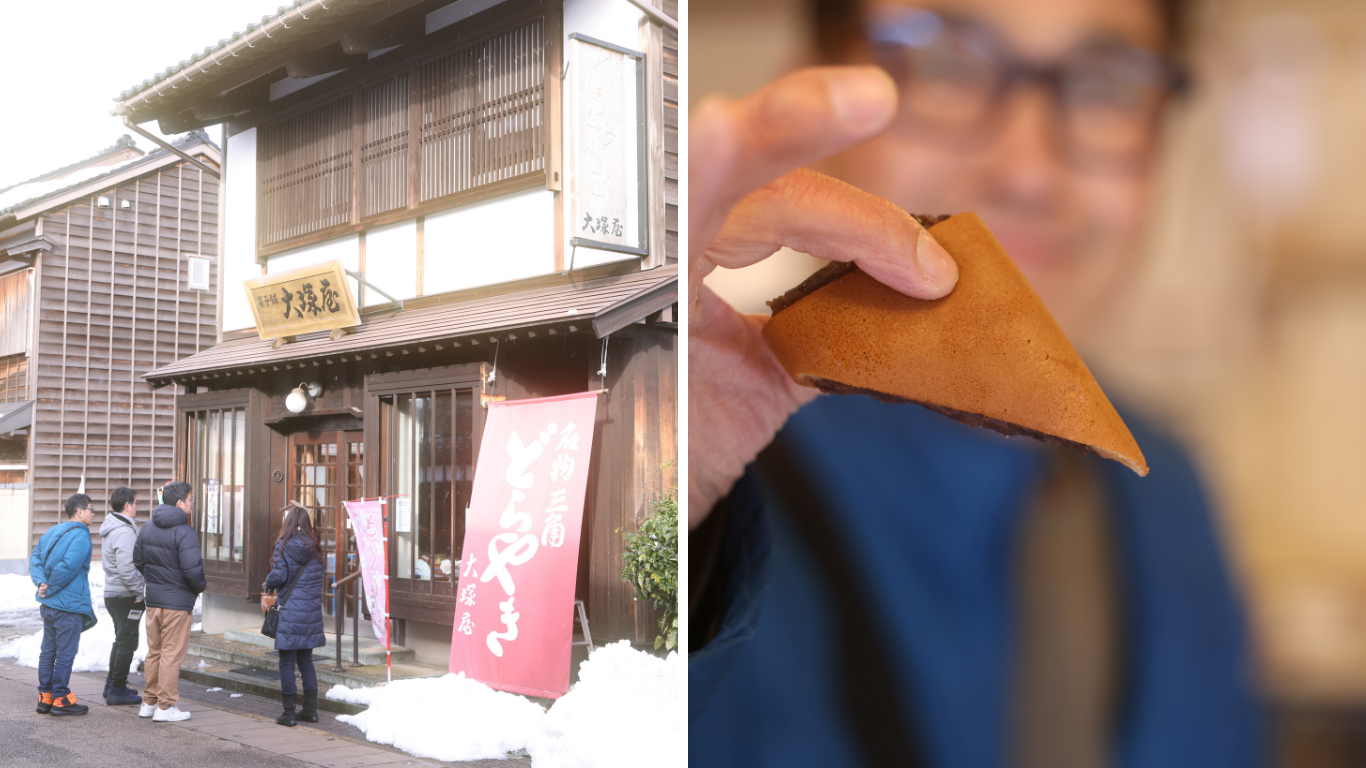
Nowadays, the old buildings have been brought back to life as restaurants, cafes, and galleries. There’s an old sweet shop called Otsukaya—you have to try their triangle-shaped Dorayaki.
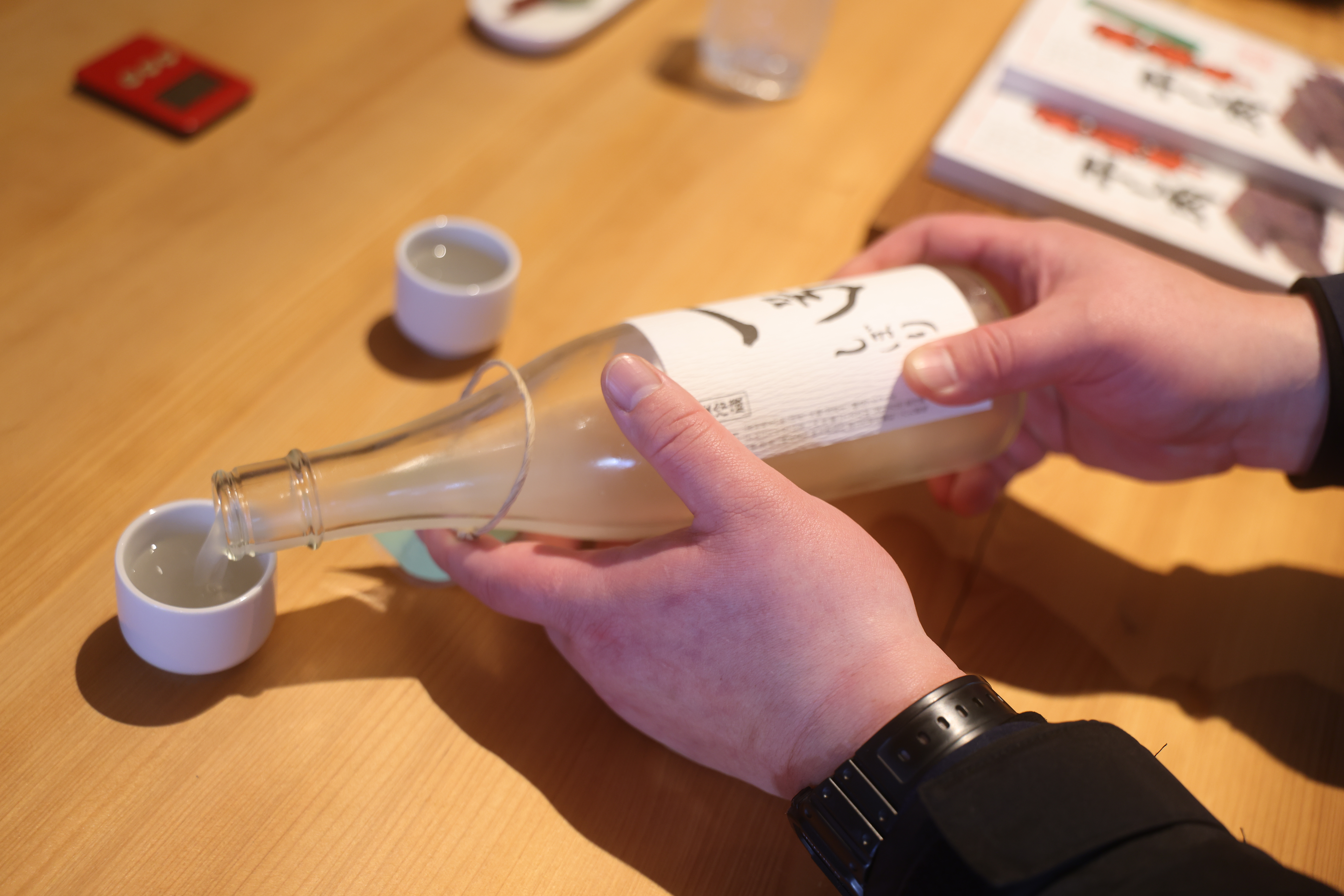
Saseki, by Masuda Sake Brewery, is really the heart of this town now. One thing you shouldn't miss is the sake tasting. You can try as many kinds as you want within a certain time. I wish I had more time there!
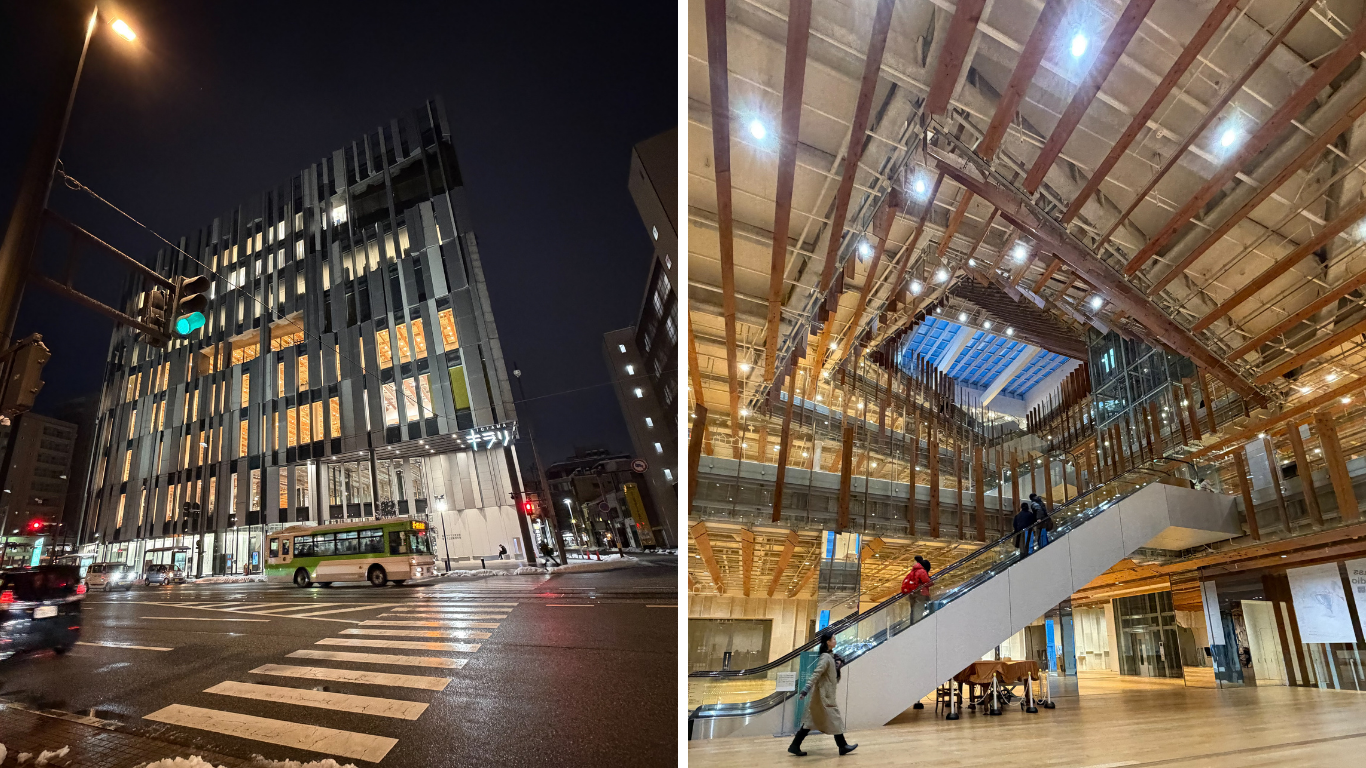
Before dinner, we visited Toyama Kirari, a building designed by the famous architect Kengo Kuma. The inside is wide open with lots of wood—it looks amazing from the bottom looking up.
The building houses the Toyama Public Library and a glass art museum, which was introduced by the NY Times. Glass art is exhibited on almost every floor, with the top floor featuring the Glass Art Garden, a permanent exhibition of sculptures by the world-renowned American artist, Dale Chihuly.
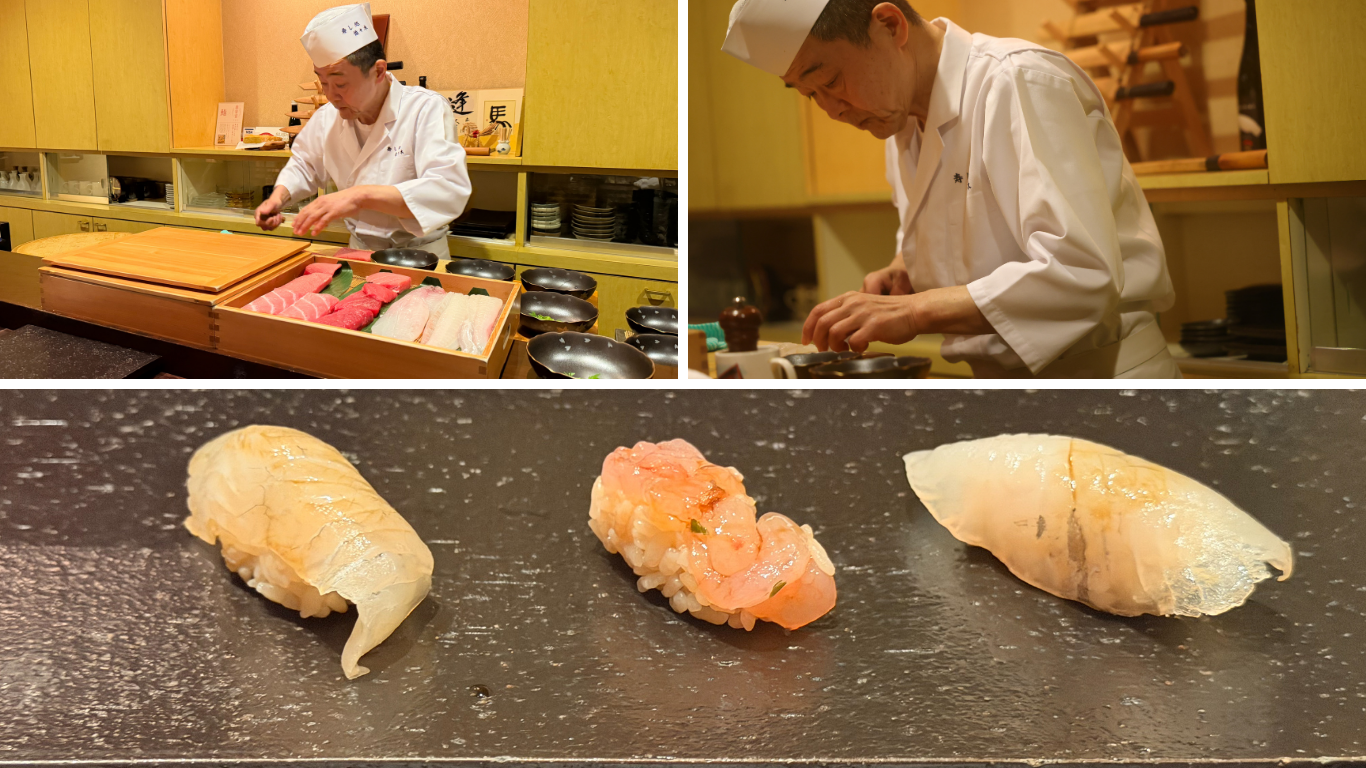
Then we went for sushi at Sushidokoro Sasaki. Eating sushi in Toyama during winter is definitely the right choice.
The Mountains and Sea of Toyama
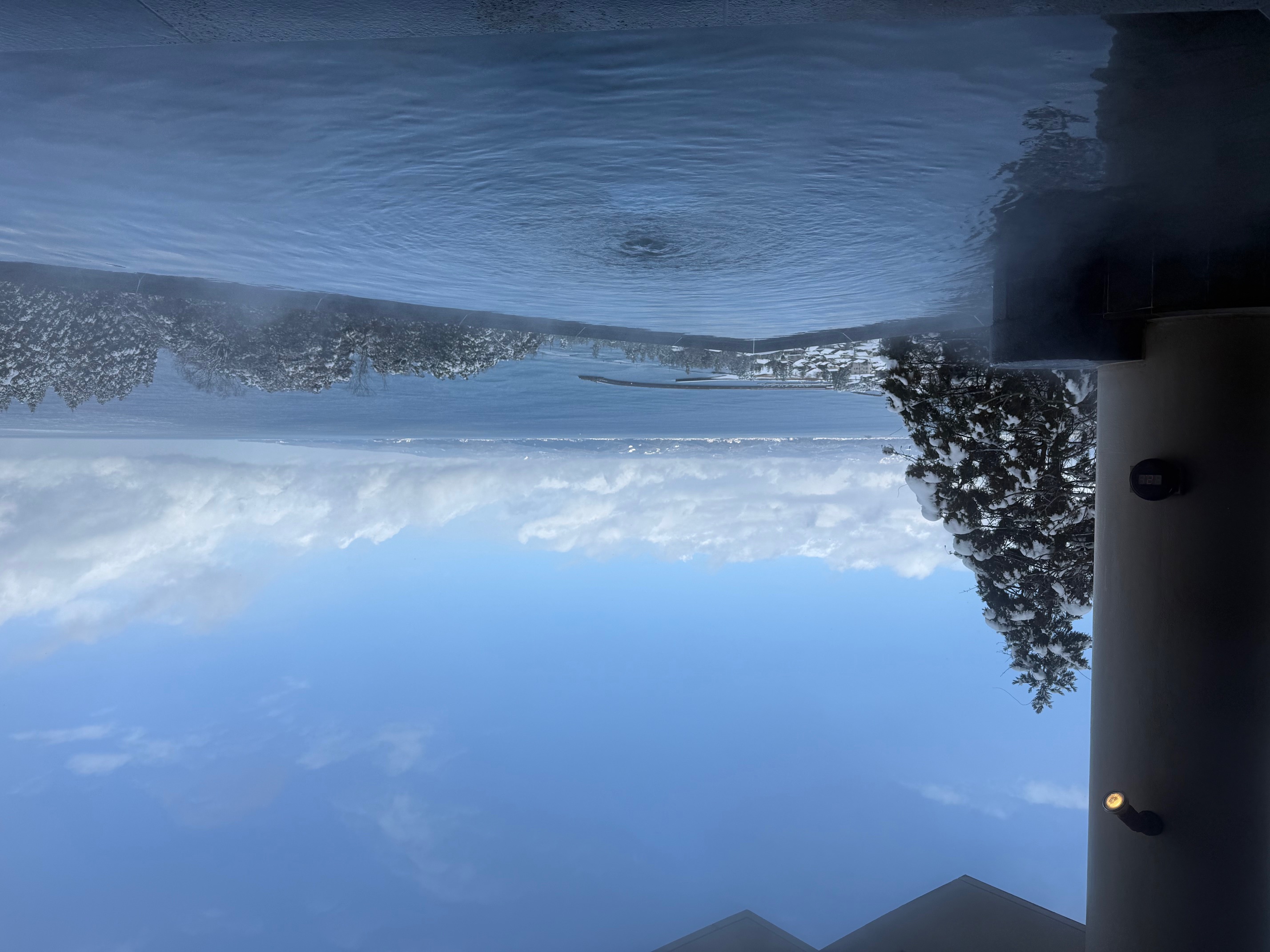
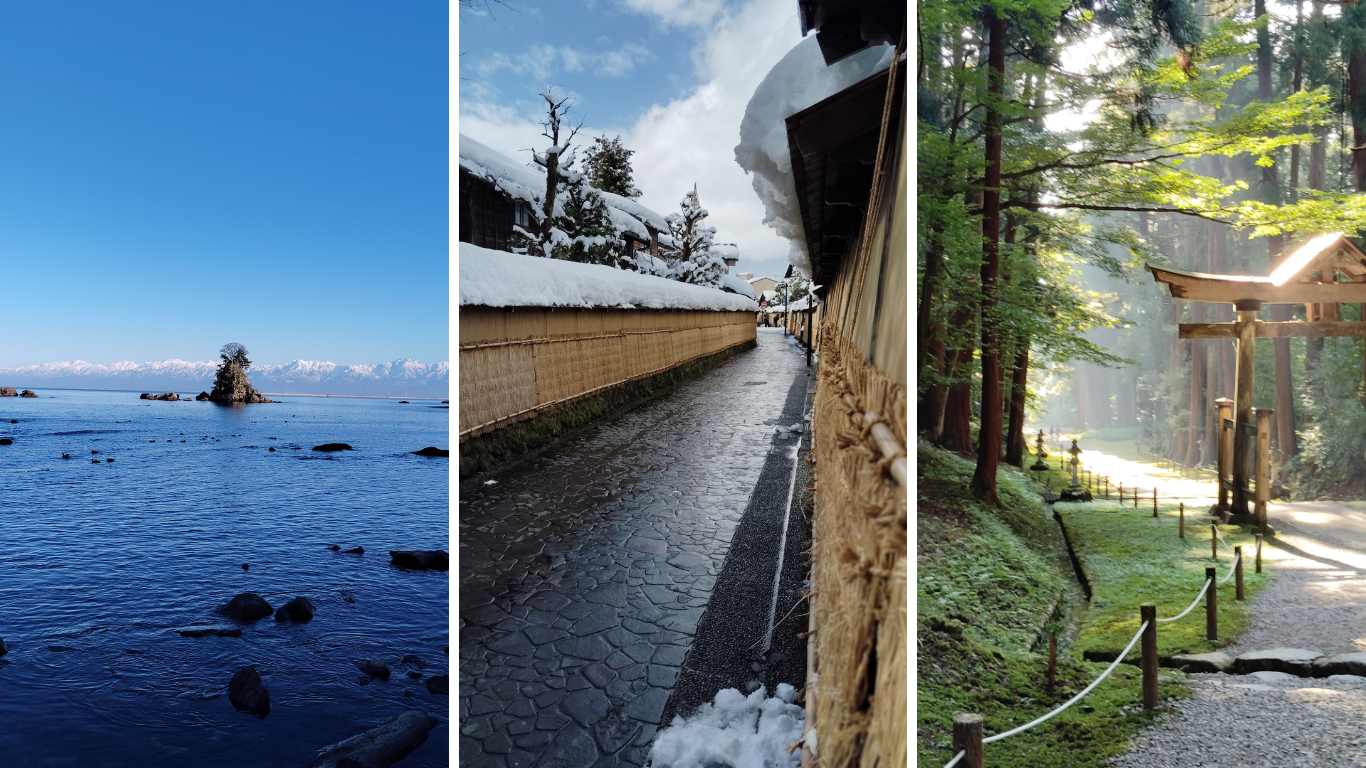
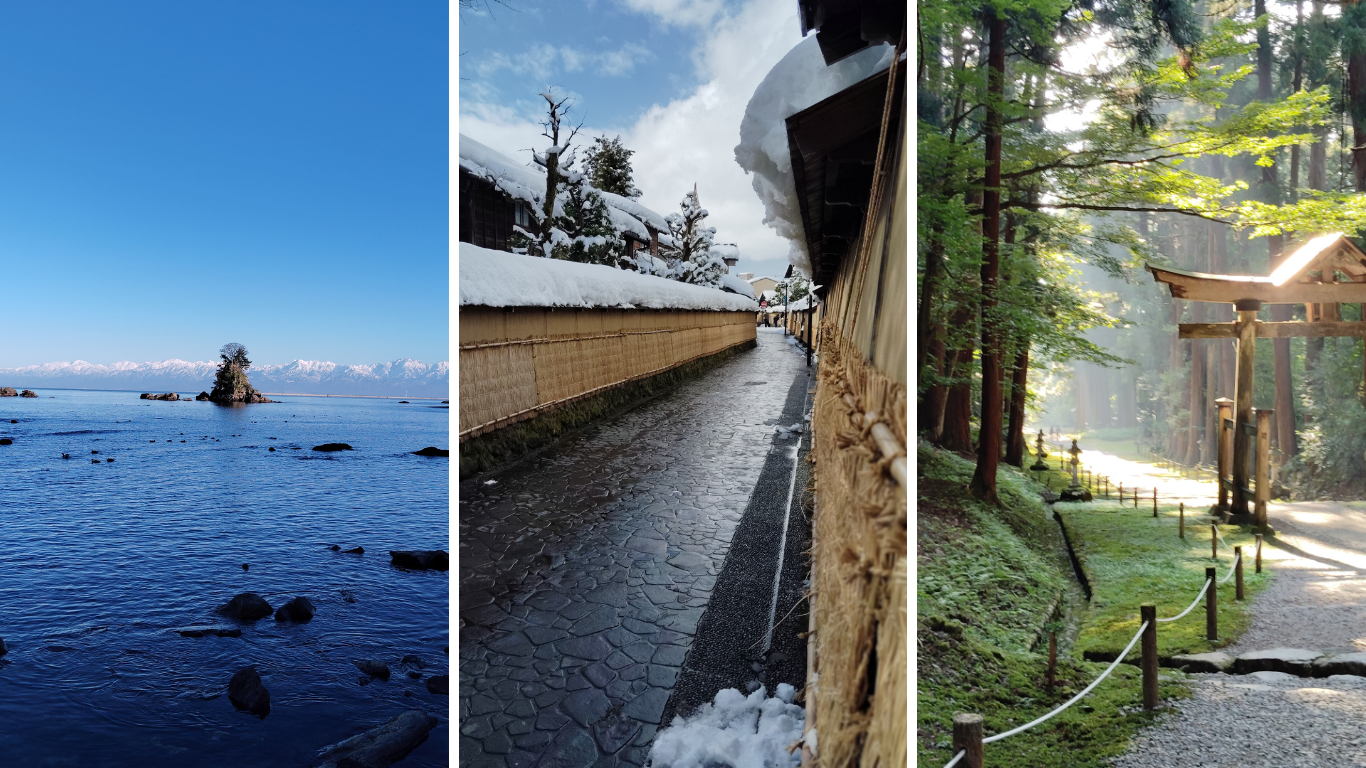
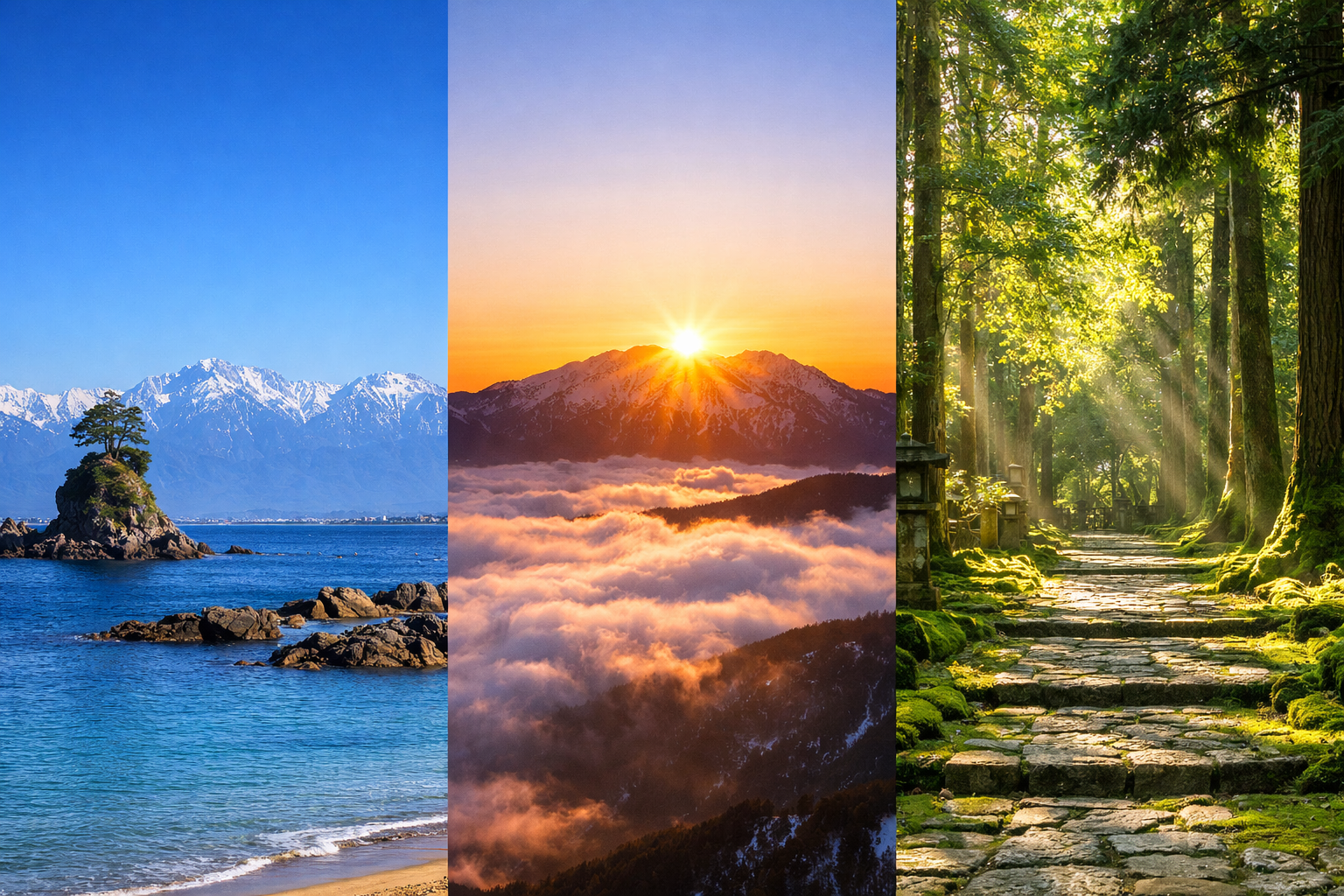
The best time to soak at Amaharashi Onsen Isohanabi is the morning. You get a huge panoramic view of the Tateyama Mountains and the bay—very few places have a view like this.
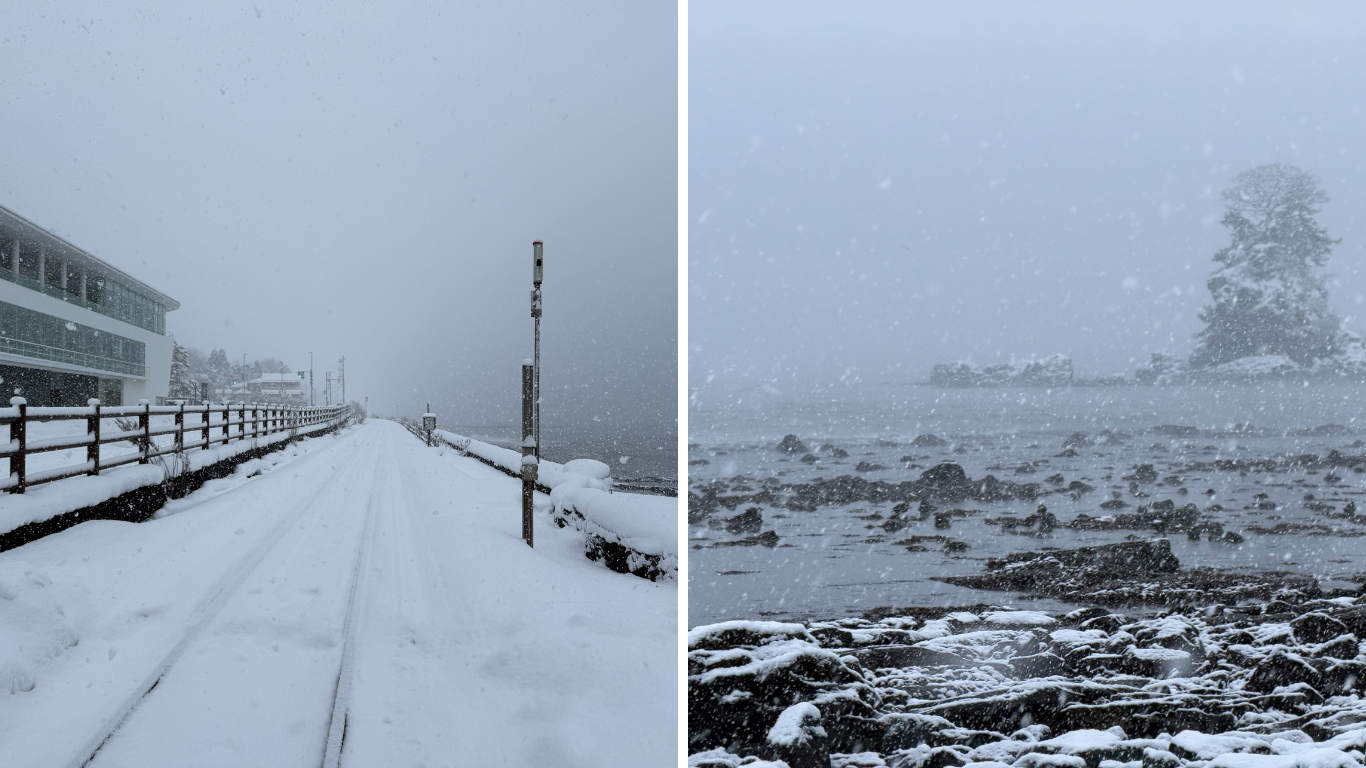
Our plan was to go on a boat trip at Shogawa Gorge, though I wasn't sure if the heavy snow would ruin the view. On the way, we stopped at the Amaharashi roadside station. People love coming here to take photos of the train passing with the sea and mountains in the background. Even in heavy snow, it was beautiful in its own way.
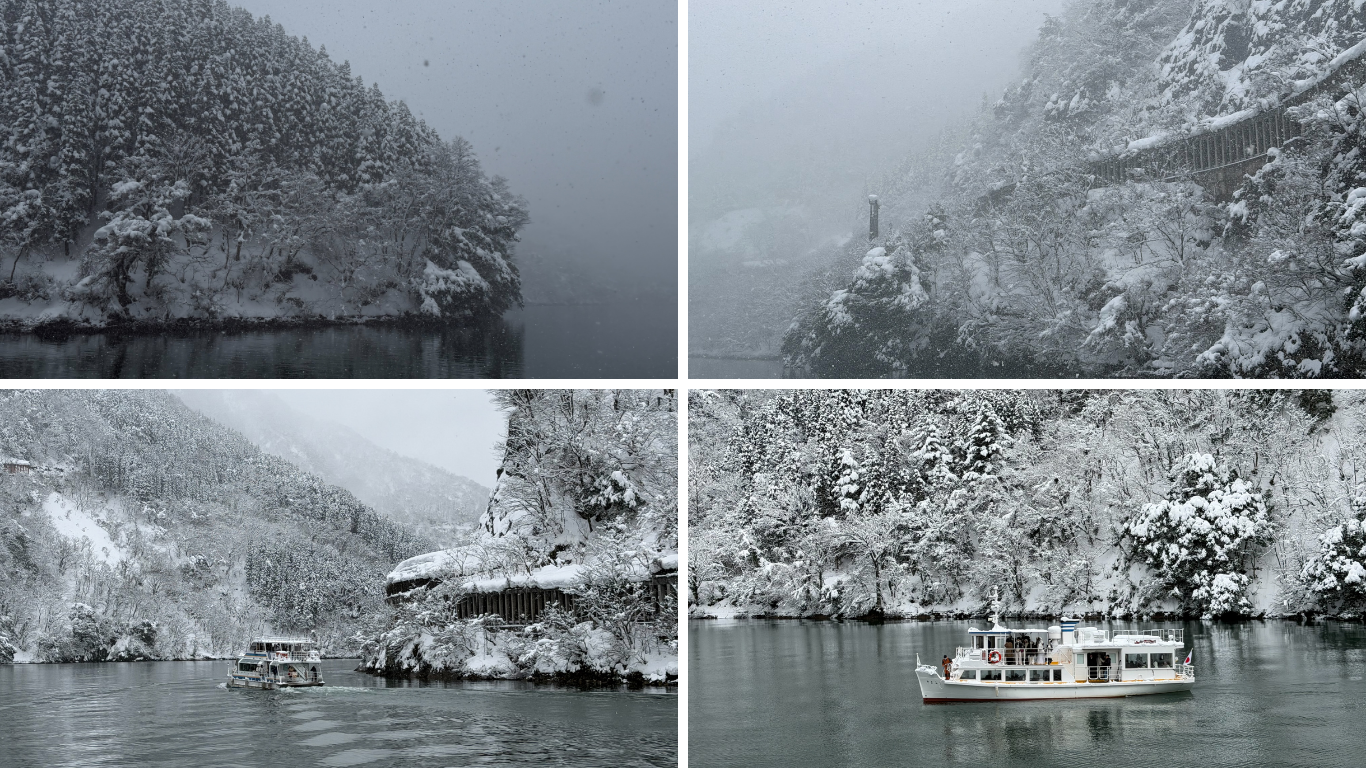
The Snowy Valley
Shogawa Gorge Cruise was full of tourists waiting for the boat. This river used to be used for moving goods and wood.
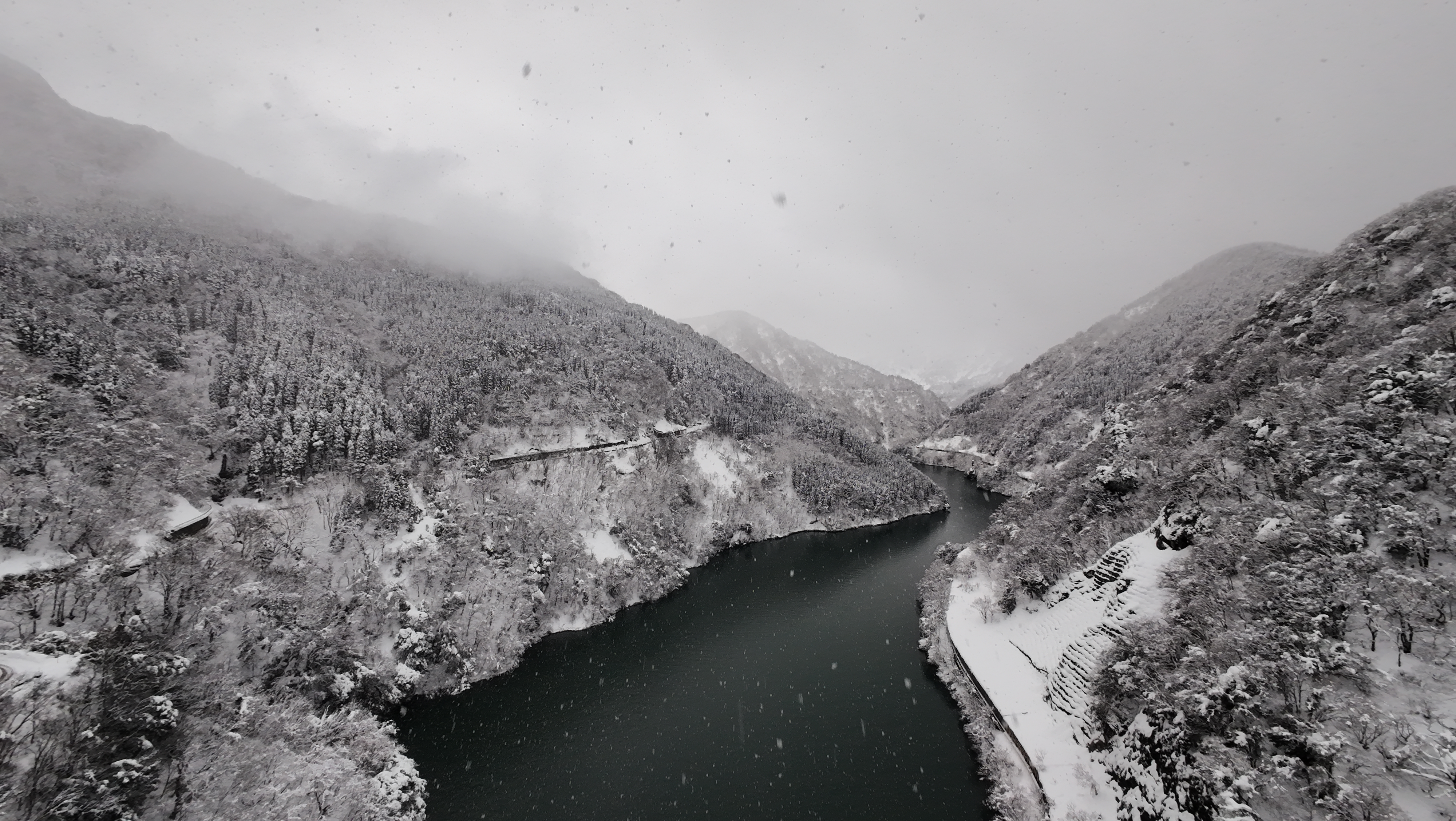
The boat took us through the high valley covered in snow, and the snow just kept falling. The deck was packed with people trying to get photos of the all-white scenery, not caring about the cold at all. Toyama’s big, dramatic nature is really its best feature.
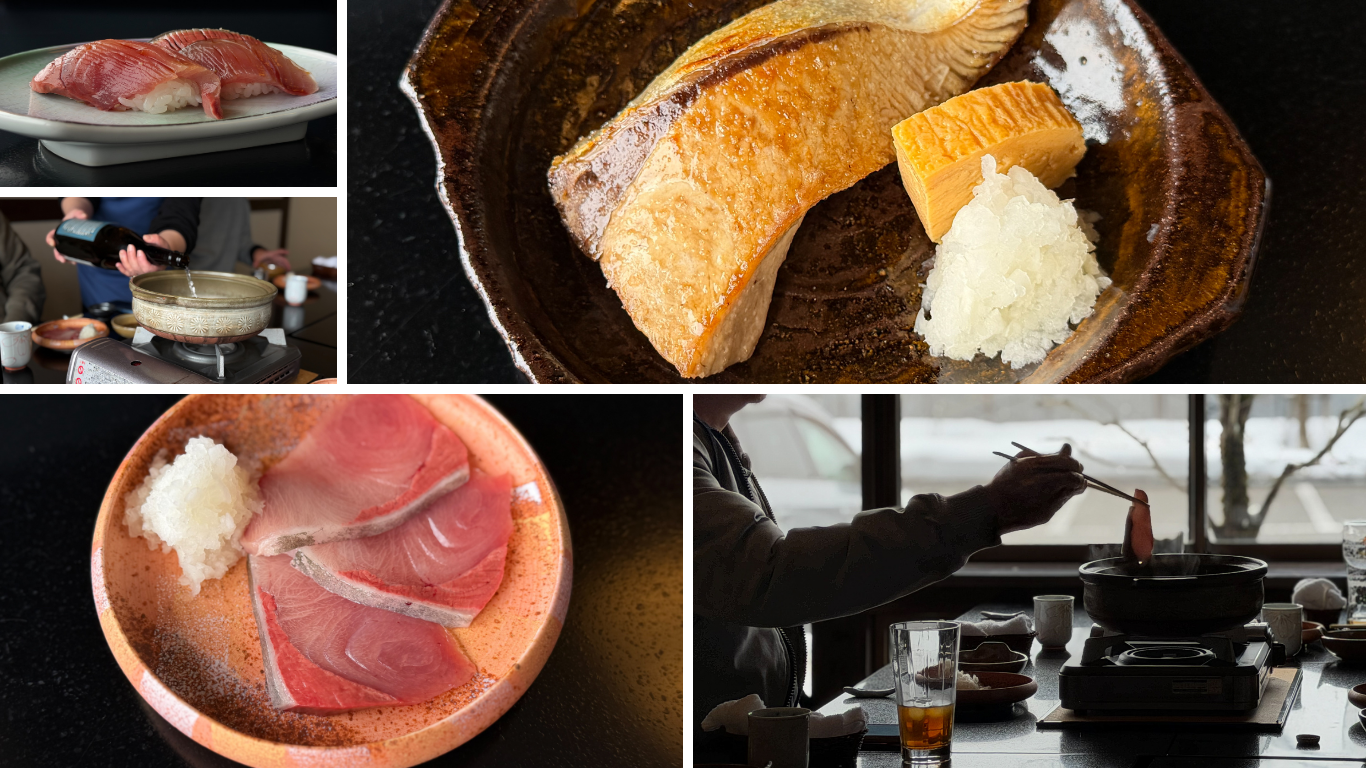
Before leaving Toyama, we had lunch at Uoyasu. They are famous for their fish. In winter, they serve Buri (Yellowtail) from Toyama Bay in all sorts of ways—raw, grilled, or even as shabu-shabu where you dip it in sake. Buri became my favorite fish after this meal!
The Knife-making Town
On my last trip, I learned that Echizen in Fukui is one of the best places in Japan for handmade knives.
.png)
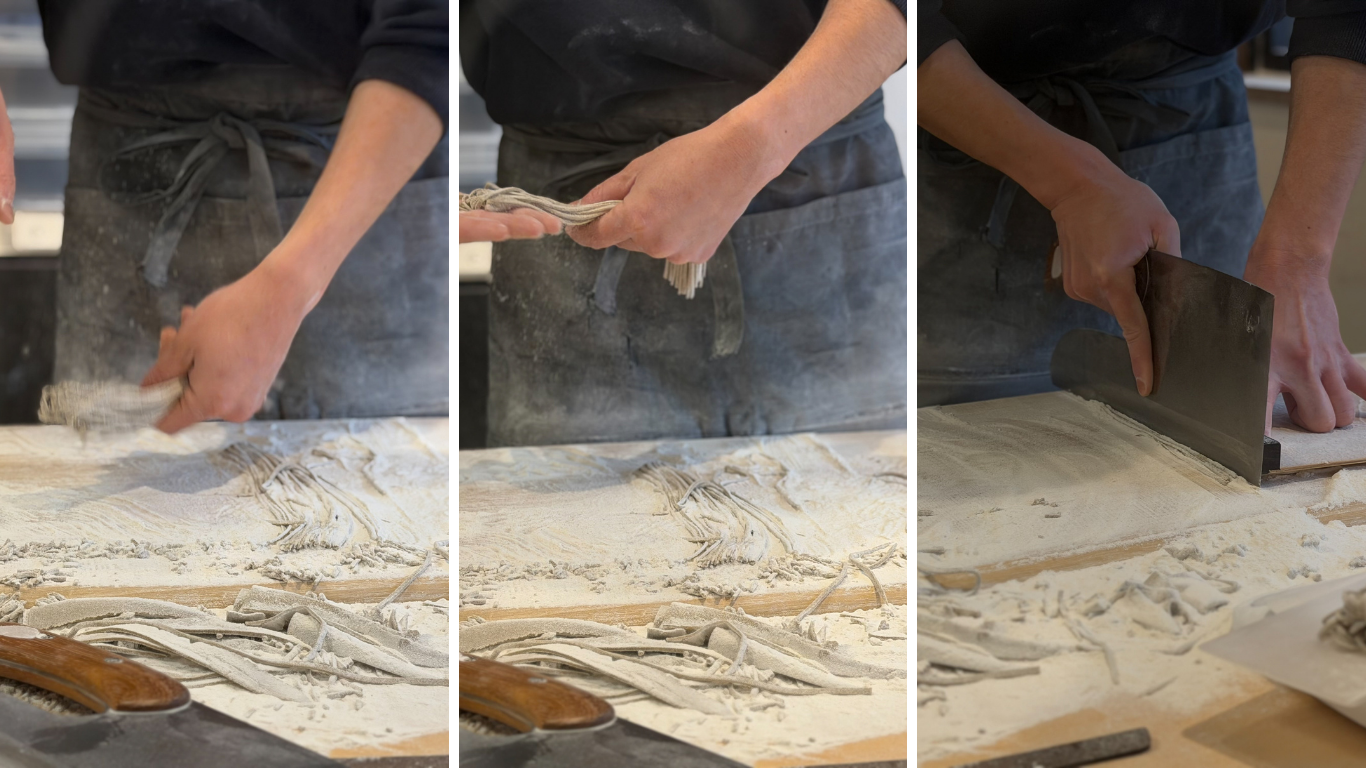
When we got to the Takefu Knife Village, we saw knife shops everywhere. There are modern buildings where young blacksmiths work together. Instead of working alone at home, they share machines and learn from each other because the number of people doing this job is getting smaller.
.png)
You can tour the factories and see how they’ve been making knives for 700 years. You can even try making one yourself! If you love to cook, you should definitely find a knife that fits you here.
.png)
The Old Sea Port Guest House
We had dinner at Uoshiro in Mikuni. It’s a restaurant and inn that’s been around since the Meiji era. It was built to welcome rich merchants and famous people, and the building itself is a piece of history.
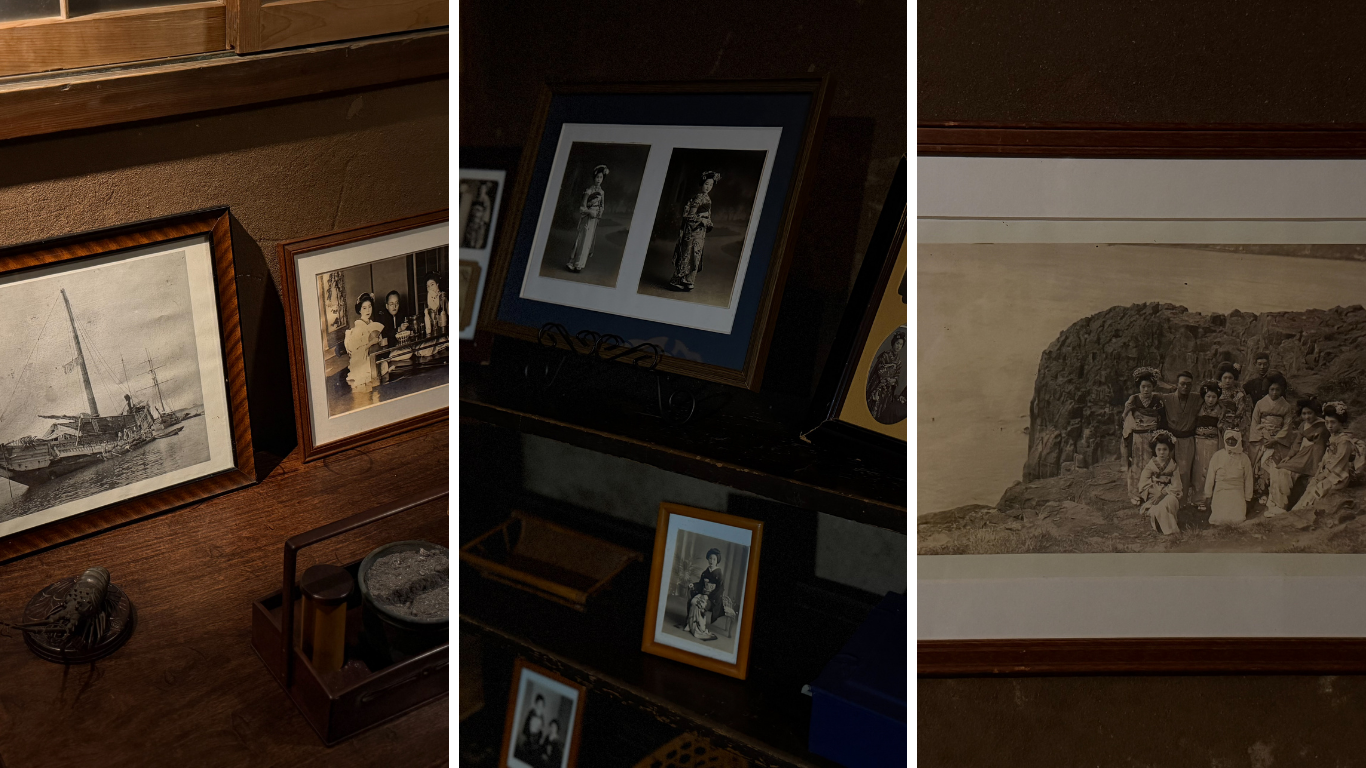
They served a Kaiseki meal with fresh seafood, especially the seasonal crab.
.png)
That night, we stayed at Hasegawa Ryokan in Awara Onsen, a family-run inn that’s been open for 140 years.
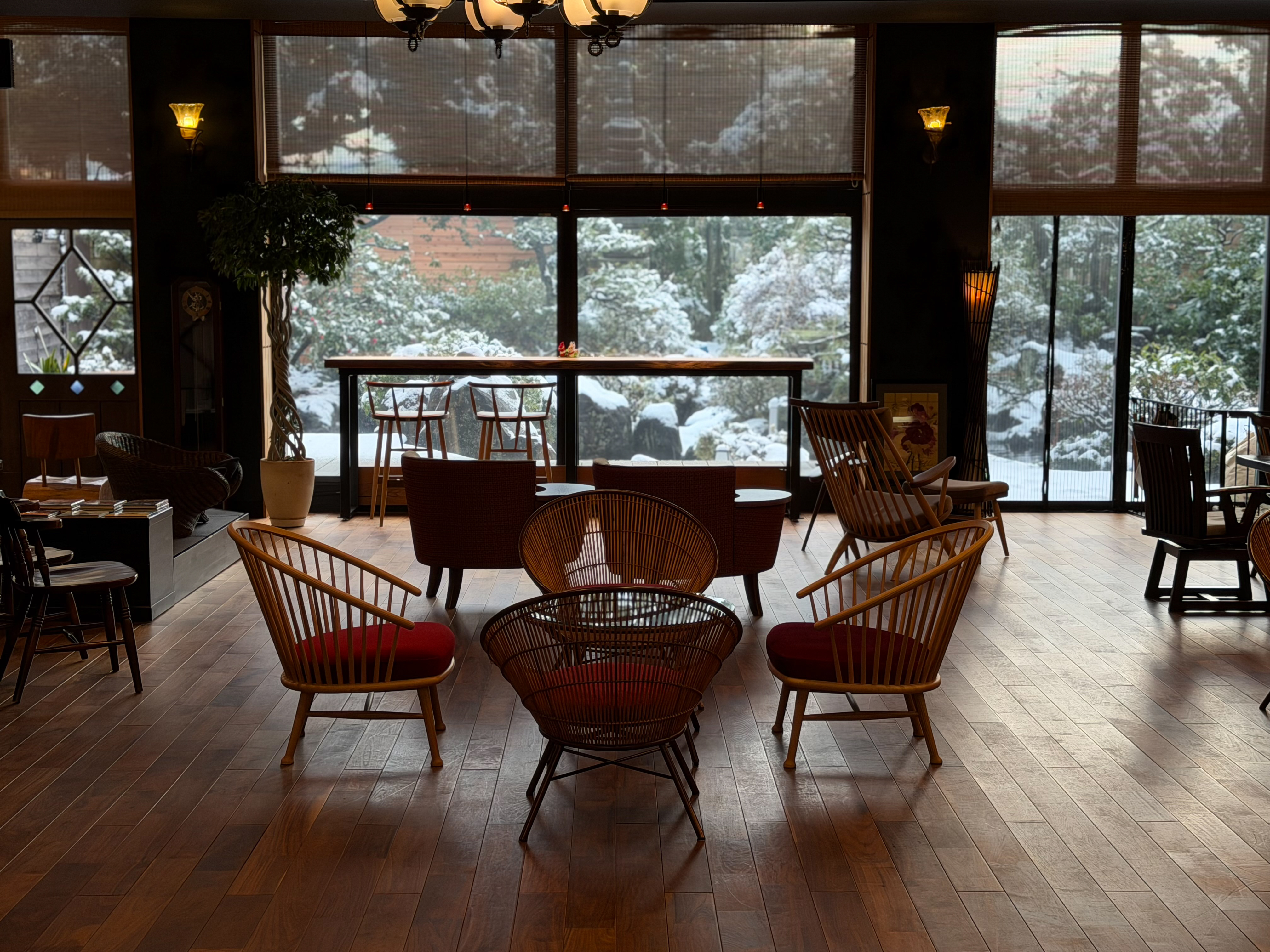
The Little Kyoto of Echizen
Ono is a town in the mountains that gets some of the heaviest snow in the world. It’s famous for its Castle in the Sky—when the mist comes in, the castle on the hill looks like it’s floating on clouds.
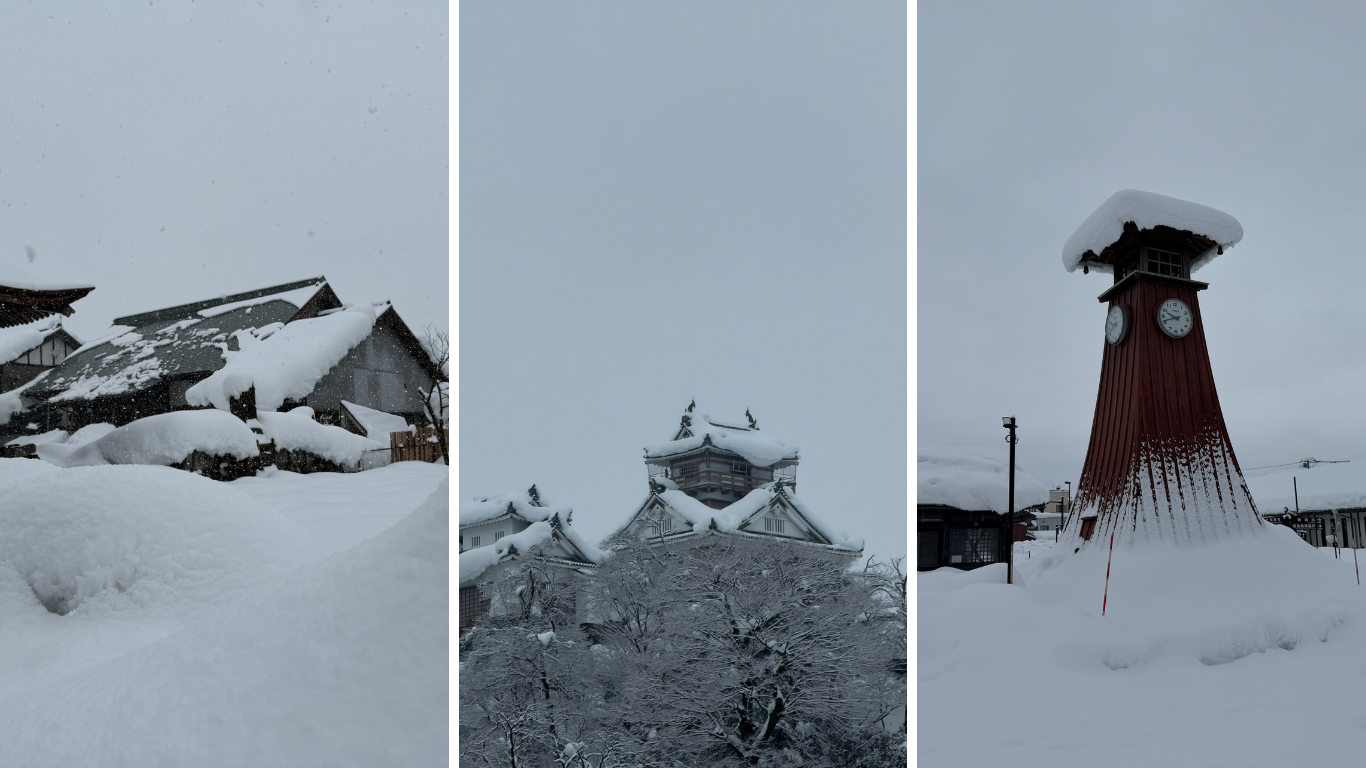
The town was designed to look like a grid, just like Kyoto, so they call it the "Little Kyoto of Hokuriku." Under 1–3 meters of snow, the town is quiet, but the old sake and miso shops are still going strong.
.png)
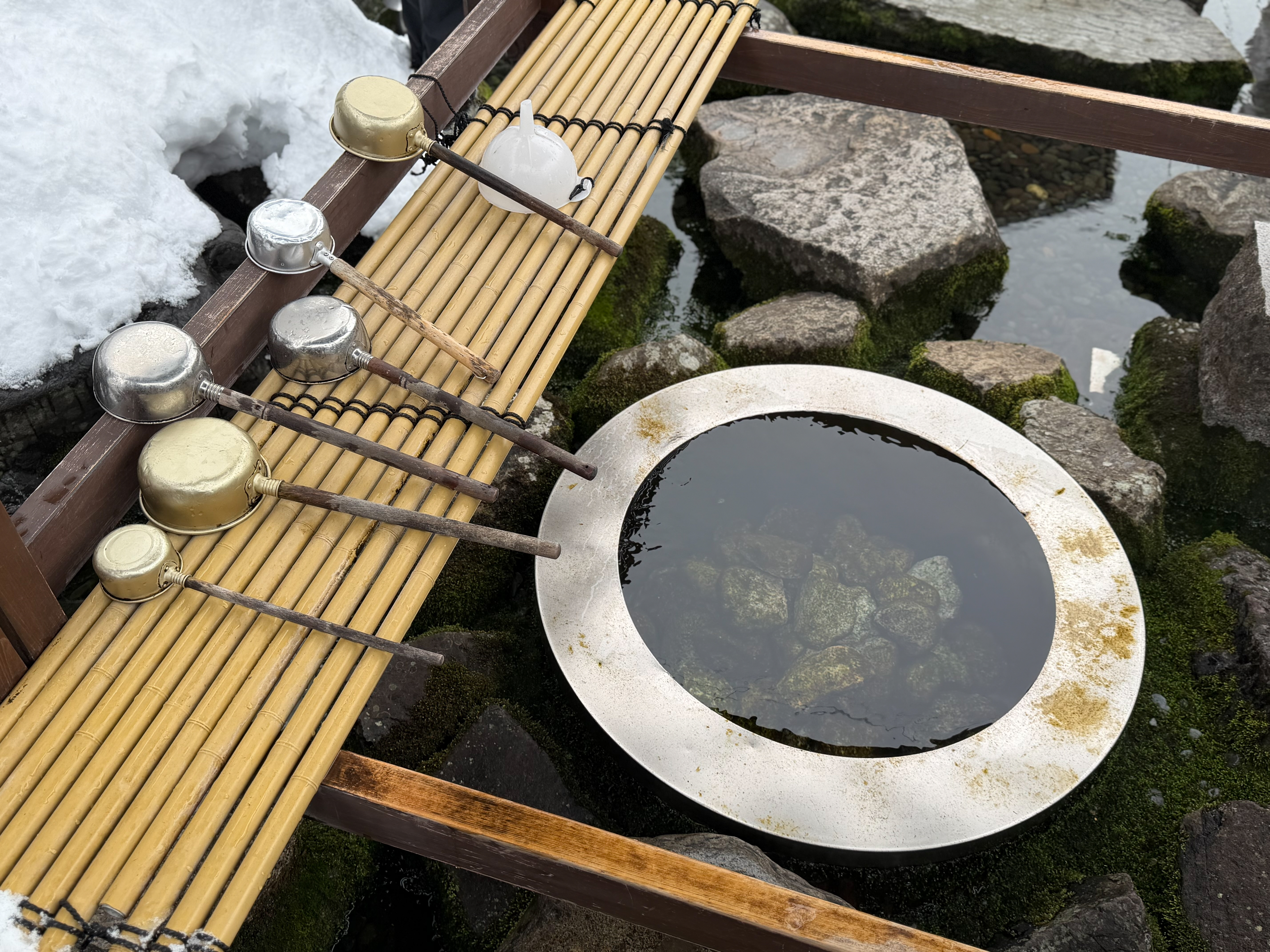
The secret is their super-pure mountain water, which locals still collect from public wells today.
The Zen Temple in the Forest
We had some Soba noodles near the entrance of Eiheiji Temple. The noodles are grown right around the temple, and eating them with cold radish soup is a great way to refresh your mind before the last stop of the trip.
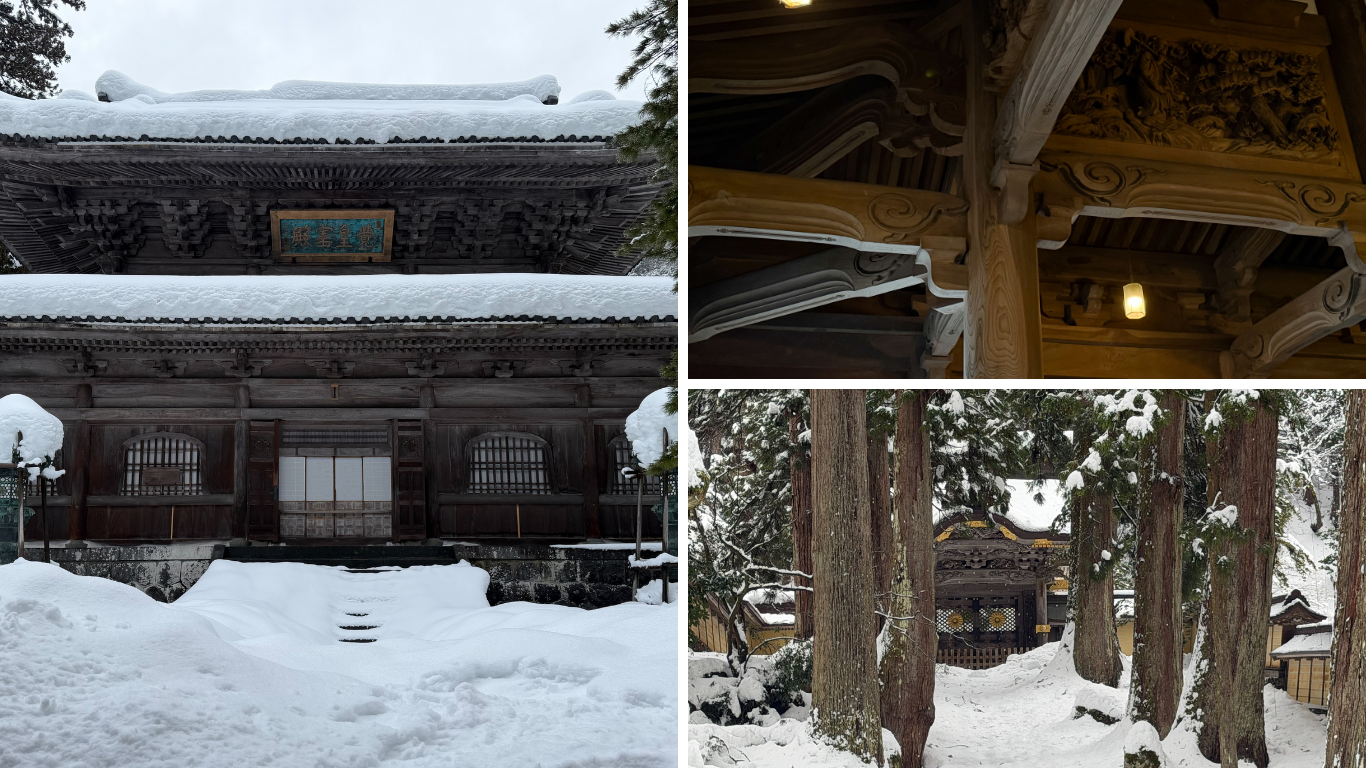
Eiheiji is a Zen temple hidden in the woods. It was started by a Zen master who wanted to get away from the busy politics of Kyoto so his monks could practice in nature. We arrived on the first day of their big meditation retreat.
You can actually sign up to try Zazen (Zen meditation) with a master. It was a new experience for me—the way you walk, the way you sit, and even keeping your eyes half-open to stay focused on the now so you don't fall asleep.
After an hour of meditation, we walked around the temple. The buildings are connected by covered wooden walkways and are made simply with natural materials. The woodcarvings done by local craftsmen are amazing and definitely worth seeing.
.png)
Before coming to Hokuriku, I was a bit worried about the weather and the heavy snow. I wasn't sure if I could get around or if there would be anything to do.
But it wasn't as hard as I thought, and the winter made everything feel extra special. If you love food, this is the best time for seafood, especially the crab and Buri fish. The sight of everything covered in white snow is something you won't see at any other time of year.
Plus, this weather is perfect for soaking in an onsen. Or if you like history, visiting the old merchant houses and museums is a great way to stay warm while learning something new.
If you can, driving a car is the best way to see all these cool spots. Hokuriku in the winter has so much to find!
About the Author
**MII **is a Thailand-based creator and lifestyle influencer with around 100,000 followers on Instagram (@jiranarong2). He is also a writer for the lifestyle media platform The Cloud, where he shares stories about Japan’s culture, regional cuisine, and natural landscapes. Through his travels across Japan, he introduces lesser-known destinations and local traditions, offering readers a deeper perspective on the country’s regional life and culture.


.png)
.png)
.png)
.png)
.png)
.png)
.png)
.png)
.png)
.png)
.png)
.png)
.png)
.png)
.png)
.png)
.png)
.png)
.png)
.png)
