
A Winter Journey Through Hokuriku Exploring the Flavors of the Sea of Japan


language | ไทย | 繁體中文 | 简体中文
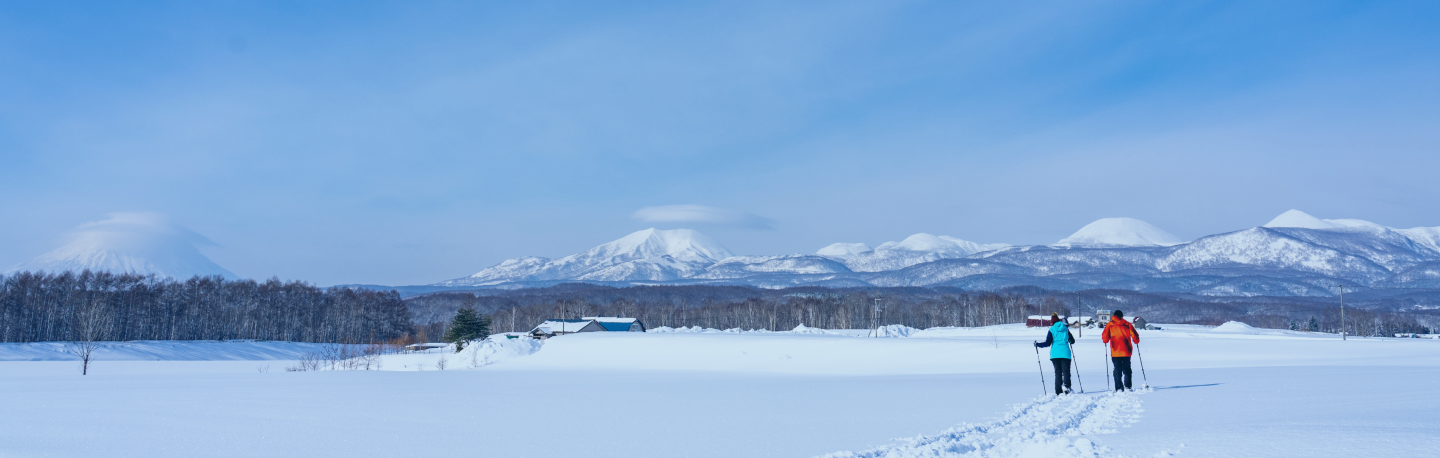
Traveling through Hokuriku in winter leaves a lasting impression—especially when it comes to food.
After walking through the crisp winter air and stepping into a restaurant, you are welcomed by steaming dishes and seasonal seafood. Outside, snow quietly covers the streets, while inside warm conversations and comforting meals fill the room.
Along the coast of the Sea of Japan, winter brings out the deepest flavors in fish and seafood. Richly marbled fish, comforting local dishes, and recipes passed down for generations come together with locally brewed sake to create unforgettable dining experiences.
Each town has its own traditions—seafood from port towns, simple flavors from castle towns, and dishes shaped by the skill of local chefs. On this journey, we visited restaurants where these flavors can be fully enjoyed.
Ishikawa
Kanazawa Oden at Kuroyuri
When visiting Ishikawa, one dish not to miss is Kanazawa Oden.
Oden is enjoyed throughout Japan, but in Kanazawa it developed its own style after spreading through local eateries in the early Showa period (around 1934). Ingredients are gently simmered in a clear broth, often featuring local specialties unique to the region.
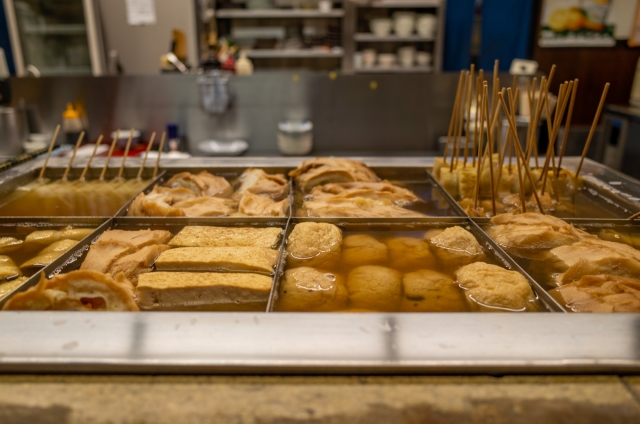
In winter, the aroma of simmering broth drifts from restaurants across the city.
A well-known place to enjoy this dish is Kuroyuri, a long-established restaurant founded in 1953. Located inside the shopping complex connected directly to Kanazawa Station, it is an easy stop during a trip.
At the center of the kitchen sits a large pot where ingredients slowly simmer throughout the day.
One memorable ingredient is kurumafu, a ring-shaped wheat gluten cake that absorbs the broth deeply, releasing rich flavor with each bite.
Another favorite is bai-gai (whelk), simmered in its shell. When pulled out with a toothpick, the tender meat carries a gentle aroma of the sea and pairs perfectly with sake.
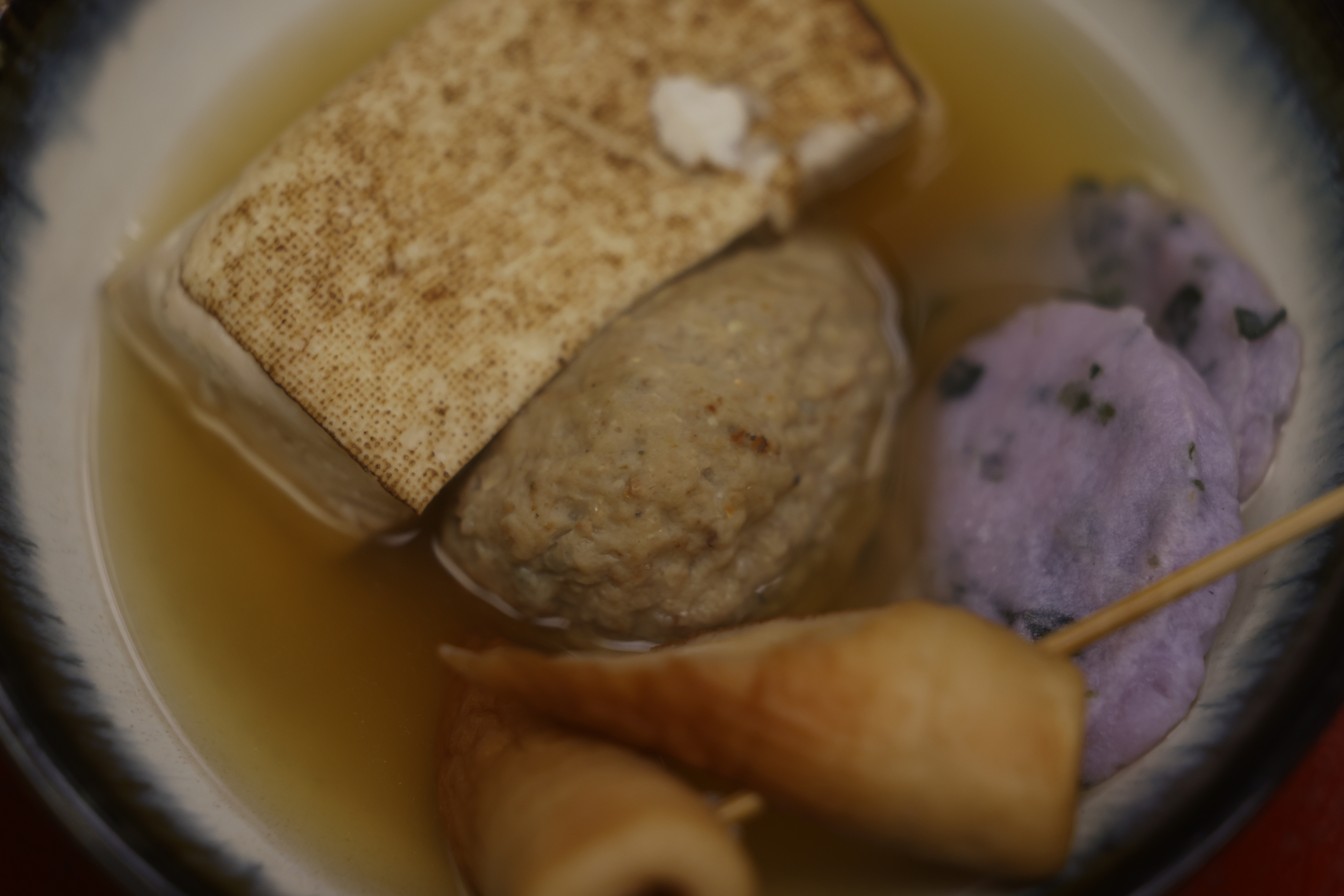
You’ll also notice the colorful akamaki, a red-and-white spiral fish cake that adds both flavor and visual charm.
Another specialty is Akameshi, rice cooked in the oden broth. Its light brown color and deep umami make it a satisfying companion to the oden.
It’s the perfect place to pause during your travels and enjoy a warm meal.
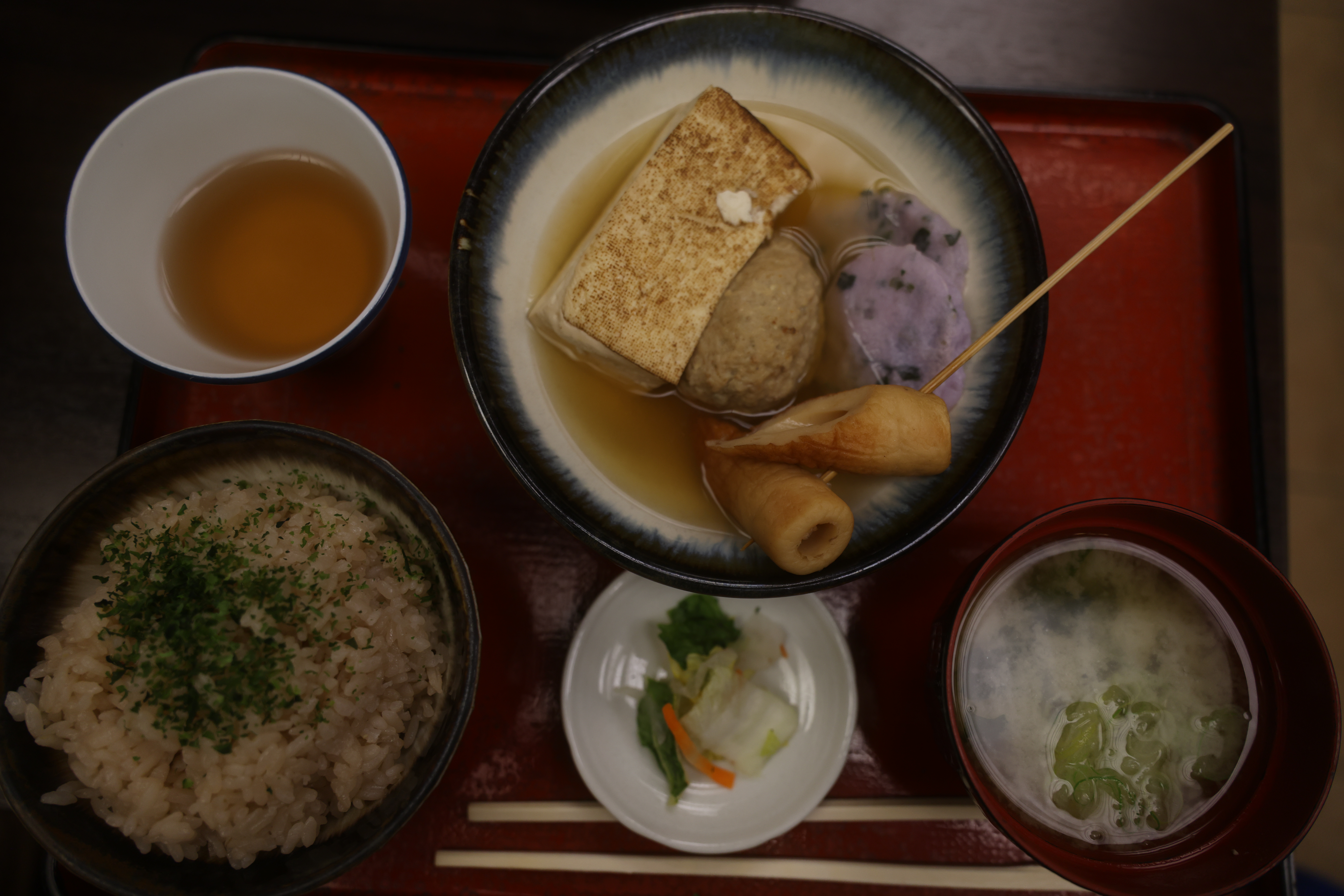
Kuroyuri Oden Restaurant
Address
Kanazawa Hyakubangai “Anto”, 1-1 Kinoshinbomachi, Kanazawa, Ishikawa 920-0858, Japan
Hours
11:00 AM – 9:30 PM (Open daily)
Access
Directly connected to JR Kanazawa Station
Ishikawa
Crab and Nodoguro in Yamashiro Onsen Kappo Morimoto
After leaving Kanazawa, we headed to Yamashiro Onsen, a historic hot spring town in the Kaga region.
In the center of the town stands Kappo Morimoto, a traditional restaurant where guests can enjoy seafood from the Sea of Japan alongside seasonal Kaga ingredients.
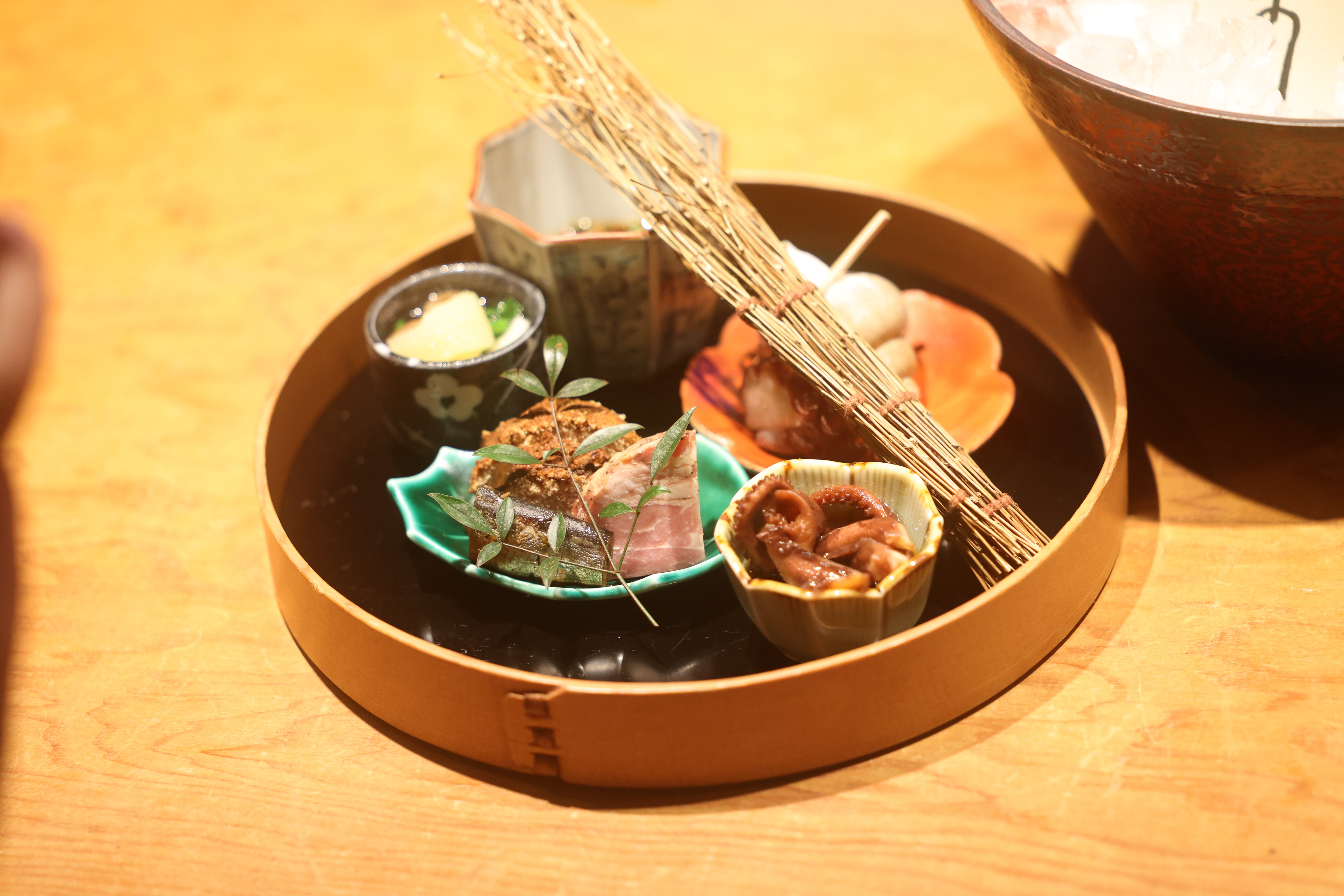
The evening’s course featured two of Ishikawa’s winter delicacies: nodoguro (blackthroat seaperch) and snow crab known locally as Kano-gani.
The meal began with a beautifully arranged appetizer served on Kutani porcelain. Small seasonal dishes were presented like a miniature landscape.
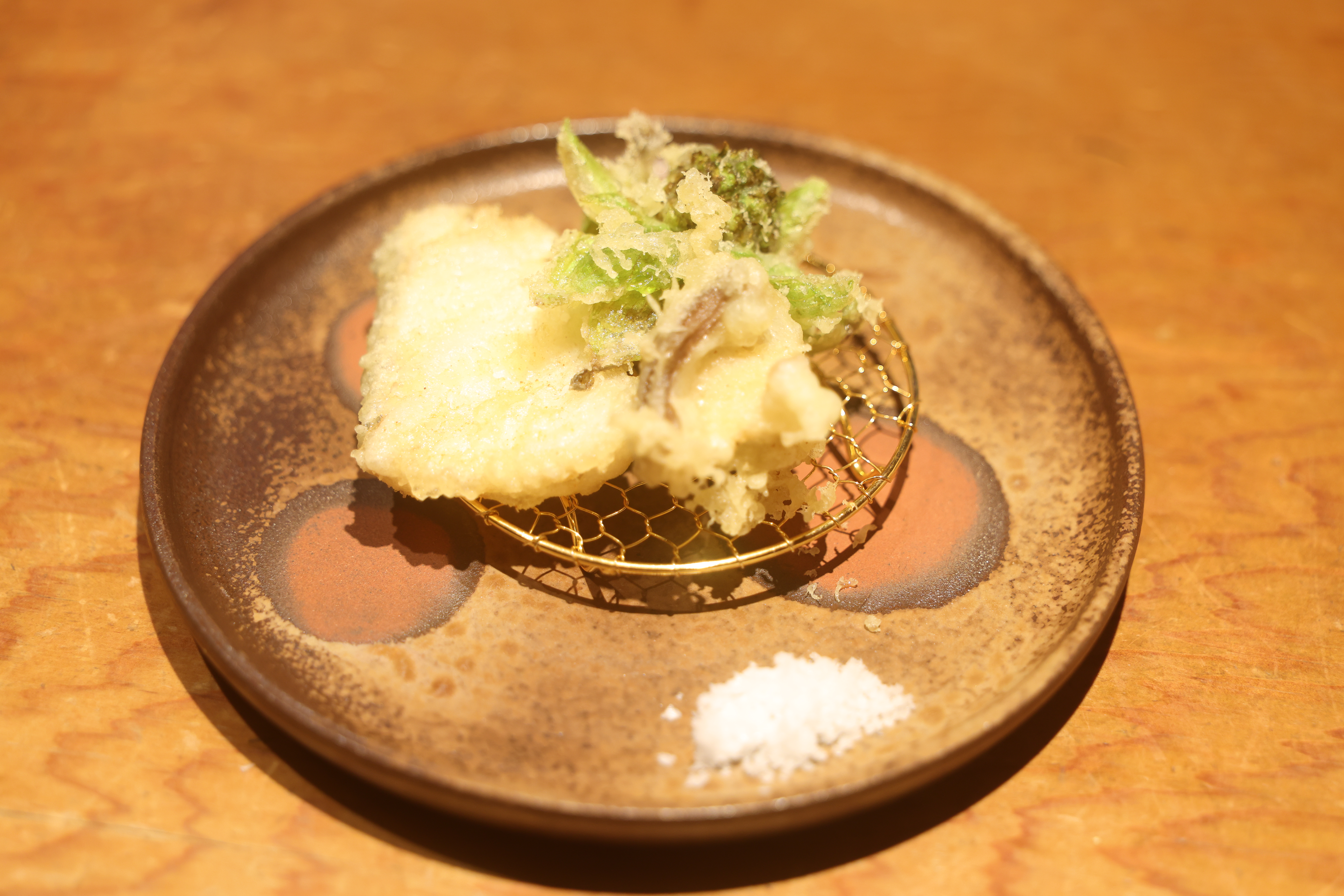
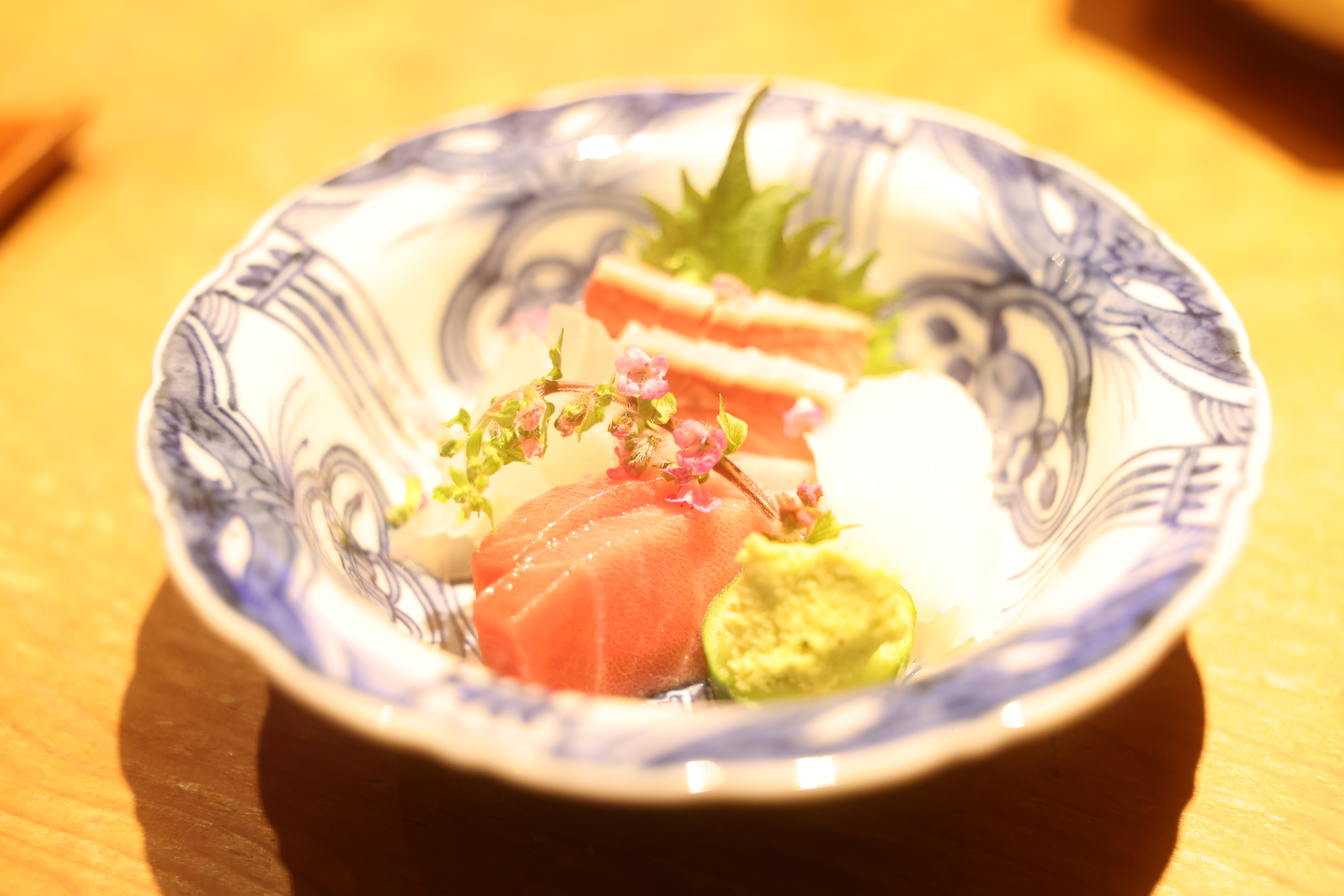
Next came sashimi made from fish freshly landed in the Sea of Japan that day. Each slice was delicate and slightly sweet, reflecting the richness of Hokuriku’s waters.
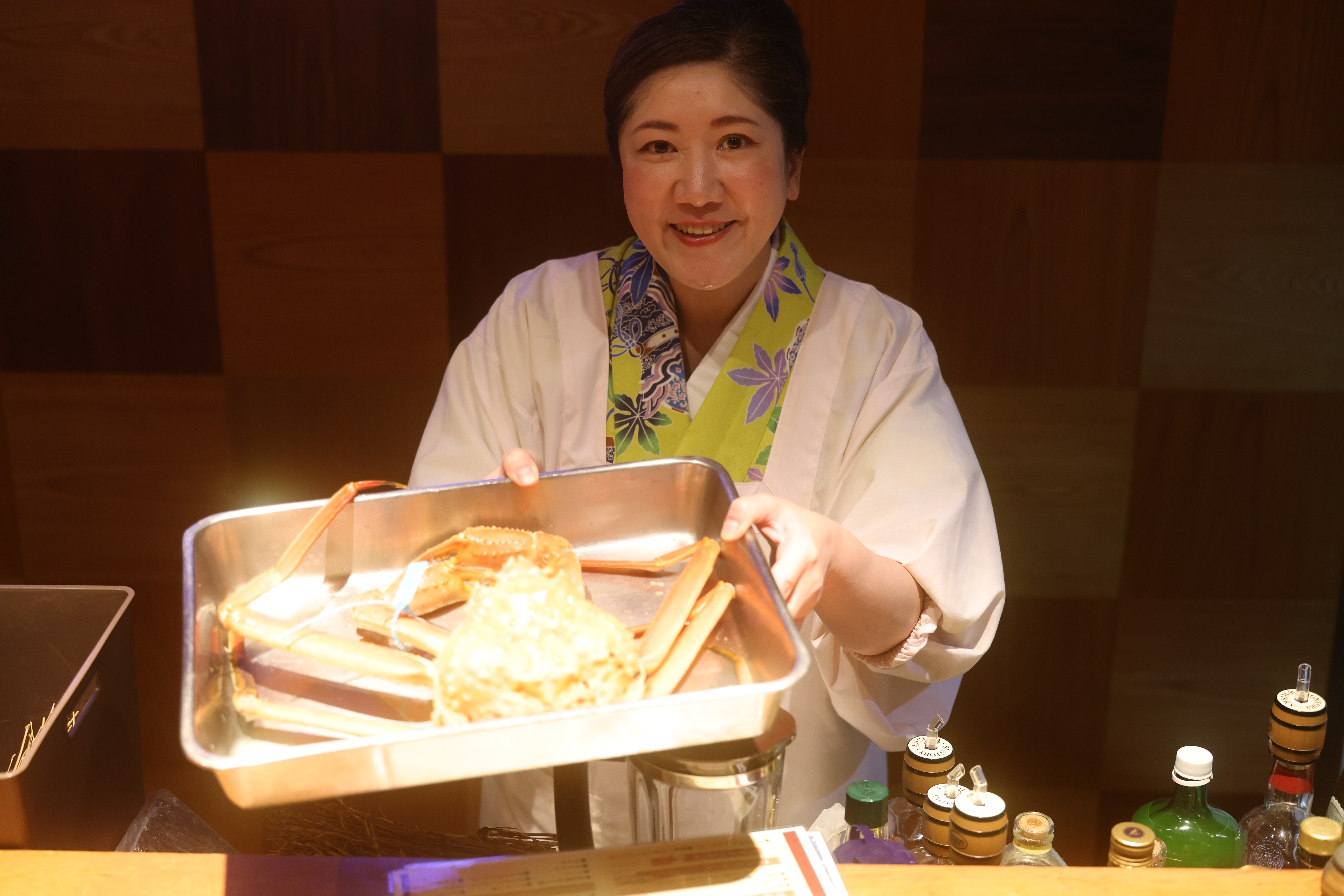
During the meal, the proprietress brought out a large snow crab in a wooden bucket, proudly showing the blue tag that certifies Kano-gani. Seeing the ingredients before they are prepared is one of the restaurant’s unique charms.
Paired with locally brewed Ishikawa sake, the seafood flavors become even more pronounced.
In the quiet evening of the hot spring town, time slows down. Conversations with the chef and proprietress create a relaxed and welcoming atmosphere.
Kappo Morimoto
Address
29 Saiwaimachi, Yamashiro Onsen, Kaga, Ishikawa 922-0242, Japan
Hours
5:00 PM – 11:00 PM
(Lunch available by reservation only / Closed on the 2nd and 4th Mondays)
Access
About 10 minutes by car from JR Kaga Onsen Station
Toyama
Winter Yellowtail from Toyama Bay Uoyasu
Along the Sho River stands Uoyasu, a restaurant known for seasonal cuisine from Toyama.
In winter, the highlight is kan-buri, the richly fatty yellowtail that represents the season in Toyama Bay.
The meal began with buri ham, lightly cured yellowtail that released deep umami with each bite.
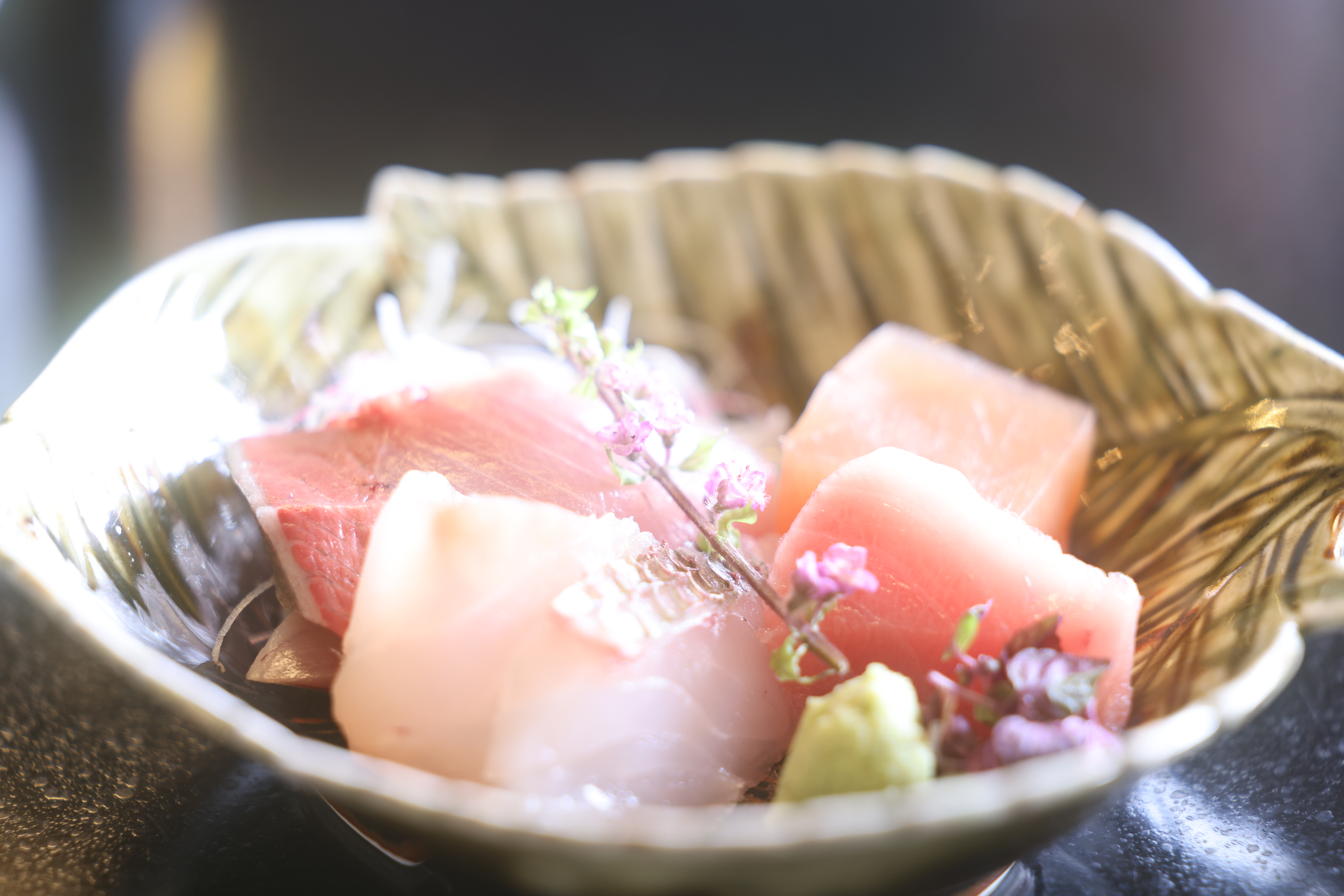
Next came thick slices of yellowtail sashimi, glossy pink and beautifully marbled with fat. The flavor was rich yet balanced.
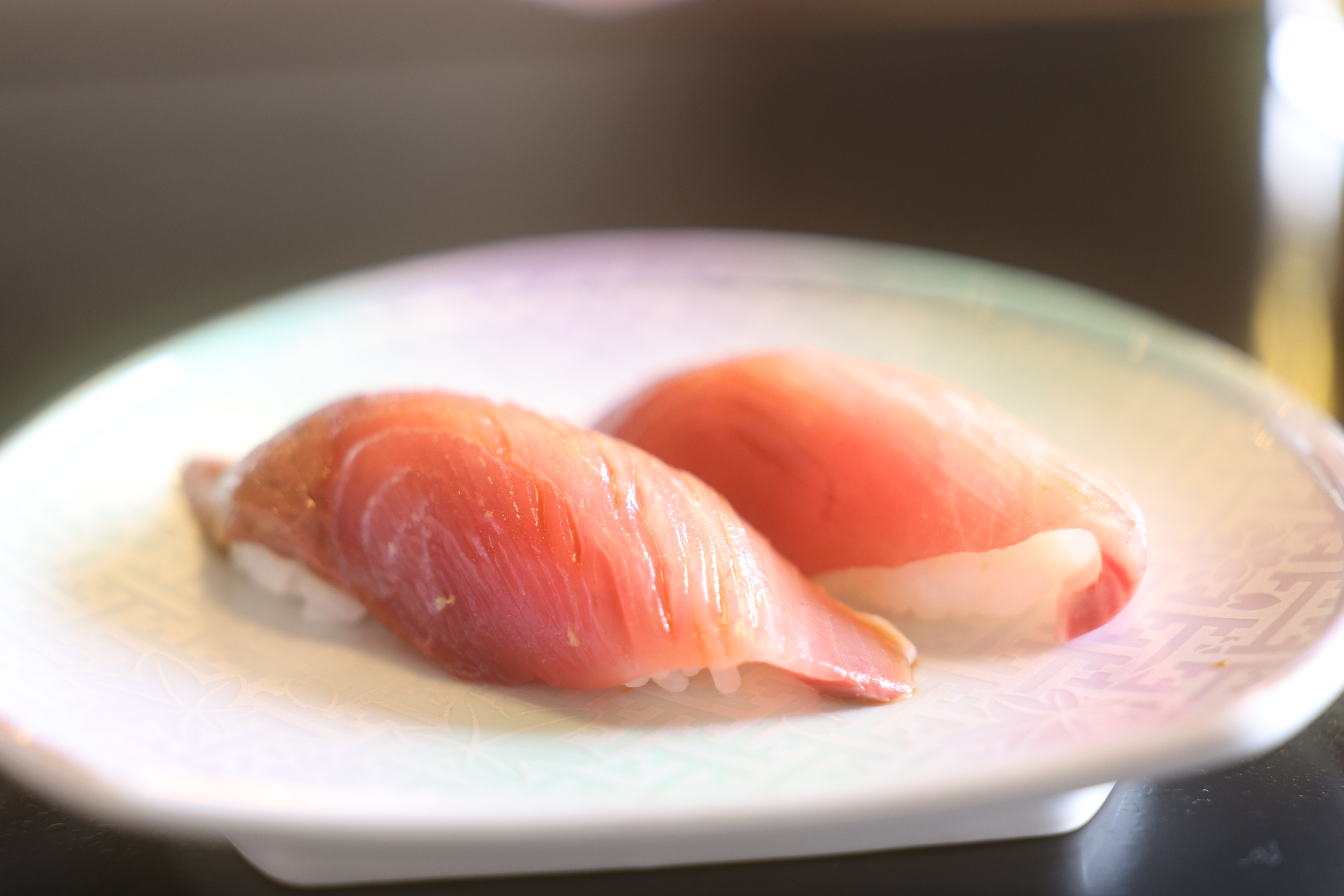
Another dish was yellowtail sushi, where the sweetness of the fish paired perfectly with lightly vinegared rice.
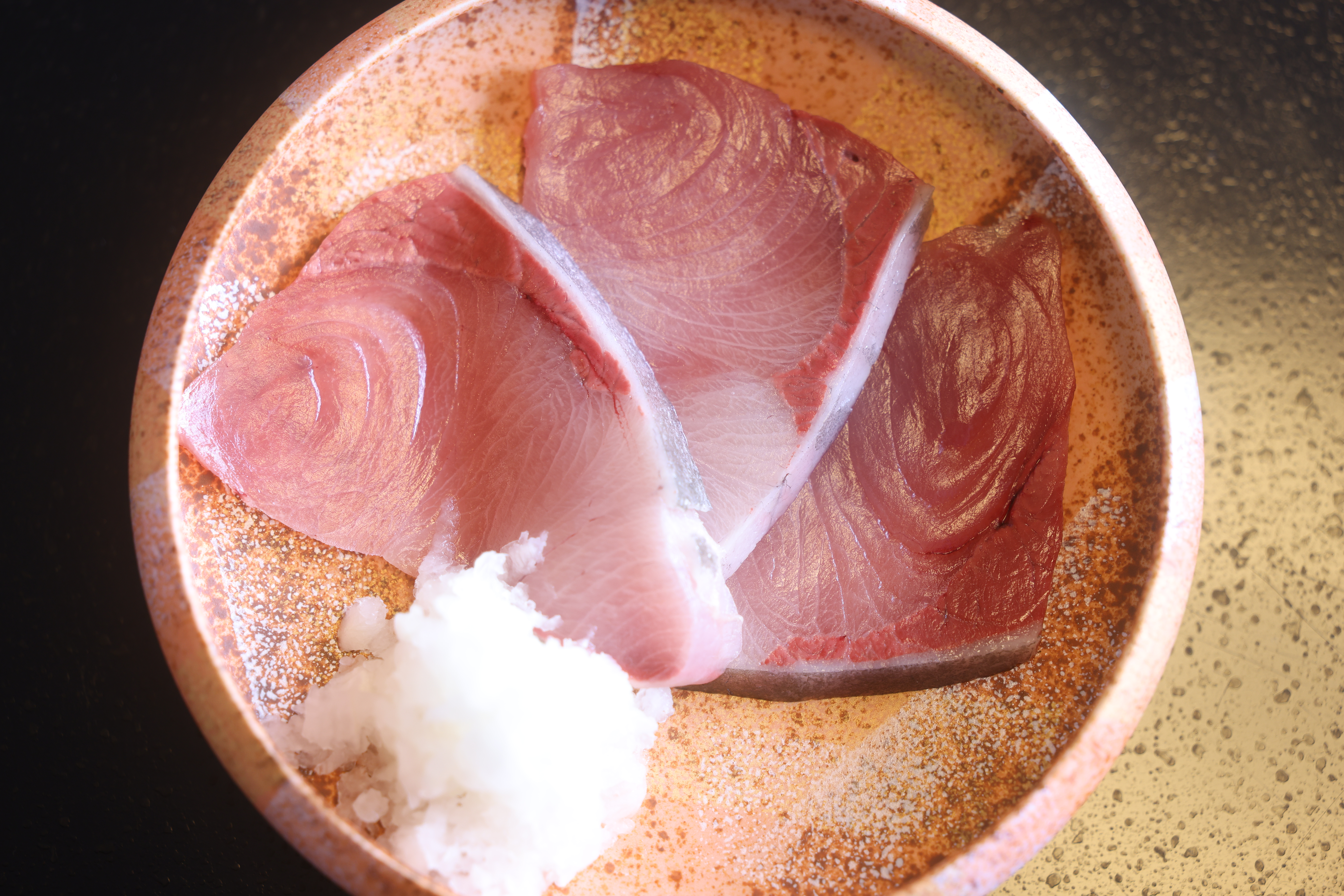
One of the most memorable dishes was buri shabu-shabu.
Instead of broth, the pot contained only Japanese sake. Thin slices of yellowtail were briefly dipped into the simmering sake, which gently cooked the fish and enhanced its natural sweetness.
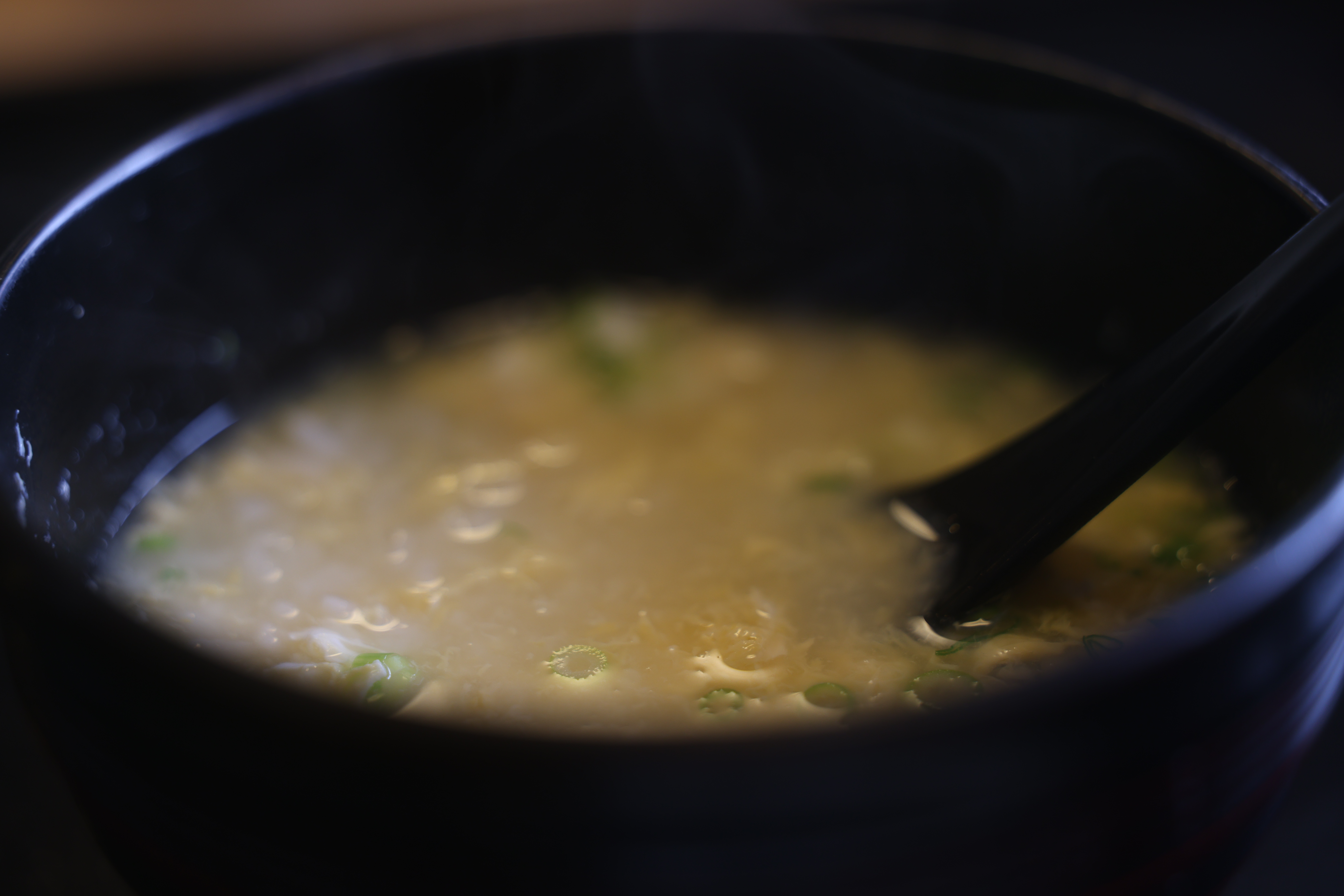
The meal ended with zosui, a rice porridge cooked in the remaining sake with egg and rice. The comforting flavor warmed the body from within.
From ham to sashimi, sushi, shabu-shabu, and porridge, each dish revealed a different side of winter yellowtail.
Toyama
Sushi from Toyama Bay Sushi Sasaki
That evening we visited Sushi Sasaki, a small restaurant tucked away in Toyama’s nightlife district.
The restaurant specializes in sushi made with fish from Toyama Bay.
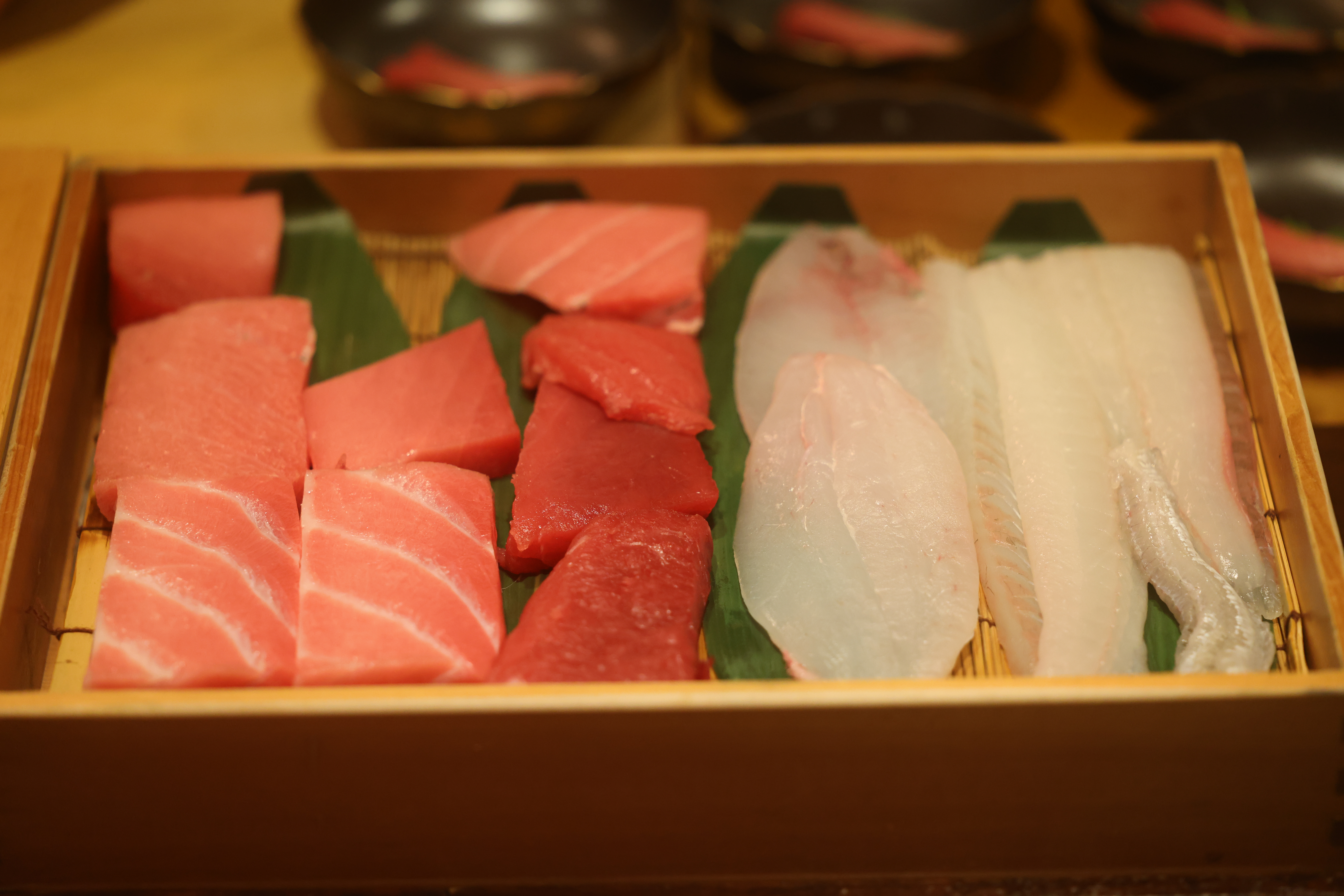
At the counter, the day’s fish are displayed in a wooden box—vivid tuna, translucent white fish, each piece shining with freshness.
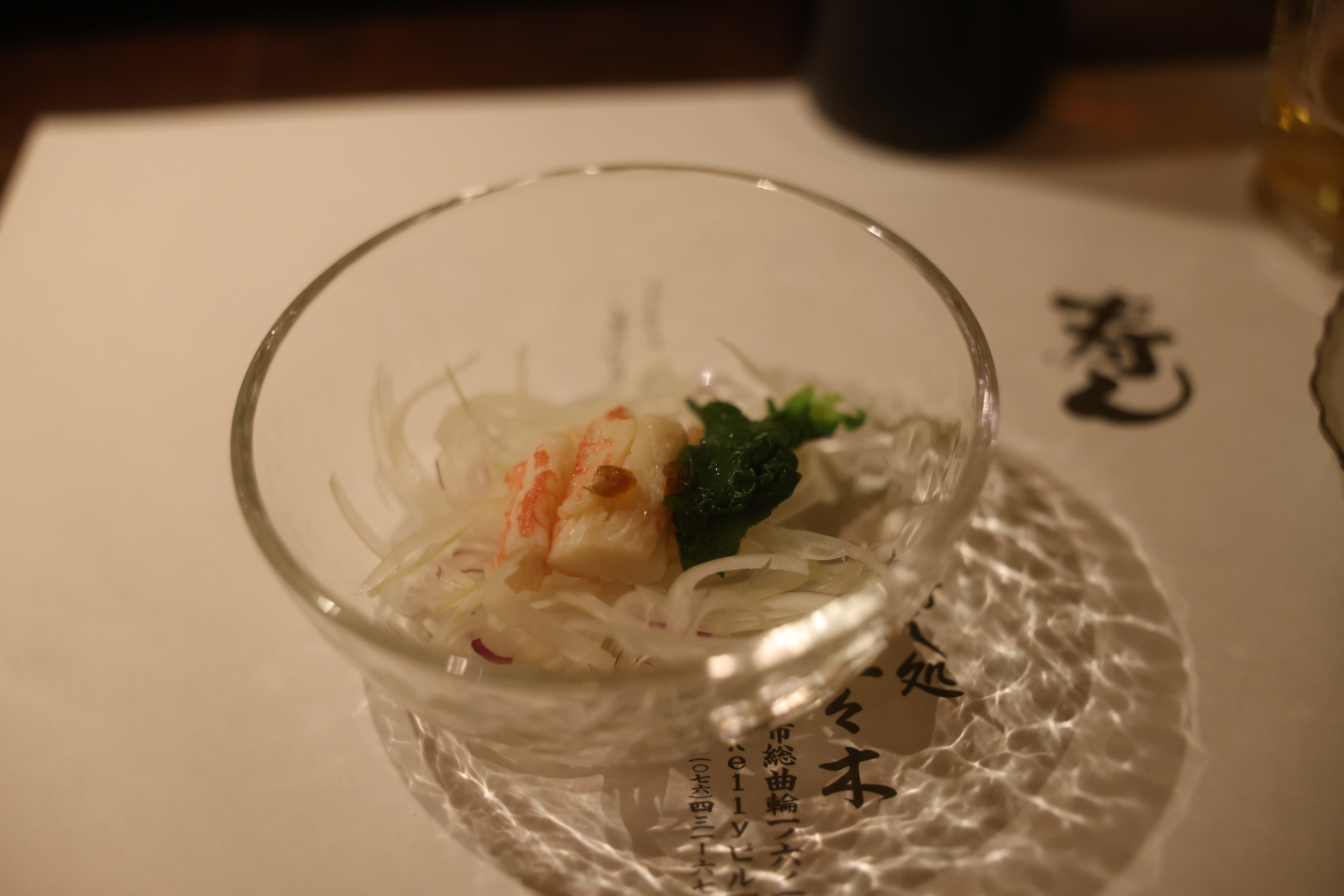
The chef quietly selects each piece and prepares it with smooth, precise movements.
The meal begins with a small appetizer, followed by a plate of sashimi. Soon the chef begins forming sushi.
Each piece is already seasoned with salt or glaze, so it is eaten without dipping in soy sauce.
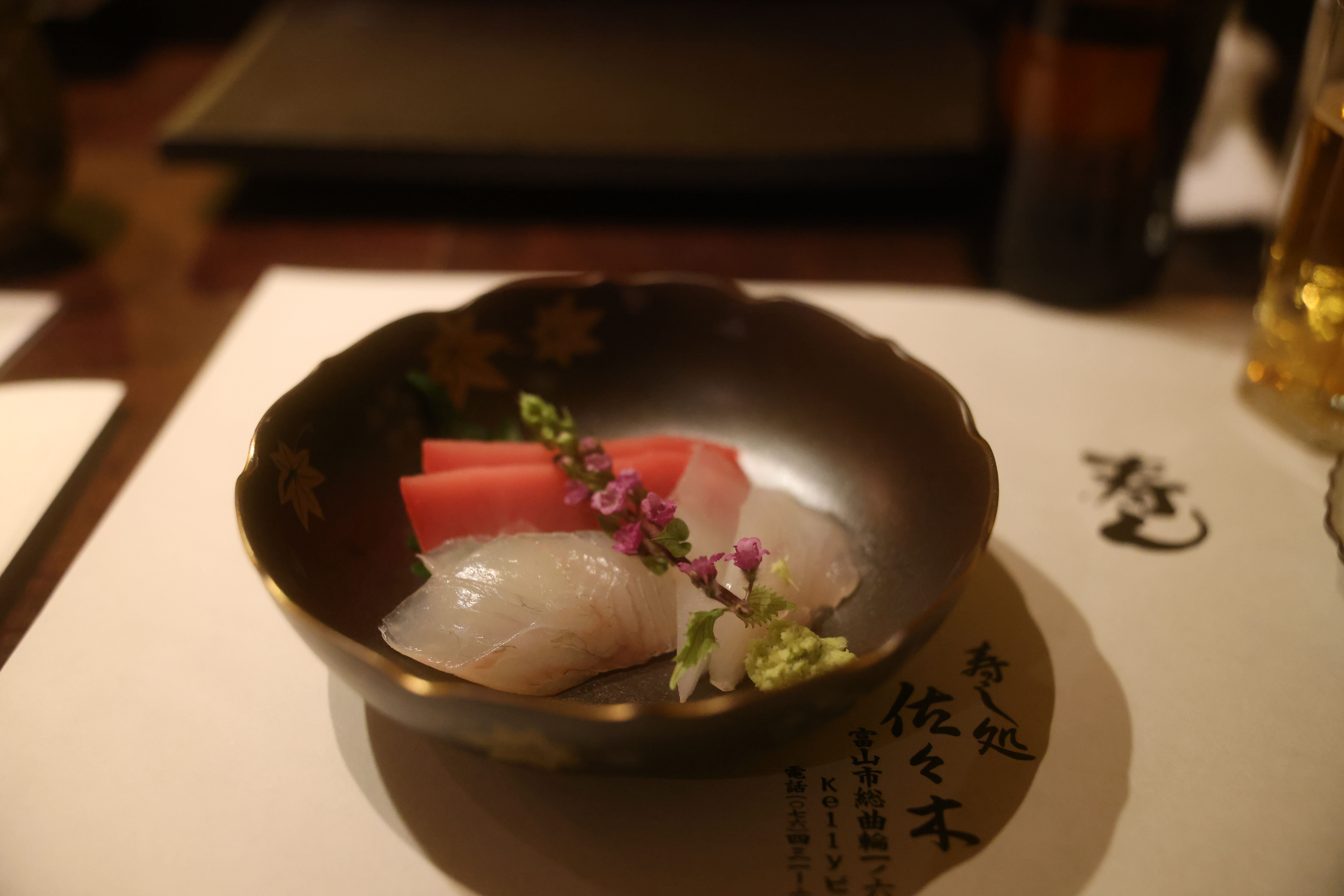
The rice uses Toyama’s premium rice Fufufu and Koshihikari, with vinegar adjusted to match each fish.
The rice loosens softly in the mouth, blending with the sweetness of the fish—an elegant expression of Toyama Bay.
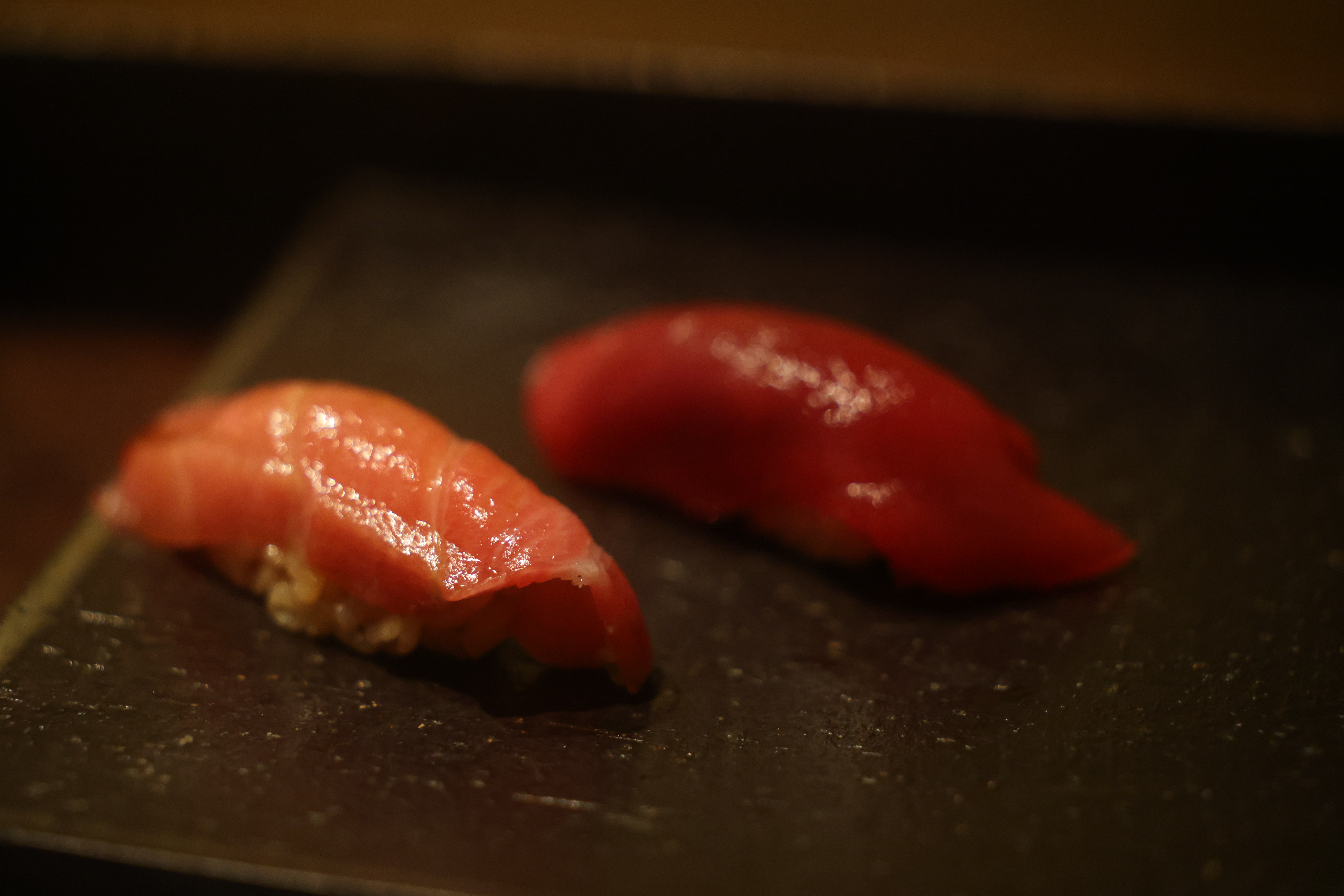
Watching the chef work while enjoying sushi slowly at the counter makes for a memorable evening.
Uoyasu (Fresh Ayu & Seafood from Tonami)
Address
1088-1 Ota, Tonami, Toyama 939-1315, Japan
Hours
11:00 AM – 2:00 PM / 5:00 PM – 8:00 PM
(Closed on Mondays and the 4th Tuesday of each month)
Access
Approximately 6 minutes from Takaoka-Tonami Smart IC or 10 minutes from Tonami IC on the Hokuriku Expressway
Fukui
Eiheiji Soba at the Temple Gate
Inoue
On the day we visited Eiheiji Temple, we stopped for lunch at Inoue, a soba shop that has served visitors since the early Showa period.
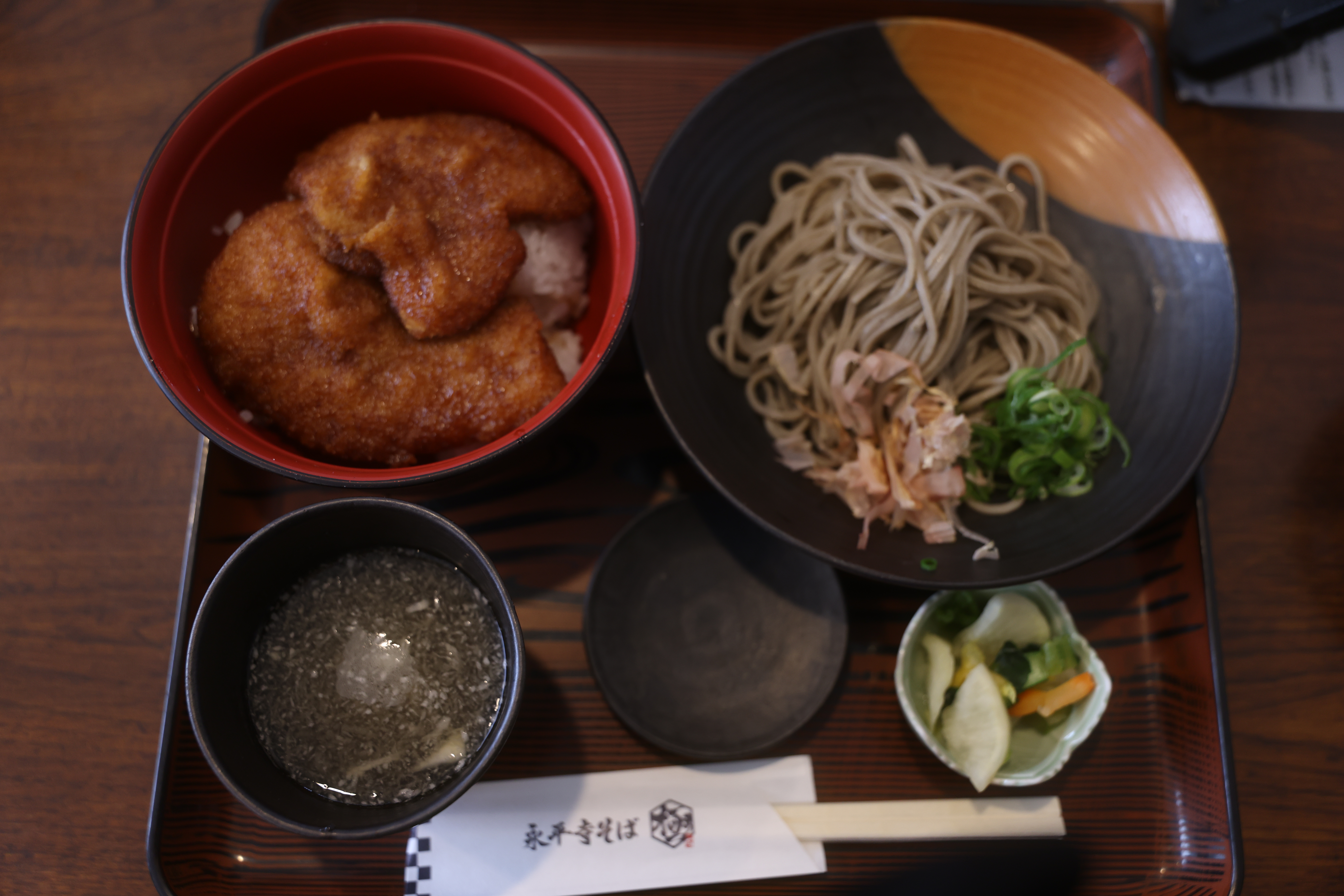
Soba has long been enjoyed in this temple town by monks and travelers alike.
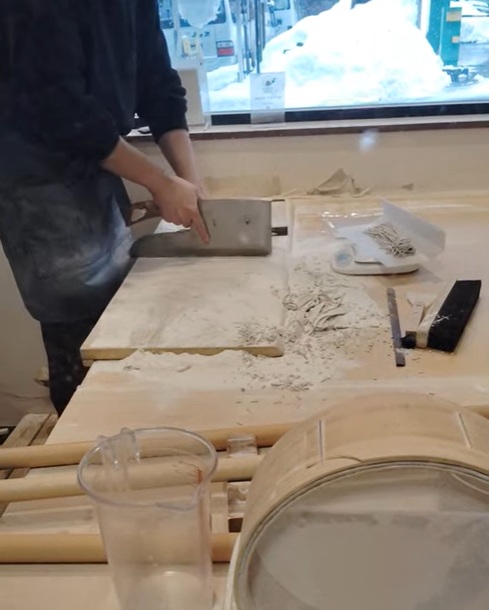
At the shop entrance, visitors can watch artisans preparing soba by hand—rolling the dough and cutting the noodles evenly.
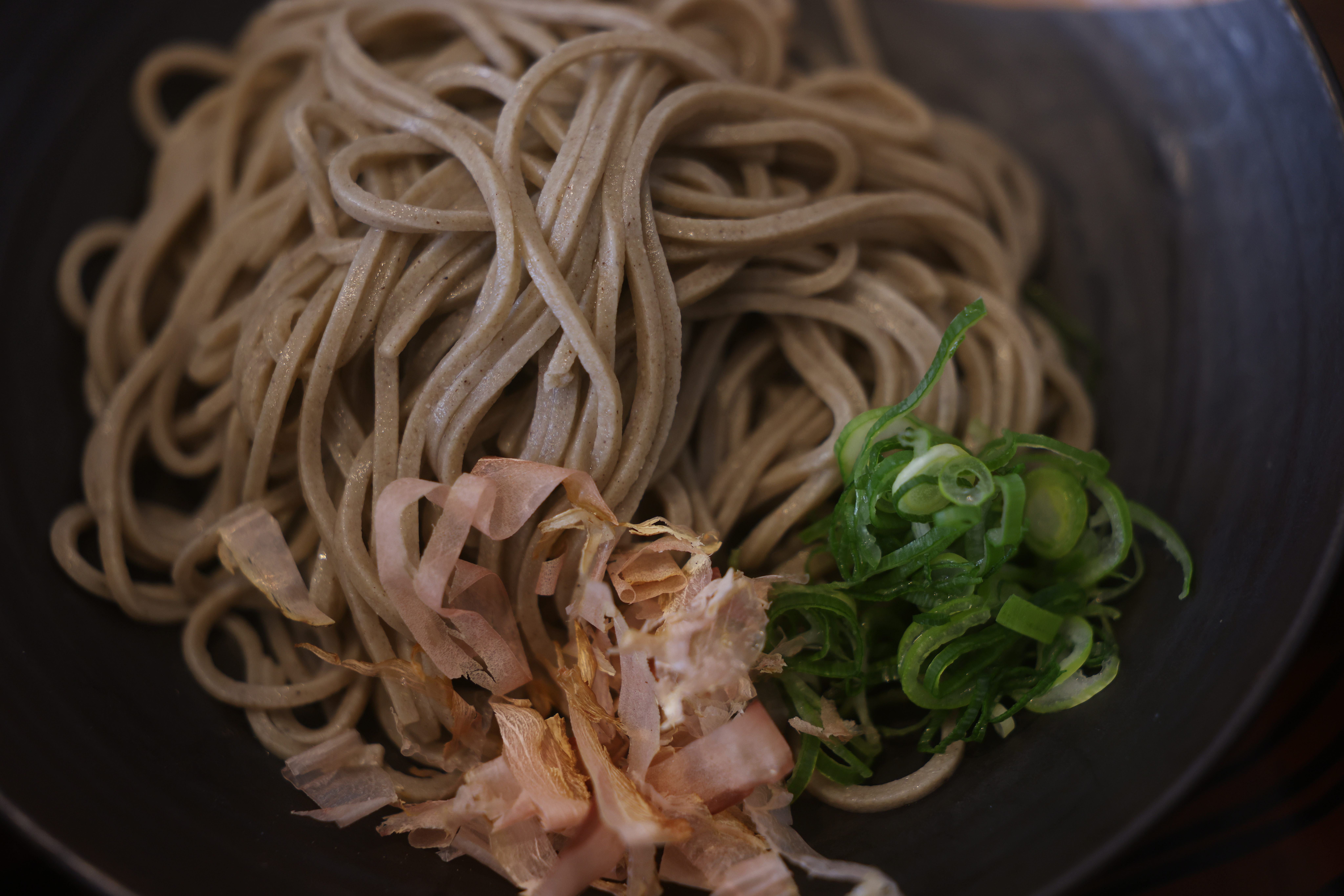
We tried Eiheiji Oroshi Soba, made from buckwheat grown locally in Eiheiji.
The noodles are made with 100% buckwheat flour, giving them a strong aroma and slightly firm texture.
They are served with grated daikon radish and broth poured over the top. The refreshing sharpness of the radish enhances the flavor of the soba.
We also enjoyed Fukui’s famous Sauce Katsudon, where a fried pork cutlet is dipped in a sweet and tangy sauce before being placed over rice.
The simple yet comforting flavors made it a perfect meal before visiting the temple.
Inoue (Eiheiji Temple Approach)
Address
Monzen, Eiheiji Town, Yoshida District, Fukui 910-1228, Japan
Hours
8:30 AM – 5:00 PM
(Until 4:30 PM from November to March / Open daily)
Access
• From JR Fukui Station: Take a bus and get off at “Eiheiji” bus stop (located right next to the restaurant)
• From Eiheiji-guchi Station (Echizen Railway Katsuyama Eiheiji Line): Take a bus from the station to “Eiheiji” bus stop
• Approximately 15 minutes by car from Fukui-Kita IC on the Hokuriku Expressway
Fukui
Echizen Crab in the Port Town of Mikuni
Uoshirou
To conclude our journey, we visited Uoshirou, a historic restaurant in the port town of Mikuni.
The building dates back to the early Meiji period and is now registered as a national cultural property.
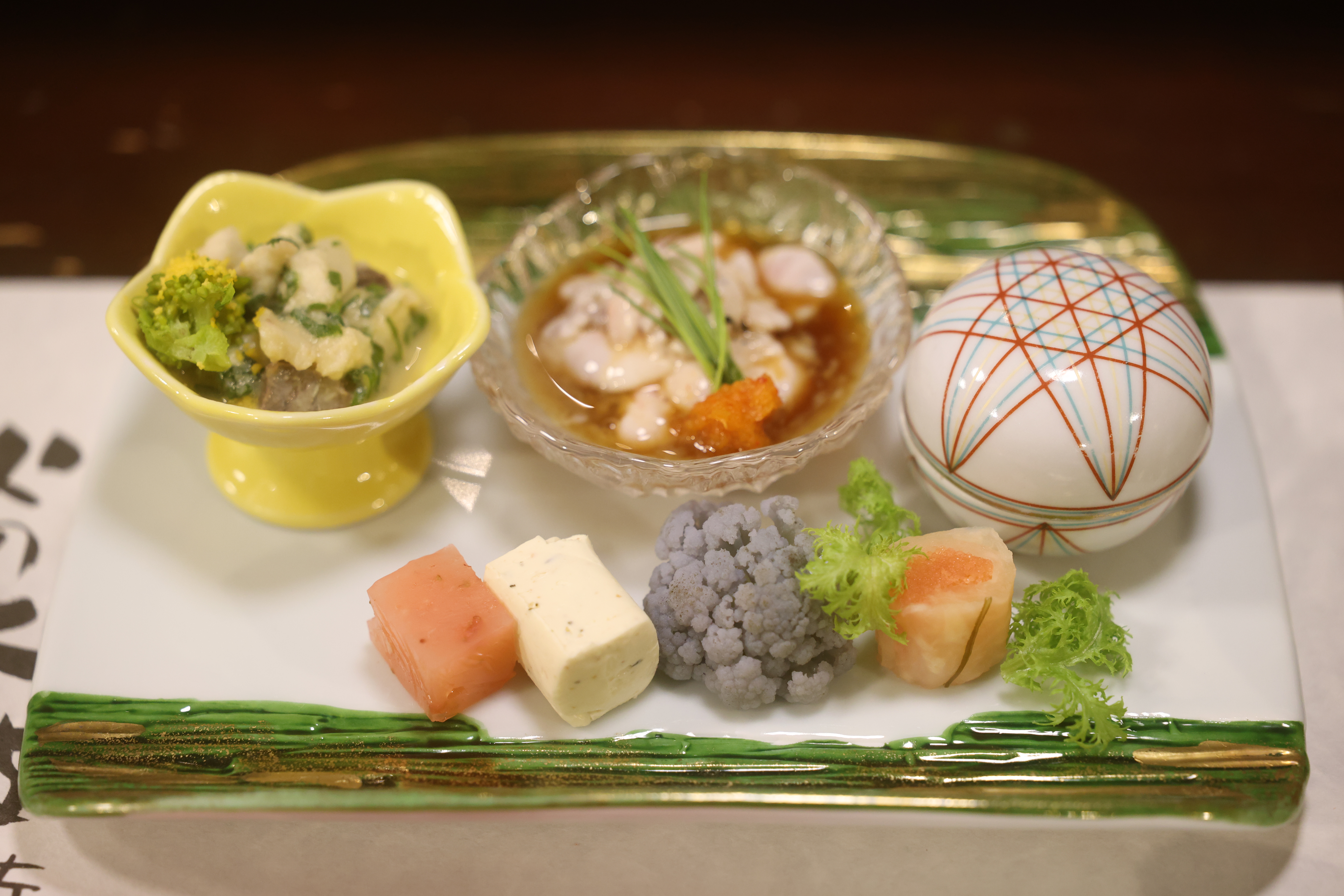
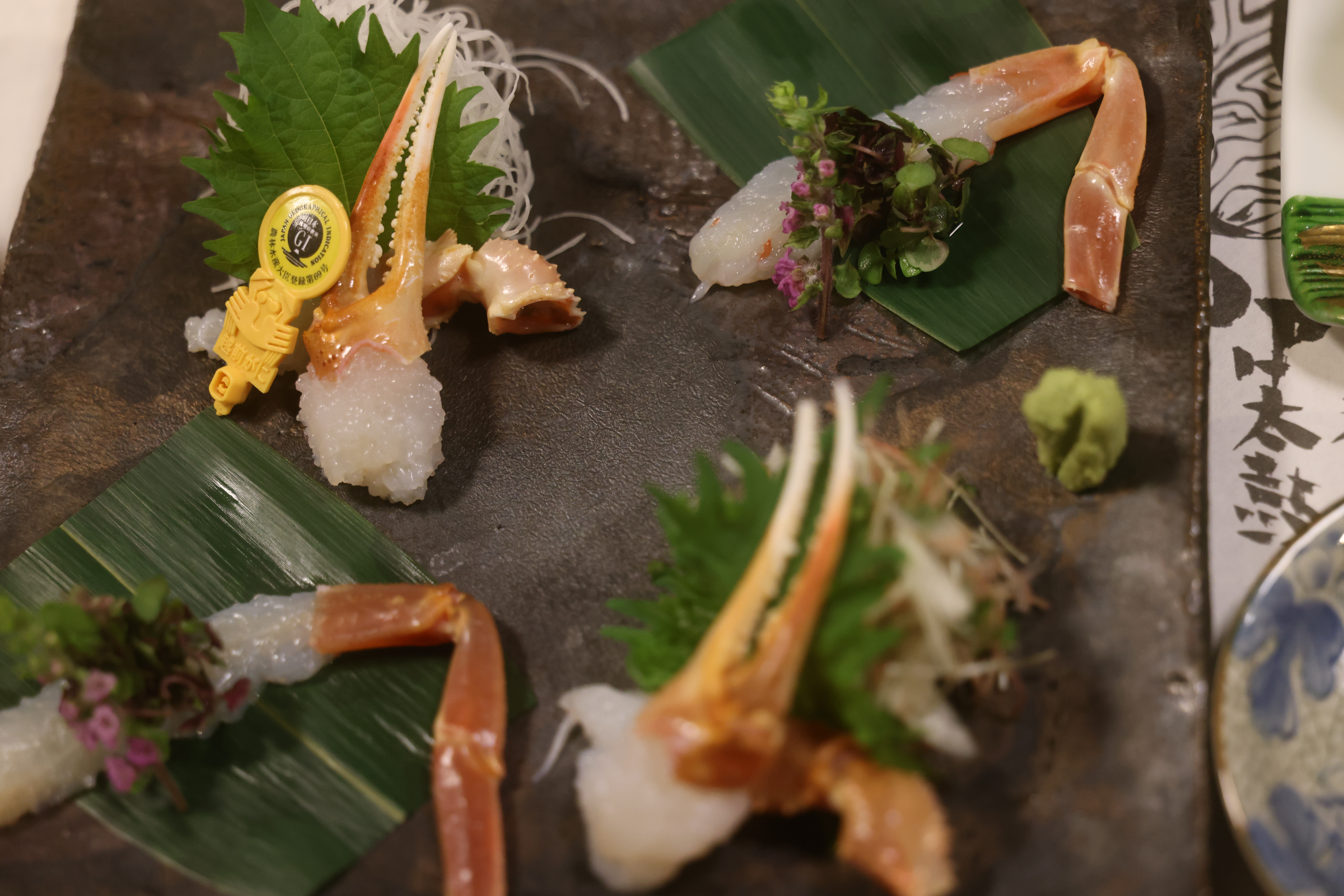
Here we enjoyed Echizen Crab, Fukui’s most famous winter delicacy. Crabs landed in Fukui ports carry a distinctive yellow tag that guarantees their origin.
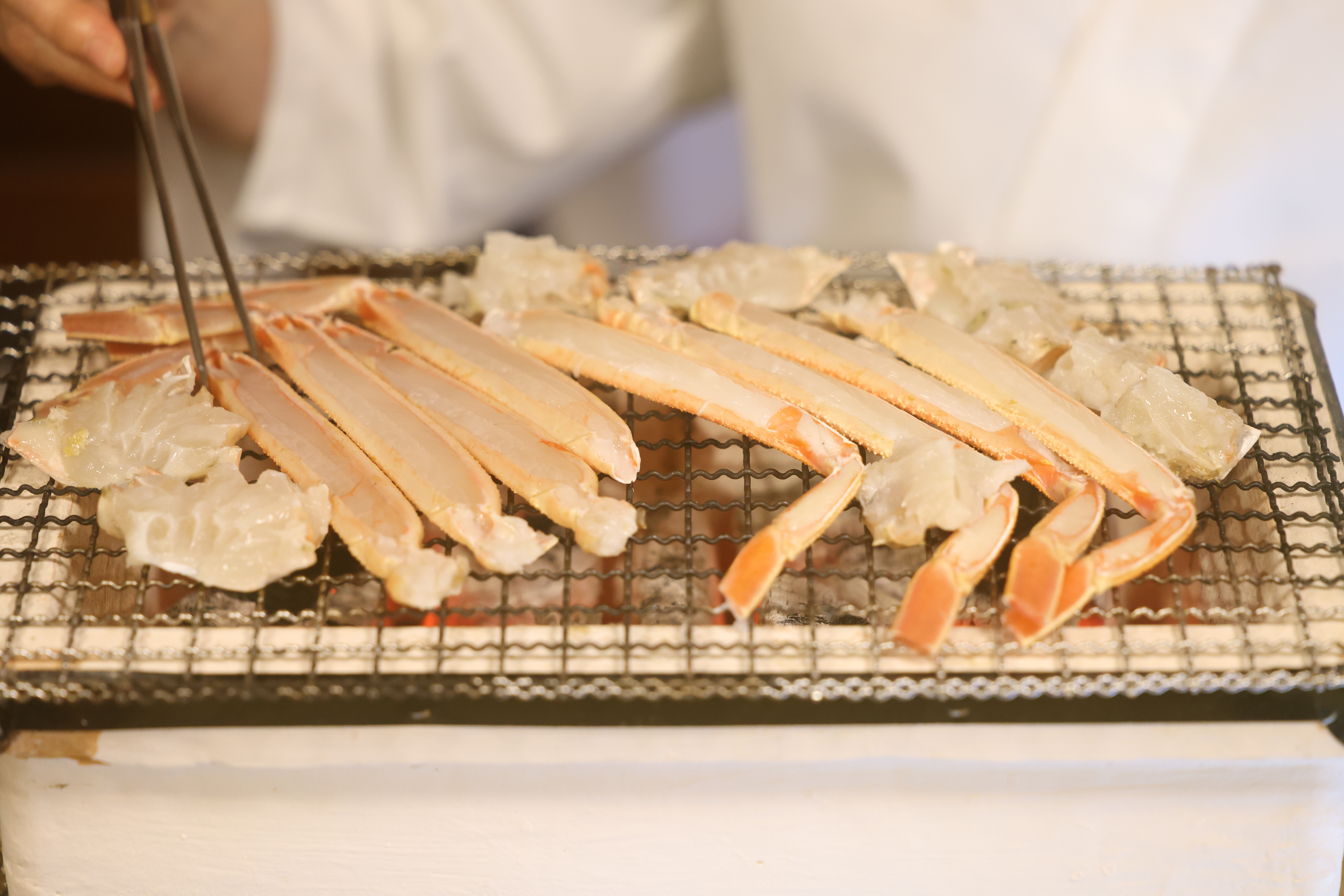
The meal began with seasonal appetizers, followed by kani-sashi, raw crab legs with delicate sweetness.
Next came grilled crab, slowly cooked over charcoal. The heat deepens the sweetness and releases a fragrant aroma.
We also tasted Heshiko, a traditional fermented mackerel dish from Fukui. Grilled over charcoal, it develops a rich flavor that pairs beautifully with sake.
Conversations with the proprietress added warmth to the evening, as she shared stories about the town and its food culture.
Uoshirou (Traditional Dining in Mikuni)
Address
3-7-23 Shinmei, Mikuni-cho, Sakai, Fukui 913-0047, Japan
Hours
11:30 AM – 2:00 PM / 6:00 PM – 9:00 PM
Closed
Tuesdays, 2nd and 4th Wednesdays
(Hours and holidays may vary during Golden Week, Obon, and other holiday periods)
Access
• 8 minutes on foot from Mikuni Station (Echizen Railway Mikuni Awara Line)
• Approximately 25 minutes by car from Kanazu IC on the Hokuriku Expressway
Memories That Stay with You
During this winter journey through Hokuriku, we encountered many memorable dishes.
Kanazawa Oden in Ishikawa, winter yellowtail in Toyama, and Eiheiji soba in Fukui—each reflects the sea, climate, and traditions of the region.
Yet what stays in memory is not only the food.
Conversations with chefs and restaurant owners reveal the stories behind the dishes and the history of the towns. Through these moments, the culture of Hokuriku becomes clearer.
Perhaps the reason we wish to return is not only to taste the food again, but to meet these people once more.
A winter journey through Hokuriku is a journey of remarkable cuisine—and warm hospitality.
— Author —
Yoshihito Taya (Hokuriku Area Manager, Japan Regional Consortium (JRC)
/ Japan Tourism Agency Co., Ltd. (JTA)
He is engaged in discovering regional resources centered in the Hokuriku area and promoting them to international audiences.
Working across a wide range of fields—including tourism, food, and traditional crafts—he leads projects that convey the unique appeal of local regions overseas.
He also shares Hokuriku’s charm through his personal Instagram


.png)
.png)
.png)
.png)
.png)
.png)
.png)
.png)
.png)
.png)
.png)
.png)
.png)
.png)
.png)
.png)


.png)
.png)
.png)
.png)
