
Take Me Out-Hokuriku(MII)


A Thailand-based creator and influencer, MII, embarks on a journey through the three prefectures of Hokuriku.
Through encounters with nature, culture, and food across Toyama, Ishikawa, and Fukui, this story brings you the region’s charm from a local perspective.
Upon arriving at Kanazawa Station, the first thing you notice is the large number of foreign visitors, especially Westerners, which is clearly more visible here than even at Tokyo or Osaka Stations.
I've heard that since the Shinkansen arrived in this area a few years ago, the Hokuriku region has become very popular, drawing travelers to cities that were previously not high on the list of main Japanese destinations.
But I think we should now start watching this unexpected favorite that is becoming popular with tourists and will likely gain attention quickly in the next few years.
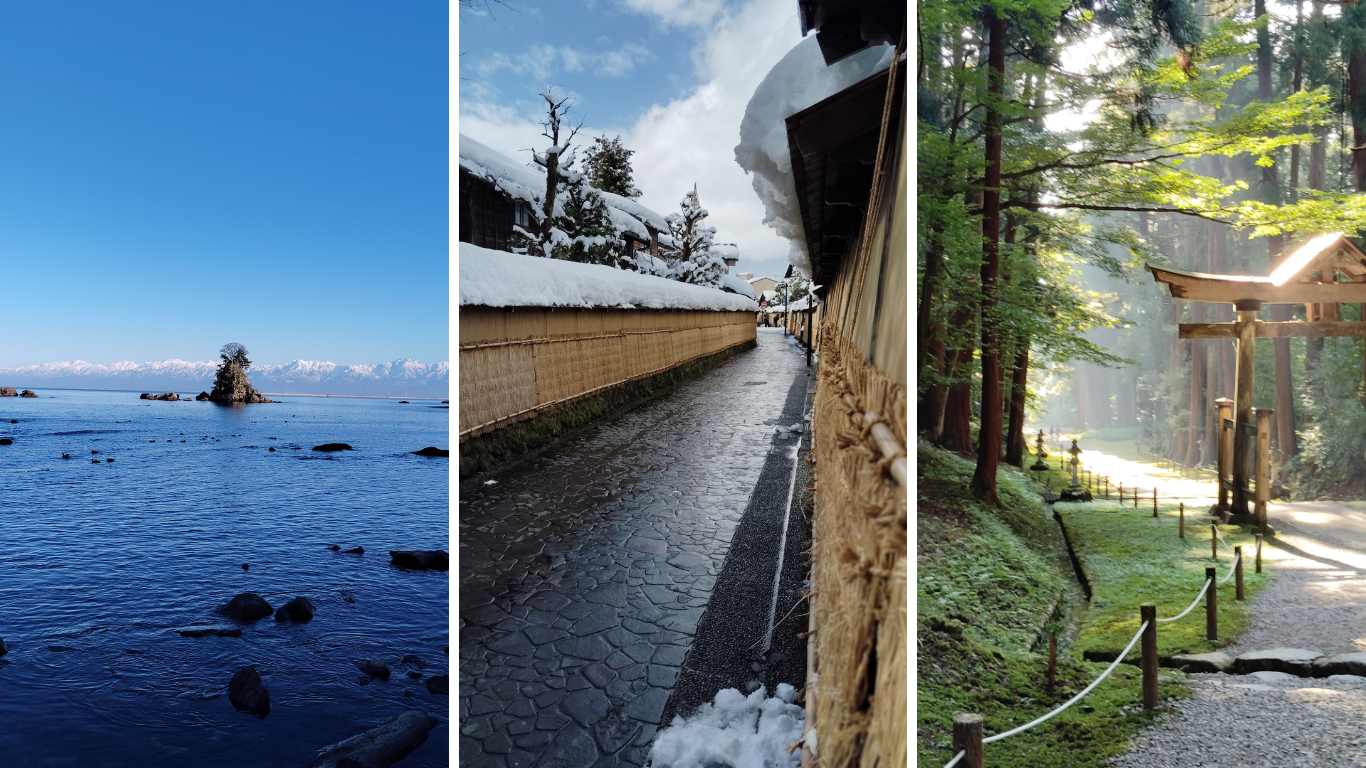
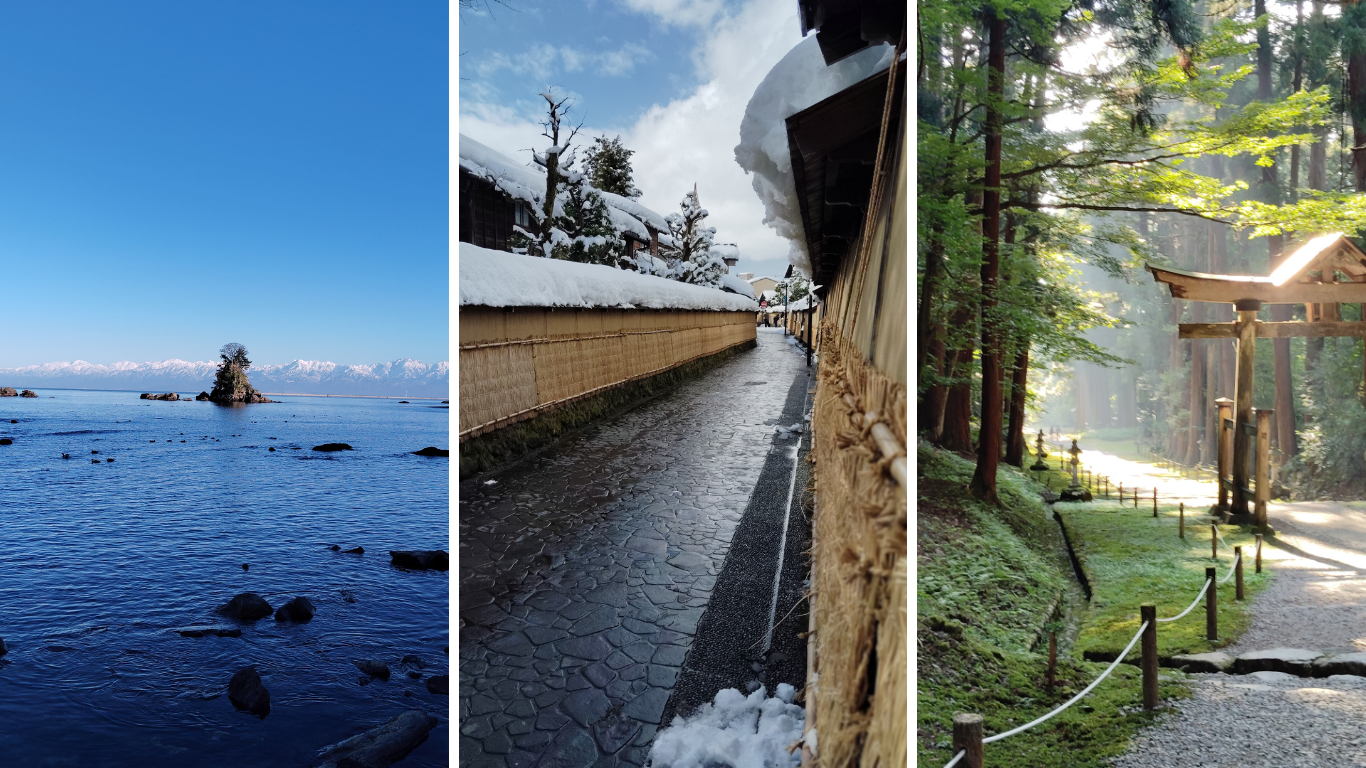
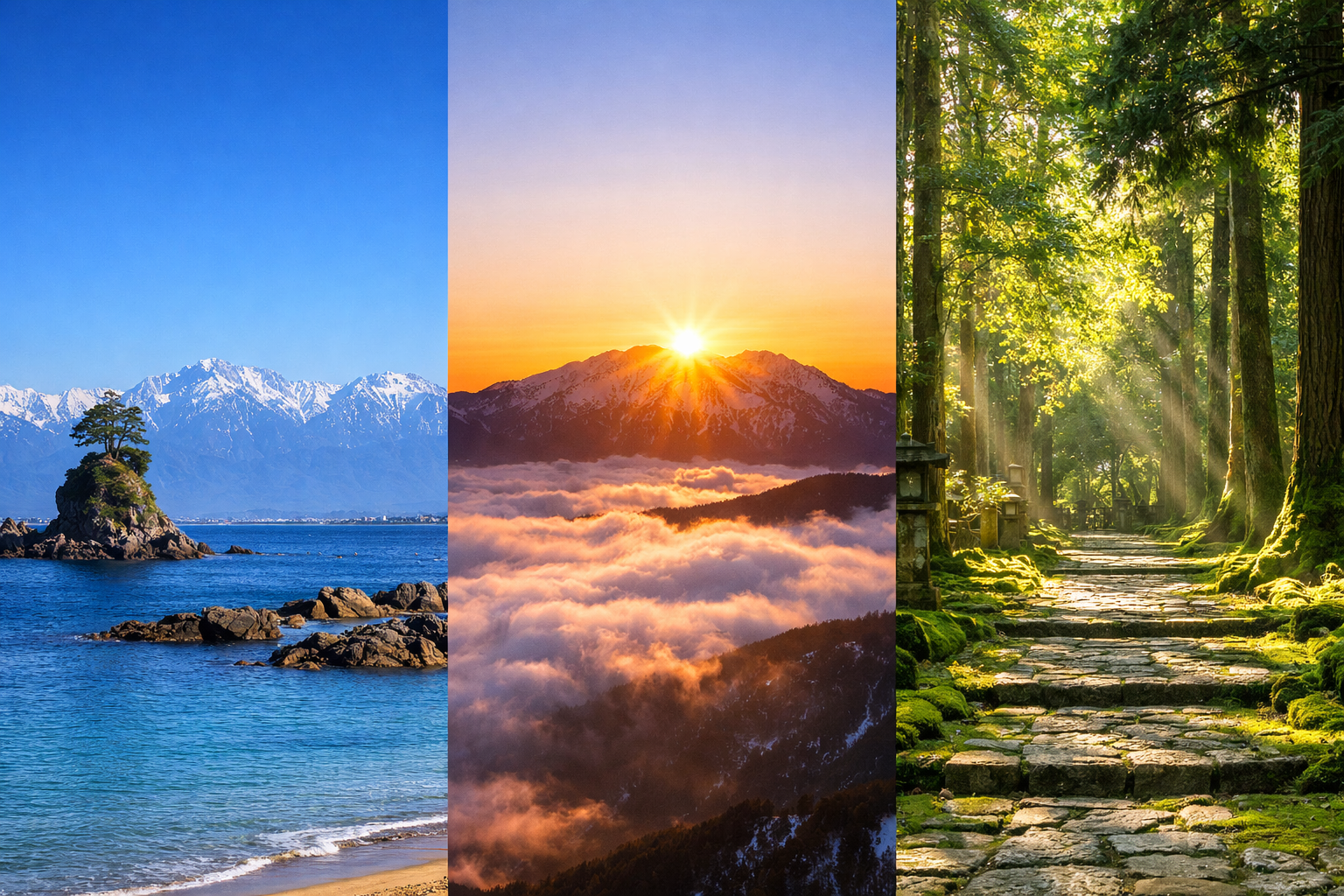
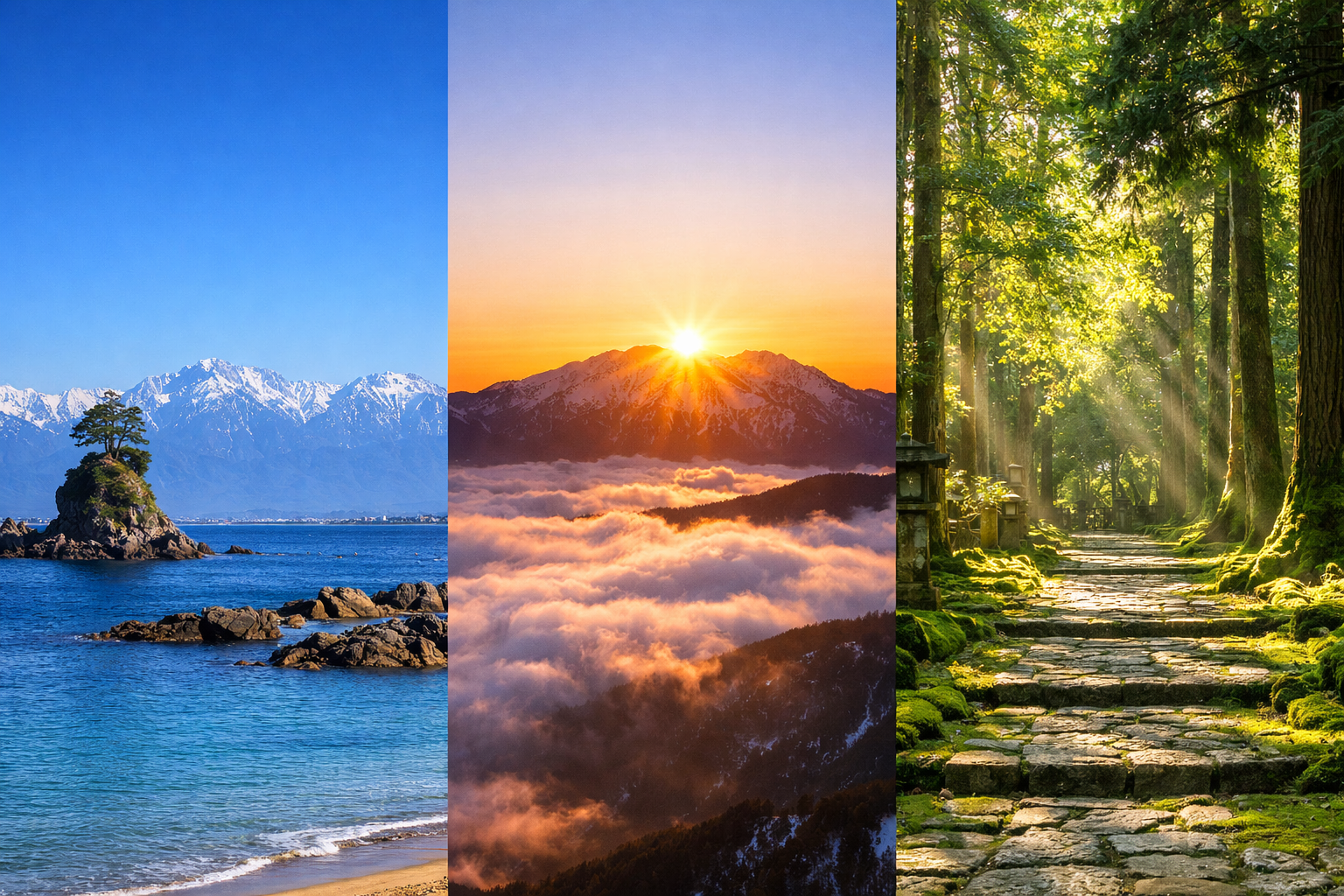
The Hokuriku region is made up of Ishikawa, Toyama, and Fukui Prefectures; it is the land on the western side known for its great natural beauty and top-level craftwork.
Ishikawa Prefecture is the center of a rich cultural history from the Samurai period, and it is still the only place in Japan that keeps the art of gold leaf making alive. Meanwhile, Fukui Prefecture is a place of spiritual depth and careful detail, having strong roots in Zen Buddhism and pure water, which has led to several breweries here producing high-quality local sake. As for Toyama Prefecture, it is the city that connects the stunning Japanese Alps with Toyama Bay, a source of excellent seafood.
All three prefectures have the traditional knowledge to make craft items with deep stories, from local sake and smoky Japanese whisky to flexible, bendable tin products. This makes Hokuriku a new region of interest for tourists who enjoy food, art, culture, crafts, and new places that are less well-known.
If you’re visiting Hokuriku, we recommend a journey that takes you across all three prefectures.
As Toyama, Ishikawa, and Fukui unfold one after another, their distinct characters come together to create a seamless experience of nature, culture, and food.
With each move, the scenery and atmosphere shift, adding depth and richness to the journey itself.And here are the places we recommend if you plan to visit Hokuriku.
Toyama
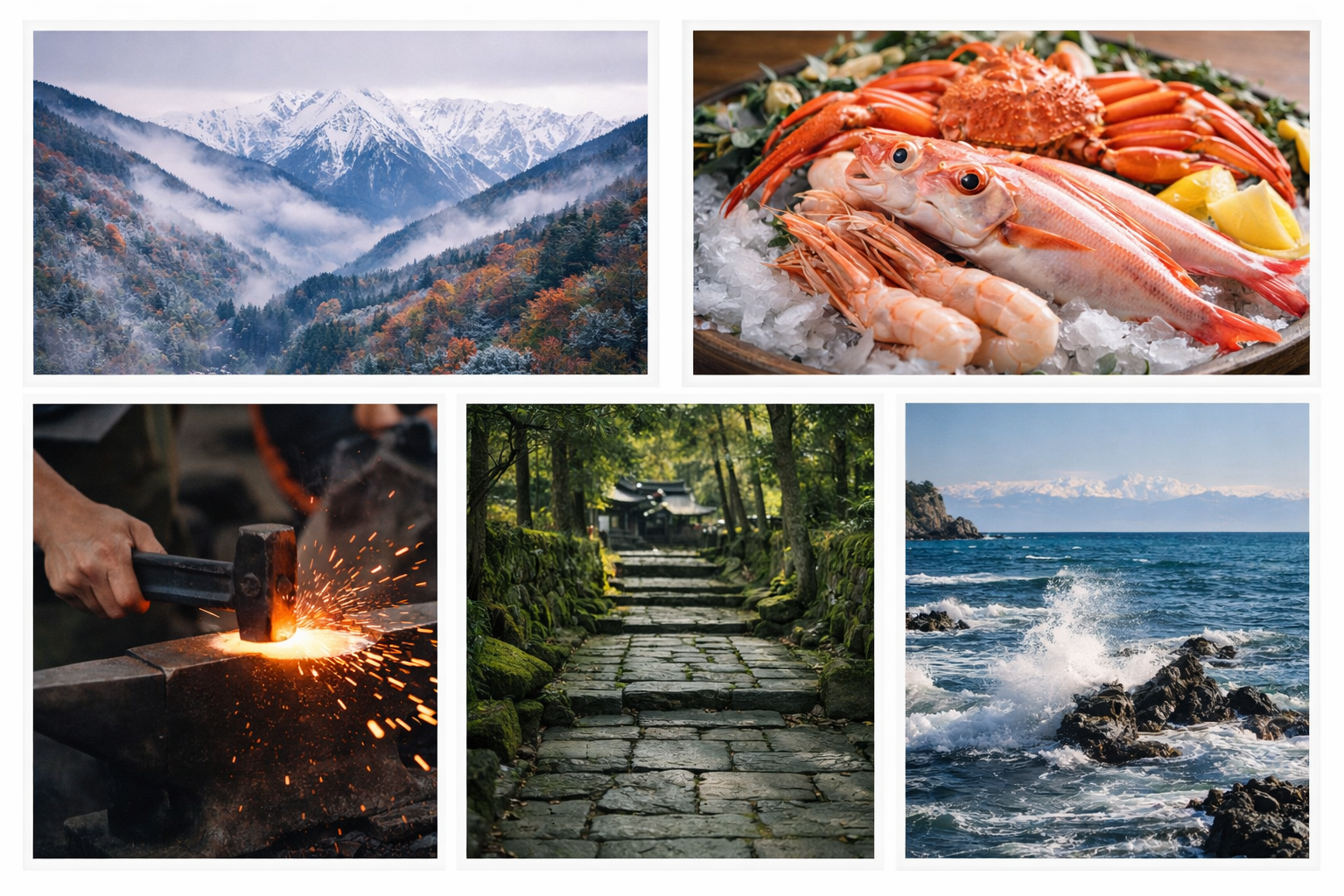
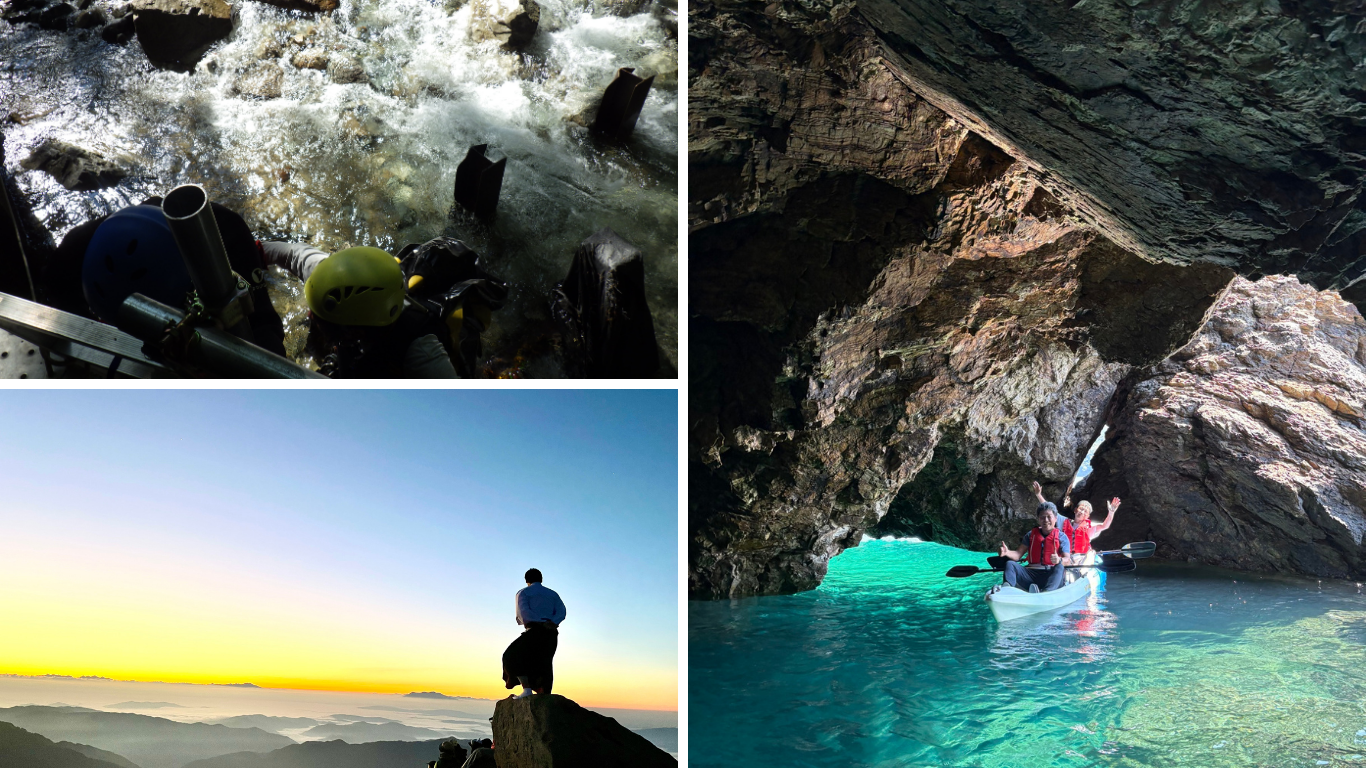
Toyama Prefecture is known for its amazing landscape, from the Japanese Alps to Toyama Bay, a source of prime deep-sea seafood. Besides its natural beauty, Toyama is a center for metal craftwork, especially Takaoka Casting that has been passed down for centuries, which is now constantly being updated with modern production methods. This has made it famous as a source of highly technical craft items, and it is also home to a World Heritage village with the old Gassho-zukuri building style hidden in the valleys.
Visit the Website.
Saburumaru Distillery
The Saburumaru Distillery of Wakatsuru Shuzo Company began by making sake since 1862 before switching to whisky production in 1952. This distillery is skilled at creating smoky-style whisky by mixing ingredients and techniques from both the global whisky world and local Toyama.
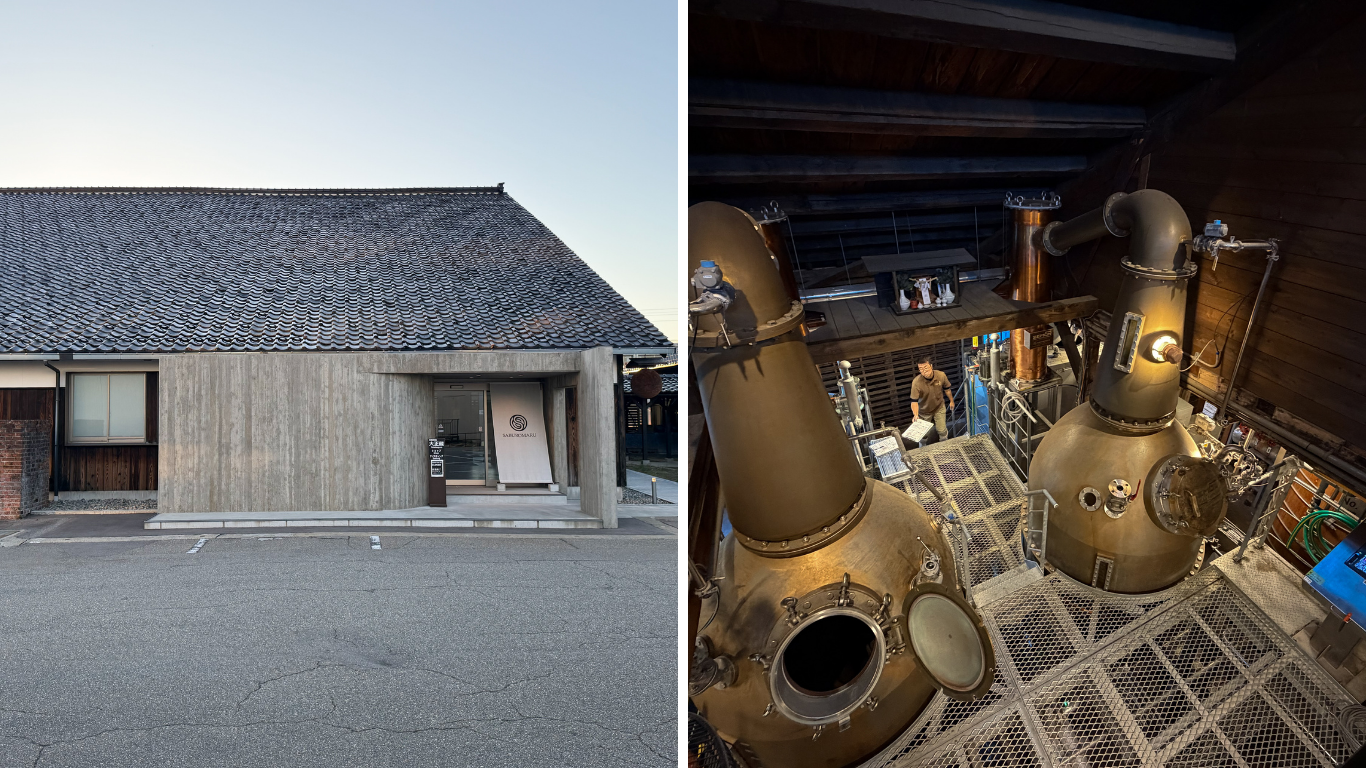
The key element is the use of pure groundwater from the Shogawa River, along with high-quality ingredients like peat from Islay, Scotland, to create a unique smoky smell. Saburumaru also created the ZEMON copper Pot Still with local artisans, and started using large wooden fermentation tanks to add layers of flavor to the whisky. By working with carpenters in Inami Town, they made Mizunara casks from local Toyama oak, which creates a sustainable loop for the forests and truly lifts the status of the aging cask to a premium resource. With this passion and new ideas, Saburumaru continues to challenge itself to bring Toyama's craft whisky to the world stage. If you visit the distillery, make sure to buy souvenirs from the shop. If you like coffee, they have coffee beans aged in whisky barrels.
Visit the Website.
.png)
NOUSAKU
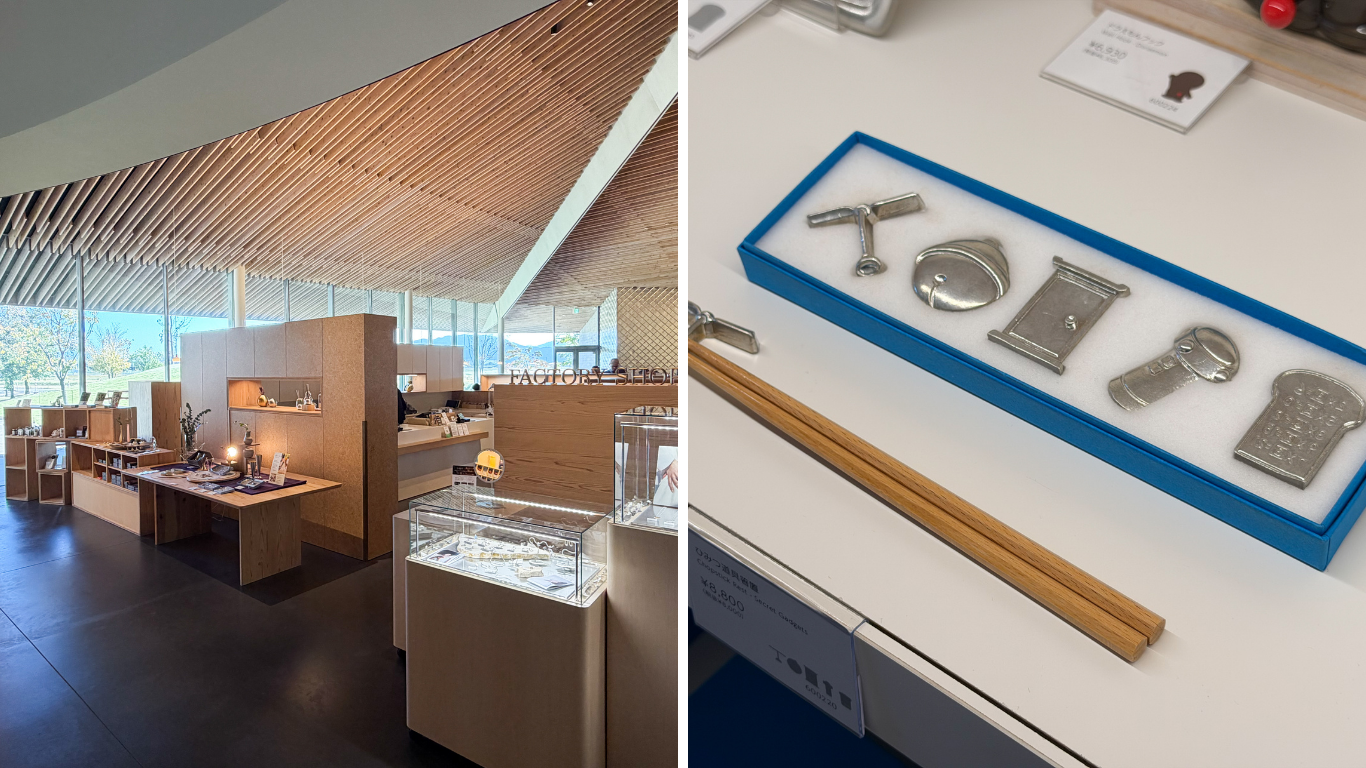
Founded in 1916, NOUSAKU is not just a factory, but a place where the over 400-year-old tradition of Takaoka copperware lives on, allowing visitors to experience the craft up close and appreciate the appeal of casting culture.
.png)
Here they make products from brass and bronze, as well as items from 100% pure tin that has the special quality of being soft and able to be bent. The top product, the KAGO tin basket, shows the courage to break away from traditional manufacturing limits. Visitors can fully experience the craft by taking a free factory tour to watch metal being cast at temperatures over 1,000 degrees Celsius. Or we strongly suggest joining the NOUSAKU LAB workshop, which lets anyone try their hand at making their own tin item using the traditional sand casting method. This factory also features a very interesting restaurant and cafe. Almost every piece of equipment used on the table is tinware produced right here in this factory, allowing us to touch and use them in a real setting. And if you find yourself impressed, there is a factory souvenir shop where you can choose items to take home. Don't forget to look for the special collections as well.
Visit the Website.
Ainokura Gassho-zukuri Village
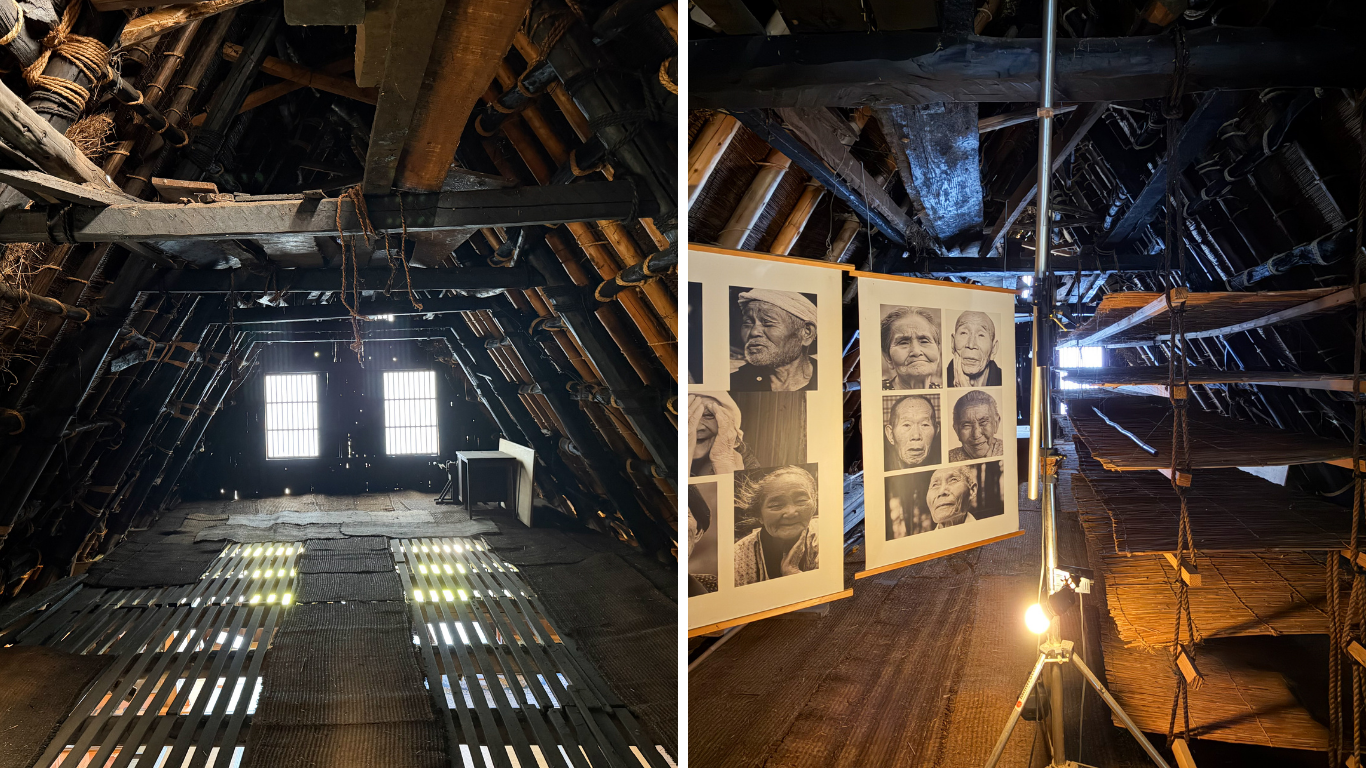
Ainokura Village is a Gassho-zukuri World Heritage Site, featuring steep thatched-roof houses built to handle heavy snow for centuries.
.jpg)
What makes Ainokura so special is its calmness and smaller size, making it clearly different from Shirakawa-go. It really feels like a true country village because people still live there and keep the old way of life with very little commercial activity. Visitors can walk up to the viewpoint for a high view of the Gassho houses surrounded by mountains. A must-do experience is staying overnight in a Gassho-zukuri Minshuku to privately take in the feeling of the past, and taking part in traditional Washi paper-making.
Visit the Website.
SAYS FARM
SAYS FARM in Himi Town, Toyama Prefecture, is a beautiful and modern farm started by a man's strong desire to turn an empty plot of land into a rich and lasting farm. This is more than a winery; it aims to be a symbol of living together with nature.
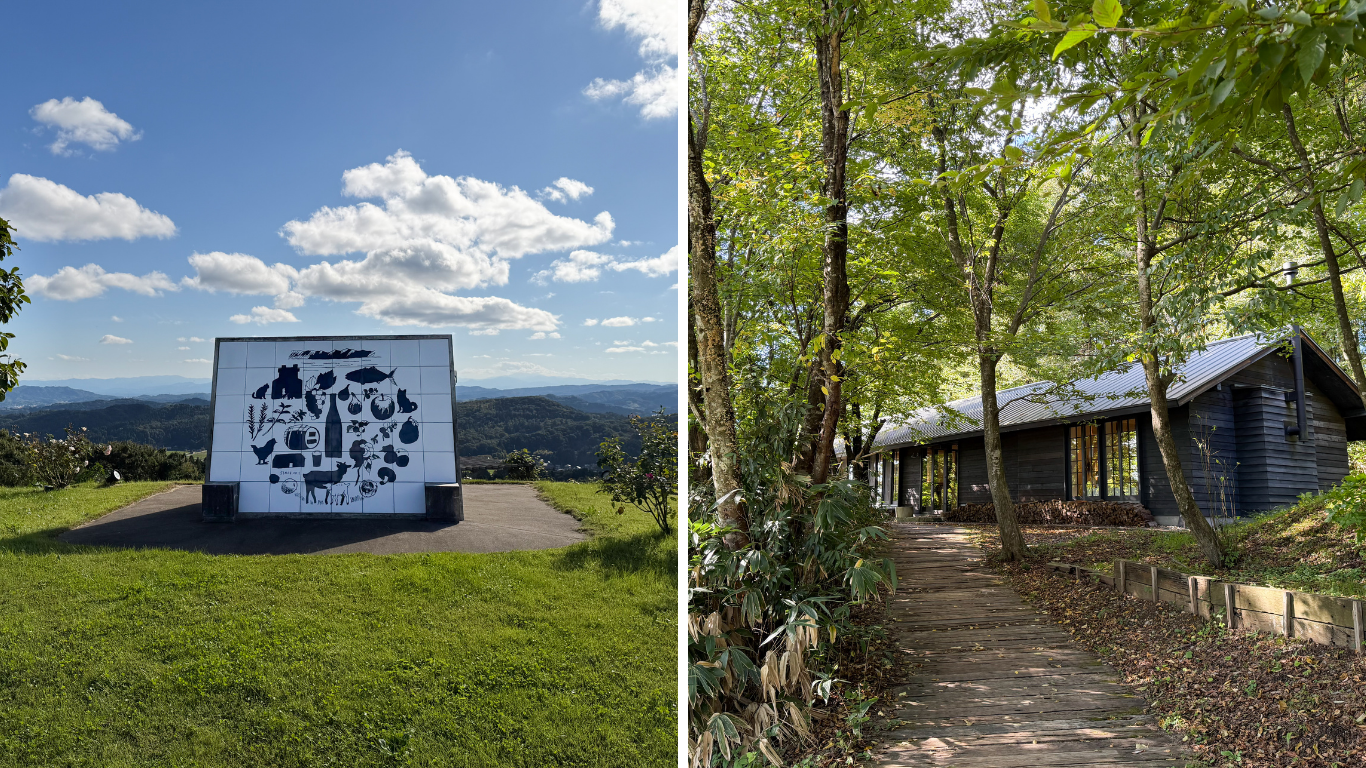
The farm is located on a hill overlooking the vineyard, with Toyama Bay and the Tateyama mountain range in the background. The main idea of SAYS FARM is to use the land's value to the fullest. The farm's restaurant, next to the winery, follows a Farm-to-Table rule, serving freshly created Italian-style food that highlights the freshness of vegetables, fruits, and herbs grown on the farm, along with seafood from Toyama Bay. We highly advise booking a meal of seasonal ingredients while enjoying wine made at the farm.
Visit the Website.
.png)
Ishikawa
Ishikawa Prefecture, especially the city of Kanazawa, is the core of gold, crafts, and the Samurai way of life. The cultural greatness of the past is fully preserved.
This city is the source of gold leaf used in almost all of Japan. Its special quality is the blend of the classic beauty of the Samurai era with modern art ideas and building design, making this city a perfect spot for those looking for both history and modern flair.
Visit the Website.
Imai Kinpaku
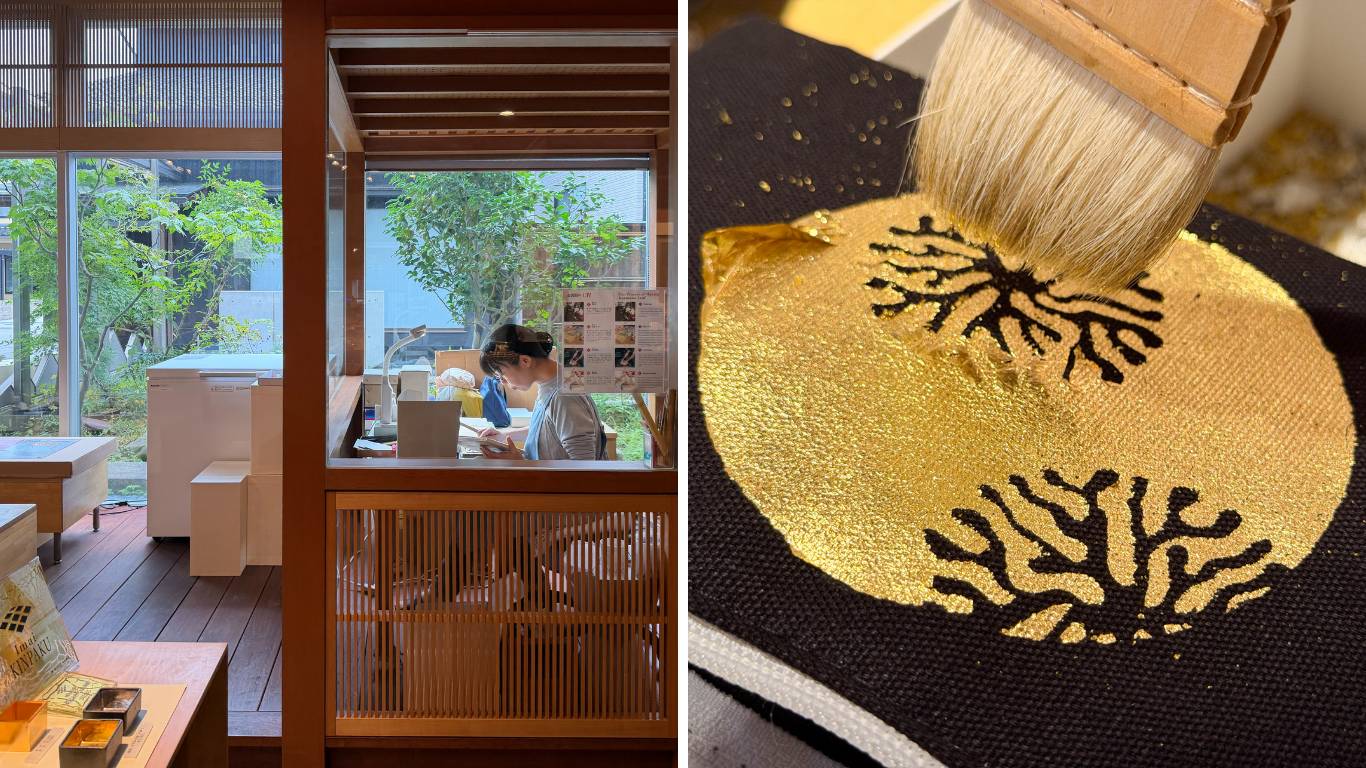
The first place we visited to experience Kanazawa’s culture was Imai Kinpaku.
In the workshop, we watched artisans handle gold leaf—an extreme thinness of just 0.0001 millimeters—sheet by sheet, carefully controlling their breathing as they worked.
Even a strong breath or the slightest disturbance of the hands can cause the delicate leaf to tear, demanding an exceptional level of concentration.
Visit the Website.
Kanazawa Shrine
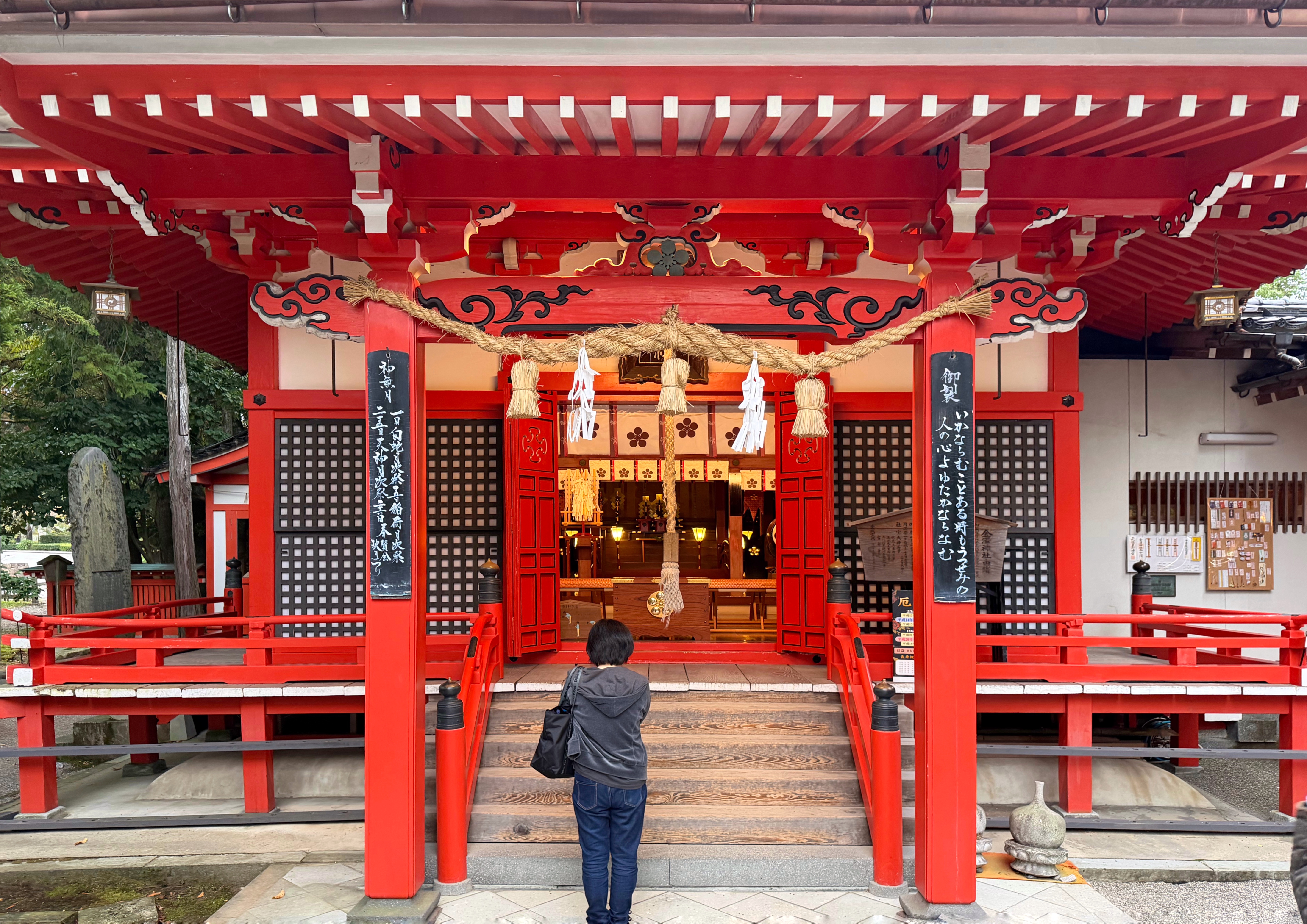
An important shrine over 200 years old, built by the feudal lord Maeda Harunaga mainly to bring in Tenjin, the god of learning and intelligence, to be the protecting deity of the Kaga Domain. Because of this, the shrine is extremely popular with students and people who want to wish for success in exams. Inside, the shrine keeps its peaceful charm and continues to attract visitors who come to ask for blessings. This shrine is located close to a sacred spring that visitors believe brings good luck, combining beliefs in education and good fortune.
Visit the Website.
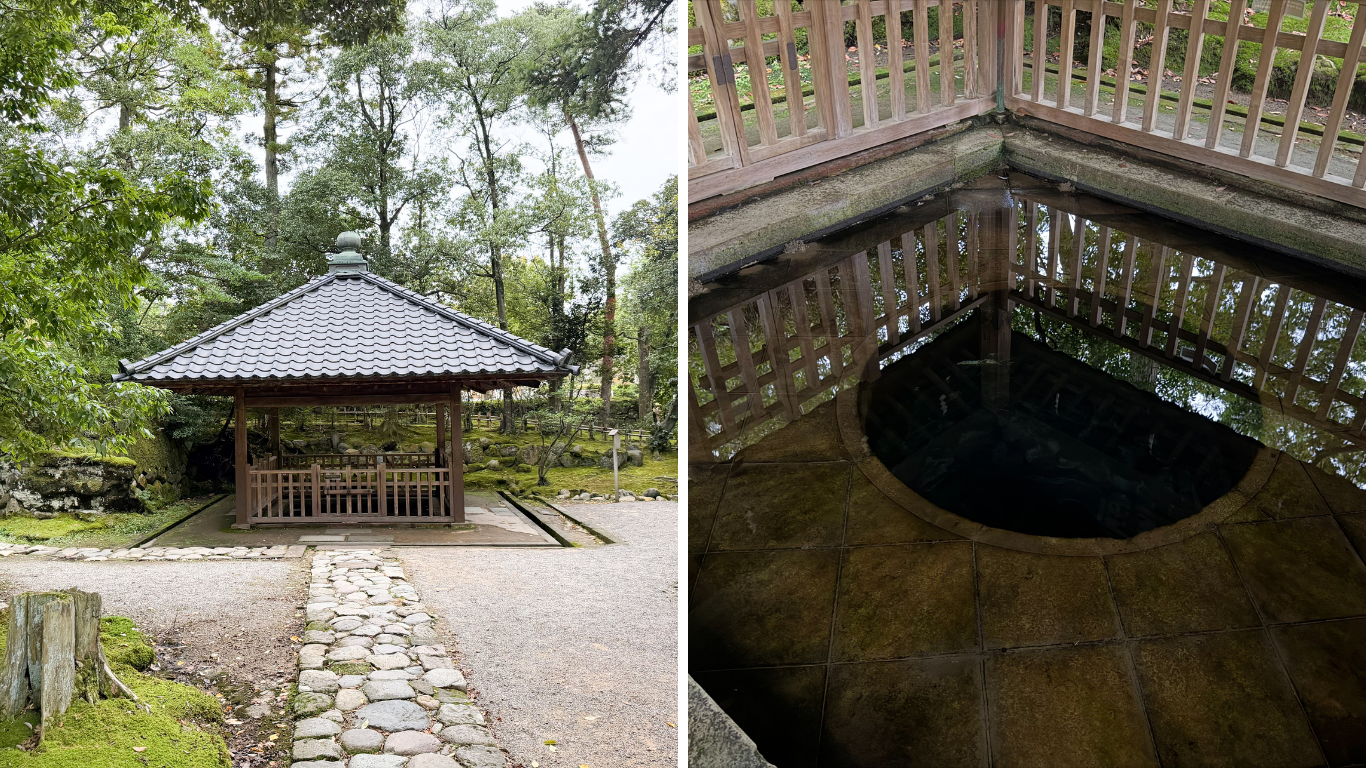
Kinjo Reitaku
A famous old well that gives its name to the city of Kanazawa, meaning Gold Marsh. Legend says a farmer found gold while washing sweet potatoes in the well to make medicine for his sick mother. This small well is in a quiet spot in Kenrokuen Garden. Even though you can't see gold today, this sacred well remains the most important sign that tells the story of how the city began.
Visit the Website.
Ishiura Shrine
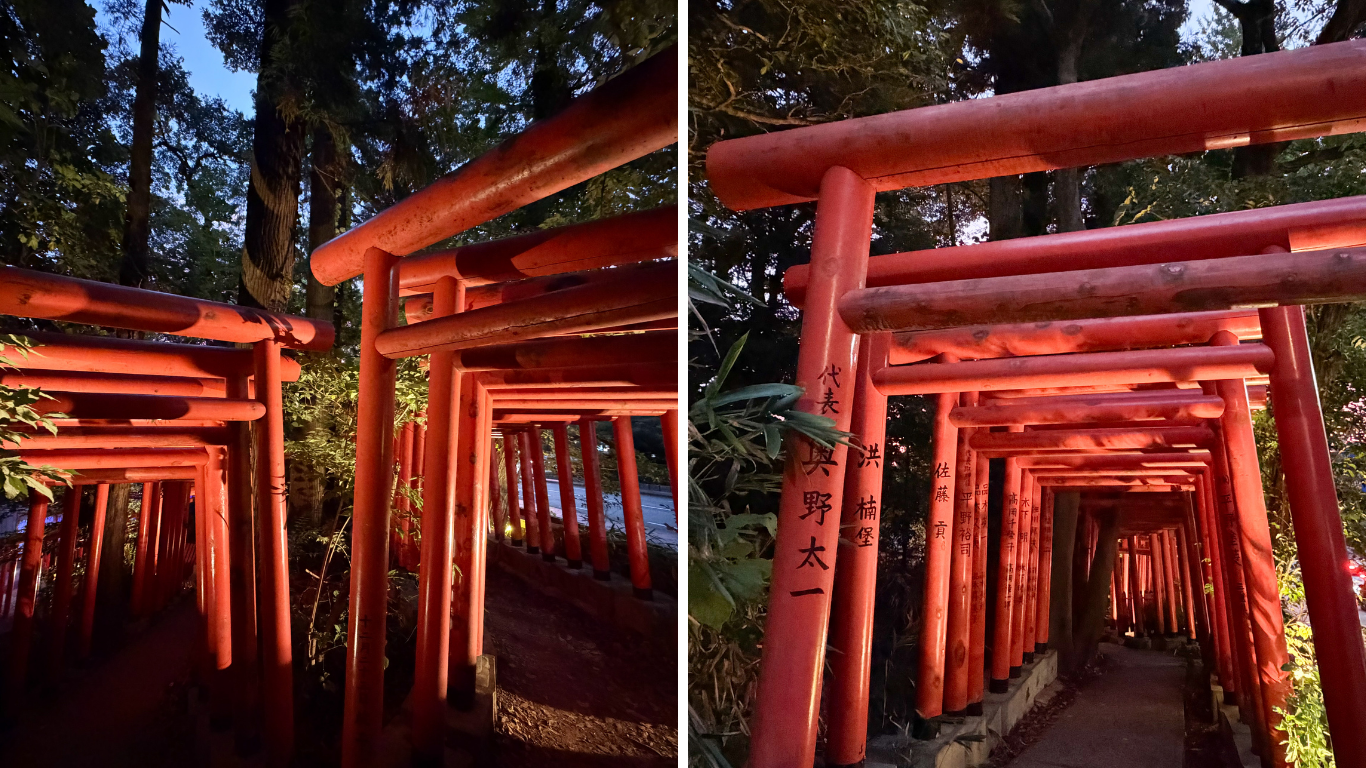
The oldest shrine in Kanazawa, lasting over 1,500 years, it has been a spiritual landmark since before the Samurai ruled. The feature that catches the eye of visitors is the path lined with hundreds of red Torii gates that stretch like a sacred tunnel. This shrine is particularly well-known for wishes about love and finding a partner. Also, the shrine has a cute dog mascot named Kimachan, which is shown on charms and souvenirs, making this old shrine a lively spot that connects old customs with modern times.
Visit the Website.
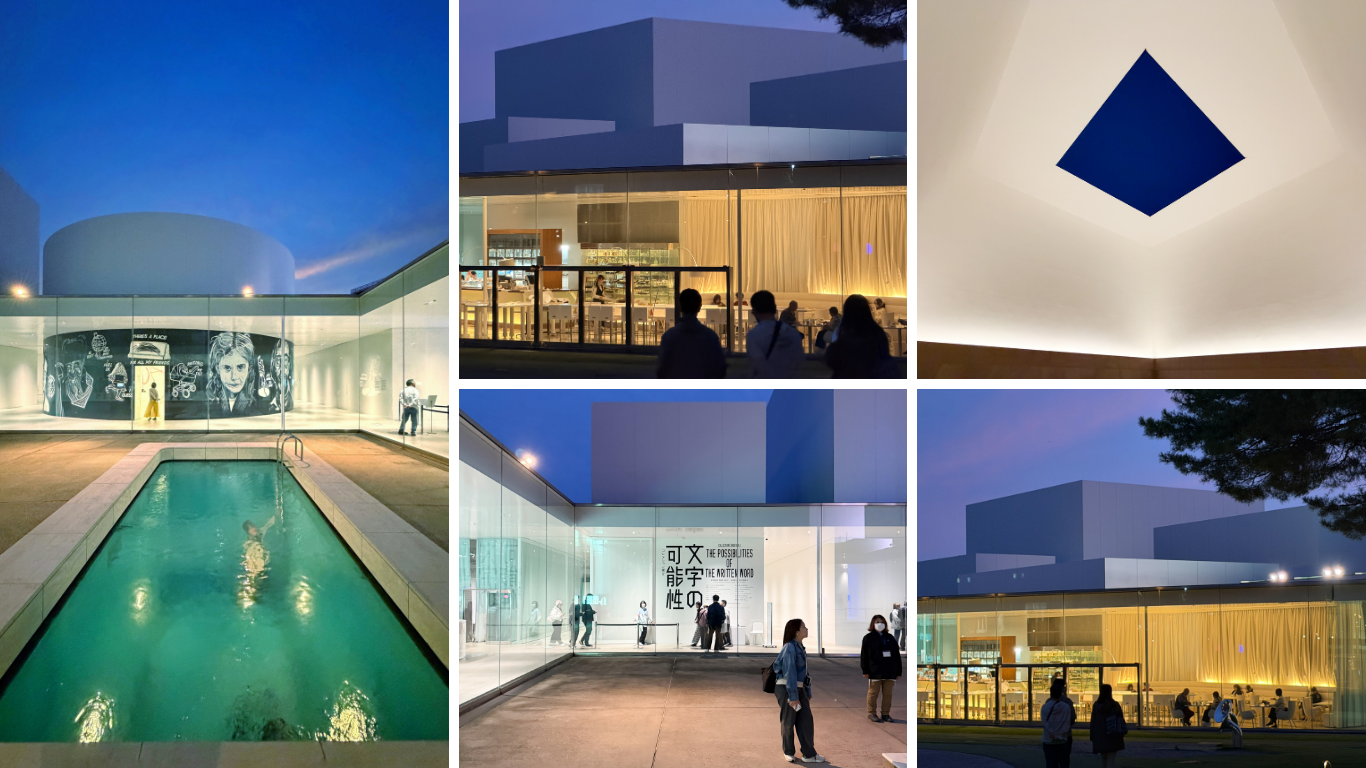
Kanazawa 21st Century Museum of Contemporary Art
A round, clear building that changed the museum world, designed by the architects SANAA to act as a museum like a public park that people can use and enter from any side at any time.
Entry here is free, but you pay to see some smaller shows. This idea completely removed the barrier between art and people. The main draw for tourists from around the world is the standout works, like The Swimming Pool by Leandro Erlich, which creates a visual trick of a pool where people can actually stand under the water's surface. This museum is not just a place to show art, but a social center that encourages learning, relaxing, and joining in with modern art without limits.
Visit the Website.
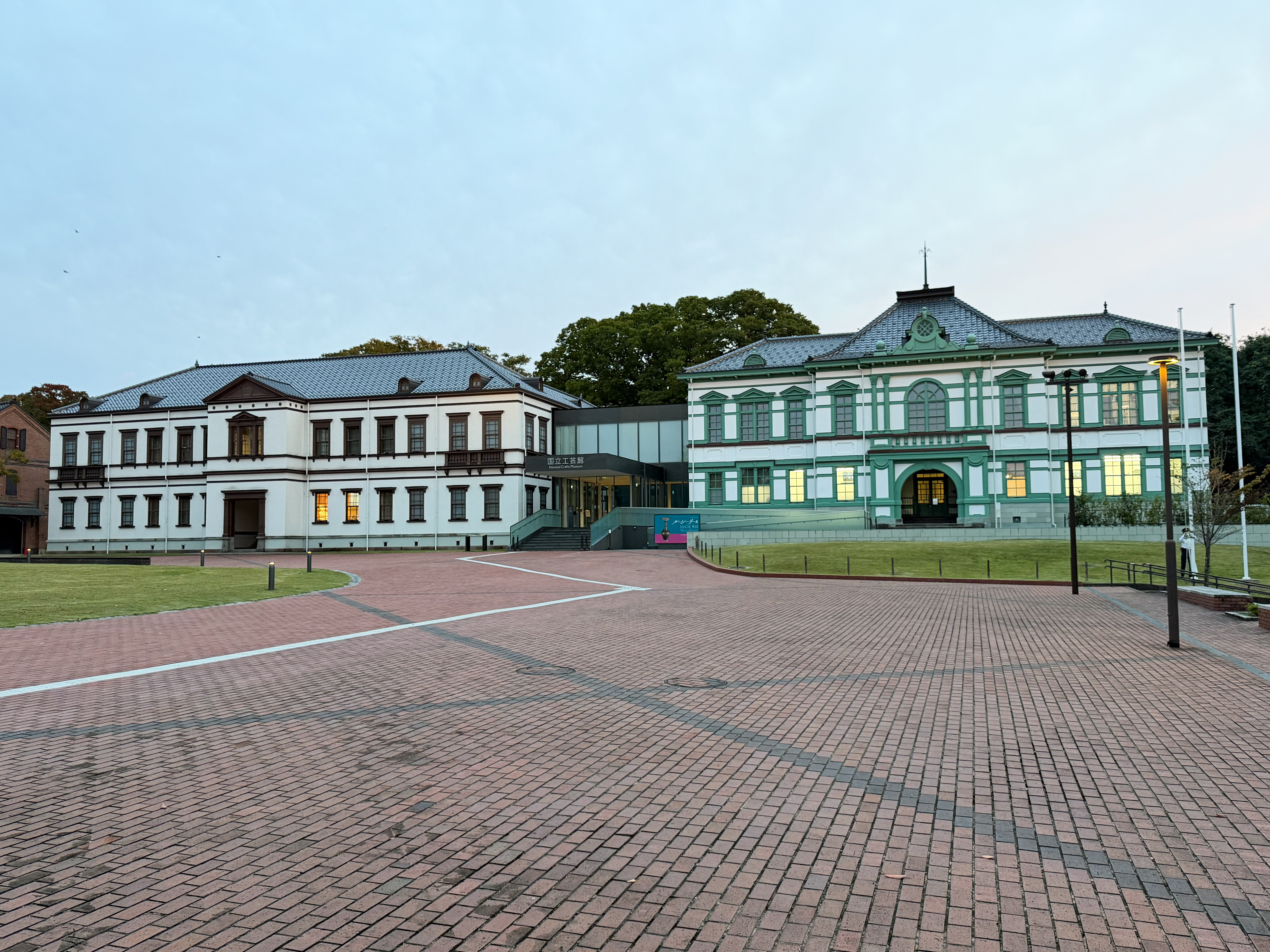
National Crafts Museum
This museum is the first national museum to move from Tokyo to Kanazawa, clearly showing that this city is a genuine hub for crafts. The exhibition halls were newly built by moving and repairing two old buildings that used to be military structures during the Meiji and Taisho periods. Inside, the museum holds a collection of over 4,000 pieces of Japanese craftwork, from modern to present-day, including ceramics, lacquerware, metal, and fabric, showing the work of many skilled makers.
Visit the Website.
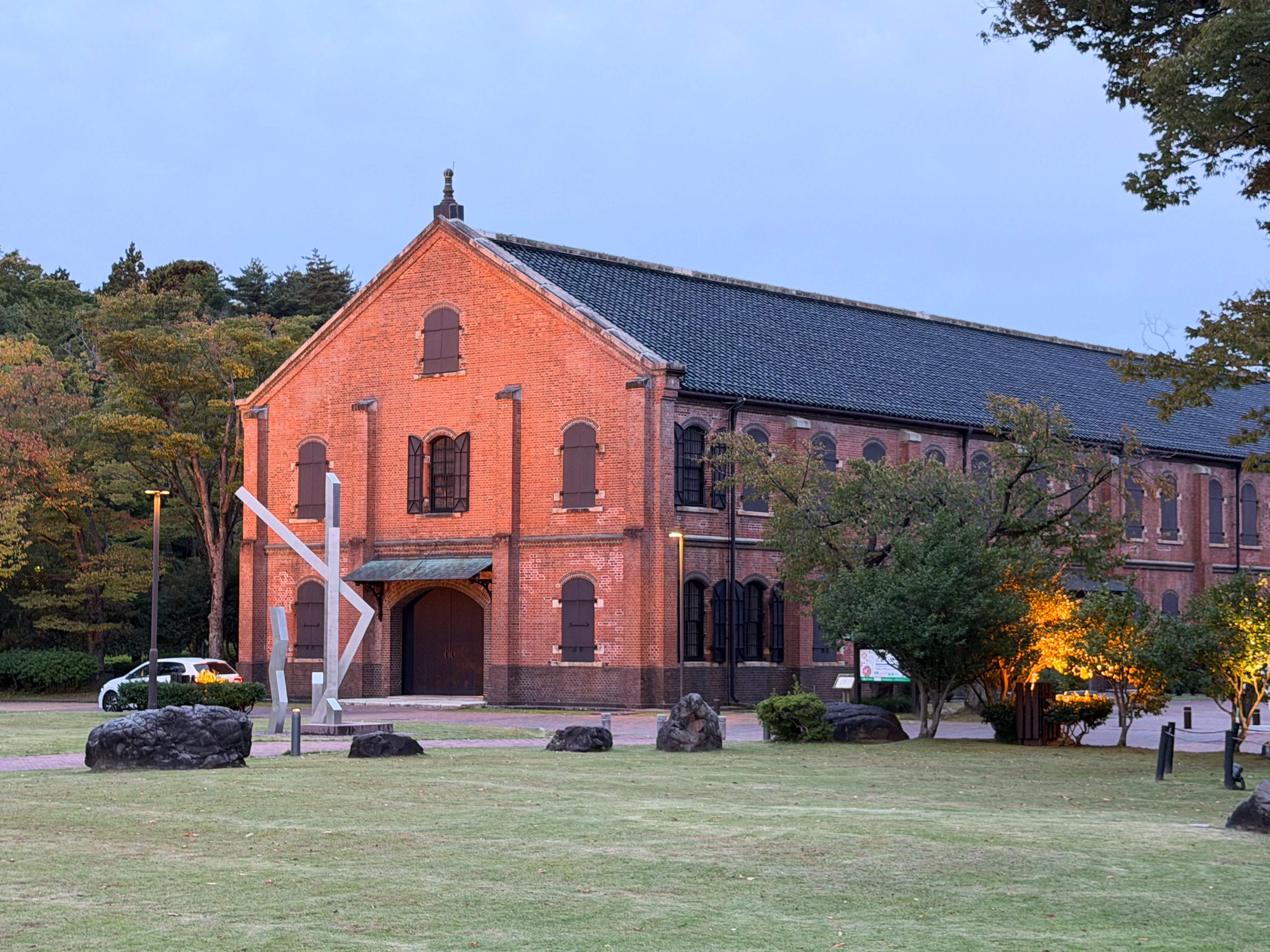
Ishikawa Prefectural Museum of History
This museum is located in three red brick buildings that were originally the Kanazawa Army's weapon storage in the early 20th century and have been recognized as a National Important Cultural Property.The displays inside tell the story of Ishikawa Prefecture, from early history up to the rich Samurai culture, detailing art, crafts, and the traditional way of life. A visit here is a mix of admiring the Western-style military buildings and learning about local Japanese history.
Visit the Website.
Fukumitsuya Sake Brewery
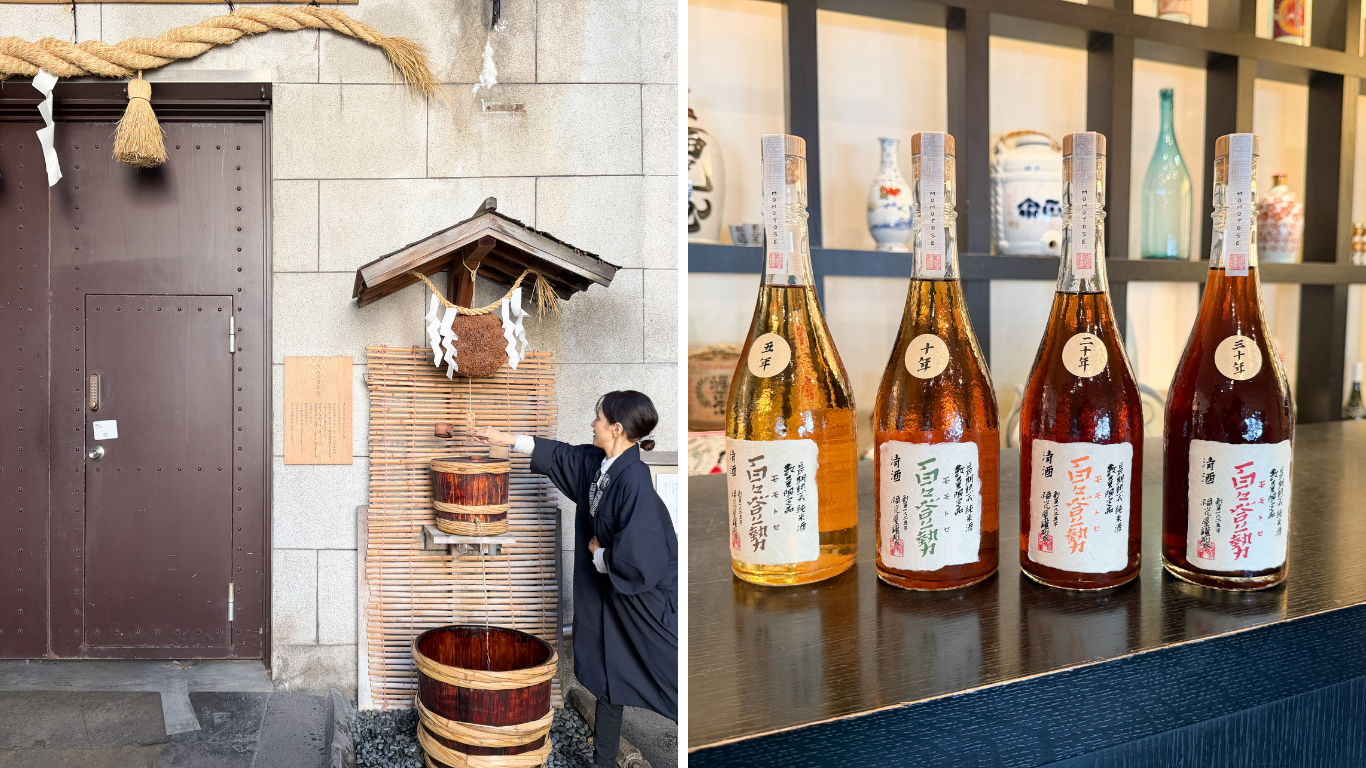
This sake brewery, founded way back in 1625, holds fast to its idea of Junmai-Kura, or only making Junmai sake. Junmai sake means sake made with only sake rice and water, and Fukumitsuya uses Hyakunen-sui, a sacred water naturally filtered for hundreds of years. They were the first to age sake in Japan, creating the aging methods of Nojuku (aging at room temperature) and Tanjuku (aging at a low temperature). In the past, sake was not often aged like wine, but this brewery was a pioneer of this practice.
Visit the Website.
TILE
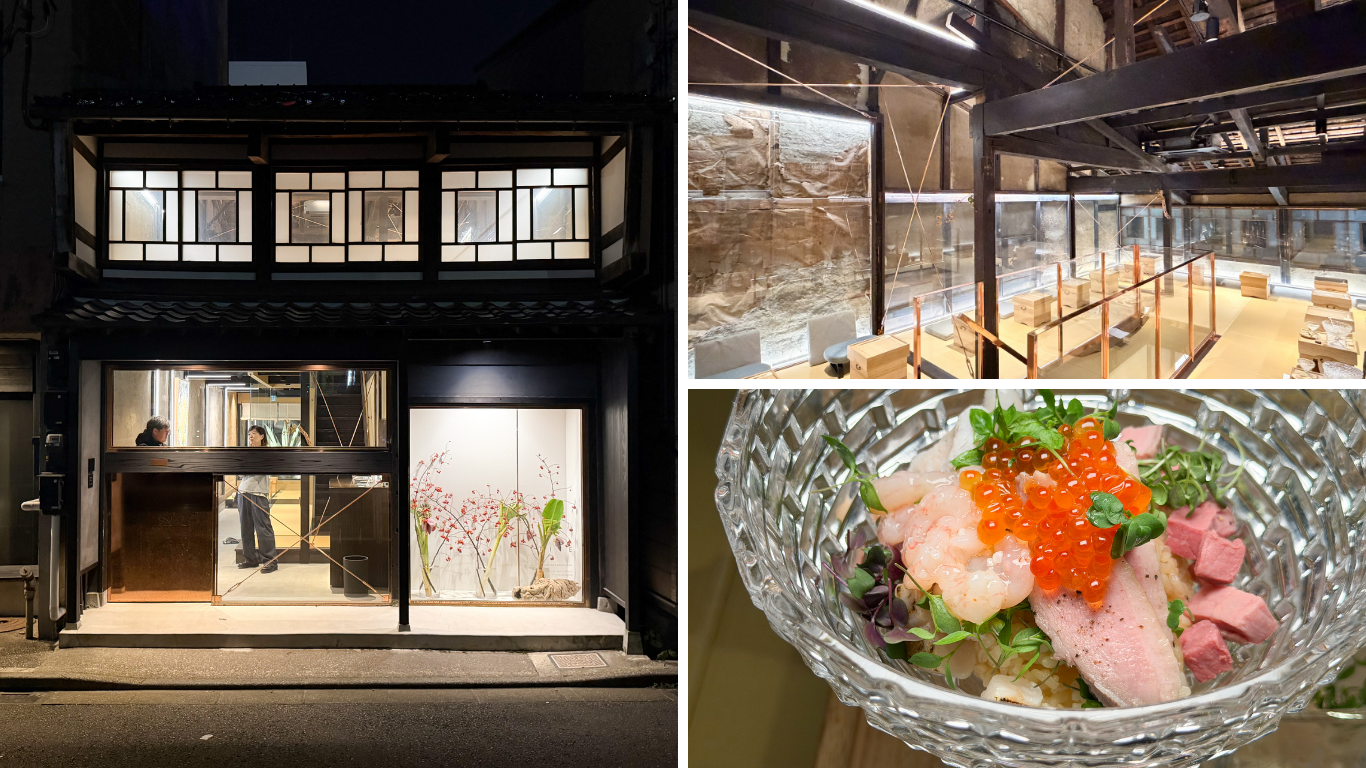
A Kaisendon (seafood bowl on rice) restaurant that provides a special meal experience in a 110-year-old renovated house near Kanazawa Station. The restaurant is special because you need a password to enter, creating an exciting feeling like going into a secret place. The main dish is the Kanazawa Yakumi Kaisendon, where customers can pick and place over 30 types of fresh seafood into a glass bowl designed to look like a jewelry box.
Visit the Website.
Fukui
Fukui Prefecture is a land of deep meditation and heritage. Its primary quality is a profound spiritual peace, as it houses major temples that serve as the heart of regional faith, giving the area a particularly serene and solemn atmosphere. Additionally, Fukui is a source of pure headwater from the Hakusan mountains, which is vital for brewing sake that focuses on purity and a gentle taste. It is also famous for traditional crafts like Echizen pottery and Echizen knives, renowned for their exceptional sharpness.
Visit the Website.
Urban Design Center Sakai and Mikunichō Old Town
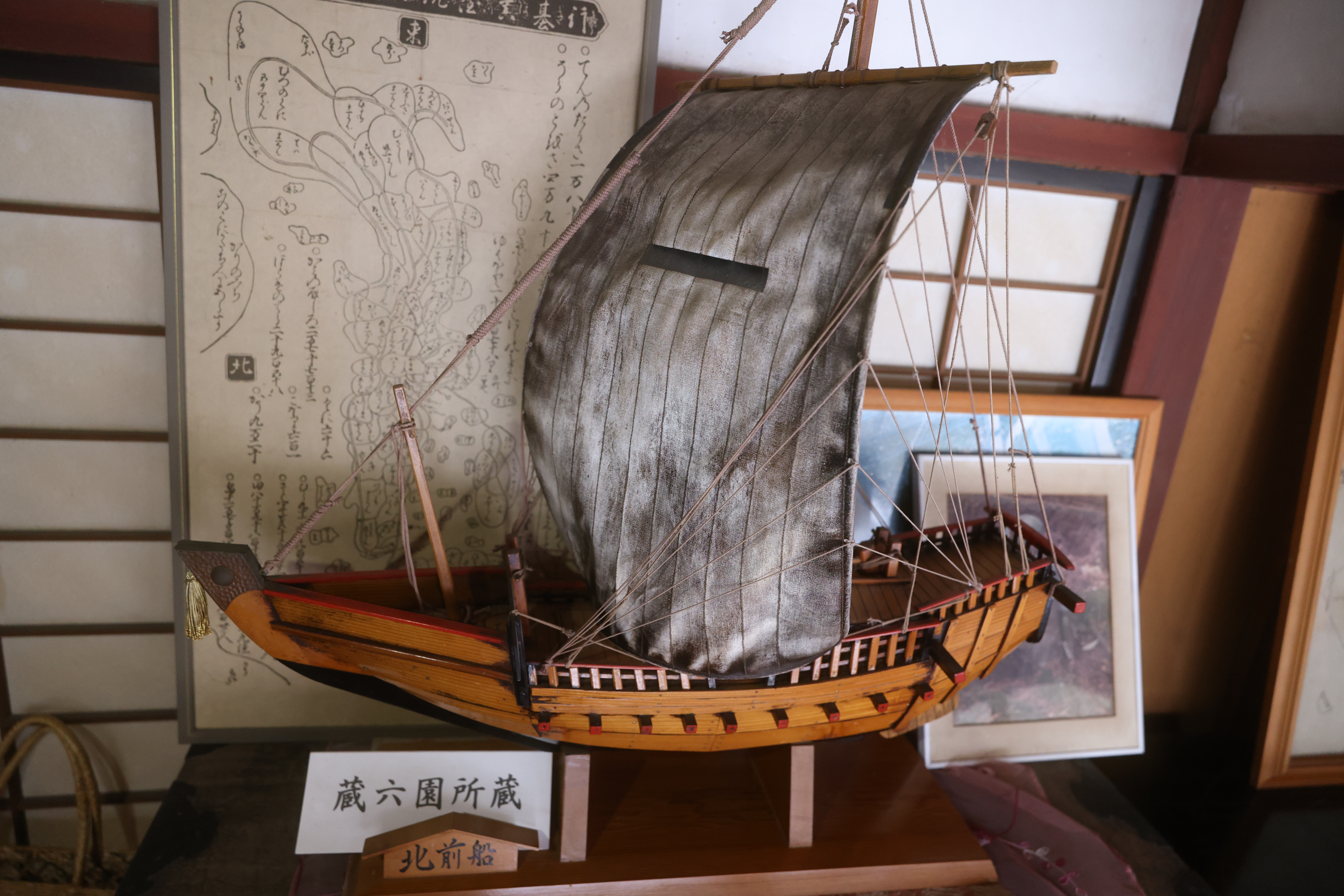
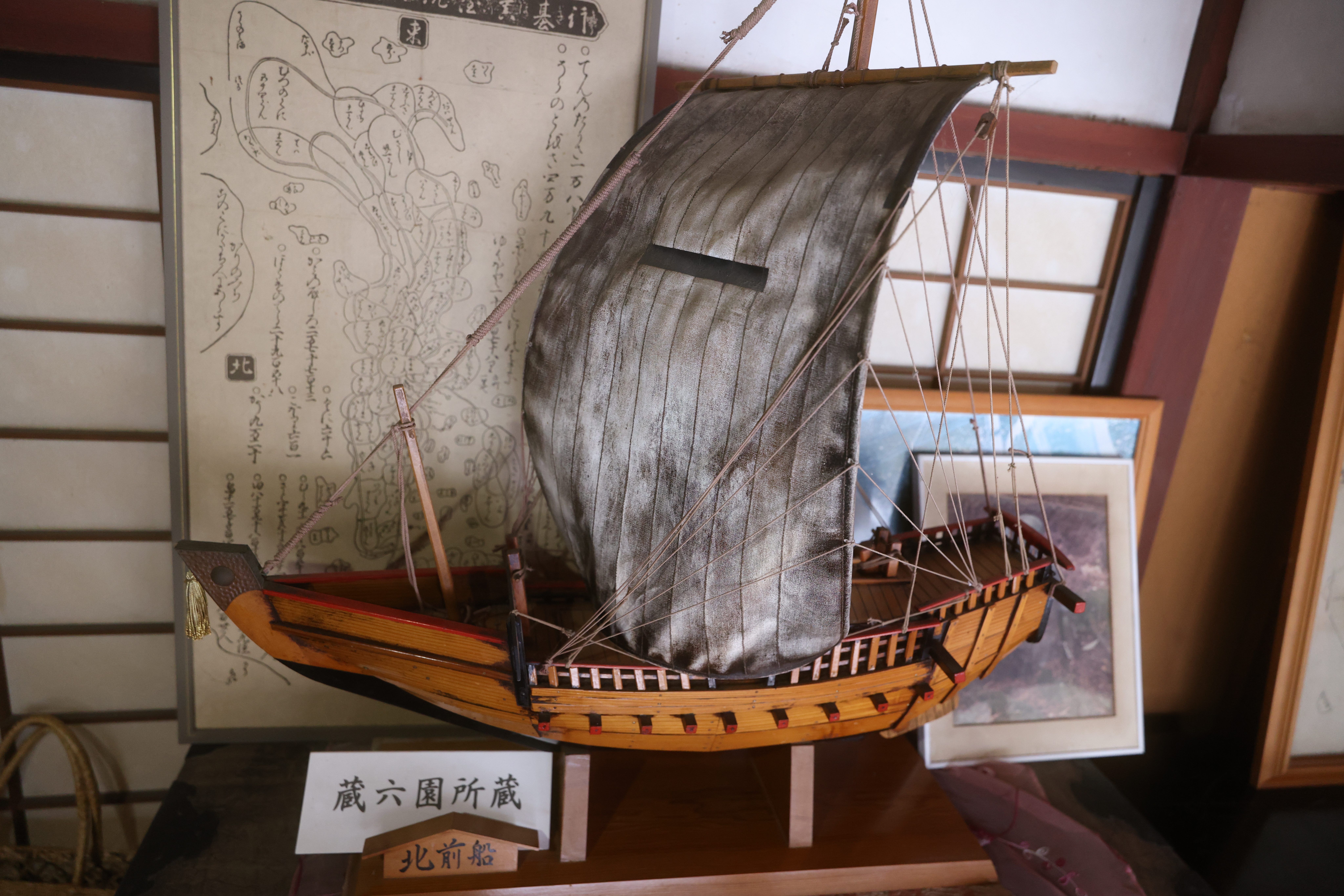

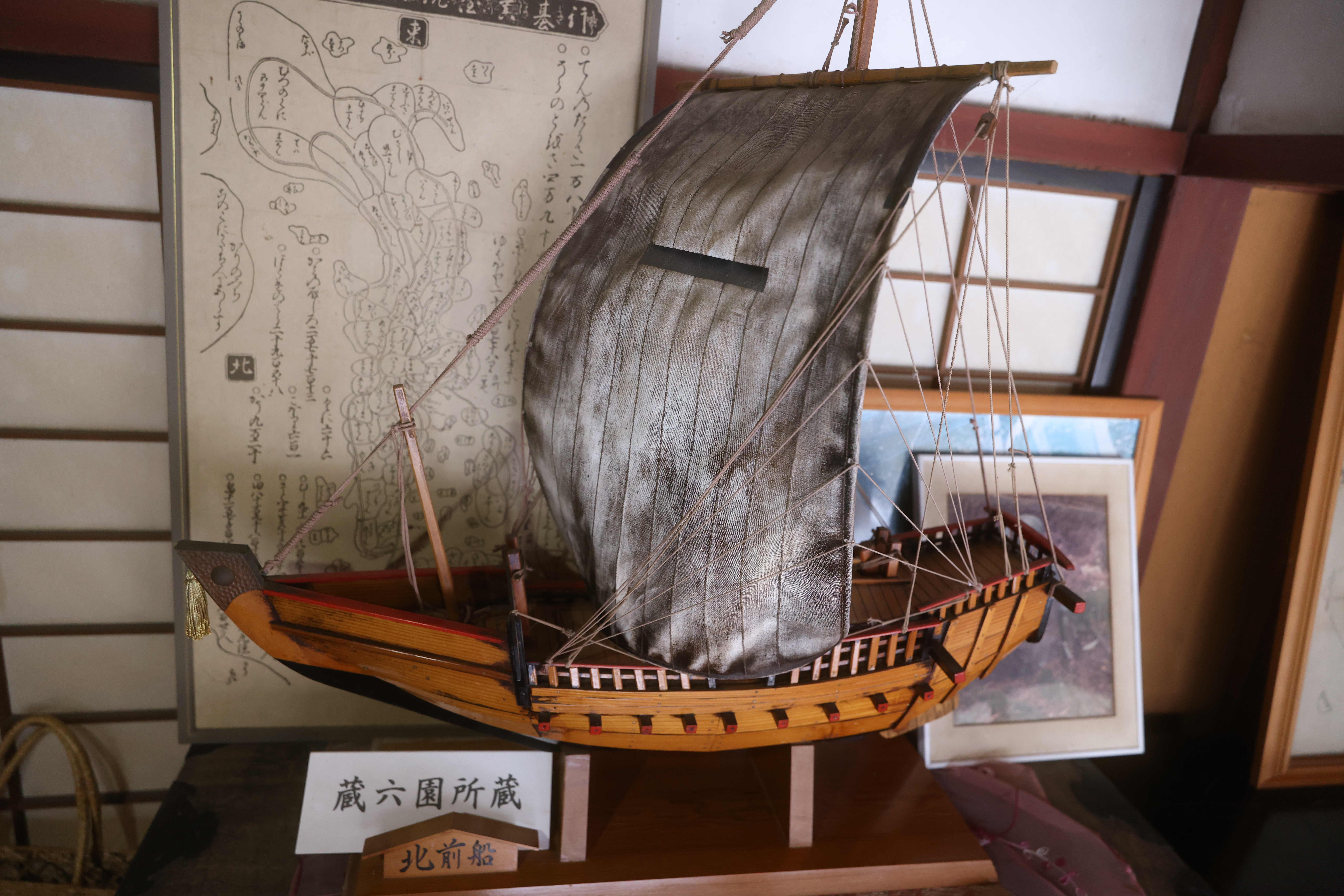
Mikunichō Old Town in Fukui Prefecture is a gem from the past that was once a key port for the Kitamaebune trade, leaving the town full of signs of wealth through its old buildings, especially the unique local "Kaguradate" style houses.
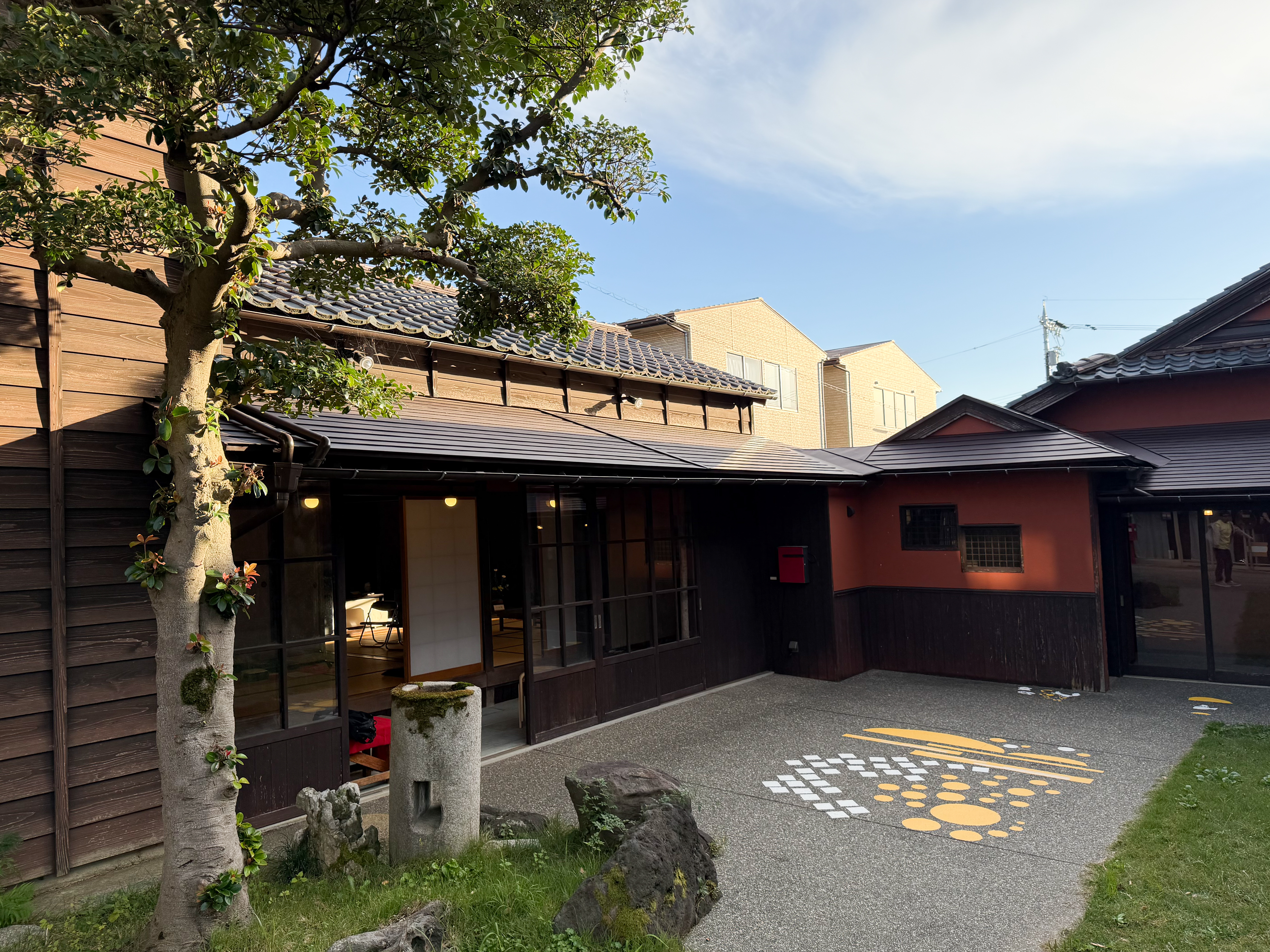 This town is currently dealing with the problem of more empty houses. Those empty houses are being turned into spaces for public use by the Urban Design Center Sakai, or .UDCS.
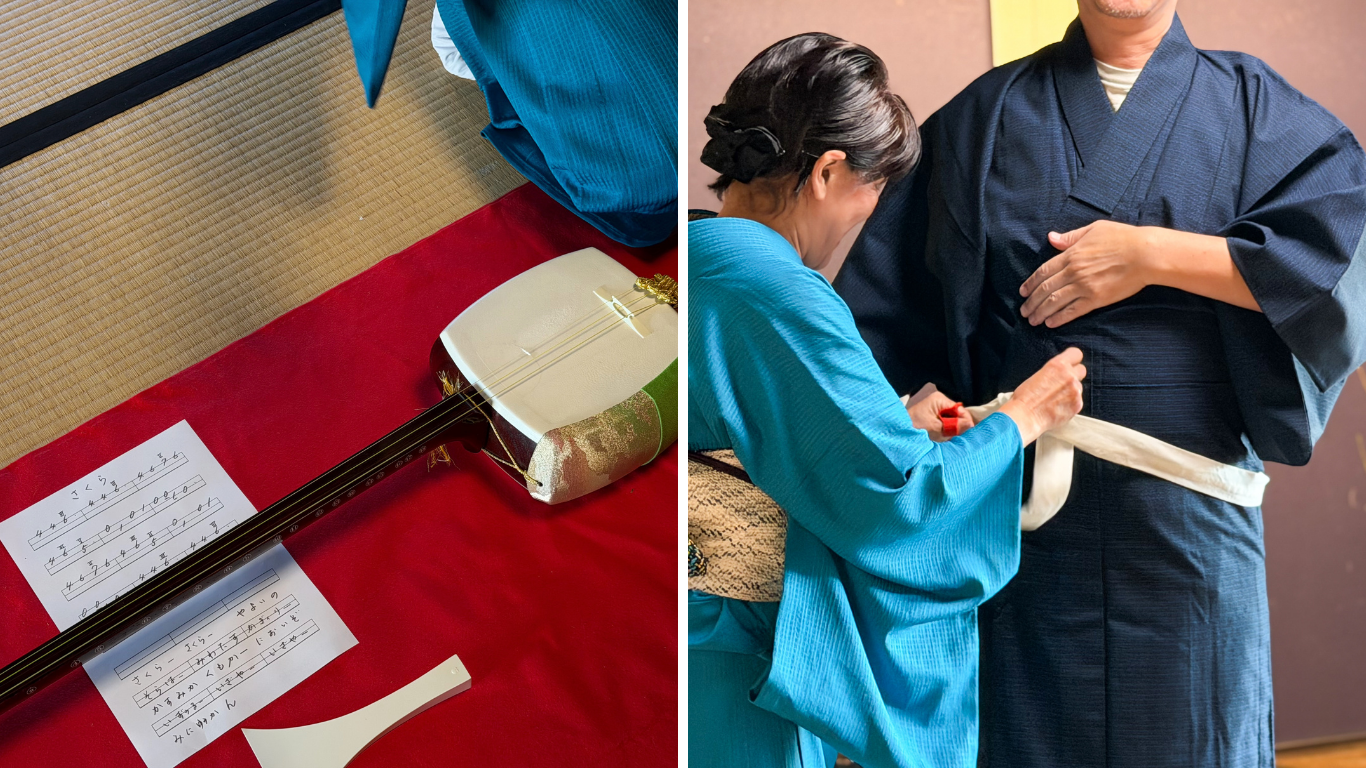
Its goal is to keep the spirit of the port town that welcomes new ideas without forgetting the old ones. We had a class on playing the shamisen, a Japanese stringed instrument with only three strings, which is not hard but not as easy as you'd think. We sat and learned in an old house that is a space where anyone can ask to hold an event at a very low price. If you come to Mikunichō in May, you might see the huge and historic annual Mikuni Festival. The main event is the Yamaboko parade, decorated with giant warrior puppets over six meters tall, which moves through the narrow streets of the old town, a thrilling display of community pride and energy that has been passed down for years.
Visit the Website.
Kubota Shuzō
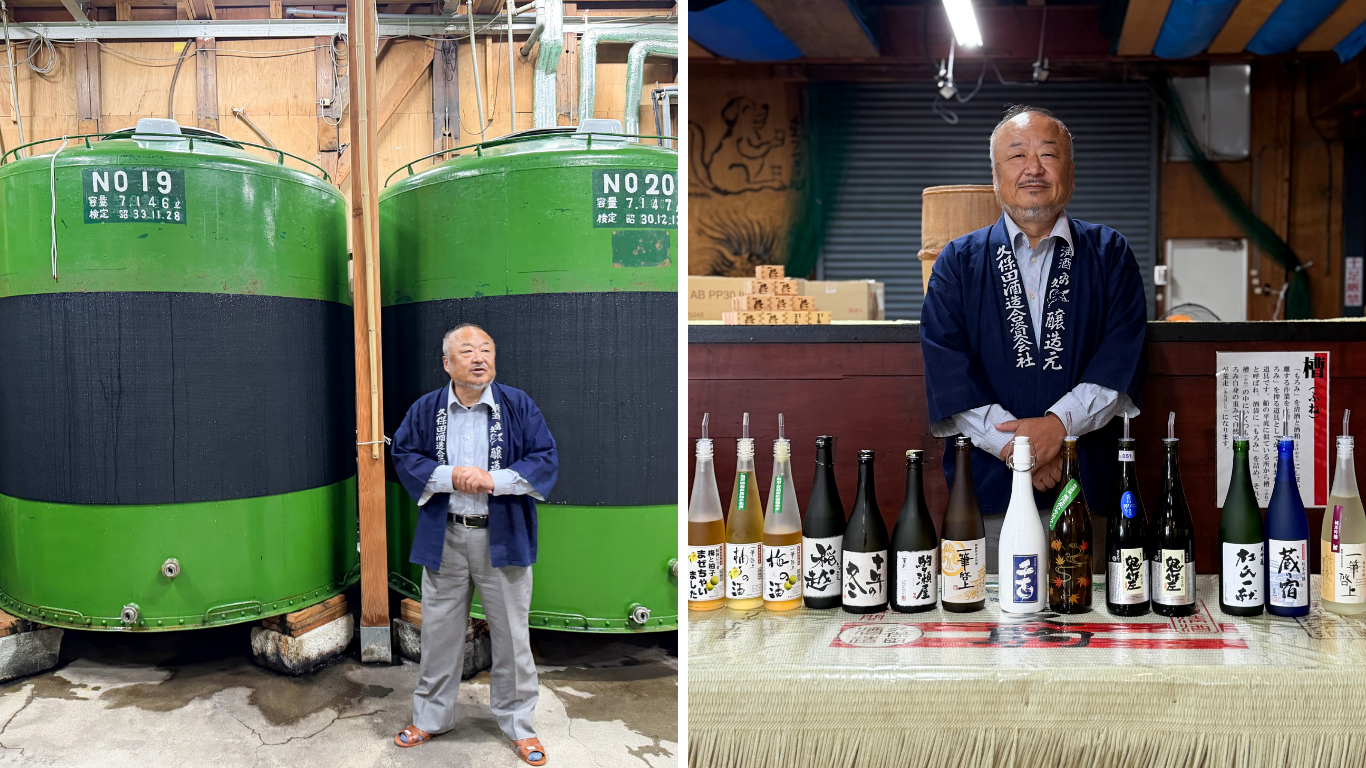
The Kubota Shuzō Maruoka Sake Brewery is over 270 years old, established in Maruoka Town, Fukui Prefecture, following an order from the feudal lord to bring back a lost legendary sake from the Muromachi period. This story makes the brewery not just a producer, but a keeper of cultural heritage. Its sake is made using pure underground water that comes up in the area, as well as sake rice grown by the brewery itself, based on the idea that making alcohol with what is grown locally is the true local sake.
Visit the Website.
Echizen Daibutsu
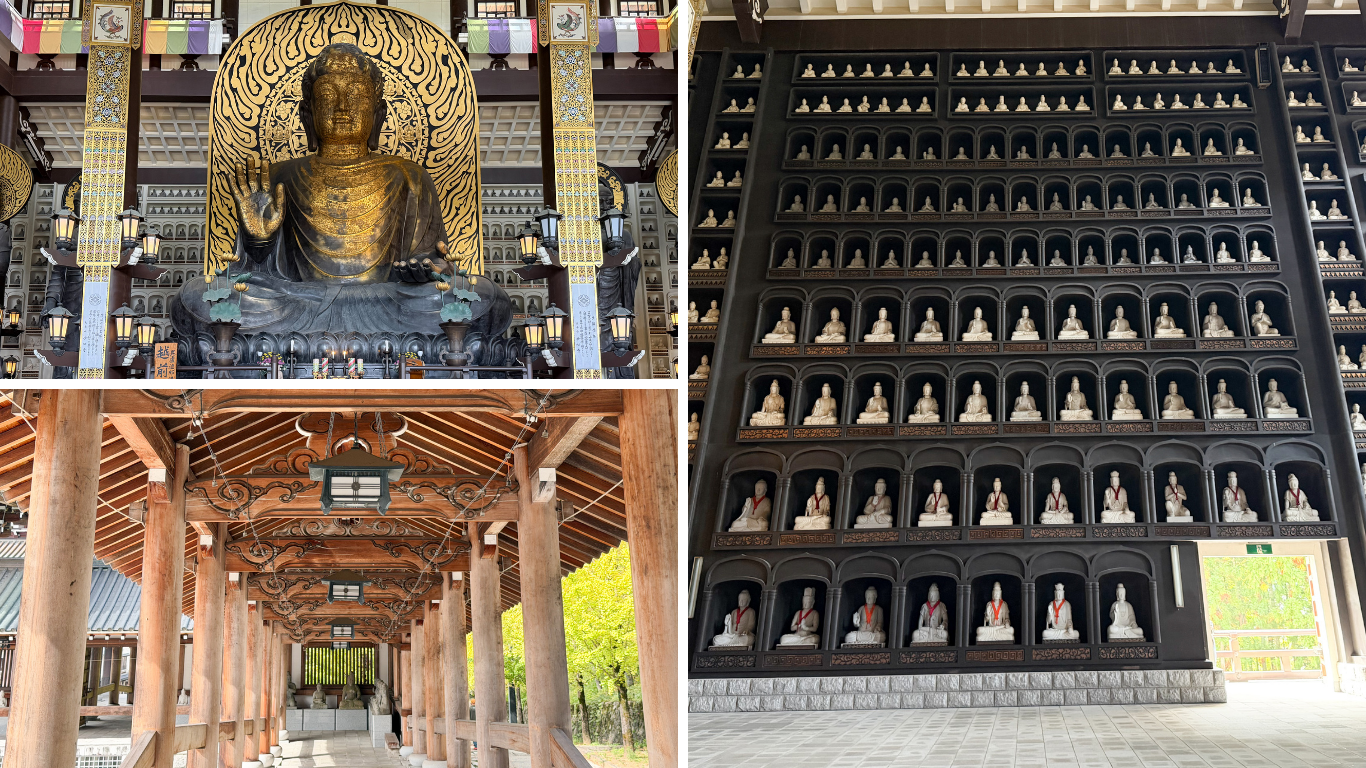
The Great Buddha of Echizen, or Echizen Daibutsu, at Daishizan Seidaiji Temple, is considered one of the hidden impressive sights in Fukui Prefecture. Although built fairly recently, the huge size of the main Buddha statue inside the great hall is truly amazing. The statue is 17 meters high, and this height makes the Echizen Great Buddha one of the largest Buddha statues placed inside a building in Japan, even bigger than the Great Buddhas at Nara and Kamakura. When you visit, you will feel a sense of peace inside the hall, which also holds a total of over 1,281 medium and small Buddha statues. In autumn, the temple is also known for its beautiful autumn leaves. If you climb the pagoda next to the hall, you can see a full 360-degree view of the city. It is another place that should be on your Fukui travel plan.
Visit the Website.
Amago no Yado
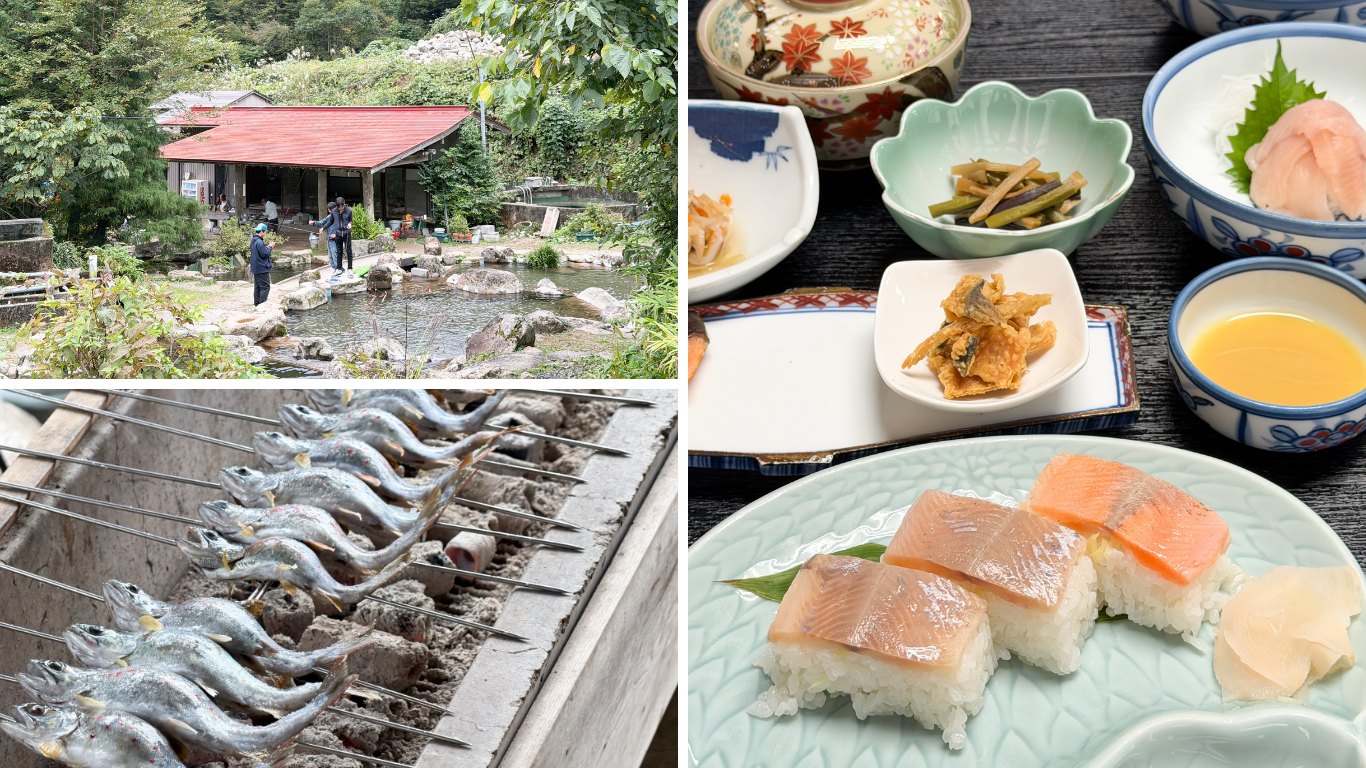
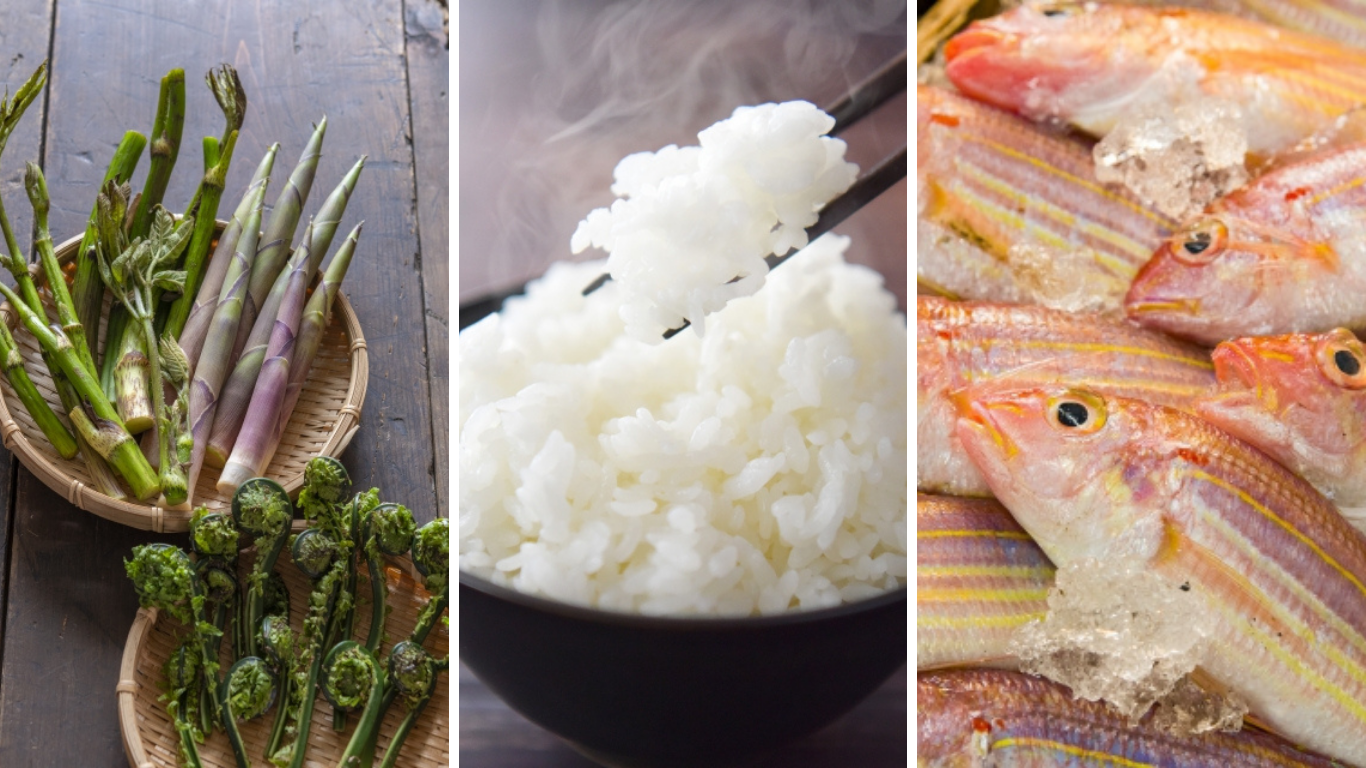
Amago no Yado in Katsuyama Town, Fukui Prefecture, is a Ryokan-style guesthouse hidden in the untouched nature at the base of Ho-onjiyama mountain. But what we really suggest you try here is the Amago fish, a stream fish related to Trout and Salmon. This place has its own Amago fish pond, so you can be sure that every fish served is very fresh—literally from the pond to your plate. Visitors can taste the sweet and firm flesh of Amago fish in different ways, including rare sashimi, grilled with salt, or tempura. Additionally, there is an activity where you can catch the Amago fish, and once you've caught one, you can have the restaurant immediately grill it with salt for you to eat.
Visit the Website.
Symphony Yoshida Sake Brewery
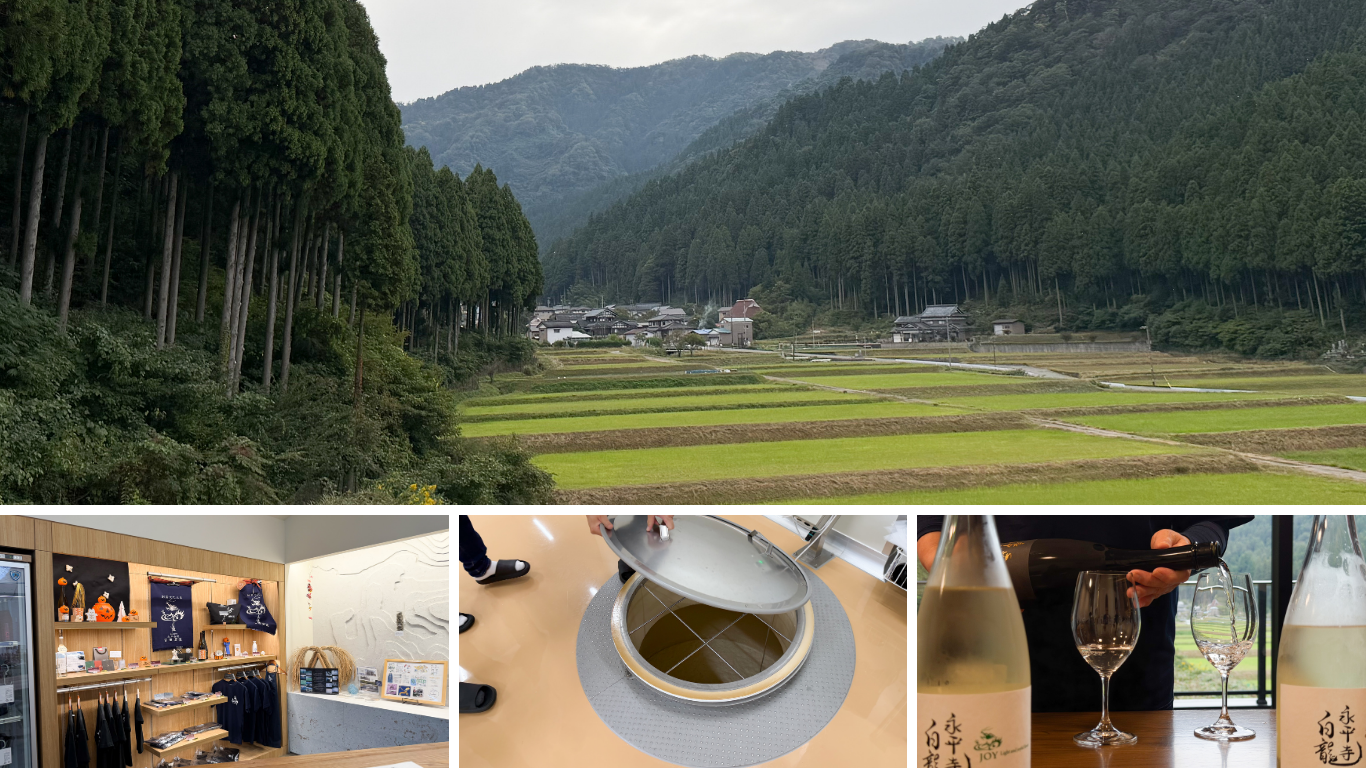
A sake brewery with a history of over two centuries in Eiheiji Town, Fukui Prefecture. This brewery follows the idea of Eiheiji Terroir, which means making sake that truly shows the character of the local land and weather. This idea is strictly followed, with a commitment to making only Junmai sake (sake using only rice and water, no added alcohol) and using 100% of the rice grown only in Eiheiji Town, along with water from the melting snow of the Hakusan mountains. A visit to this brewery is not just seeing a place, but an experience with craftsmanship that tastes exactly like the region.
Visit the Website.
L’aisance
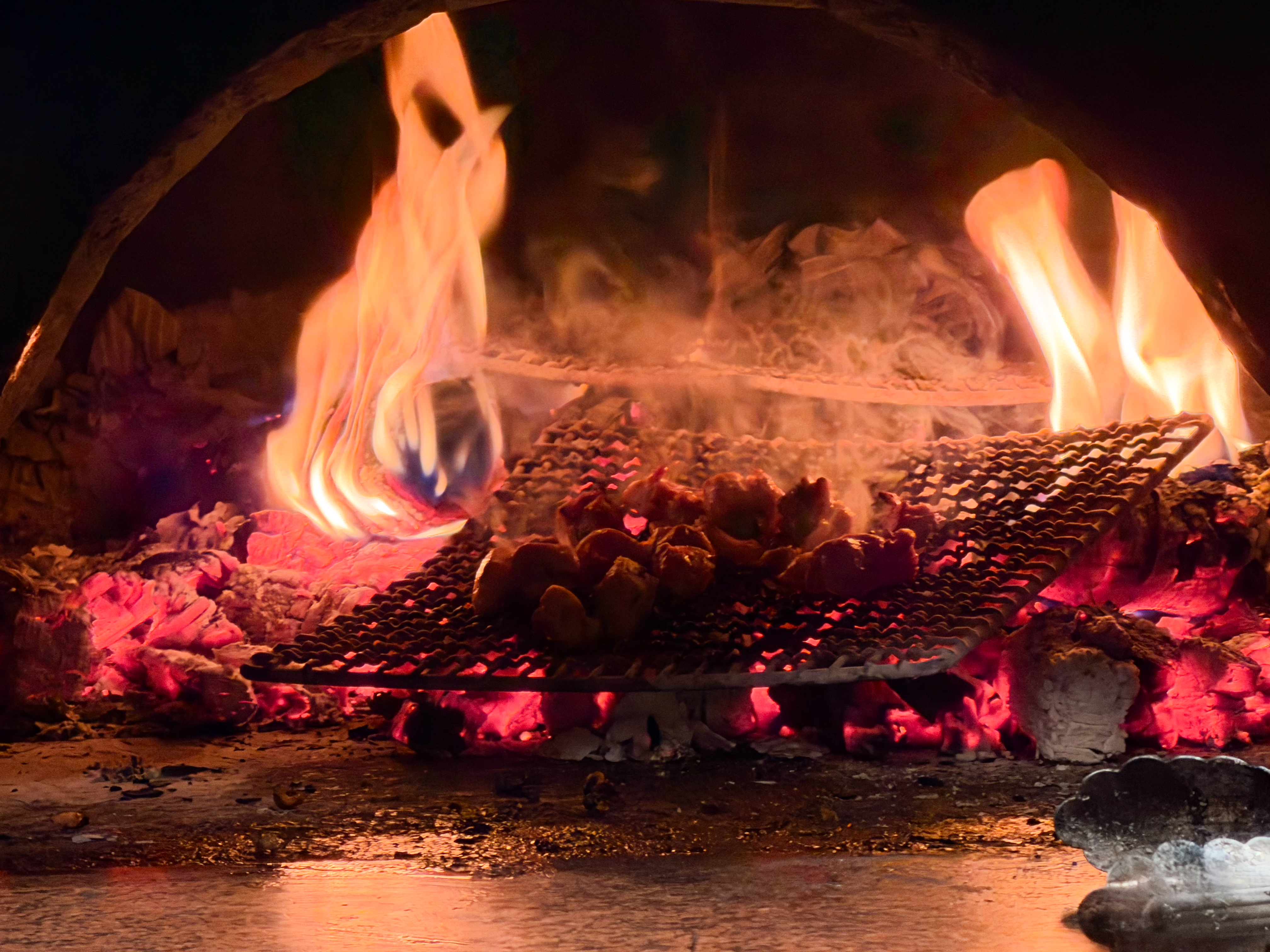
If you visit Fukui and want to experience the terroir of this region, we highly recommend L’aisance. This restaurant uses mostly local ingredients from Fukui, prepared with French techniques and a focus on open flames and wood-fired heat. You will experience the natural tastes of ingredients like eggs, vegetables, and meats from Fukui producers without over-seasoning that masks their true essence. L’aisance uses more than just local food; almost all the tableware, kitchen knives, and plates are crafted by Fukui’s own artisans. We strongly recommend a visit if you are in Fukui.
Visit the Website.
ーAbout the Authorー
MII is a Thailand-based creator and lifestyle influencer with around 100,000 followers on Instagram (@jiranarong2). He is also a writer for the lifestyle media platform The Cloud, where he shares stories about Japan’s culture, regional cuisine, and natural landscapes. Through his travels across Japan, he introduces lesser-known destinations and local traditions, offering readers a deeper perspective on the country’s regional life and culture.


.png)
.png)
.png)
.png)
.png)
.png)
.png)
.png)
.png)
.png)
.png)
.png)
.png)
.png)
.png)
.png)
.png)
.png)
.png)
.png)
