
Hokuriku: Japan’s Unseen Gastronomic Capital — Through the Colors of Autumn((Katsuta article)


Hokuriku: Japan’s Unseen Gastronomic Capital — Through the Colors of Autumn
The Hokuriku region—comprising Ishikawa, Toyama, and Fukui Prefectures along the Sea of Japan—is one of Japan’s richest gastronomic treasures. While Tokyo and Kyoto often dominate international attention, Hokuriku quietly stands apart for its pristine waters, refined culinary heritage, and deep craftsmanship that permeates daily life.
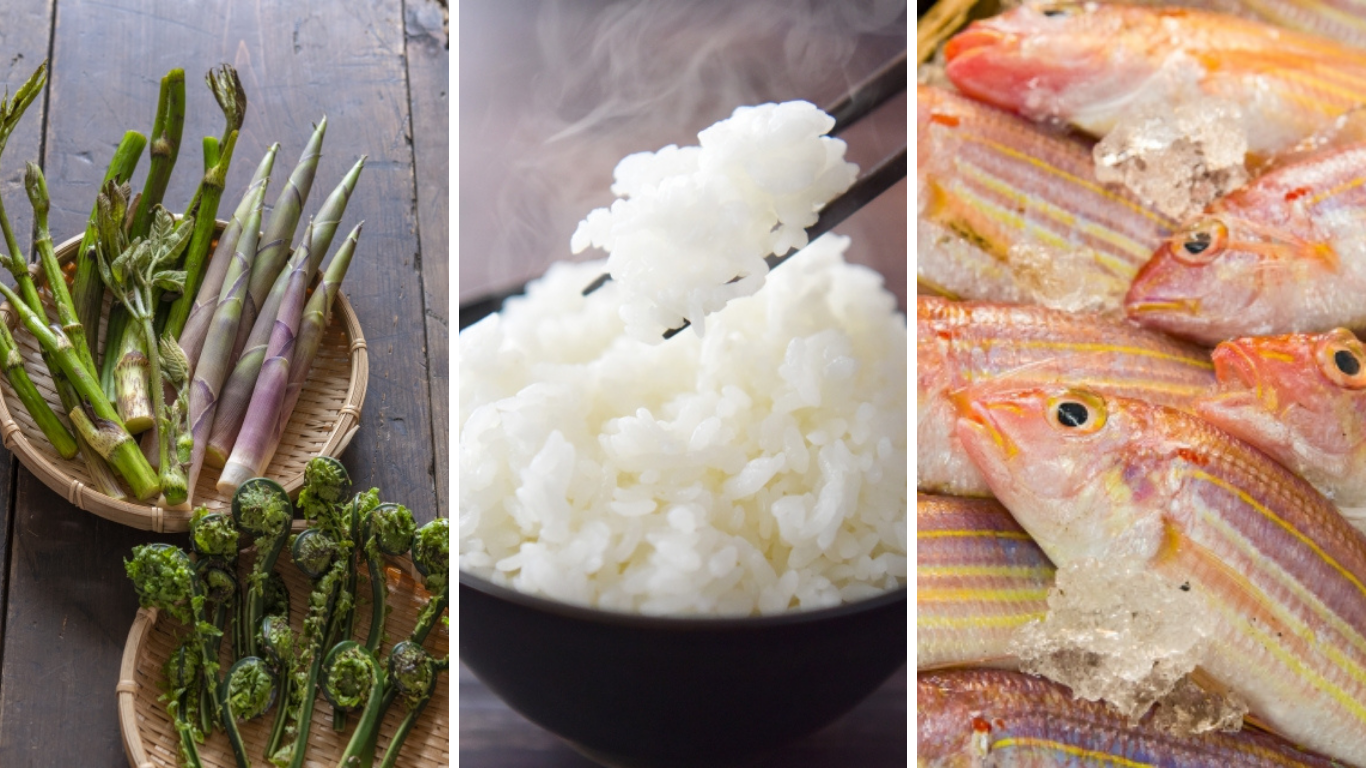
From late September through November, the sharp summer heat yields to crisp coastal winds. Mountain valleys ignite in red and gold, markets overflow with freshly harvested rice, fragrant mushrooms, chestnuts, persimmons, and fish that have grown sweet and firm through the warm months. Autumn is the perfect lens through which to understand Hokuriku—its food, atmosphere, and cultural rhythm.
The Sea of Japan in Autumn: Calm Waters, Deep Flavors
As autumn arrives, the Sea of Japan becomes calmer and clearer. Water temperatures drop gradually, bringing structure and sweetness to seasonal fish. Hokuriku’s chefs value autumn seafood not for opulence but for balance:
・ Saba (mackerel) with clean, concentrated flavor
・ Aji (horse mackerel) that grows sweeter as waters cool
・ Surume-ika (squid) tender and ideal for sashimi
・ Kamasu (barracuda) lightly charred, a favorite in ryotei kitchen
Autumn seafood embodies clarity—pure flavors that pair beautifully with the first rice of the year.
Rice, Water, and Autumn Aroma: Hokuriku’s Quiet Foundations
Autumn is the peak rice season. Hokuriku’s renowned koshihikari—originally developed in Fukui—is harvested in September and October. Freshly milled shinmai has a delicate sweetness and glossy texture.
Meanwhile, the region’s cool, dry air signals the start of fermentation and brewing. Sake, miso, and soy sauce makers begin their seasonal work using water filtered through mountain snowmelt—giving Hokuriku food and drink a characteristic purity.
Three Prefectures, Three Autumn Identities
ISHIKAWA PREFECTURE
Ishikawa is Hokuriku’s cultural center, shaped by the refined tastes of the old Kaga Domain. Here, cuisine and craftsmanship blend seamlessly.
Autumn Cuisine of Ishikawa includes pumpkin tempura, mushroom rice in lacquer bowls, Kaga vegetables such as lotus root and gorojima sweet potato.
The Noto Peninsula supplies superb autumn aji, saba, squid, and octopus.
Ishikawa is also well known for Craftsmanship, including Wajima-nuri lacquerware, Kutani porcelain, and Kanazawa gold leaf.
During our Autumn trip, we had the chance to enjoy the following places, to feel the Ishikawa Autumn atmosphere.
Kinjo Reitaku
A spiritual area of shrines, temples, and old pilgrimage paths.
In autumn, stone steps and forested hillsides glow red and gold, shaping Kanazawa’s artistic atmosphere.
It is located in Kenrokuen, which is considered as one of the most beautiful parks in Japan.
The area has long inspired painters, poets, and tea masters seeking spiritual calm. Seasonal changes create dramatically different expressions throughout the year, from fresh spring greens to winter snow. Quiet paths encourage slow exploration and contemplation away from urban bustle. A must visit place in Ishikawa for both Japanese and international tourists.
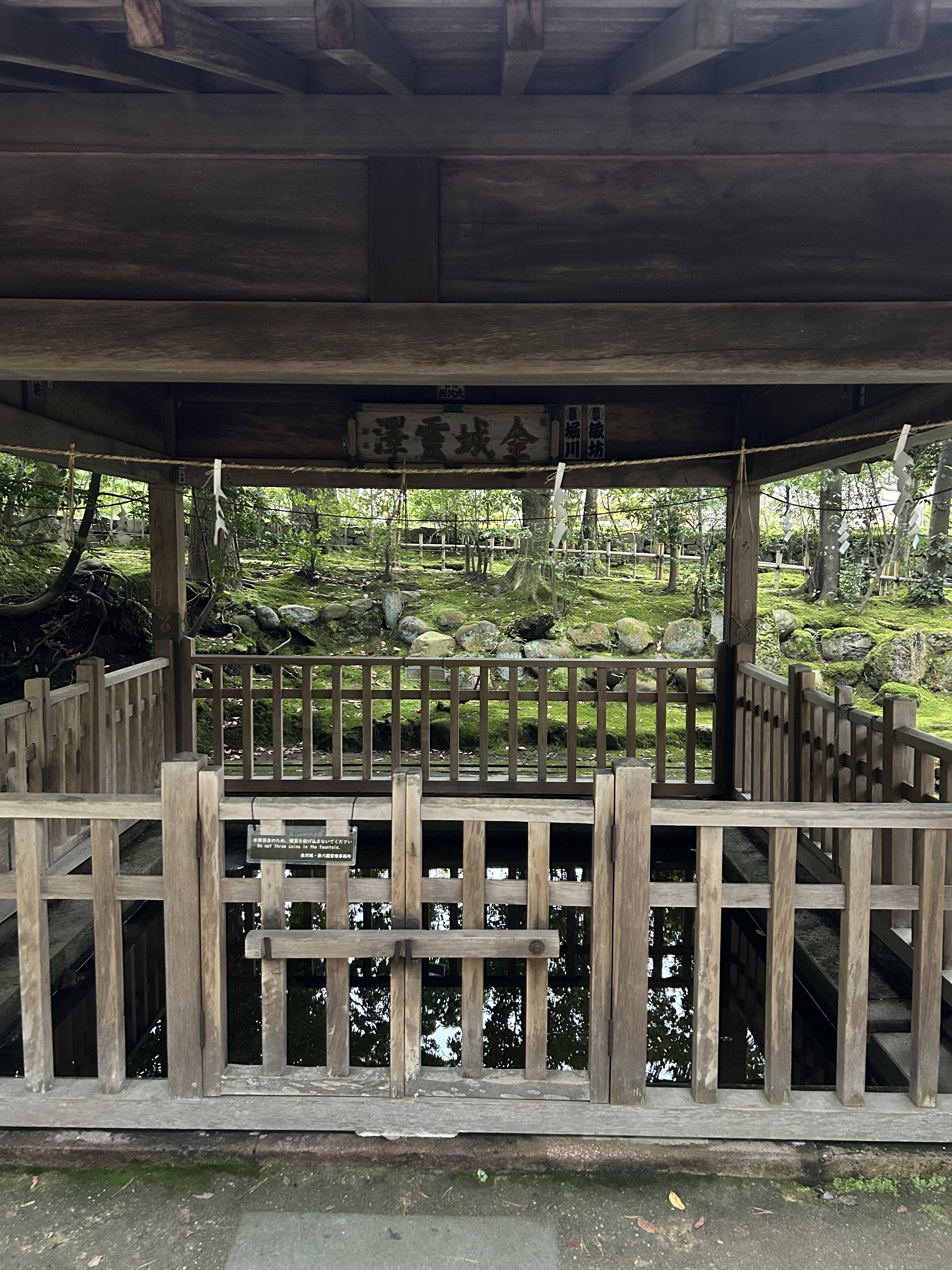
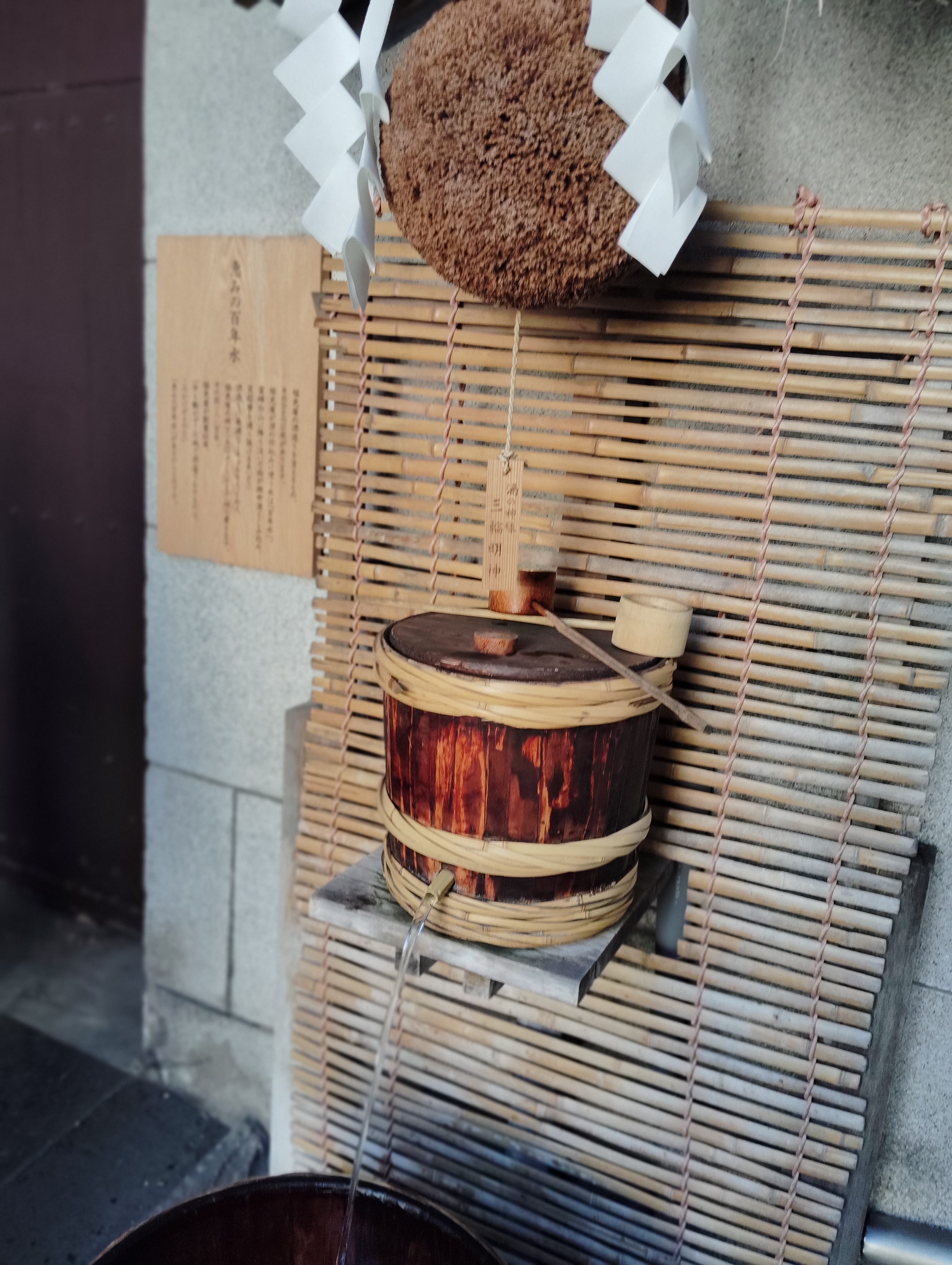
Kinjo Reitaku is a historic spring located here, regarded as the symbolic birthplace of Kanazawa. According to legend, a peasant discovered gold flakes shimmering in this spring, leading to the naming of the area as “Kanazawa,” meaning marsh of gold. Located near Kanazawa Castle, Kinjo Reitaku has long been revered as a sacred site and remains an important cultural landmark, representing the city’s connection to water, gold, and prosperity.
Website : www.kanazawa-kankoukyoukai.or.jp
Imai Kinpaku
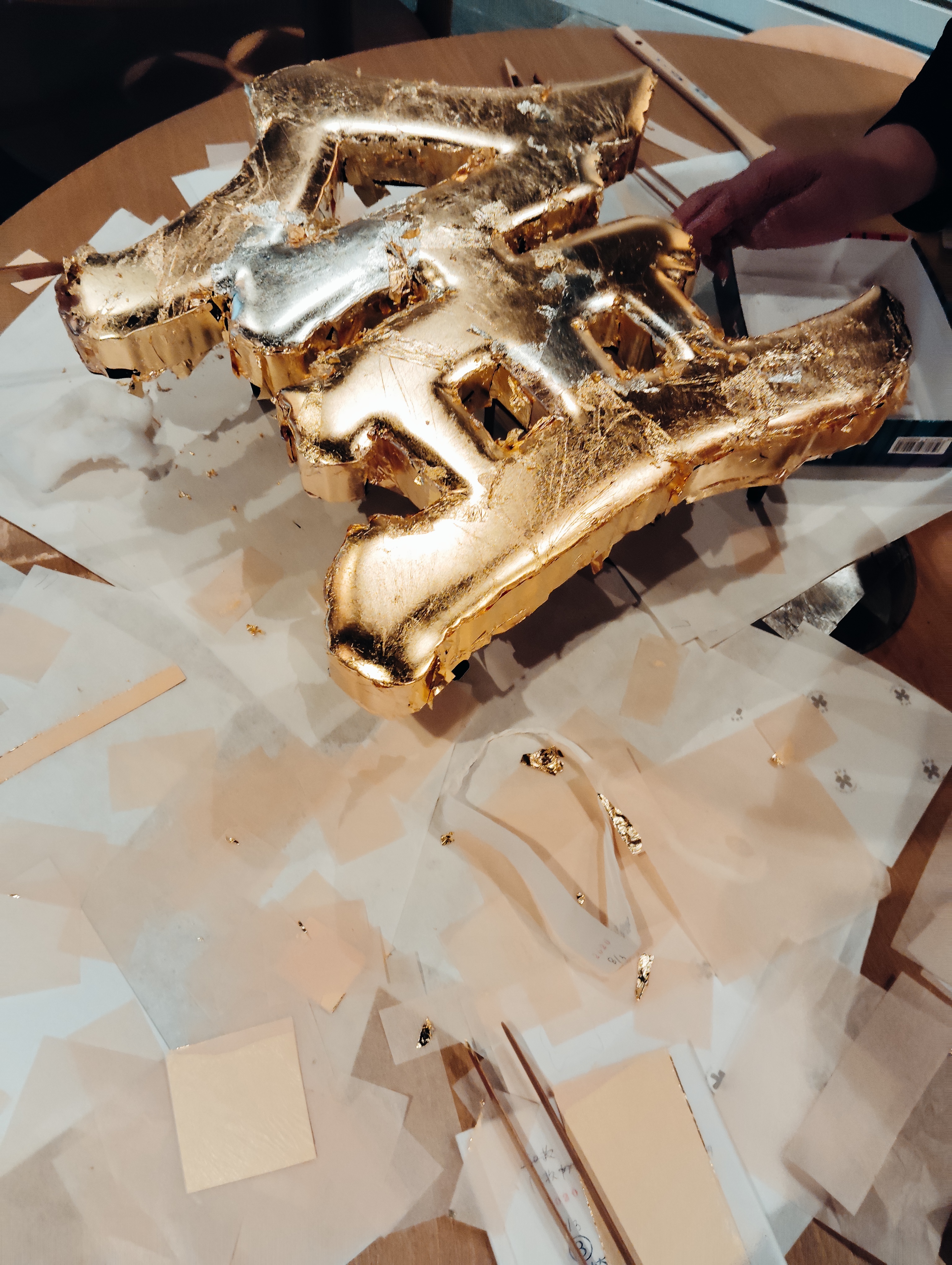
A premier gold-leaf maker renowned for extremely thin, uniform sheets used in temples, tea houses, and modern gastronomy.
There is a casual 30-minute workshop, where we can casually experience the gold leaf craftsmanship. Very easy way to casually experience the local craftmanship.
Founded in Kanazawa, the heart of Japan’s gold-leaf production, the company continues centuries-old techniques with exceptional precision. Its gold leaf is not only used in traditional arts but also in cosmetics and contemporary design. Visiting the atelier offers insight into how tradition evolves while preserving craftsmanship.
Imai Kinpaku is known not only for hands-on gold leaf experiences, but also for its thoughtfully designed facilities that introduce visitors to the cultural and spiritual background of Kanazawa’s gold leaf tradition. One of the highlights is “Kinpaku Reisen”, a sacred spring featured within the complex. This spring is modeled after Kinjo Reitaku, the historic well associated with the origin of Kanazawa’s name.
Website : www.kinpaku.co.jp
Fukumitsuya
Kanazawa’s oldest brewery (founded 1625), producing pure, elegant junmai sake from soft underground water—perfect with autumn cuisine.
Visitors can reserve for a brewery tour (which is very limited, and early reservation is a must), or also opt for a tasting session, where we can enjoy rare sake such as long-aged sake.
The brewery emphasizes rice quality and fermentation control, resulting in a clean and refined flavor profile. Its long history reflects Kanazawa’s deep connection between cuisine, water, and craftsmanship. The tasting experience provides a rare opportunity to compare different maturation styles in one setting. The visit is a very good way to experience the local sake making history.
One of Fukumitsuya’s defining strengths lies in its exceptional brewing water. The brewery uses soft underground water that originates from Mount Hakusan, one of Japan’s most sacred mountains. This water takes approximately 100 years to filter naturally through layers of rock and soil before reaching the wells beneath Kanazawa. Rich in purity and balance, it forms the foundation of Fukumitsuya’s smooth, elegant sake, perfectly suited to pairing with refined local cuisine.
Website : www.fukumitsuya.co.jp
TOYAMA PREFECTURE
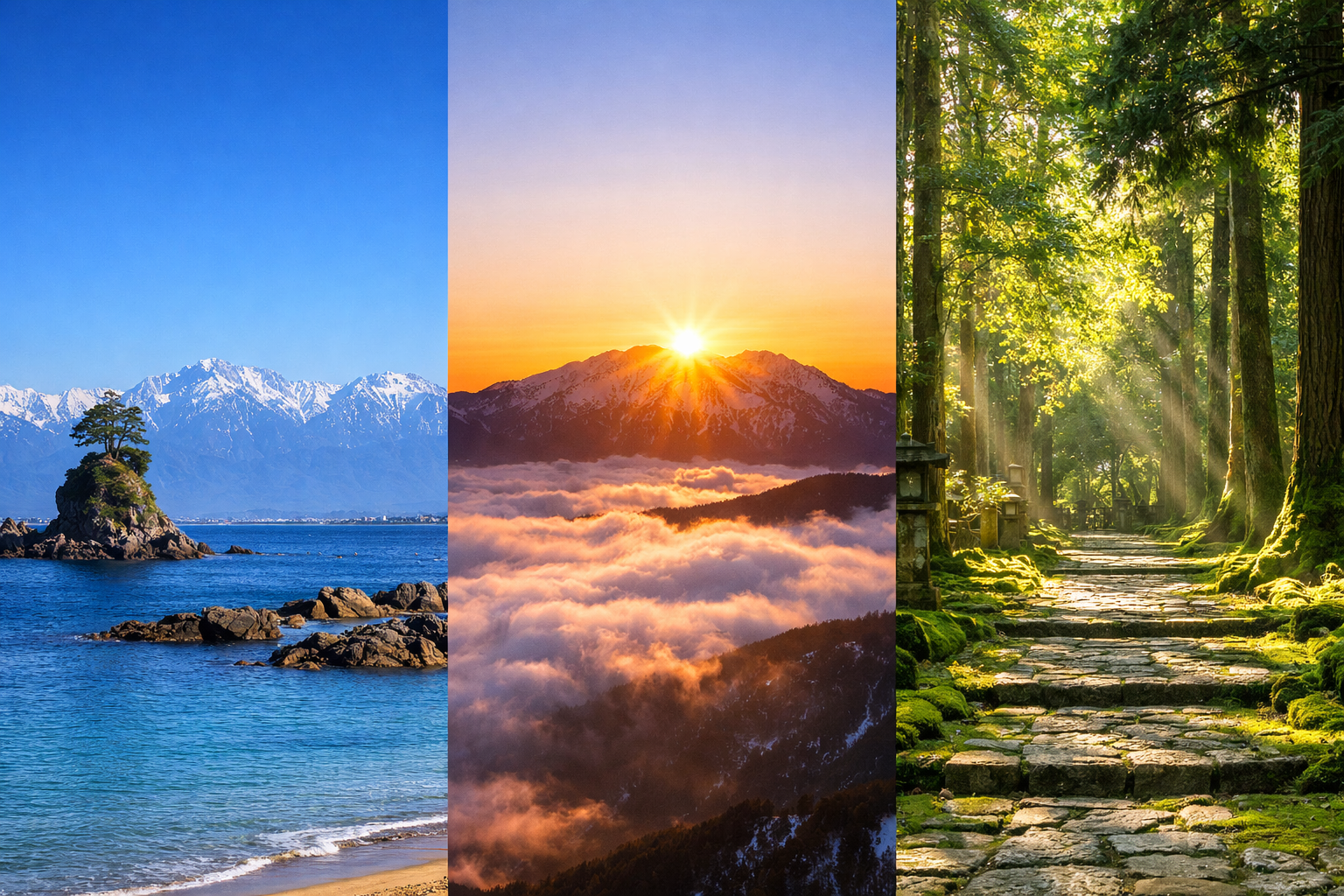
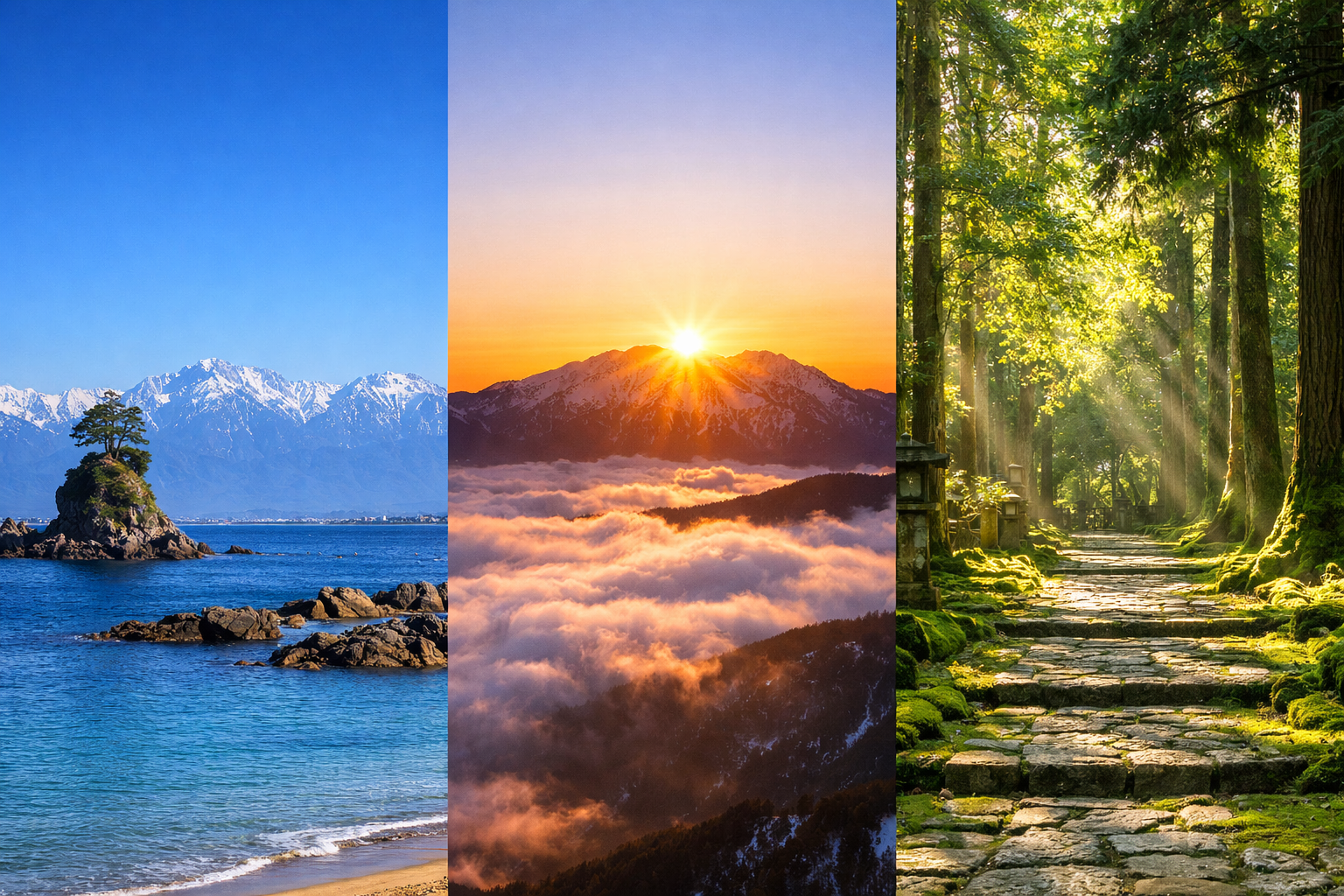
Toyama offers a rare environment where deep coastal waters meet towering alpine ranges, with only 25 kilometers separating the sea and the mountain, giving the prefecture an exceptional range of autumn ingredients.
Autumn seafood from Toyama Bay includes Kamasu with crispy texture, saba and aji at optimal balance, surume-ika at peak tenderness, which is ideal for both sushi and sashimi. Craftsmanship &creative producers also live in the area since the samurai era, giving this area a distinct gastronomy & craftsmanship.
We had the chance to visit the following places, to experience the craftsmanship and gastronomy culture of Toyama.
NOUSAKU
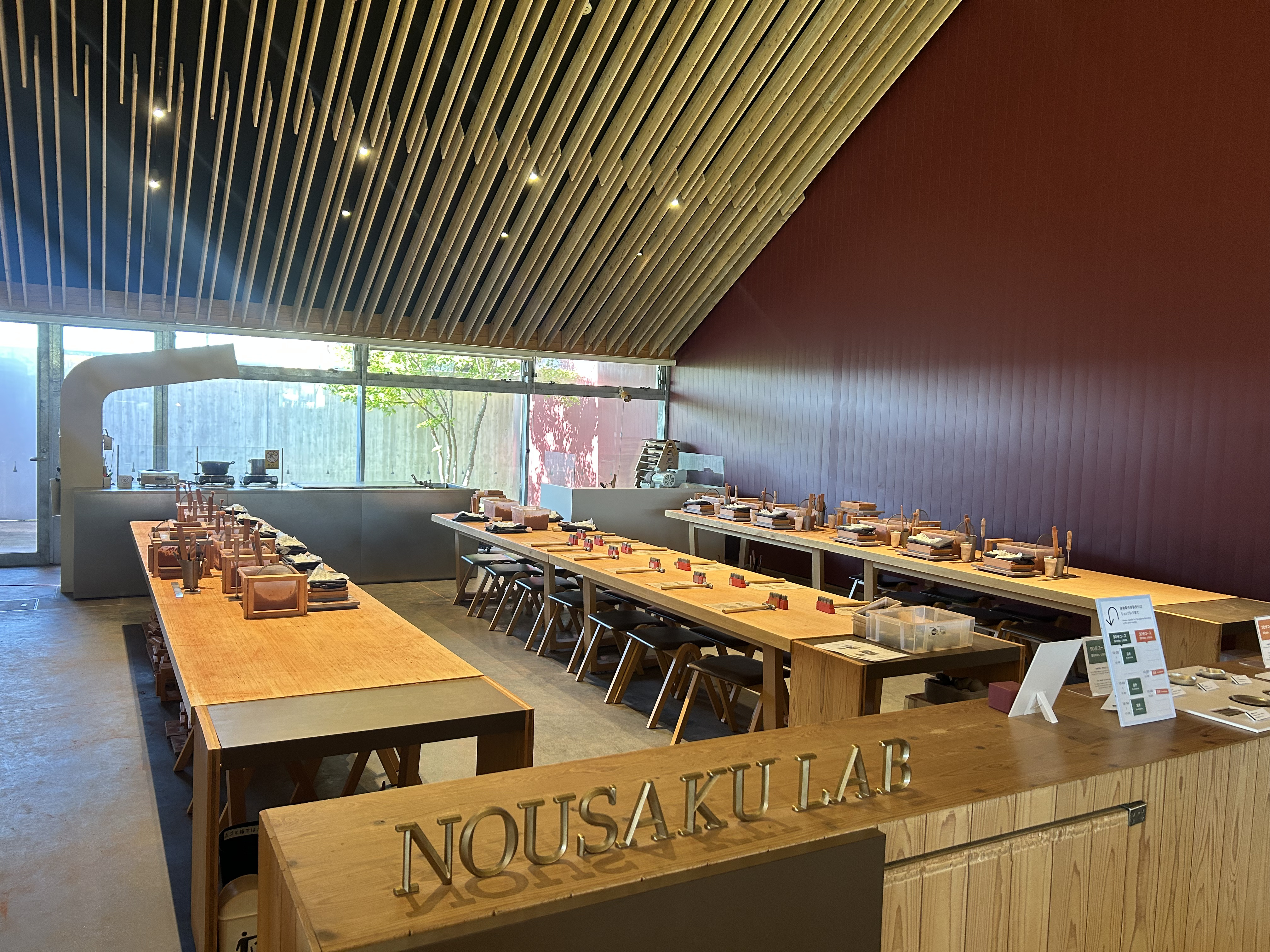
A globally recognized metalworking studio producing tin and brass tableware used in fine dining across Japan. Their minimalist vessels frame Toyama’s autumn cuisine beautifully. It is one of the most well-known artisan product producers from Toyama.
By visiting the workshop, guests can observe the casting process up close.
In particular, they can see how the long-established Takaoka casting tradition is applied to tableware and everyday objects that fit into contemporary life.
Website : www.nousaku.co.jp
Wakatsuru Shuzō / Saburomaru Distillery
A rare sake-and-whisky hybrid producer. They started making whisky after the Second World War, as obtaining rice to produce sake was very hard. Saburomaru’s autumn whisky is smoky, complex, and influenced by Toyama’s crisp seasonal climate.
LEVO
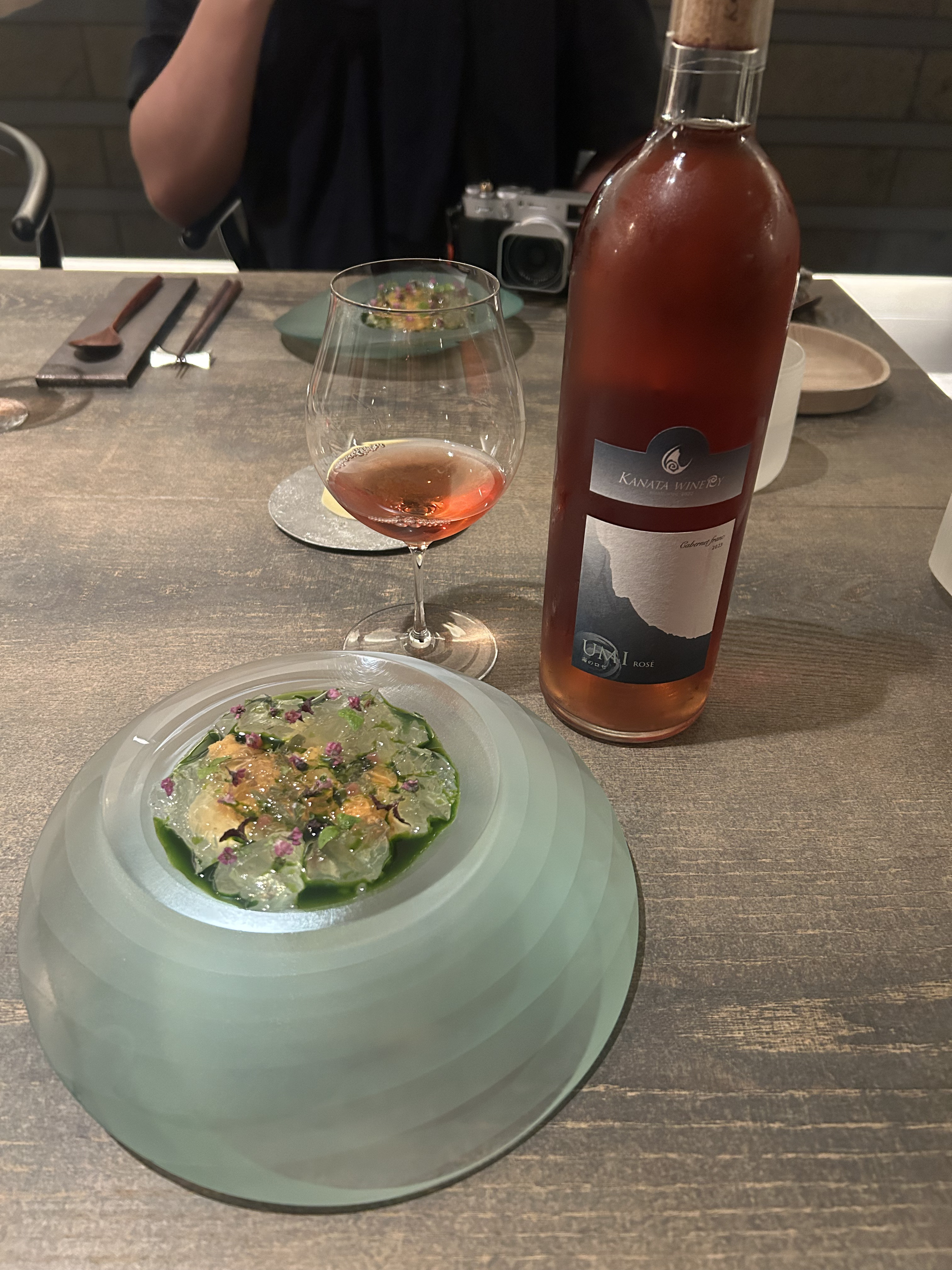
One of the most famous local gastronomy restaurants in Japan, it has 2 Michelin stars and a Michelin Green Star accreditation. As well as one of the highest rankings on Tabelog (4.54 in 2025). The master chef produces a unique course using local Toyama sea/forest ingredients, with emphasis on the game meats that can be caught in the area (bear, boar, deer, etc).
SAYS FARM
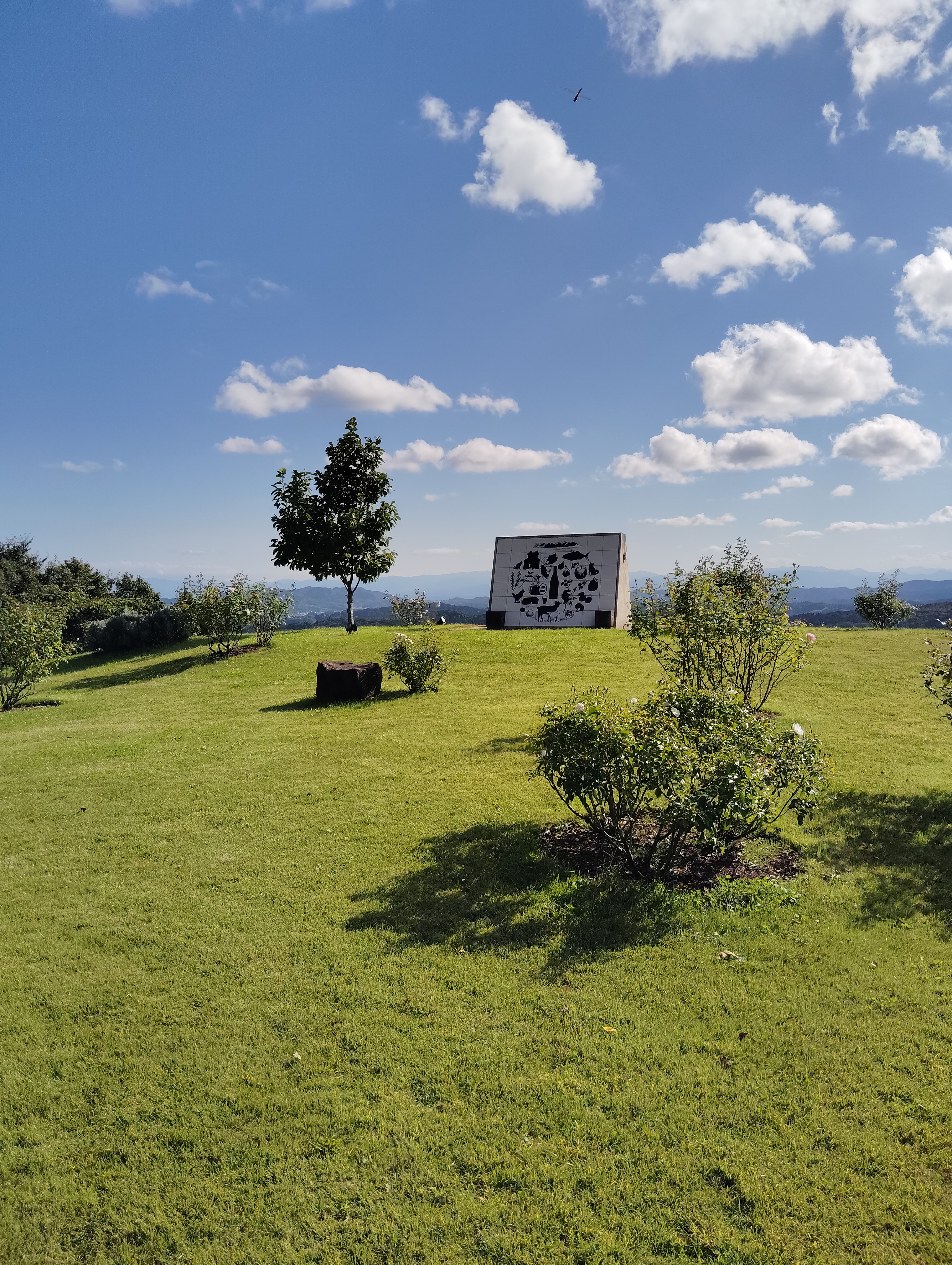
A winery in Himi produces clean, mineral-driven wines ideal with autumn seafood. The vineyard’s hillside views turn golden in fall. It is considered as one of the top wine producers in Japan, and because of its limited production, it is hard to obtain even in Japan.
Website : www.saysfarm.com
Gokayama Gassho-zukuri Village
A UNESCO World Heritage village deep in Toyama’s mountains, known for steep thatched-roof farmhouses built to withstand heavy snow. In autumn, the entire valley glows orange and red, creating one of Hokuriku’s most atmospheric scenes. Traditional preserved foods, handmade tofu, and mountain vegetables reflect Toyama’s rustic culinary roots. As it is a UNESCO World Heritage-accredited site, it must preserve the initial atmosphere, which gives the village a very unique, authentic atmosphere.
Website : gokayama-info.jp
.jpg)
FUKUI PREFECTURE
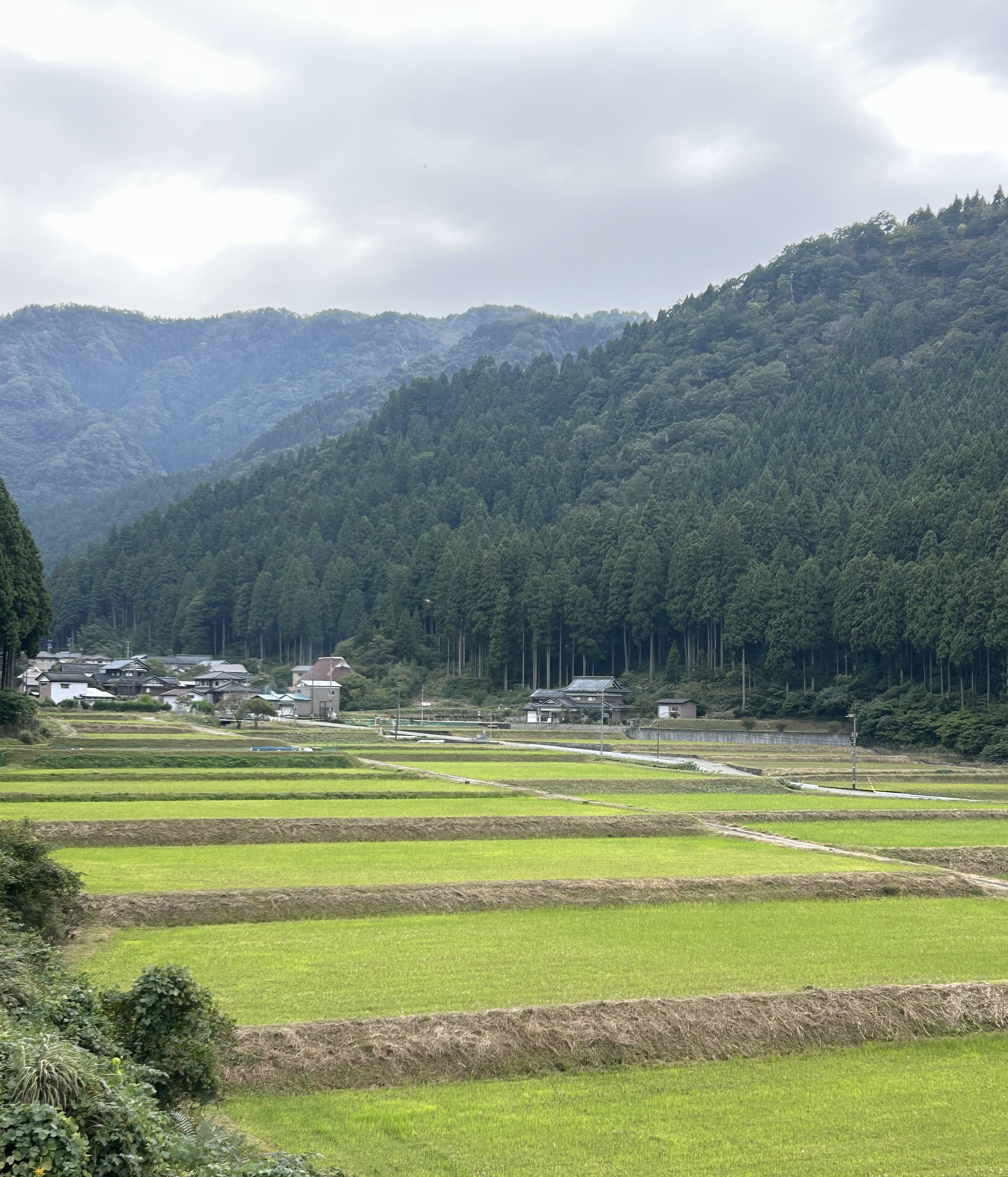
Fukui is a prefecture of deep Zen forests with historic temples, and small fishing villages near the Sea of Japan. A totally calm, Zen atmosphere, Wakasa region has long been known as "Mikoto Province," which provided food to the Imperial Court. "It brought the bounty of the sea to the capital and supported Kyoto's food culture.
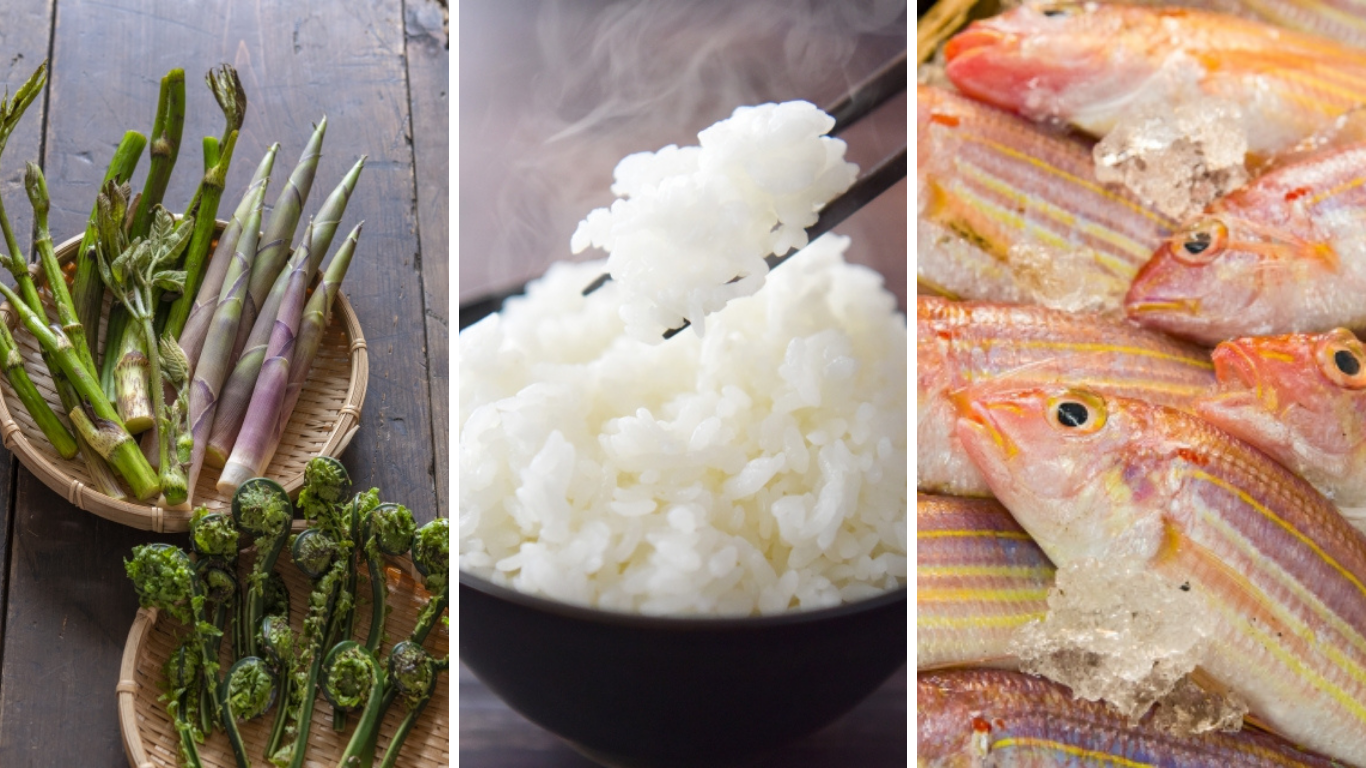
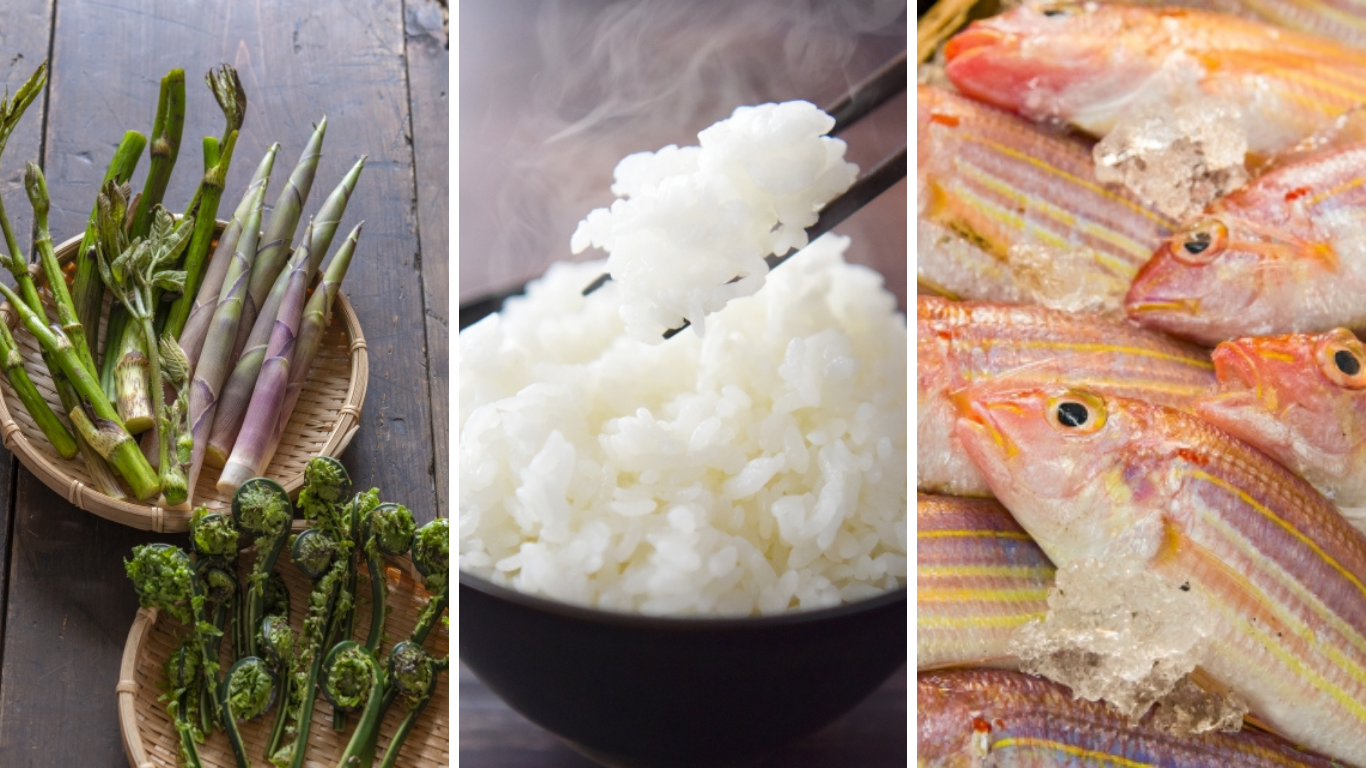
Fukui Autumn Gastronomy includes Echizen soba made from freshly ground buckwheat, mountain mushrooms and vegetables, with the local sea providing many Autumn seafood, including squid, rockfish, and mackerel.
Fukui is also one of the main rice-producing areas of Japan.
We had the chance to visit the following places during our short stay in Fukui.
Yoshida Sake Brewery
Located in the same town as the head Zen temple in Japan (Eiheiji). Their sake reflects Zen aesthetics—purity, calmness and balance. They use 100% rice from the local town(Eiheiji), of which half is their own rice field, thus they call their sake “Eiheiji Terroir”. It is also very unique for the Eiheiji Temple to grant the usage of the “Eiheiji” name for a product, as it must pass a strict rule imposed by the temple.
Website : hakuryusake.com
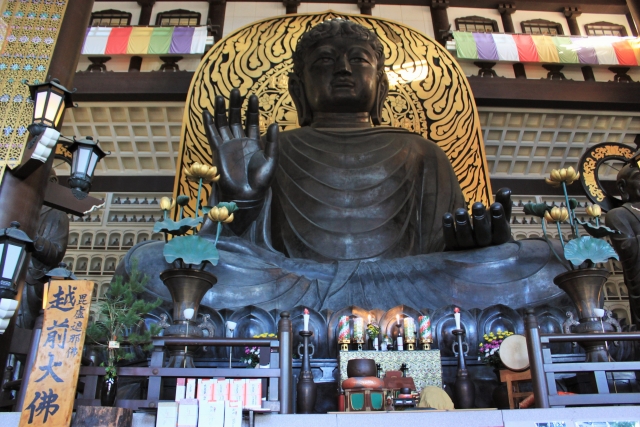
Echizen Great Buddha
One of Japan’s largest seated Buddhas, built by a local businessman to pay respect to the city where he was born. The Buddha and the surrounding temple give a sense of tranquillity.
Website : www.etizen-daibutu.com
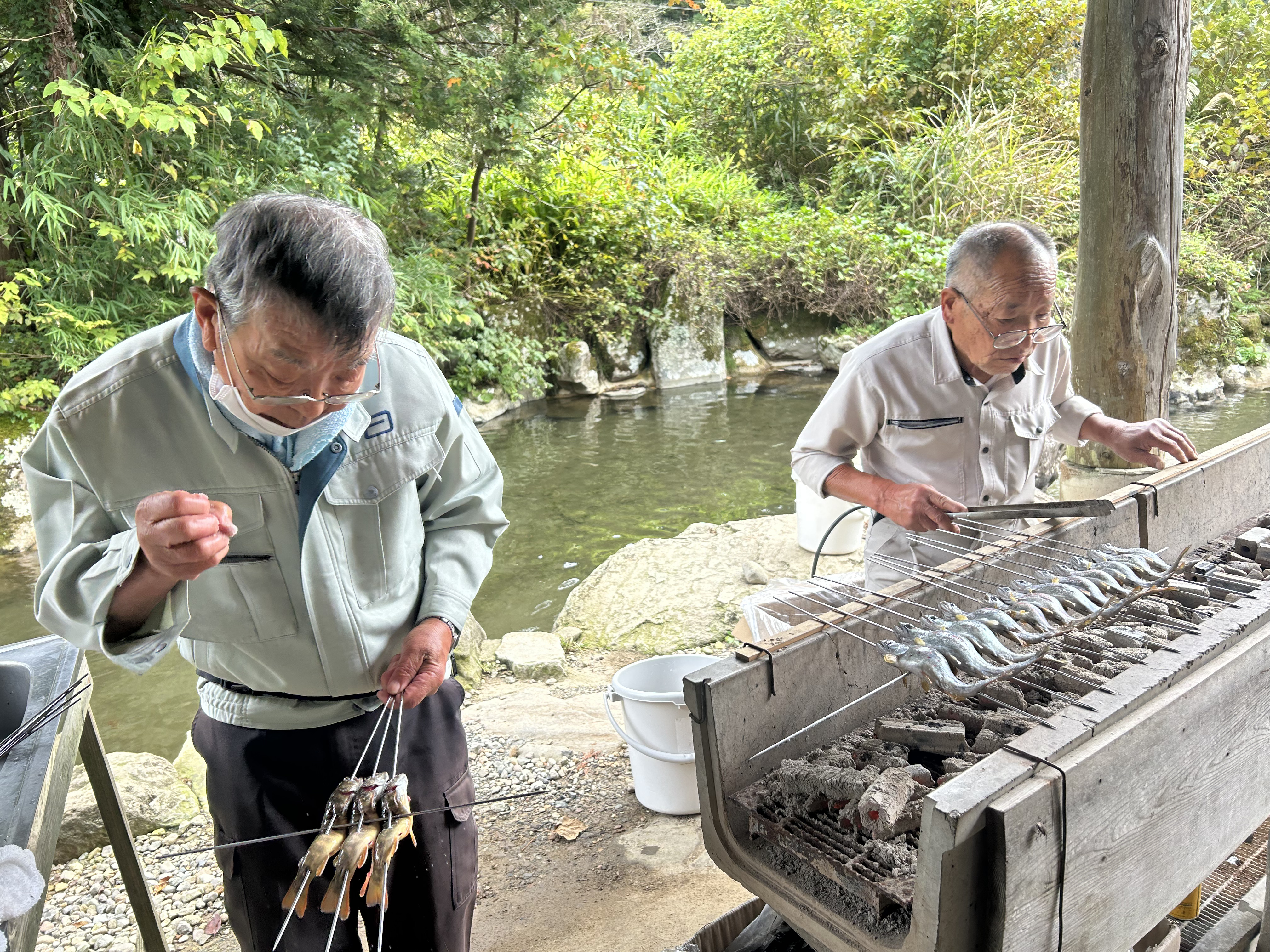
Amago no Yado
A traditional inn serving charcoal-grilled amago trout from pristine mountain streams—a perfect expression of Fukui’s rural autumn cuisine. They farm their own amago fish, which is then provided in a variety of cooking methods, for a full-course amago trout experience.
Website : amago.jp
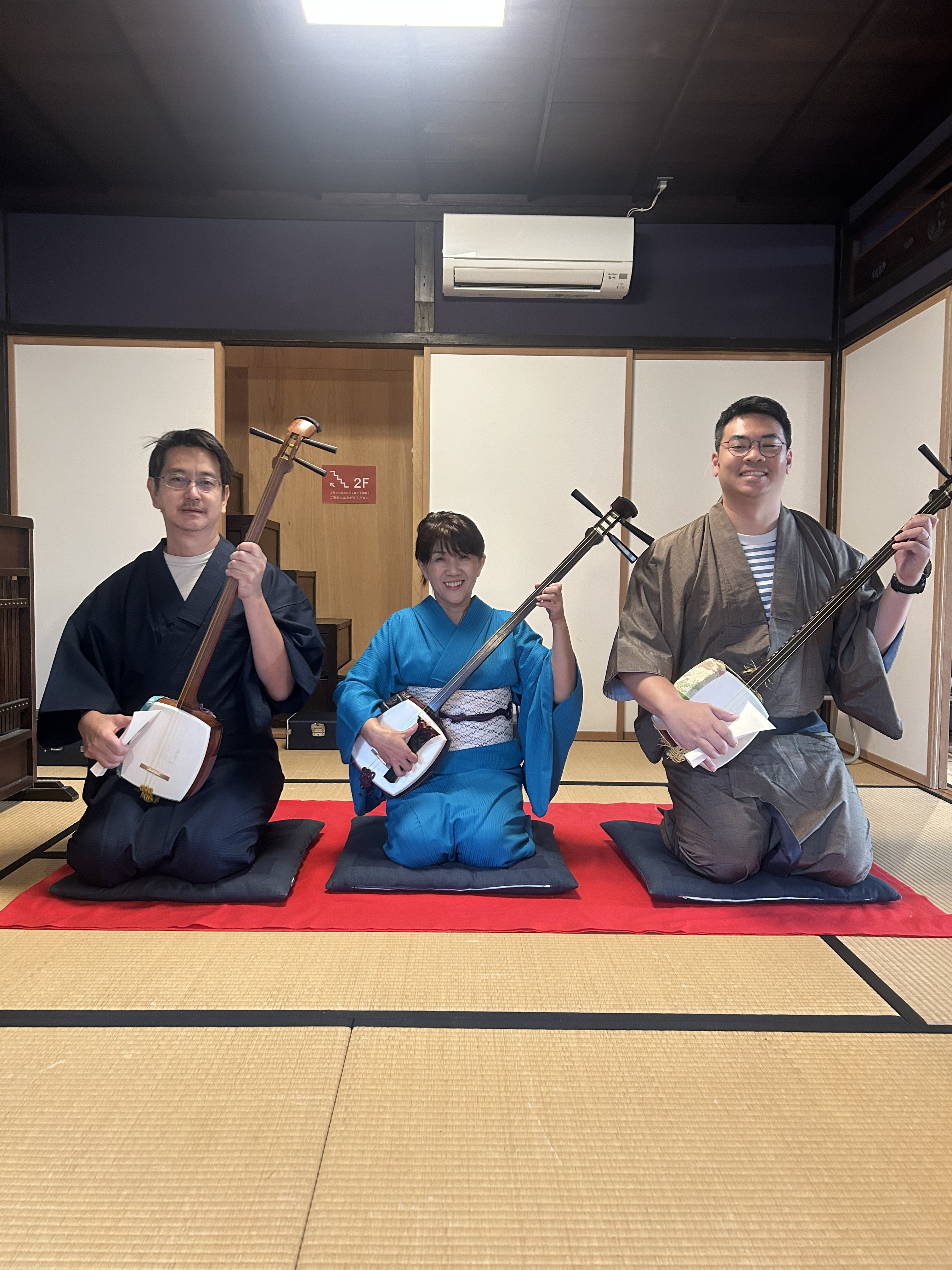
Mikuni Town
A coastal town lined with old merchant houses, vibrant seafood markets, and beautiful autumn sunsets.
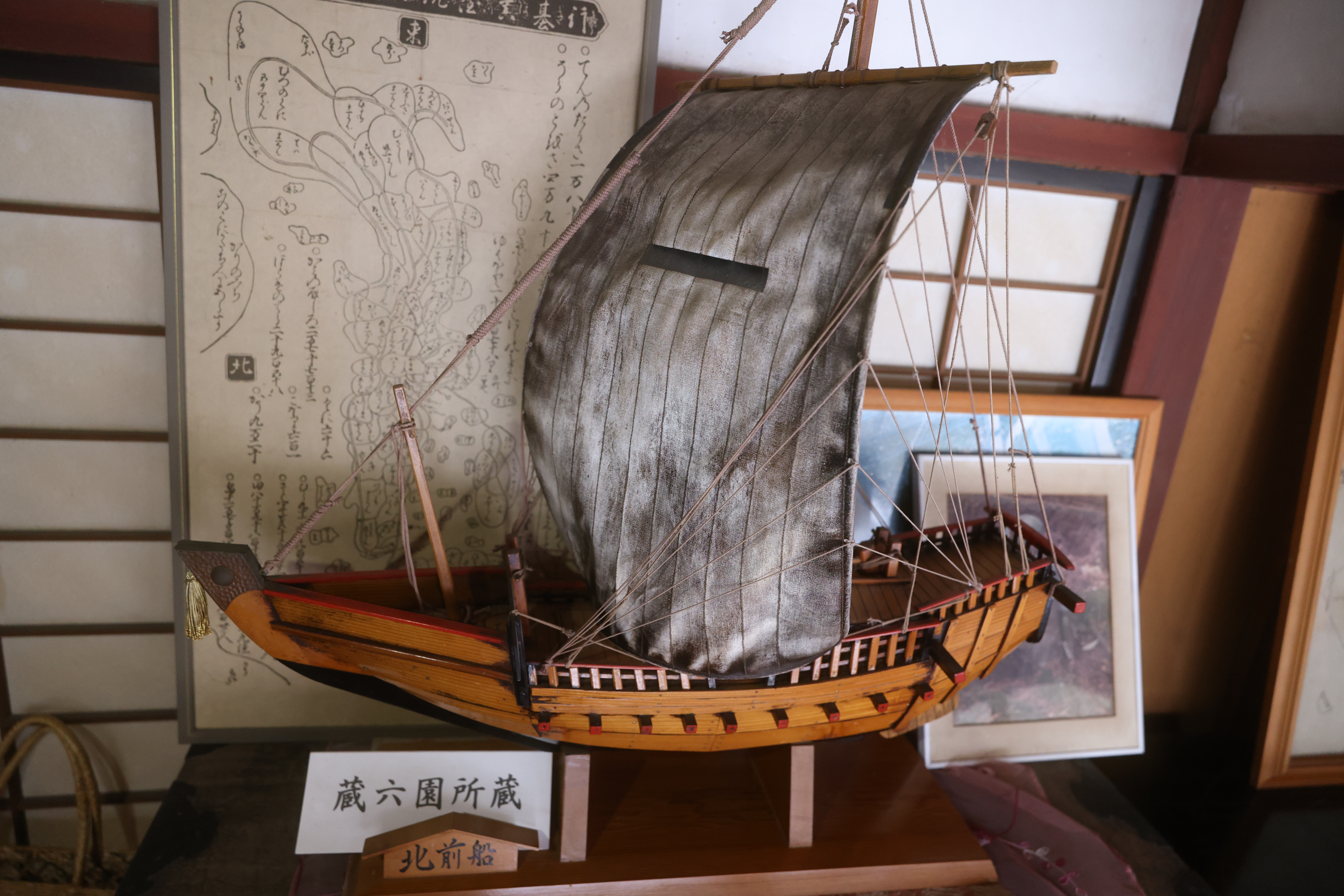
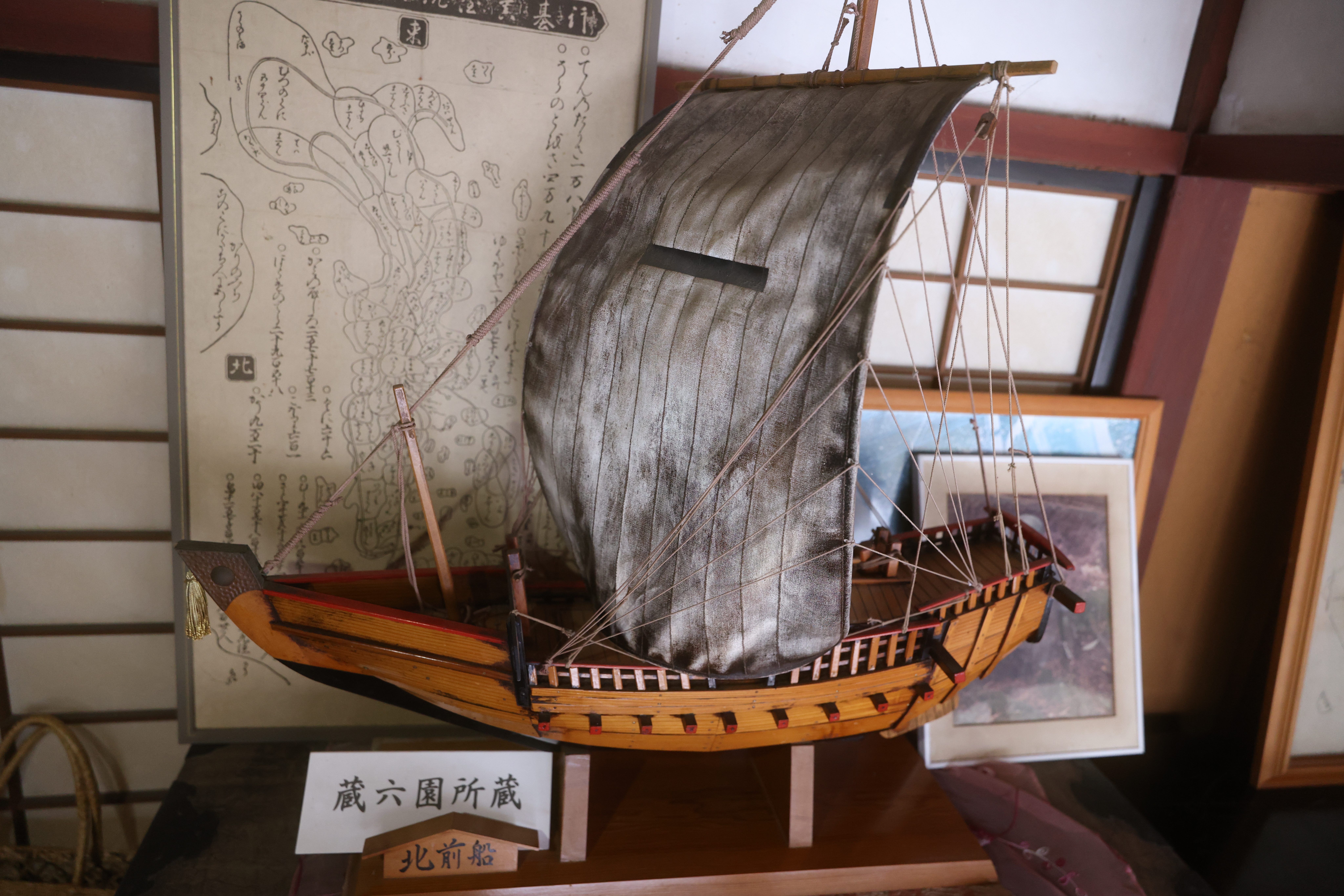

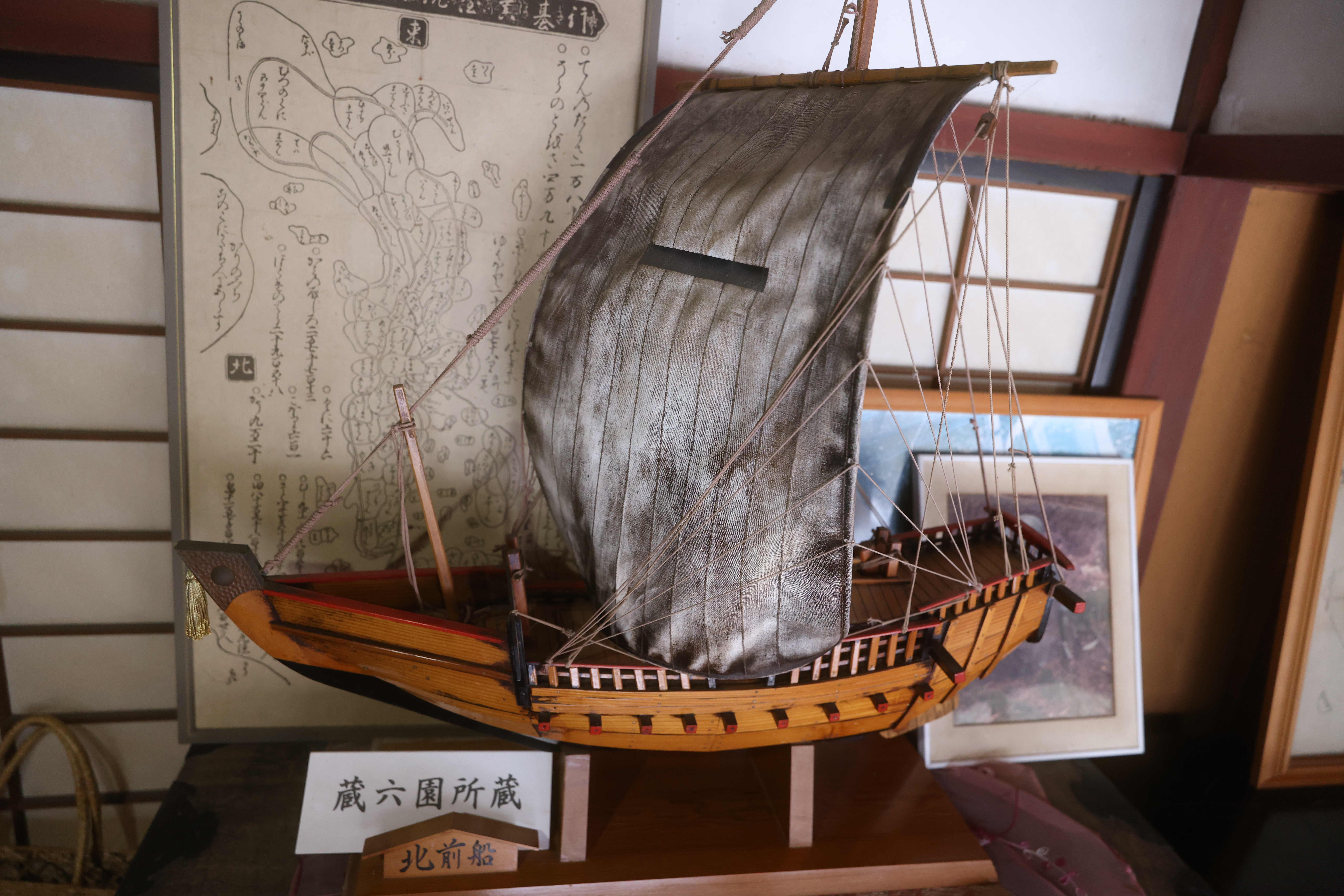
During the samurai era, it flourished as one of the main seaports supporting maritime trade routes connecting Hokkaido with the Kansai region.
The town still retains the atmosphere of its historic port, making it an ideal place for those who wish to experience a traditional local Japanese mood.
The small town has many traditional building still intact, and in some of the building,you can experience traditional activities such as Shamisen (A traditional Japanese stringed instrument with three strings that is played with a plectrum).The teacher will kindly teach us, and we can start to play very smoothly in a short time.
kanko-sakai.com
Kubota Sake Brewery
A historic brewery producing sake using its own rice, as well as focusing on the traditional methods of making sake, which makes this small brewery a very unique place to visit and taste their sake.
Website : www.fukukoma.co.jp
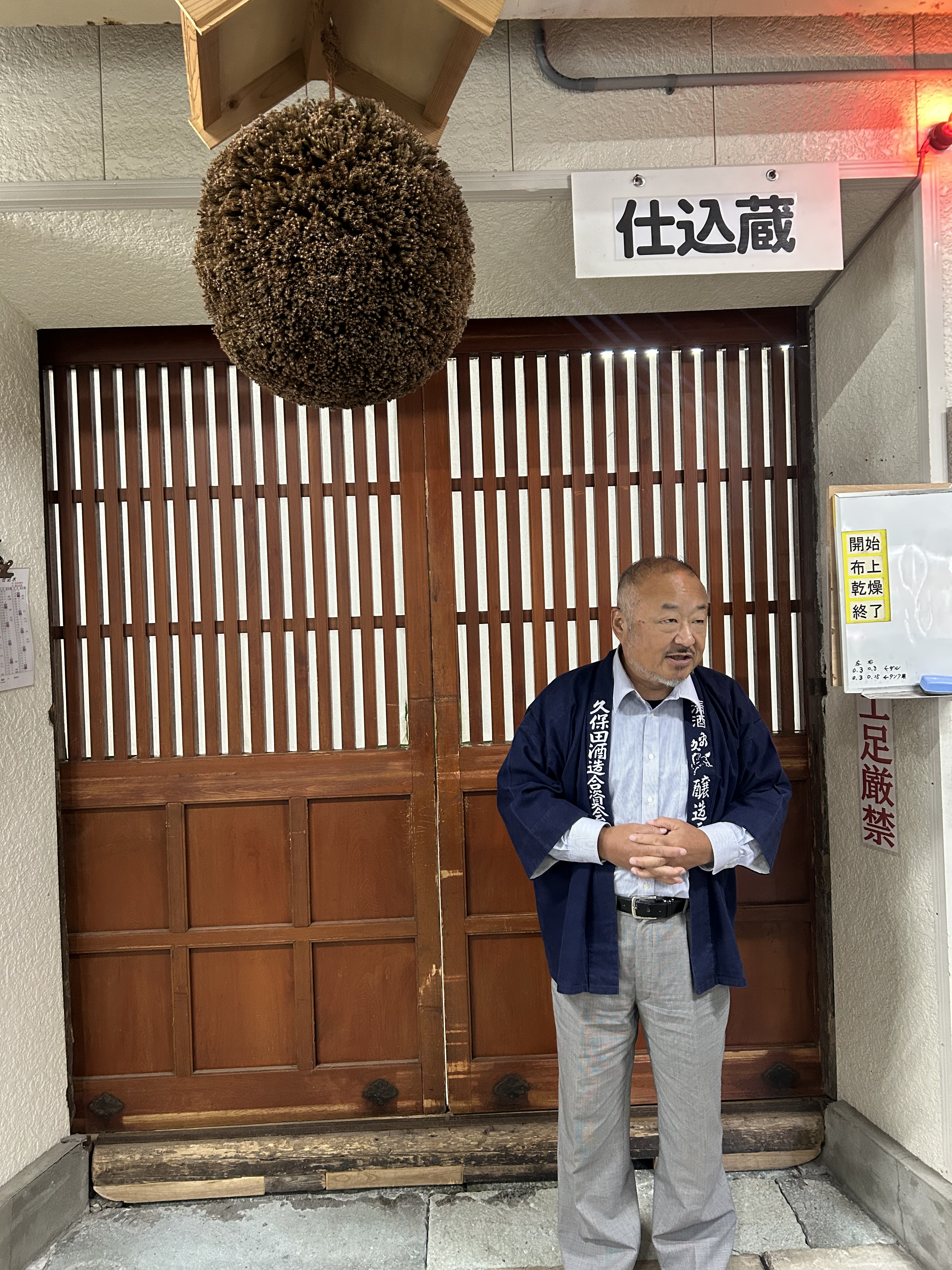
Laisance
A local terroir fine dining managed by 2 local chefs. The chef put very strong emphasis in using local food ingridients and craftman products, which gives the visitors a very strong sense of Fukui gastronomy story telling. One of the best local Terroir restaurant that I have visited.
Website : aidot.base.ec
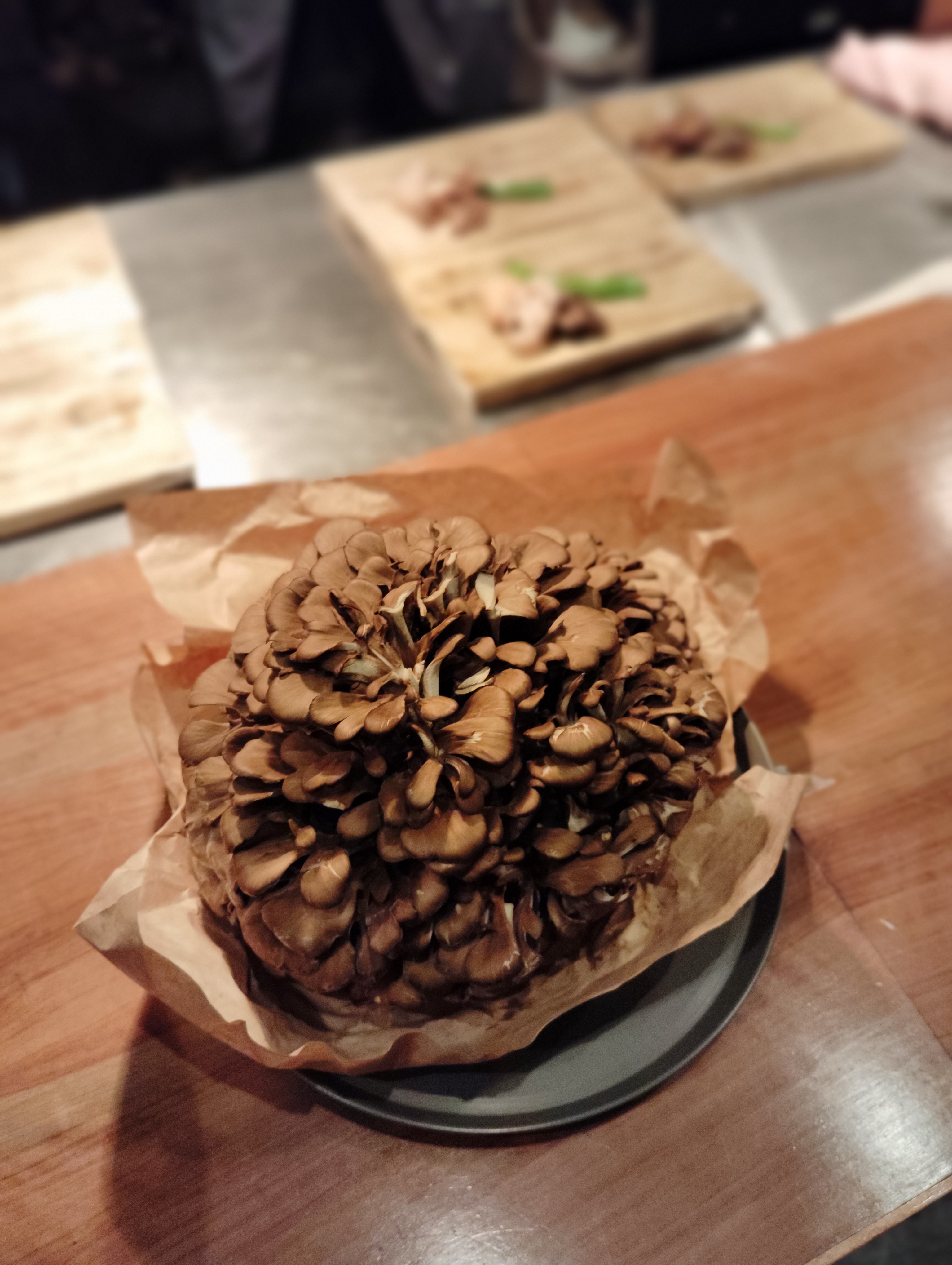
Why Autumn Is the Perfect Season to Experience Hokuriku
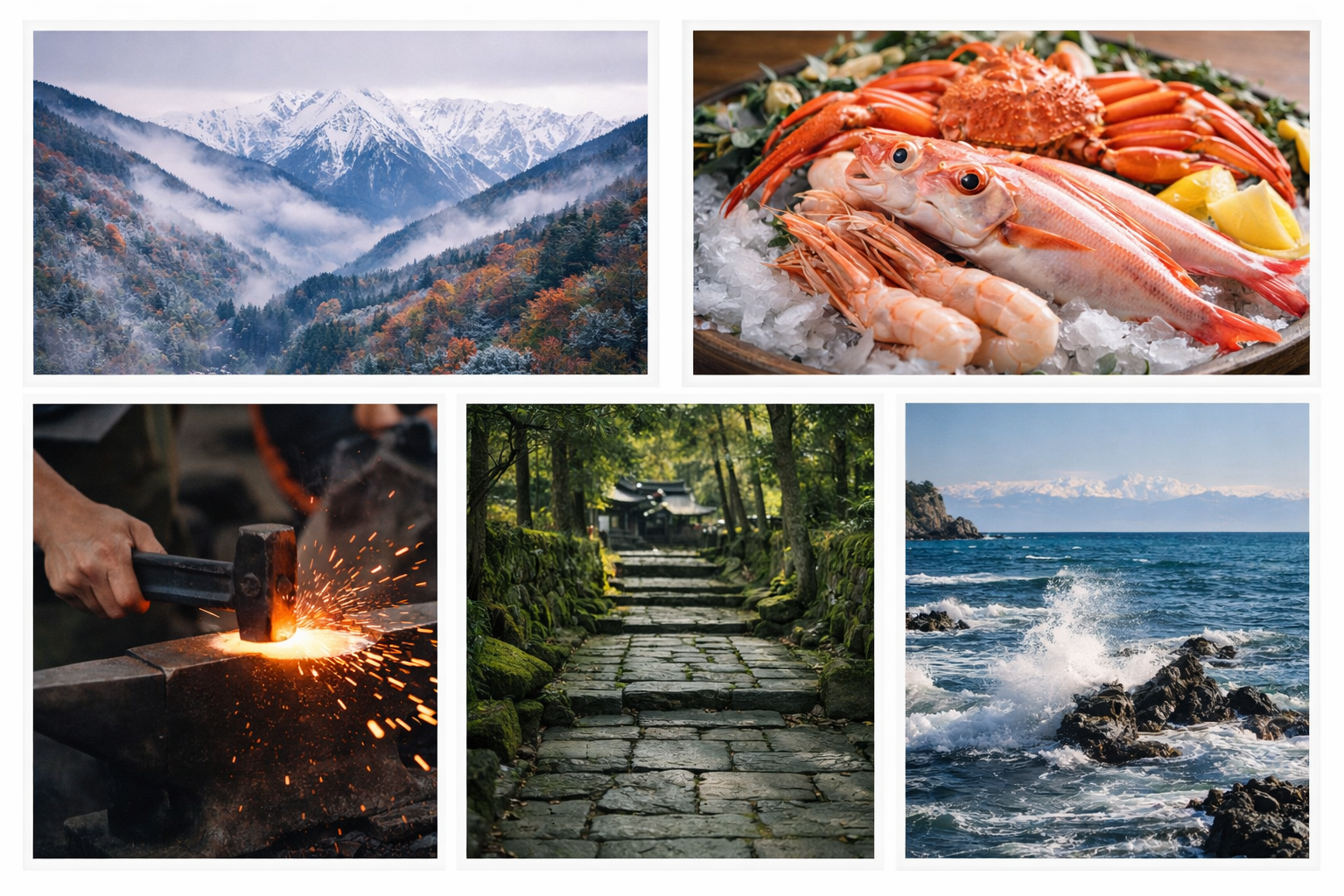
Autumn captures Hokuriku at its most harmonious. The seas calm, forests glow, markets fill, and the region’s most balanced flavors come into season. For travellers seeking authenticity and culinary depth, Hokuriku in autumn is not just a destination—it is a transformative experience.
About the Author
Takahito Katsuta
CEO of GOEN Thailand. Based in Bangkok, Thailand, he is a travel writer who explores Japan’s regional food culture, traditional crafts, and local ways of life.
Through his work, he highlights how natural environments, local ingredients, producers, and artisans shape the cultural identity of each region. His writing introduces the richness of Japan’s regional cultures to audiences both in Japan and overseas.
Instagram:


.png)
.png)
.png)
.png)
.png)
.png)
.png)
.png)
.png)
.png)
.png)
.png)
.png)
.png)
.png)
.png)
.png)
.png)
.png)
.png)
